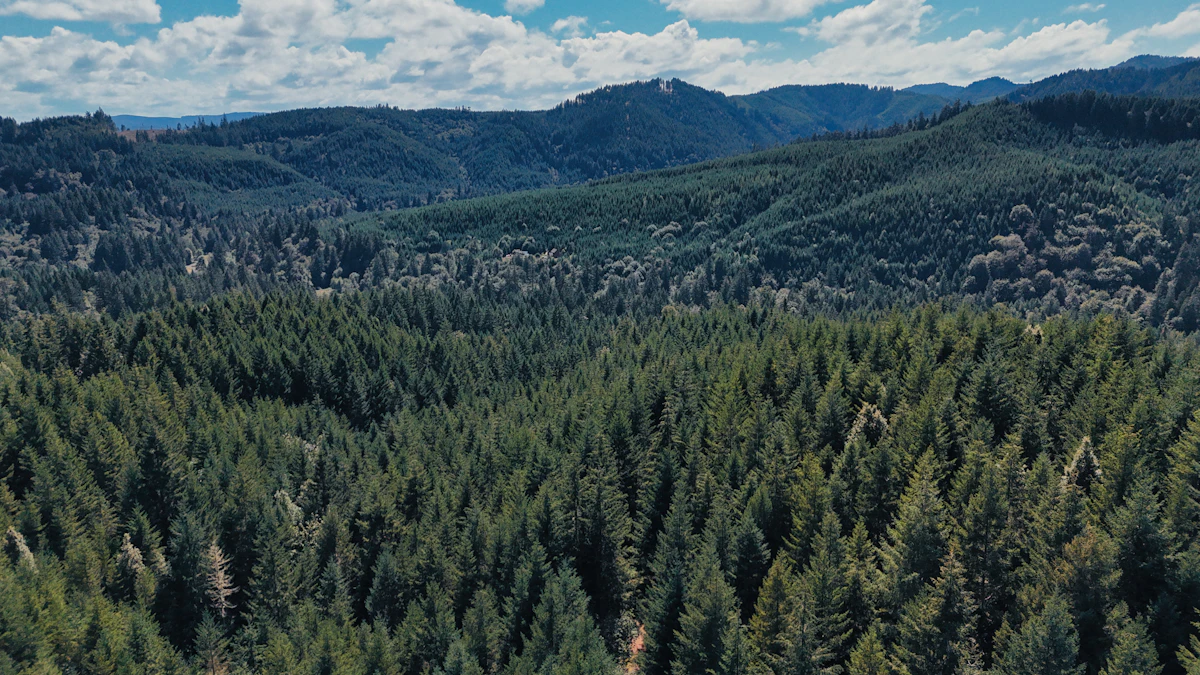
Will Wisconsin Have a Wolf Hunting Season in 2027? Delisting, Laws, Dates & Latest Updates
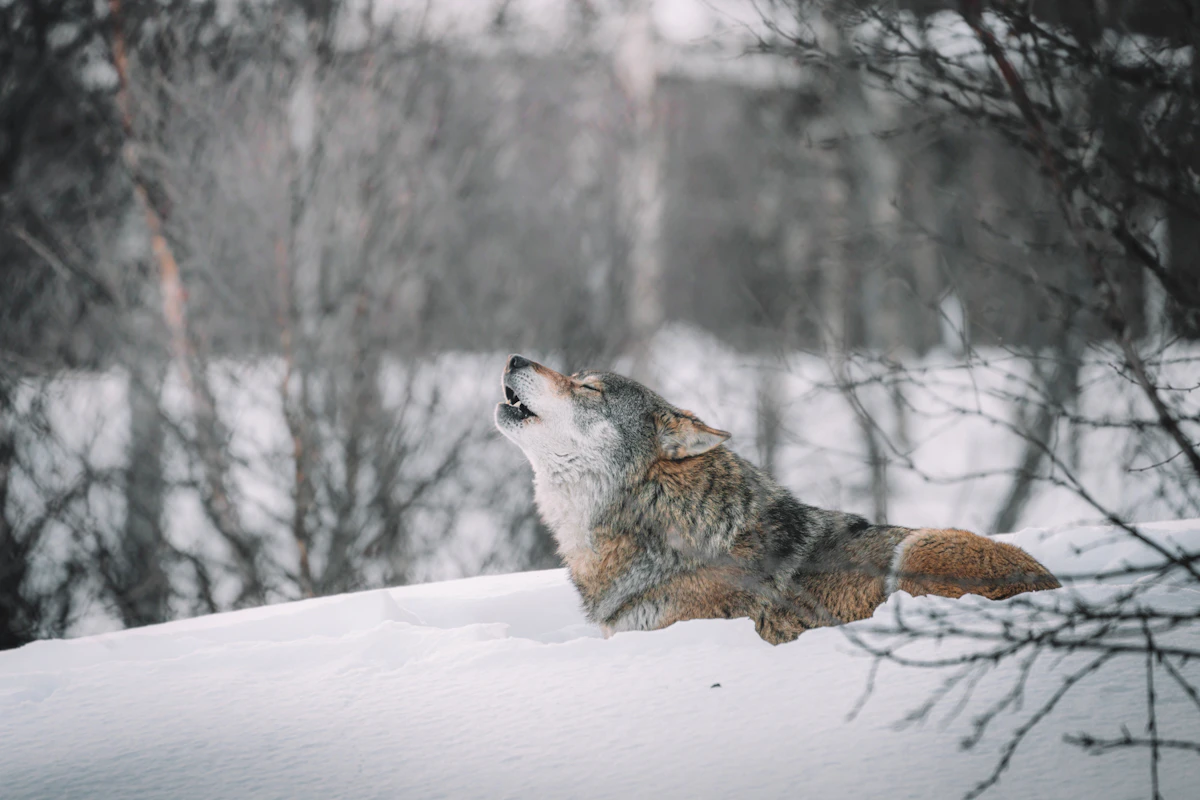
Will Wisconsin Have a Wolf Hunting Season in 2027? Latest Delisting Updates, Laws, and What Hunters Need to Know
Wisconsin's wolf hunting season remains one of the most closely watched wildlife management issues in the Midwest.
With more than 1,200 wolves estimated across the state's established wolf range, hunters, livestock producers, and rural communities continue to question when Wisconsin might regain the authority to conduct regulated wolf hunting and trapping seasons.
For hunters planning ahead, the biggest question is simple: Will Wisconsin have a wolf hunting season in 2027?
As of October 16, 2026, the answer is no season has been authorized.
Gray wolves in Wisconsin remain federally protected under the Endangered Species Act following a federal court ruling that took effect February 10, 2022.
Those protections prohibit public wolf hunting and trapping.
Wisconsin law provides for regulated wolf hunting when wolves are no longer protected under applicable federal and state endangered species laws. However, that state law does not override federal protections.
A future season would require a change in the wolves' legal status, followed by implementation of the applicable state management and licensing requirements.
For Wisconsin hunters, 2027 remains a year to watch, but it is not yet a confirmed wolf hunting season.
Is Wolf Hunting Legal in Wisconsin in 2027?
No public wolf hunting or trapping season is currently authorized in Wisconsin.
The U.S. Fish and Wildlife Service confirms that gray wolves in Wisconsin remain federally protected under the Endangered Species Act.
These protections were restored following a federal court ruling on February 10, 2022.
The ruling affected wolves across much of the lower 48 states, although the Northern Rocky Mountains population retains a different federal status.
Because Wisconsin wolves remain federally endangered, the state cannot authorize a public hunting season under its existing regulatory framework.
What Does This Mean for Wisconsin Hunters?
Under the current legal status:
Public wolf hunting is prohibited.
Public wolf trapping is prohibited.
Wisconsin is not accepting wolf harvest applications.
Hunters cannot currently purchase wolf preference points.
A regular deer, bear, or other hunting license does not authorize killing a wolf.
Wolf depredation control is restricted by federal law.
The Wisconsin DNR continues population monitoring and conflict response activities.
The DNR states that shooting a wolf is unlawful unless there is an immediate threat to human safety.
That exception should not be interpreted as permission to shoot wolves solely because they are near livestock, pets, or hunting dogs.
For current requirements, consult the Wisconsin DNR's official wolf hunting guidance.
Why Doesn't Wisconsin Currently Have a Wolf Hunting Season?
Wisconsin's wolf hunting season is suspended because wolves remain protected under federal endangered species law.
The legal status of wolves has changed multiple times over the past two decades.
During periods when federal protections were removed, Wisconsin had authority to implement regulated hunting and trapping seasons.
When federal protections were restored, those seasons could no longer continue.
Important Wisconsin Wolf Hunting History
Several developments help explain the current situation.
2012: Wisconsin began holding regulated wolf hunting and trapping seasons after federal protections were removed.
2013–2014: Additional regulated wolf seasons occurred.
December 2014: Federal protections were restored, preventing subsequent public seasons.
January 2021: A federal delisting rule took effect, returning wolf management authority to states including Wisconsin.
February 2021: Wisconsin conducted a wolf hunting and trapping season while wolves were delisted.
February 10, 2022: A federal court ruling restored Endangered Species Act protections.
October 2023: Wisconsin approved an updated Wolf Management Plan.
October 2026: Federal protections remain in effect, and no public wolf hunting season is authorized.
This history illustrates why a state management plan or legislative proposal does not automatically establish a legal hunting season.
Federal listing status remains central to the question.
What Would Need to Happen for Wisconsin to Hold a Wolf Season in 2027?
Several conditions would need to be satisfied before a regulated wolf hunting season could take place.
1. Federal Wolf Protections Would Need to Change
The first major requirement would be a change in federal legal status allowing Wisconsin to regulate wolf harvest.
Such a change could result from a legally effective federal agency action, legislation, or a court decision.
However, an announcement or proposed rule does not necessarily change the law immediately.
The effective legal status must be confirmed.
2. Wisconsin Would Need Authority Under State Law
Wisconsin Statute 29.185 directs the DNR to permit wolf hunting and trapping when wolves are not listed under applicable federal or state endangered species protections.
The statute also establishes requirements for licenses and harvest management.
Federal delisting would not eliminate the need to comply with Wisconsin law.
3. The DNR Would Need to Establish Harvest Regulations
If a legal season became possible, Wisconsin would need to implement the applicable regulatory procedures.
Those could include:
Wolf harvest quotas.
Management zones.
Hunting and trapping license allocations.
Application and drawing procedures.
Reporting and registration requirements.
Zone closures.
Permitted hunting methods.
Tribal consultation and other applicable legal obligations.
A change in federal status would not automatically determine the number of wolves that could be harvested.
4. Hunters Would Need Valid Wolf Harvest Licenses
A regular Wisconsin hunting license would not be sufficient.
Hunters would need to comply with the wolf harvest licensing requirements in effect for the season.
Wisconsin's wolf licensing process has historically used a drawing.
The DNR would need to announce any future application period and licensing procedures.
What Is Wisconsin's Wolf Hunting Law?
Wisconsin Statute 29.185 establishes the state's framework for wolf harvesting licenses and regulated hunting and trapping.
The law directs the DNR to allow wolf hunting and trapping when wolves are not protected under applicable federal or state endangered species laws.
It also establishes the general season structure and licensing requirements.
What Does Wisconsin Statute 29.185 Require?
Important provisions include:
Wolf hunting and trapping are allowed under the statute only when wolves are not listed under the applicable federal or state endangered species protections.
Hunters and trappers must possess the appropriate wolf harvesting license.
Both Wisconsin residents and nonresidents may be eligible for wolf harvesting licenses.
The state may limit the number of participating hunters and trappers.
Harvest quotas may be used to regulate the number of wolves taken.
A statutory hunting and trapping season runs from the first Saturday in November through the last day of February.
Management zones may close before the final season date when necessary.
These provisions are subject to applicable federal law.
Wisconsin cannot simply open a wolf hunting season while federal protections prohibit it.
When Would Wisconsin's 2027 Wolf Hunting Season Start?
If Wisconsin establishes a legally authorized wolf season for the 2027–2028 hunting cycle under the existing statutory schedule, the season would ordinarily begin on November 6, 2027.
The statutory closing date would be February 29, 2028, because 2028 is a leap year.
However, these are statutory calendar dates, not an announcement of an authorized season.
The actual season could be affected by future legal changes, regulations, quotas, and management-zone closures.
Potential 2027–2028 Wolf Season Calendar
November 6, 2027: First Saturday in November and the opening date under the current statutory schedule.
February 29, 2028: Final day of February and the statutory end date.
Application deadline: Not announced.
License drawing: Not announced.
Harvest quota: Not announced.
Management-zone allocations: Not announced.
Legal authorization: Not established.
Hunters should not make travel plans or purchase equipment based on these dates alone.
The DNR must first confirm that wolf hunting is legal and announce the applicable season.
How Many Wolves Are in Wisconsin Heading Into 2027?
Wisconsin supports an established gray wolf population concentrated primarily in the northern and central forest regions.
The latest completed statewide estimate published on the Wisconsin DNR's wolf information page covers the winter of 2024–2025.
The DNR reported:
Most likely wolf population: 1,226 pack-associated wolves.
Estimated population range: 1,087–1,379 wolves.
Most likely number of wolf packs: 336.
Estimated pack range: 299–373 packs.
Monitoring period: Winter 2024–2025.
These numbers represent statistical estimates, not a physical count of every wolf in Wisconsin.
The DNR conducts winter monitoring because snow conditions help biologists and volunteer trackers identify wolf activity.
Winter is also generally the low point in the annual wolf population cycle, before spring reproduction.
A verified statewide population estimate for winter 2026–2027 is not yet available. <Cite ref="turn664587search1"/>
Does Wisconsin Have Enough Wolves to Support Hunting?
Whether Wisconsin could support a regulated wolf harvest is a wildlife management question separate from whether hunting is currently legal.
The DNR describes Wisconsin's wolf population as healthy and secure.
However, determining an appropriate harvest requires more than comparing the population estimate with a historical numerical target.
Wildlife managers must evaluate:
Population trends and annual survival.
Reproduction and recruitment.
Wolf pack distribution.
Natural mortality.
Habitat and prey availability.
Human-caused mortality.
Tribal interests and treaty obligations.
Livestock and hunting dog conflicts.
Long-term population sustainability.
Wisconsin's 2023 Wolf Management Plan provides the framework for evaluating those factors.
What Does Wisconsin's 2023 Wolf Management Plan Say About Hunting?
Wisconsin adopted an updated Wolf Management Plan in October 2023.
The plan replaced an older framework developed during the state's wolf recovery period.
One important change was the move away from a single fixed statewide numerical population goal.
Instead, the plan emphasizes adaptive management.
That means management decisions should respond to population monitoring, regional conditions, ecological information, and conflicts involving wolves.
Key Elements of the 2023 Plan
The plan addresses:
Maintaining a sustainable wolf population.
Monitoring wolf abundance and distribution.
Managing conflicts involving livestock, pets, and hunting dogs.
Using scientific research to guide management.
Considering regional differences in wolf populations.
Working with tribal nations and other stakeholders.
Developing management responses consistent with federal and state law.
Evaluating regulated harvest when legally permitted.
The plan recognizes that Wisconsin's wolf population has recovered biologically, but that recognition does not remove federal protections.
It also does not independently authorize a wolf hunting season.
Read the Wisconsin Wolf Management Plan for the complete framework.
Will Federal Wolf Delisting Happen Before the 2027 Season?
Federal wolf delisting remains an important issue, but its outcome cannot be treated as certain.
The U.S. Fish and Wildlife Service's gray wolf recovery page, updated September 21, 2026, continues to identify Wisconsin wolves as federally endangered.
Any future delisting action would need to become legally effective before Wisconsin could exercise the relevant state harvest authority. <Cite ref="turn664587search2"/>
What Is Wolf Delisting?
Delisting means removing a species or population from the federal list of endangered and threatened wildlife.
Under the Endangered Species Act, listing decisions are governed by statutory standards and scientific assessments.
A species may be delisted when the applicable legal criteria are met.
For Wisconsin, delisting could change the state's authority to manage wolves through hunting, trapping, and certain conflict-control measures.
Why Is Wolf Delisting Controversial?
The issue involves several competing considerations.
Supporters of expanded state management authority point to Wisconsin's recovered wolf population, livestock depredation, hunting dog conflicts, and the importance of regional management flexibility.
Others raise concerns about population sustainability, the effects of harvest, genetic connectivity, and whether state regulations would provide adequate long-term protections.
The scientific and legal questions are not identical.
A biological assessment of Wisconsin's wolf population does not by itself determine federal listing status or the precise regulations that would apply after delisting.
What Happened During Wisconsin's 2021 Wolf Hunting Season?
Wisconsin's February 2021 wolf season remains an important part of the state's recent management history.
The season occurred after federal protections were removed in January 2021.
The DNR initially established a statewide harvest quota of 200 wolves, including a tribal allocation.
The season ended early after hunters and trappers harvested substantially more wolves than the state's licensed public-harvest allocation.
According to the DNR's season report, 218 wolves were registered during the February 2021 season.
The outcome generated considerable debate over quota management, reporting, season timing, and the challenges of regulating a short, highly competitive harvest.
What Could Wisconsin Learn From the 2021 Season?
Any future season could involve careful evaluation of:
Harvest quotas and their distribution.
Reporting and registration procedures.
The time required to close management zones.
Hunting and trapping participation.
Population monitoring.
Coordination with tribal nations.
Enforcement and compliance.
The 2021 season does not establish what Wisconsin's next harvest quota or regulations would be.
Those decisions would need to reflect the legal and biological circumstances at the time.
Would Wisconsin Allow Nonresident Wolf Hunters in 2027?
Wisconsin law provides for both resident and nonresident eligibility for wolf harvesting licenses when a legal season exists.
However, that does not mean nonresident licenses are currently available.
Under the existing framework:
Nonresidents may be eligible to apply for wolf harvesting licenses during an authorized season.
Licenses are subject to applicable drawing procedures.
The number of licenses may be limited.
Harvest quotas and zone restrictions may apply.
Specific fees and application dates must be confirmed by the DNR.
Because no wolf hunting season is currently authorized, nonresidents cannot presently apply for a 2027 wolf harvest license.
Can Wisconsin Hunters Buy Wolf Preference Points in 2027?
Not under the current federal protection status.
Wisconsin has historically used a preference-point system for wolf harvest license drawings.
However, the DNR states that because there is no wolf harvest season, wolf harvest applications are not accepted and preference points cannot currently be purchased. <Cite ref="turn664587search0"/>
Hunters should distinguish this from the drawing systems used for other Wisconsin species.
Any future wolf preference-point procedures should be verified when the DNR announces an authorized season.
How Would Wisconsin Wolf Hunting Quotas Be Determined?
If wolf hunting becomes legal, the DNR would need to establish harvest management measures consistent with applicable law.
Quotas could consider wolf abundance, regional population conditions, management objectives, and other factors.
Why Regional Wolf Populations Matter
Wisconsin wolves are not distributed evenly across the state.
Established packs are concentrated primarily in northern and central forest regions.
A statewide population estimate may obscure differences in wolf density, territory distribution, and local conflicts.
Management decisions therefore benefit from regional information.
Could Wolf Hunting Zones Close Early?
Yes.
Wisconsin law allows management zones to close before the statutory season end date when necessary for effective management.
For example, a zone could close if its harvest quota were reached.
Hunters would need to monitor official closure announcements throughout any authorized season.
Is There a Confirmed 2027 Wolf Harvest Quota?
No.
Wisconsin has not announced a 2027 wolf harvest quota.
Any numerical quota presented before an official announcement would be speculative.
How Would a Wolf Season Affect Wisconsin Whitetail Deer?
Wolves are established predators of white-tailed deer in Wisconsin.
In northern forest environments, wolf predation can be an important source of adult deer mortality.
However, the relationship between wolves and deer is more complicated than assuming fewer wolves automatically produce more deer.
Deer abundance is influenced by:
Winter severity.
Habitat quality and food availability.
Hunting harvest.
Fawn recruitment.
Disease.
Wolf predation.
Black bears, coyotes, and other predators.
Changes in land use and forest conditions.
A regulated wolf harvest could affect local predation pressure, but the resulting deer population response would depend on these other factors.
For hunters, local deer population information is generally more useful than statewide predator totals alone.
Read the related TAGZ article: Wisconsin Wolf Population 2027: Numbers, Trends & Management.
What About Wolves Attacking Livestock and Hunting Dogs?
Wolf depredation remains an important management concern in Wisconsin.
The DNR works with USDA Wildlife Services to investigate suspected wolf attacks involving livestock, pets, and hunting dogs.
Federal protections currently restrict lethal control.
Livestock producers and hunters should report suspected incidents promptly rather than attempting unauthorized removal.
Wisconsin Wolf Depredation Reporting Contacts
Northern Wisconsin
1-800-228-1368
715-369-5221
Southern Wisconsin
1-800-433-0663
920-324-4514
The Wisconsin DNR states that wolves cannot currently be shot unless there is an immediate threat to human safety.
A suspected attack on livestock or a hunting dog does not automatically authorize lethal action.
Official reporting information is available through the Wisconsin DNR wolf page.
What Should Wisconsin Hunters Watch Heading Into 2027?
Several developments could affect future wolf hunting opportunities.
Federal Legal Status
Hunters should monitor legally effective changes to federal gray wolf protections.
Proposals and announcements are not equivalent to a final change in legal status.
Wisconsin DNR Announcements
If federal protections change, the DNR would need to provide official information about how Wisconsin law and regulations would apply.
Updated Wolf Population Estimates
Future monitoring reports could provide additional information about wolf abundance, pack distribution, and population trends.
Harvest Licensing Procedures
Hunters should monitor announcements concerning applications, preference points, quotas, and license drawings if a season becomes legally possible.
Tribal Consultation and Management Decisions
Tribal governments have important interests in wolf conservation and management.
Wisconsin's management planning process includes consultation with tribal nations, and future decisions must account for applicable legal obligations.
TAGZ Perspective: Biology-Based Wolf Management
TAGZ was founded by hunters, guides, and outfitters, with its roots in the backcountry of Idaho.
That firsthand experience has reinforced the importance of understanding wildlife populations, predator-prey relationships, and the communities that depend on healthy wildlife and working landscapes.
Wolves are native predators and part of Wisconsin's natural heritage.
Their recovery represents a significant conservation achievement.
At the same time, hunters, livestock producers, and rural communities have legitimate concerns about deer populations, livestock losses, hunting dog conflicts, and the availability of effective wildlife management tools.
These concerns deserve consideration alongside the biological requirements for maintaining sustainable wolf populations.
TAGZ supports biology-based wildlife management informed by credible research, transparent population monitoring, and the firsthand experiences of people living and working in wildlife habitat.
The goal should be a management system that supports healthy wildlife populations while addressing conflicts through lawful, evidence-based decisions.
Frequently Asked Questions About Wisconsin Wolf Hunting in 2027
Will Wisconsin have a wolf hunting season in 2027?
No 2027 wolf hunting season has been authorized as of October 16, 2026. Federal Endangered Species Act protections currently prohibit public wolf hunting and trapping in Wisconsin.
Is wolf hunting legal in Wisconsin right now?
No. Public wolf hunting and trapping are currently prohibited.
When will Wisconsin wolves be delisted?
There is no confirmed date for Wisconsin wolves to be removed from federal Endangered Species Act protections.
When would Wisconsin's wolf hunting season start if wolves are delisted?
Under the current statutory schedule, the 2027–2028 season would ordinarily begin November 6, 2027, and end February 29, 2028, subject to applicable legal authorization and possible earlier zone closures.
How many wolves are in Wisconsin?
The DNR's latest published winter estimate cited here is approximately 1,226 pack-associated wolves during winter 2024–2025.
Can nonresidents hunt wolves in Wisconsin?
Wisconsin law provides for nonresident eligibility during an authorized wolf harvest season. However, no licenses are currently available.
Can I apply for a Wisconsin wolf tag in 2027?
Not under the current legal status. The DNR is not accepting wolf harvest applications.
Can I buy Wisconsin wolf preference points?
No. The DNR states that wolf preference points cannot currently be purchased because there is no authorized harvest season.
Will Wisconsin have a wolf trapping season in 2027?
No public trapping season has been authorized. Federal protections currently prohibit regulated public wolf trapping.
Can farmers shoot wolves attacking livestock?
Under the current federal protection status, the DNR states that lethal action is prohibited except where an immediate threat to human safety exists.
Would a Wisconsin wolf season have a harvest quota?
A future regulated season could use harvest quotas and management zones, but no 2027 quota has been announced.
Does Wisconsin have a wolf population goal?
Wisconsin's 2023 Wolf Management Plan emphasizes adaptive management rather than a fixed statewide numerical population target.
Does federal delisting automatically open wolf season?
No. Wisconsin would still need to implement applicable licensing, quotas, and other regulatory requirements, consistent with state and federal law.
Stay Updated on Wisconsin Hunting Opportunities With TAGZ
Wisconsin's wolf hunting status could change if federal protections and the applicable management rules change.
Until then, hunters should rely on official agency announcements rather than predictions about delisting or future season dates.
TAGZ was built by hunters, guides, and outfitters to help hunters research opportunities, understand hunting regulations, and prepare for upcoming seasons.
Whether you're researching Wisconsin wildlife management or planning a multistate hunting trip, TAGZ provides tools to organize your hunting research and applications.
Explore TAGZ, read additional hunting guides on TAGZ Insights, and learn more about the founders through About TAGZ.
Official Sources and Further Reading
Wisconsin DNR — Wolf Hunting and Trapping — Current legal status, licensing, and season information.
Wisconsin DNR — Wolves in Wisconsin — Population monitoring, biology, and conflict reporting.
Wisconsin DNR — Wolf Management Plan — Wisconsin's current management framework.
U.S. Fish and Wildlife Service — Gray Wolf Recovery — Federal listing status and recovery updates.
Wisconsin Statute 29.185 — Wolf Harvesting Licenses — State wolf hunting and trapping law.
Wisconsin DNR — 2026–2027 Hunting Regulations — Published hunting regulations.
Wisconsin DNR — Deer Hunting — Deer management and hunting information.
Editorial Note — October 16, 2026: This article reflects the federal legal status and Wisconsin DNR guidance available at publication. No public wolf hunting or trapping season has been authorized for 2027. The November 6, 2027–February 29, 2028 dates describe the calendar window under the existing Wisconsin statute, not an announced season. Federal listing status, state regulations, population estimates, and management decisions may change. Always verify current legal requirements directly with the Wisconsin DNR and U.S. Fish and Wildlife Service before hunting.
Was this article helpful?
Previous
Nevada Nonresident Mule Deer Draw Odds 2027: Best Units, Bonus Points & Application Strategy
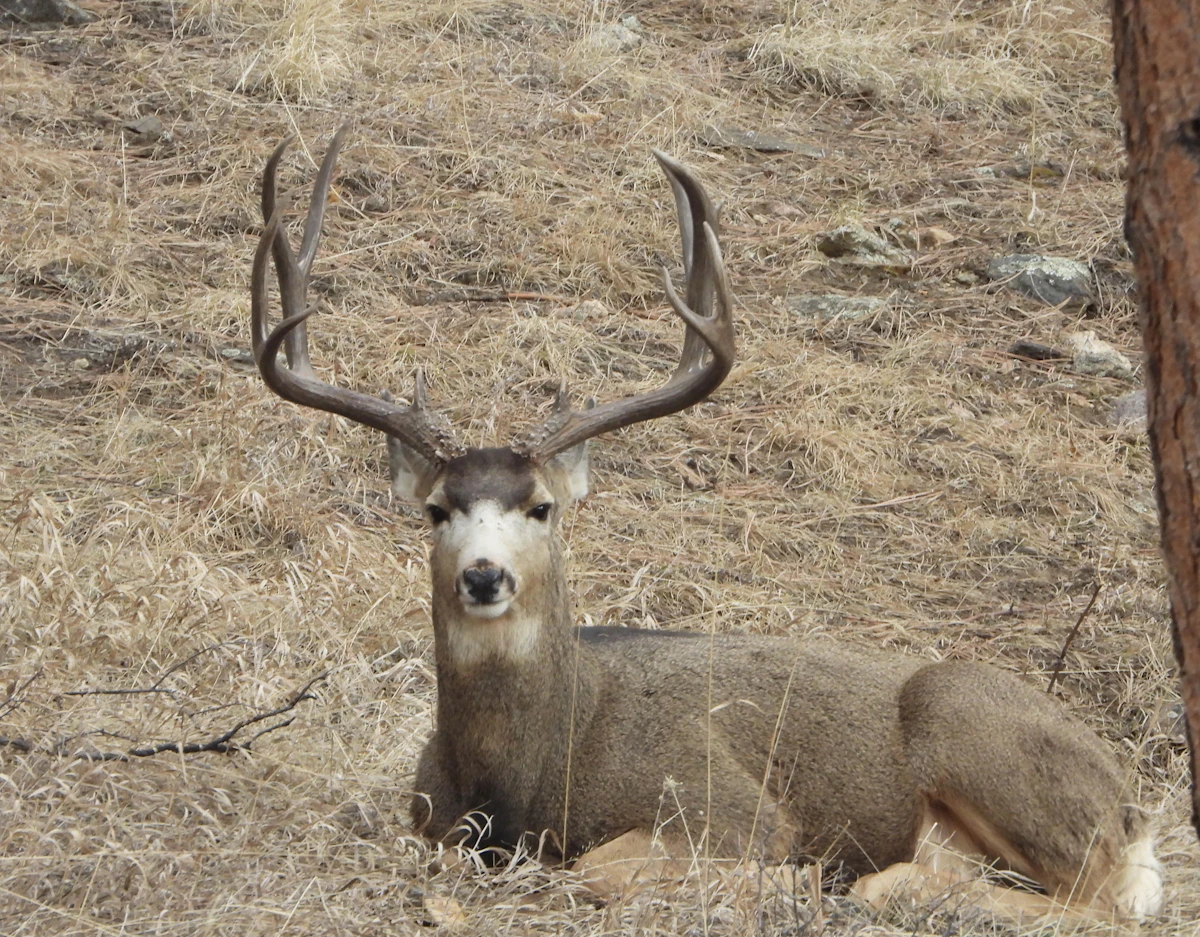
Nevada uses a random drawing with squared bonus points to allocate nonresident mule deer tags. Unlike a pure preference-point system, Nevada allows first-time applicants to compete for permits. Important information for 2027 includes: Drawing system: Squared bonus-point random draw. Zero-point eligibility: Hunters can draw with zero bonus points. Bonus points: Increase drawing entries but do not guarantee a tag. Application choices: Hunters can list up to five hunt choices. Main application period: Typically runs from March into May. 2027 main draw deadline: Not yet confirmed. Guided nonresident mule deer draw: Separate application process, generally held earlier in the year. Second draw: Typically occurs in June. Remaining tags: May become available through Nevada's First-Come, First-Served program. Nonresident quotas: Limited and vary by hunt. Draw odds: Depend on unit group, weapon, season, bonus points, and applicant demand. 2027 hunt quotas: Must be verified when Nevada publishes its final allocations. Nevada's official Bonus Point Data provides historical applicant and drawing information for individual mule deer hunts.
Related
Oregon Elk Draw Odds With Zero Points 2027: Best Hunts, Random Draw & Nonresident Strategy
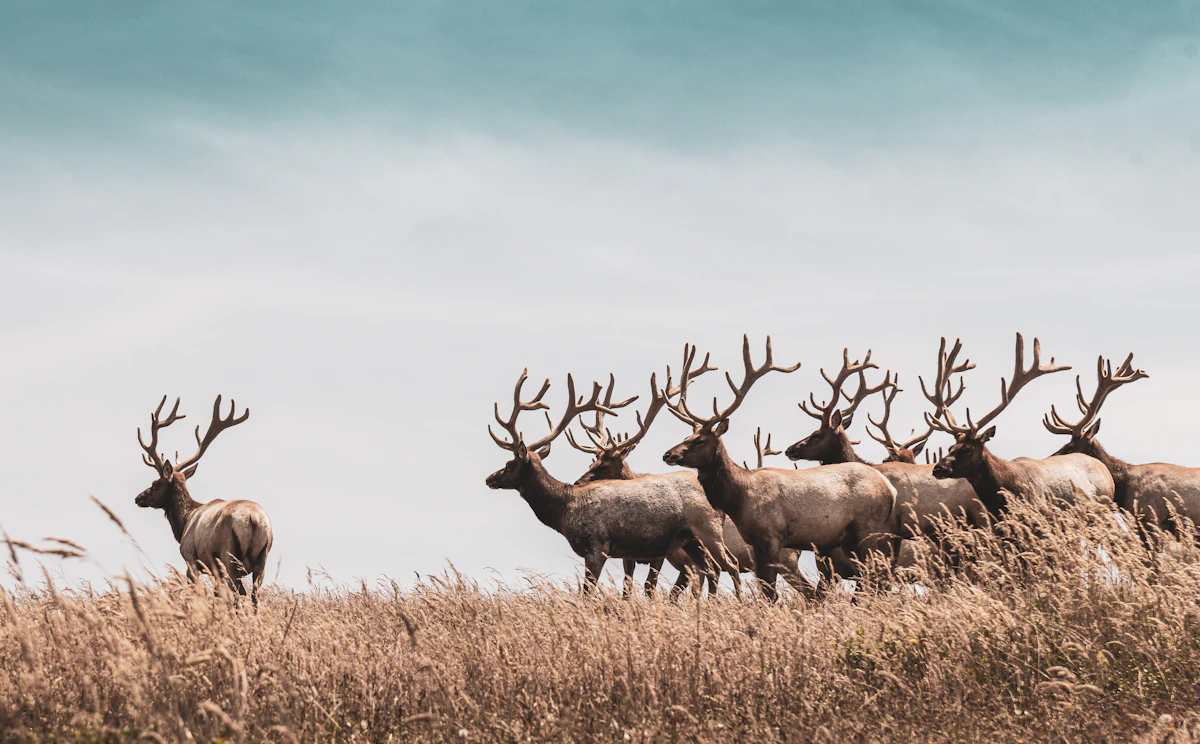
Yes, hunters can draw Oregon controlled elk tags with zero preference points in 2027. Oregon's modified preference-point system provides a random drawing opportunity for eligible first-choice applicants who do not receive a tag through the preference-point phase. Key facts include: Preference-point allocation: Approximately 75% of controlled elk tags are awarded through the preference-point phase. Random allocation: The remaining approximately 25% are awarded randomly among remaining eligible first-choice applicants. Zero-point eligibility: Hunters with zero points can participate in the random phase. Application deadline: Oregon's standard controlled big-game application deadline is May 15. Drawing results: Typically available by June 12. Hunt series: Controlled elk hunts are part of Oregon's 200-series applications. Application choices: Hunters can list up to five hunt choices per series. Nonresident opportunity: Nonresidents can apply, but nonresident tag limits can significantly affect their odds. Preference-point accumulation: An unsuccessful first-choice applicant generally receives a preference point. General elk hunting: Oregon also offers general-season elk opportunities that do not require drawing a controlled-hunt tag. The most important strategy is to compare individual hunt numbers, nonresident applicant demand, and available permits before submitting an application. Official drawing information is available through the Oregon Department of Fish and Wildlife.
Next
Oregon Guided Elk Hunts 2027: Tags, Draw Odds, Outfitters & Costs
Oregon offers guided elk hunting opportunities for both Roosevelt elk and Rocky Mountain elk during the 2027 hunting season. Key information includes: Elk subspecies: Roosevelt elk in western Oregon and Rocky Mountain elk primarily in eastern Oregon. Guided hunt prices: Published packages commonly range from approximately $6,950 to $15,500 or more per hunter. General-season opportunities: Some Oregon elk hunts do not require preference points or a controlled-hunt drawing. Controlled hunts: Many desirable rifle and limited-entry hunts require a controlled elk tag. Outfitter tags: Qualifying Oregon guides and outfitters may obtain designated nonresident tags through a separate allocation program. Preference points: Oregon uses a modified preference-point system for regular controlled elk hunts. Random drawing: Approximately 25% of applicable controlled elk tags are awarded through a random drawing. Nonresident restrictions: Controlled elk permits are generally subject to nonresident allocation limits. Application deadline: May 15, 2027, under Oregon's standard controlled-hunt application schedule. 2027 regulations: Adopted by the Oregon Fish and Wildlife Commission in September 2026. Hunters should verify whether their outfitter provides a tag, requires a controlled-hunt application, or offers a general-season hunt before paying a deposit.