Why Young Bulls Respond More Aggressively Than Mature Bulls During the Rut
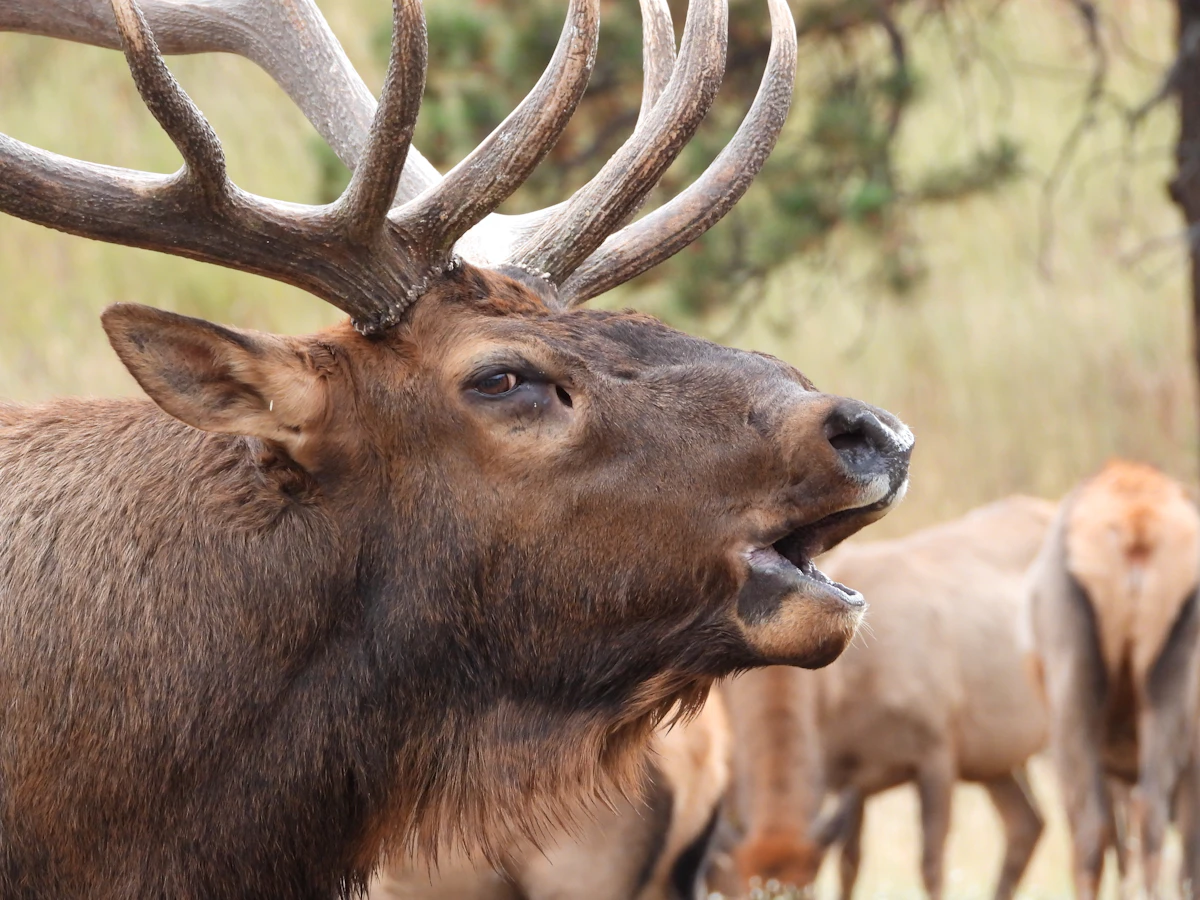
Young bulls respond more aggressively to calling because they have everything to prove and little to lose. Mature bulls, battle-scarred and wary, have survived multiple hunting seasons by doing the opposite. Understanding this behavioral split is the key to filling your tag, whether you are chasing a raghorn or holding out for a 350-inch herd bull.
The Social Hierarchy Driving Elk Behavior
Elk herds operate on a strict dominance ladder. Mature bulls, typically six years and older, sit at the top. They have earned breeding rights through years of combat, and they know it. These bulls spend the rut conserving energy, tending cows, and avoiding unnecessary confrontation.
Young bulls, usually two to four years old, occupy the bottom rungs. They are sexually mature but socially outranked. The rut is their only window to test the hierarchy, steal a cow, or challenge a distracted herd bull. When they hear a bugle, their instinct screams opportunity. They have not yet learned that opportunity often comes with a broadhead attached.
This is why satellite bulls circle herds and rush toward any sound that might signal weakness. They are desperate for status. That desperation makes them predictable, and predictability is something hunters can exploit.
Experience Teaches Caution
A bull that survives three or four hunting seasons learns hard lessons. He has heard the off-pitch bugles, smelled the human scent drifting uphill, and watched other bulls walk toward sounds that ended badly. Every close call refines his threat assessment.
Mature bulls become call-shy not because they are smarter in an abstract sense, but because their brains have wired together specific associations. Cow calls from a suspicious direction plus no visible elk equals danger. A challenge bugle that sounds slightly synthetic equals danger. Pressure from multiple hunters over multiple seasons equals danger.
Young bulls have not built that library of negative experiences. A raghorn hearing his first locator bugle does not know to analyze it. He reacts on instinct, and instinct says fight or investigate. This is why first-year hunters often kill young bulls easily and then struggle for years to close the deal on a mature animal.
Testosterone, Risk, and Reproductive Strategy
Biology also plays a role beyond learned behavior. Young bulls run hotter hormonally during the rut relative to their social status. They have the drive to breed but lack the harem to satisfy it. This mismatch creates frustration that manifests as reckless aggression.
Mature herd bulls, by contrast, are already breeding. Their testosterone is elevated, but their immediate goal is retention, not acquisition. Charging across a canyon to fight an unknown rival risks injury and abandonment of cows to the very satellite bulls waiting in the wings. The math does not favor recklessness when you already hold the prize.
This means a herd bull will often let a satellite bull bugle without responding. He is not intimidated; he simply has no incentive to leave his cows. Young bulls read silence as weakness and push harder, which sometimes works and sometimes gets them killed.
Calling Tactics That Match the Target
If you want to call in young bulls, aggressive sequences work well. Locate with a bugle, follow with excited cow calls, and challenge again. Raghorns often commit within minutes. They are not analyzing your setup; they are reacting to a perceived social opportunity.
Mature bulls require the opposite approach. Less calling, more patience. Subtle cow sounds, long pauses, and positional pressure often outperform loud challenge bugles. You are trying to trigger curiosity or jealousy without setting off alarm bells. Many experienced callers recommend letting a herd bull bugle two or three times for every sound you make.
Another effective tactic for mature bulls is using a younger-sounding bugle to mimic a satellite bull. Herd bulls sometimes tolerate challenge bugles from dominant-sounding rivals but will move to push out a perceived inferior. This is situational and requires reading the specific bull's mood, but it can turn a hung-up six-year-old into a committed charger.
For more on adapting your strategy to different hunting scenarios, see TAGZ Insights for articles on elk unit selection and draw planning.
Pressure Compounds the Problem
Public-land bulls face compounding pressure that accelerates learned wariness. A bull in a heavily hunted Colorado OTC unit might encounter dozens of calling sequences per season. By age five, that bull has likely been called to, bumped, or shot at multiple times. He is not just experienced; he is conditioned.
This is why unit selection matters as much as calling skill. A four-year-old bull in a low-pressure limited-entry unit may behave like a raghorn in a high-pressure general unit. The TAGZ draw odds tool helps hunters identify units where pressure is manageable and bull age class skews older without the extreme wariness found in crowded areas.
Conversely, if you are happy with a younger bull and want high encounter rates, OTC units with good access can deliver exactly that. The trade-off is real, and your goals should drive your application strategy.
Hunting the Exception
Not every mature bull is call-shy, and not every young bull is suicidal. Individual temperament varies. Some old bulls remain aggressive their entire lives because aggression kept them alive in their specific environment. Some young bulls are naturally cautious and survive to become those old bulls.
The lesson is to read each encounter independently. If a big bull is responding eagerly, do not overthink it. If a raghorn is hanging up at 200 yards, do not assume he will commit just because he is young. Adjust in real time based on what the animal is telling you.
This adaptability separates hunters who fill tags from hunters who replay the same failed script every September.
FAQ — Elk Calling and Bull Behavior
Why do young bulls come to calls so easily?
Young bulls lack breeding opportunities and social status, making them eager to investigate any potential challenge or cow. They have not yet learned to associate calling with danger.
At what age do bulls become call-shy?
Most bulls begin showing increased wariness around age four or five, especially in heavily hunted units. Limited-entry bulls with less pressure may remain responsive longer.
Should I use aggressive calling for mature bulls?
Rarely. Mature bulls respond better to subtle cow calls, patience, and positional pressure. Aggressive challenge bugles often push them away rather than pulling them in.
Do herd bulls ever come to a challenge bugle?
Yes, but usually only when they perceive a real threat to their cows or when the caller sounds like an inferior satellite bull they want to run off. It requires reading the situation carefully.
Is it better to hunt pressured units for young bulls or draw for limited-entry mature bulls?
It depends on your goals. OTC units offer high opportunity for raghorns. Limited-entry tags through the draw system provide better odds at mature, less-pressured bulls. Use TAGZ pricing plans to analyze draw odds and build a multi-year strategy.
Can a first-year hunter call in a mature bull?
It happens, but it is uncommon. Mature bulls punish mistakes that young bulls forgive. Most first-year success comes on younger, less experienced animals.
Understanding why young bulls respond differently than mature bulls is not just academic. It shapes your calling sequences, unit selection, and season-long strategy. Build your approach around the animal you want to kill, not the animal you wish was standing in front of you. Start planning your next elk hunt at TAGZ and find the units that match your goals.
Was this article helpful?
Previous
Understanding Elk Vocalizations: A Complete Guide to Bugling, Chirps, and Mews
Elk vocalizations reveal their mood, location, and intentions. Learning to interpret bugles, chirps, barks, and mews helps hunters read the rut, locate bulls, and time their setups for success in September and beyond.
Next
Best States for Hunting Coues Deer: Where to Chase the Grey Ghost
Coues deer hunting demands precision and patience in rugged desert terrain. Arizona and New Mexico offer the best opportunities, with distinct draw systems, habitat, and trophy potential that serious hunters need to understand before applying.