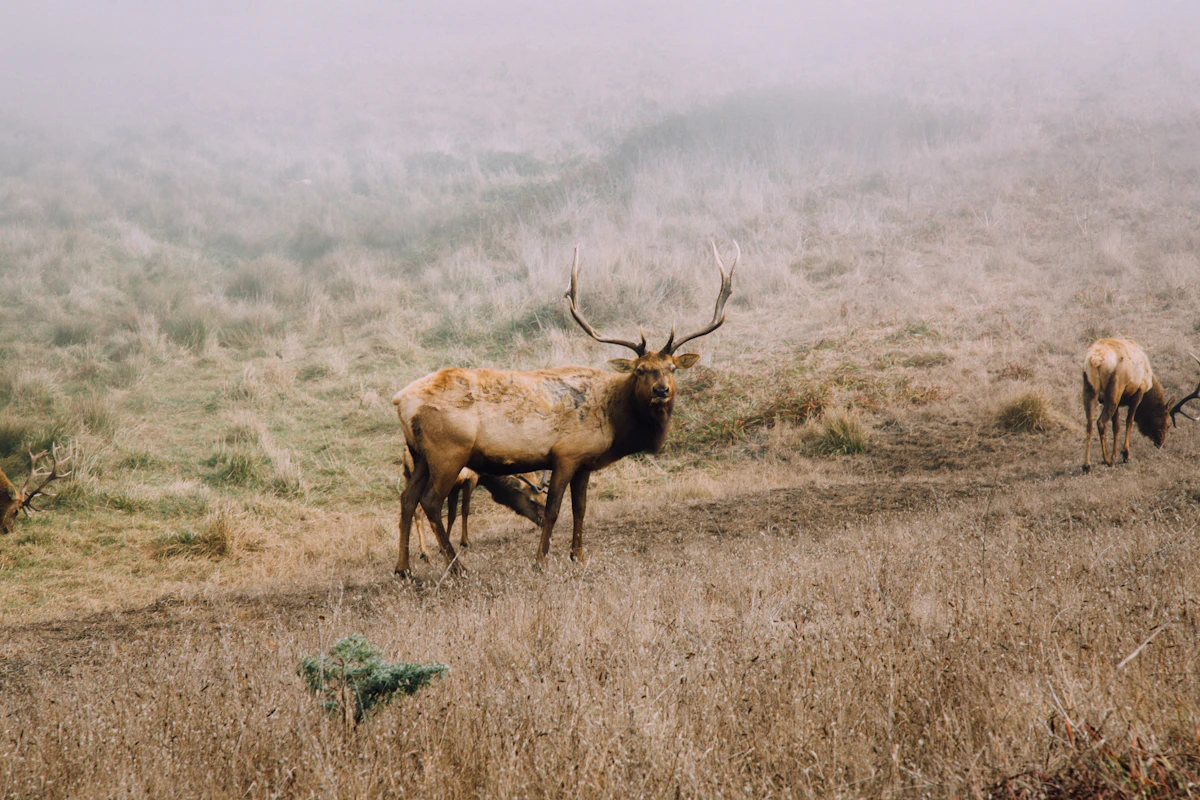
Whitetail Rut Phases Explained — From Pre-Rut to Post-Rut
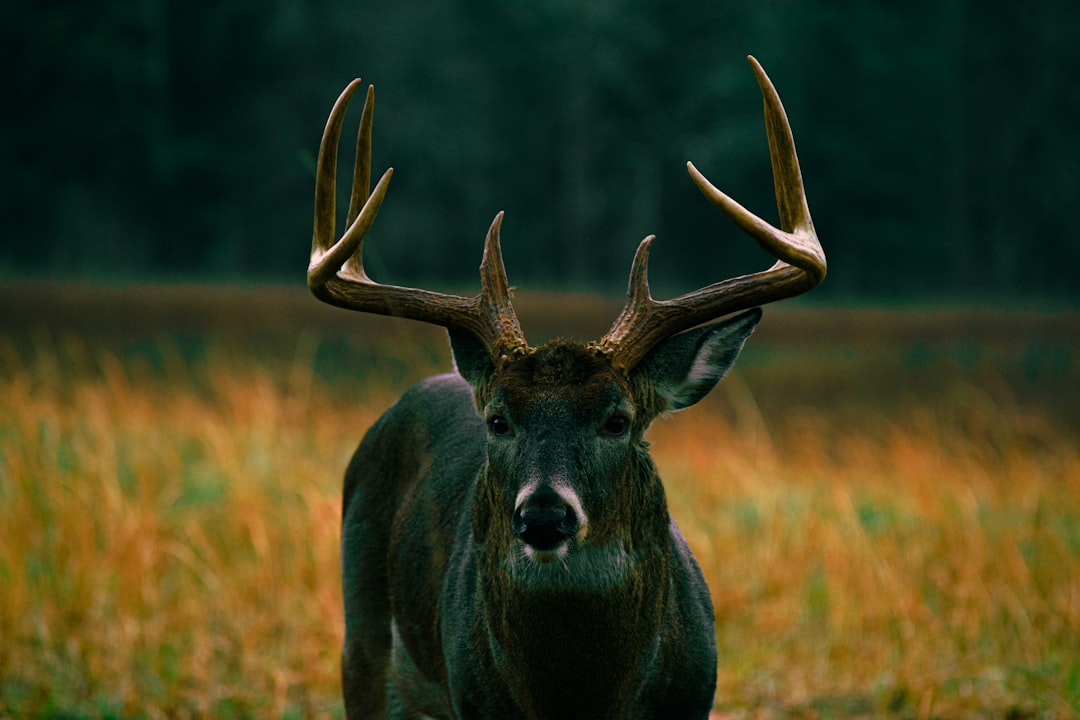
The whitetail rut is the most anticipated period of the deer hunting season, but it is not a single event. It unfolds in distinct phases, each with unique buck behavior, doe activity, and hunting opportunities. Recognizing these stages and adapting your tactics accordingly can mean the difference between punching a tag and going home empty-handed.
Pre-Rut — The Seeking Phase
The pre-rut typically begins in mid to late October and runs into early November across most of the whitetail range. Buck testosterone levels spike, velvet sheds, and scrapes and rubs appear across the landscape. Bucks begin seeking receptive does, traveling more during daylight hours than at any other time outside the peak rut.
This is the phase when hunters see increased deer movement without the chaos of peak breeding. Bucks are actively searching but not yet locked down with does. They cruise known doe bedding areas, check scrape lines, and respond aggressively to rattling and calling. Mature bucks often make mistakes during this window, moving through open terrain during legal shooting hours.
Focus your efforts on travel corridors between bedding and feeding areas, particularly during the last two hours of daylight. Set up near fresh scrapes along field edges or staging areas. Rattling sequences and grunt calls can pull bucks from hundreds of yards away during this phase. Bucks are curious, competitive, and vulnerable.
Peak Rut — The Breeding Phase
Peak rut usually occurs in early to mid-November in most northern and midwestern states, though timing varies by latitude and genetics. Does enter estrous in waves, and bucks focus entirely on breeding. This is the window most hunters envision when they think of the rut — bucks chasing does, all-day movement, and aggressive behavior.
During peak rut, buck activity becomes less predictable. Mature bucks often disappear from their core areas, following estrous does wherever they travel. You might see bucks you have never encountered before cross your property in broad daylight. The tradeoff is that you will also experience periods of complete silence when every buck in the area is locked down with a hot doe.
This is when patience pays off. Bucks move at all hours, so all-day sits become productive. Focus on funnels, pinch points, and doe bedding areas. Bucks are searching for the next receptive doe, often traveling miles in a single day. Calling becomes less effective once a buck commits to a doe, but rattling can still pull in subordinate bucks looking to steal breeding opportunities.
The Lockdown Period
Within the peak rut, there is often a brief lockdown period when most does are bred and bucks pair off with individual does. During lockdown, deer movement can drop dramatically. Bucks are bedded with does in thick cover, and the woods feel dead.
Many hunters mistakenly believe the rut is over during lockdown. It is not. It is simply a lull between estrous waves. The best strategy during lockdown is to hunt tight to known bedding areas or sit all day on major travel routes. Bucks will eventually move to find the next receptive doe, and when they do, they often cover ground quickly.
Post-Rut — The Recovery Phase
The post-rut begins in late November and extends into December. Most does have been bred, buck activity declines, and deer return to more predictable patterns centered around food sources. Bucks have lost significant body weight during the rut and now prioritize feeding to recover condition before winter.
This phase offers a second opportunity for mature bucks. They are no longer chasing does all day, but they are still vulnerable as they feed heavily. Focus on food sources — agricultural fields, late-season food plots, oak ridges holding acorns. Bucks will hit these areas hard during the last hour of daylight.
Calling is largely ineffective during the post-rut, but rattling can still work in areas with high buck-to-doe ratios. The real key is identifying where deer are feeding and intercepting them on the way in or out. Cold fronts during this period can trigger increased daytime movement as deer sense incoming weather and feed heavily ahead of the storm.
Secondary Rut — The Cleanup Breeding
In many regions, a secondary rut occurs roughly 28 days after the peak rut, typically in mid to late December. This happens when does that were not bred during their first estrous cycle or doe fawns reaching breeding age come into heat. The activity is less intense than the peak rut, but mature bucks will still respond to the scent of estrous does.
The secondary rut is often overlooked by hunters who have already tagged out or shifted focus to late-season tactics. If you still have a tag and hunting pressure has dropped off, this can be an excellent time to encounter a mature buck chasing the last receptive does of the season. Look for bucks working scrape lines again and cruising doe bedding areas during midday.
How Moon Phase Affects Rut Timing
There is ongoing debate about whether moon phase influences rut timing. While the peak breeding period is largely dictated by photoperiod — decreasing daylight hours trigger hormonal changes in does — some research suggests the moon phase can influence the intensity of daytime movement during the rut.
Many experienced hunters believe the second full moon after the autumn equinox, often called the rutting moon, coincides with peak chasing activity. Anecdotally, bucks seem to move more during daylight hours in the days leading up to and following this full moon. However, regional genetics, weather, and hunting pressure likely play larger roles in deer behavior than lunar cycles.
Weather and Rut Activity
Weather has a significant impact on rut activity and hunter success. Cold fronts, dropping temperatures, and high barometric pressure can trigger increased movement during daylight hours. Bucks that were previously moving at night will often begin cruising during legal shooting hours when temperatures drop.
Conversely, warm weather during the rut can suppress daytime movement. Bucks still breed, but they do so more at night and during low-light periods. Rain and wind can also reduce deer activity, though a break in the weather following a storm can produce excellent hunting as deer resume movement.
If you are planning a rut hunt, monitor weather forecasts closely. A cold front coinciding with the pre-rut or peak rut can produce some of the best hunting of the year. Plan your vacation days around weather, not arbitrary dates on the calendar.
Adapting Tactics for Each Phase
Successful rut hunters adjust their approach based on the current phase. During the pre-rut, focus on scrape lines and travel corridors. Use calls and rattling aggressively. During peak rut, commit to all-day sits in funnels and doe bedding areas. During lockdown, stay patient and hunt thick cover. During the post-rut, shift to food sources and hunt the last hour of daylight.
Scent control becomes critical during the rut. Bucks are moving through unfamiliar areas and will be on high alert for danger. Use wind direction to your advantage, play thermals correctly, and consider hunting from a elevated position to keep your scent above deer.
Another often-overlooked tactic during the rut is hunting the edges of doe groups. Mature bucks cruise the perimeter of doe bedding areas, checking for estrous does. Setting up 50 to 100 yards downwind of known doe bedding can intercept a cruising buck before he reaches the does.
Regional Variations in Rut Timing
Whitetail rut timing varies significantly by latitude and regional genetics. In the northern Midwest and Northeast, peak rut typically occurs in early to mid-November. In the South, particularly states like Texas, Louisiana, and Florida, the rut can occur as late as December or even January in some areas.
Understanding your local rut timing is essential. State wildlife agencies often publish rut activity data based on fawn drop dates, which occur roughly 200 days after peak breeding. You can also track rut activity through trail camera data, scrape activity, and hunter observation reports.
If you hunt multiple states or travel for whitetail hunts, research the rut timing for each region. A hunt planned for mid-November in Kansas might coincide perfectly with the peak rut, while the same dates in Mississippi could put you well past peak breeding.
TAGZ for Western Big Game, Not Whitetail
While TAGZ is built specifically for western big-game hunters applying for elk, mule deer, pronghorn, and other limited-entry species, the principles of hunt planning and timing apply across hunting disciplines. Understanding seasonal behavior — whether it is the whitetail rut or elk rut — is fundamental to success.
For hunters who chase both whitetails in the Midwest and elk in the West, TAGZ helps you organize your western applications, track preference points, and plan multi-state draw strategies so you can dedicate your fall to the species and season you love most. Whether you are sitting a Kansas scrape line in November or chasing rutting bulls in Colorado in September, timing and preparation win hunts.
FAQ — Whitetail Rut Phases
When does the whitetail rut start?
The pre-rut typically begins in mid to late October, with peak breeding occurring in early to mid-November across most of the whitetail range. Timing varies by latitude and regional genetics.
What is the best phase of the rut to hunt?
The pre-rut seeking phase and early peak rut offer the best combination of buck movement and predictability. Bucks are actively searching for does and make mistakes during daylight hours.
Why do deer disappear during the rut?
During the lockdown period, bucks pair off with individual estrous does and bed in thick cover. Deer movement drops dramatically until does come out of estrous and bucks resume searching.
Does weather affect rut activity?
Yes. Cold fronts, dropping temperatures, and high barometric pressure increase daytime movement. Warm weather during the rut often pushes activity to nighttime hours.
What is the secondary rut?
The secondary rut occurs roughly 28 days after the peak rut when unbred does or doe fawns come into estrous. Activity is less intense but still offers hunting opportunities.
Should I call during the post-rut?
Calling is largely ineffective during the post-rut. Focus on food sources and intercept bucks during the last hour of daylight as they feed to recover body condition.
Continue Planning Your Hunt
Understanding whitetail rut phases sharpens your hunting strategy and helps you time your vacation days for maximum success. For western big-game hunters, the same principles of timing, behavior, and preparation apply to elk, mule deer, and pronghorn hunts.
TAGZ helps you compare western units side by side using terrain maps, unit boundaries, and historical draw data. Track your preference points and bonus points across multiple states so you never miss a draw deadline. Whether you are chasing OTC tags or planning a trophy limited-entry hunt, TAGZ gives you the tools to make smarter decisions before you ever step into the field.
Explore more hunt planning strategies on the TAGZ Insights blog, or learn how TAGZ simplifies western draw applications at getmytagz.com.
Was this article helpful?
Previous
Best Clothing for Whitetail Hunters: Field-Tested Gear That Works
The right clothing system keeps whitetail hunters comfortable, quiet, and concealed from September through December. This guide covers base layers, insulation, outer shells, and scent control across early-season bowhunts and late-season gun hunts.
Next
Best Compound Bows for Elk Hunting in 2025
Choosing the right compound bow for elk hunting requires balancing draw weight, axle-to-axle length, and shootability. This guide breaks down the top performers for backcountry and treestand hunters, plus the specs that matter most when hunting North America's toughest big game.