Best Clothing for Whitetail Hunters: Field-Tested Gear That Works
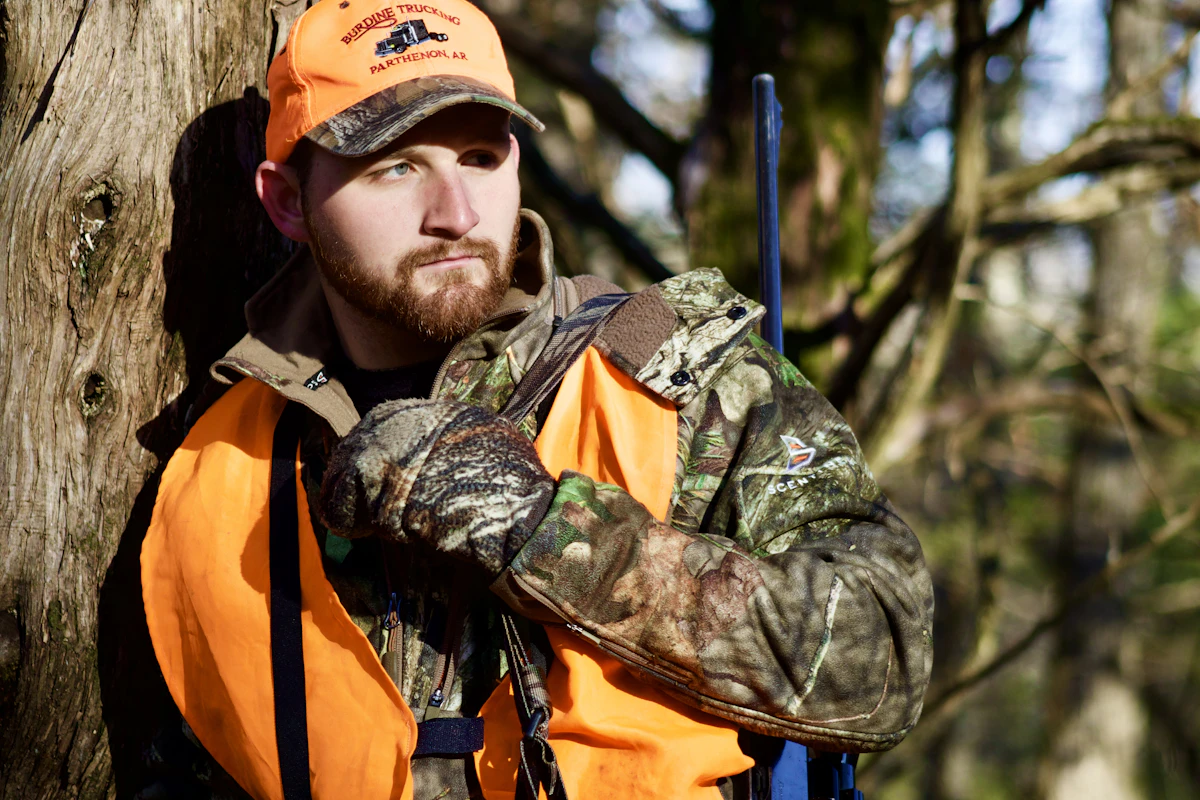
Whitetail hunting demands clothing that performs across wildly different conditions. You might sit motionless in a treestand during a 70-degree September evening, then endure single-digit mornings in late November. The best whitetail clothing systems handle temperature swings, stay quiet during the draw, control scent, and keep you concealed without breaking the bank. Here is what works.
Layering System Basics
Successful whitetail hunters build clothing systems around three core layers: base, insulation, and outer shell. Each layer has a job. Base layers wick moisture away from skin. Insulation traps heat without adding bulk. Outer shells block wind and rain while allowing body moisture to escape. This modular approach lets you add or subtract layers as temperatures drop from early bow season through late muzzleloader hunts.
Merino wool base layers outperform synthetics for all-day sits. Wool regulates temperature naturally, resists odor even after multiple wears, and stays warm when damp. A 150-weight merino top and bottom works for temperatures above 40 degrees. Switch to 250-weight merino when temperatures drop below freezing. Synthetic base layers dry faster but hold odor and feel clammy during long sits.
Early Season Clothing: September Through October
Early season whitetail hunting in warm weather requires lightweight, breathable clothing that controls scent and stays quiet. Temperatures often range from 50 to 80 degrees. You will sweat on the walk in, then cool down quickly once you settle into the stand.
Start with a lightweight merino base layer. Add a thin merino or synthetic mid-layer if temperatures drop below 60 degrees. Your outer layer should be a lightweight, breathable jacket and pant in a camo pattern that matches your hunting area. Look for fabrics treated with antimicrobial finishes to reduce scent. Avoid cotton — it holds moisture and scent.
Sitka Core Lightweight pants and hoody work well for early season. First Lite Wick and Corrugate systems handle warmer weather without excess bulk. For budget options, Wrangler ATG pants paired with merino base layers from brands like Ridge Merino or Minus33 deliver solid performance at half the price of premium systems.
Mid-Season Insulation: November Rut Hunts
November rut hunting spans 30 to 50 degrees in most whitetail regions. Mornings start cold, afternoons warm up, and sitting still for hours tests your layering decisions. This is where insulation layers earn their keep.
A quality insulated jacket makes or breaks mid-season hunts. Look for synthetic insulation like PrimaLoft or natural down in a packable design. Synthetic insulation performs better in wet conditions. Down offers superior warmth-to-weight but loses insulating power when damp. Either works if you layer correctly and stay dry.
Sitka Kelvin Lite and Ambient jackets use synthetic insulation in a compressible package. Kuiu Super Down and First Lite Uncompahgre both use water-resistant down. For pants, insulated bibs keep your core warmer than insulated pants alone. Sitka Fanatic bibs and jacket create a reliable system for all-day sits in freezing temperatures.
Quiet fabric matters during the rut. Bucks move unpredictably, often appearing within bow range with no warning. Stiff, noisy outer layers ruin shot opportunities. Soft-faced fleece or brushed fabrics like Berber fleece stay quieter than nylon shells. Test clothing by rubbing fabric against itself — if it sounds like two pieces of paper scraping together, it is too loud.
Late Season Cold Weather Systems
Late-season gun hunts and post-rut sits demand serious insulation. Temperatures below 20 degrees, wind chill, and hours of sitting motionless require heavy insulation without restricting movement. Late-season clothing weighs more and costs more, but frostbite and hypothermia are real risks when you underdress.
Start with heavyweight merino base layers (250-weight or heavier). Add a mid-weight fleece or synthetic insulation layer. Top with a heavy insulated jacket and bibs designed for extreme cold. Sitka Fanatic system, Kuiu Superdown Ultra, and First Lite Sanctuary system all handle single-digit sits. These systems cost $800 to $1,200 complete, but they work.
Do not skip insulated boots and gloves. Your extremities lose heat fastest. Boots should be rated to at least 1,200 grams of insulation for late season. LaCrosse Alphaburly Pro, Muck Arctic Pro, and Irish Setter Elk Tracker all handle extreme cold. Gloves should include a heavy insulated mitt that fits over a thinner shooting glove. This combo keeps hands warm until the shot, then lets you draw and release with dexterity.
Rain Gear and Outer Shells
Whitetail season spans October through January in most states. You will encounter rain, sleet, and wet snow. Waterproof outer shells keep you hunting when weather turns. A good rain jacket and pant should pack small, stay quiet, and breathe well enough to prevent internal condensation during long walks.
Gore-Tex remains the gold standard for waterproof-breathable fabrics, but lighter options like eVent, Outdry, and proprietary membranes from Sitka and Kuiu perform nearly as well at lower weights. Look for shells with pit zips, articulated knees, and adjustable cuffs. Avoid bulky rain suits designed for waterfowl hunting — they are too stiff and noisy for treestand hunts.
Sitka Stormfront jacket and pant, Kuiu Yukon, and First Lite Corrugate Guide work for whitetail hunting. For budget options, Frogg Toggs and Huk rain gear keep you dry without the premium price. Test rain gear before the season — seams should be sealed, zippers should close smoothly, and fabric should not crinkle loudly when you move.
Scent Control Strategies
Scent control clothing works, but it is not magic. Activated carbon suits like ScentLok and Scent Blocker reduce human odor, but they cannot overcome poor wind discipline. Use scent control clothing as part of a total system: shower with scent-free soap, wash clothing in scent-free detergent, store hunting clothes in sealed bags, and always hunt with wind in your favor.
Merino wool offers natural scent control without chemical treatments or activated carbon. Wool fibers resist bacteria growth, which reduces odor even after multiple wears. Many serious whitetail hunters have switched entirely to merino base and mid-layers, then add outer shells treated with scent-control technologies.
Ozone generators like the Ozonics unit provide active scent control in the stand. They work, but they are expensive and require batteries. A simpler approach: layer merino wool, wash everything in scent-free detergent, and store hunting clothes away from household odors. This combination handles scent control for most hunting situations.
Camo Patterns and Concealment
Camo pattern matters less than most hunters think, but it still matters. Whitetail deer see blues and greens well but struggle with oranges and reds. They key on movement and silhouette more than specific patterns. Break up your outline with a pattern that matches your hunting area — hardwoods, evergreens, or agricultural edges.
Realtree, Mossy Oak, Sitka Optifade, and Kuiu Vias all work. Choose one pattern family and stick with it so layers match when combined. Mixing camo patterns creates visual clutter that can actually make you more visible. More important than pattern is coverage — face masks or face paint, gloves, and avoiding white or bright-colored accessories all improve concealment.
Budget-Friendly Alternatives
Premium whitetail clothing systems cost $1,000 or more. You can build effective systems for half that cost by mixing budget base layers with mid-tier outer layers. Ridge Merino, Minus33, and Smartwool base layers cost $40 to $70 per piece instead of $100-plus for Sitka or First Lite. Wrangler ATG, Carhartt, and military surplus clothing provides durable outer layers at lower prices.
Invest in quality boots, base layers, and rain gear first. These items have the biggest impact on comfort and safety. Mid-layers and insulation can come from budget brands without sacrificing performance. TAGZ members hunting multiple western states often invest in premium systems for demanding backcountry hunts, then use budget gear for whitetail sits closer to home.
How TAGZ Helps Plan Your Season
Whitetail hunters chasing tags across multiple states need more than good clothing — they need efficient draw strategy. TAGZ helps you track preference points, compare units side by side, and plan applications across every state offering whitetail opportunities. Whether you are building points for Iowa or Montana, or targeting leftover Kansas tags, TAGZ gives you the data to make smarter decisions before draw deadlines close.
The platform shows unit boundaries, terrain maps, and public land access so you can match your clothing system to specific hunt conditions. Planning a late-season prairie hunt in Kansas? You will need different insulation than a November rut hunt in thick Wisconsin hardwoods. TAGZ unit research helps you prepare the right gear for the conditions you will actually face.
FAQ — Whitetail Hunting Clothing
What is the best base layer for whitetail hunting? Merino wool in 150 to 250-weight. It regulates temperature, resists odor naturally, and stays warm when damp better than synthetics.
Do I need insulated bibs or insulated pants? Bibs keep your core warmer and prevent gaps between jacket and pants. They are worth the extra cost for all-day sits below 30 degrees.
How much should I spend on whitetail hunting clothing? A complete system costs $400 to $1,200. Budget $600 minimum for base layers, insulation, rain gear, boots, and gloves that perform reliably.
Does scent control clothing actually work? Yes, but only as part of a complete scent control system. Activated carbon and merino wool reduce odor, but they cannot overcome bad wind or poor hygiene.
What camo pattern works best for whitetail? Any pattern that breaks up your outline and matches your terrain. Realtree, Mossy Oak, and Sitka Optifade all work. Consistent wind discipline matters more than pattern choice.
Can I use the same clothing for early and late season? No. Early season requires lightweight, breathable layers. Late season demands heavy insulation. Build a modular system that adapts by adding or removing layers as temperatures change.
Continue Planning Your Hunt
Gear decisions are just one part of hunt planning. Success requires matching clothing systems to specific units, terrain, and seasons. TAGZ gives you the research tools to compare draw odds, analyze hunt quality, and track application deadlines across every whitetail state. Explore more hunt planning resources on the TAGZ Insights page or create an account to start tracking your points and building your draw strategy at getmytagz.com.
Ready to improve your odds? Check out TAGZ pricing options to see how the platform helps serious hunters make better decisions from application season through the hunt itself.
Was this article helpful?
Previous
Best Compound Bows for Elk Hunting in 2025
Choosing the right compound bow for elk hunting requires balancing draw weight, axle-to-axle length, and shootability. This guide breaks down the top performers for backcountry and treestand hunters, plus the specs that matter most when hunting North America's toughest big game.
Next
Best Crossbow Broadheads for Hunting: Fixed vs. Mechanical
Choosing the right crossbow broadhead can make or break your hunt. We break down the top fixed-blade and mechanical broadheads for deer, elk, and Western big game, plus how to match broadhead type to your crossbow setup.