Best Compound Bows for Elk Hunting in 2025
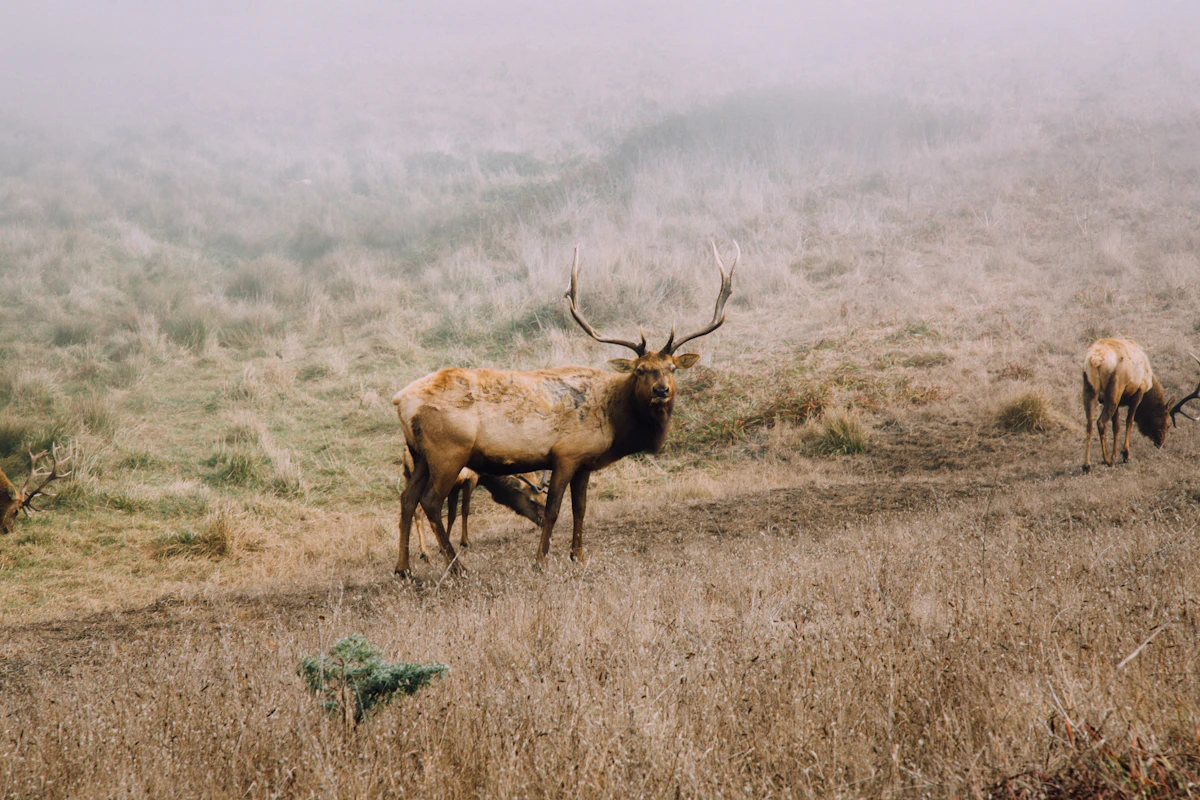
Elk are North America's second-largest big game animal, and they demand equipment that can deliver a lethal, ethical shot under pressure. The right compound bow for elk hunting balances power, accuracy, and portability — whether you are packing into the high country or sitting over a wallow. This guide breaks down the critical specs, compares the top compound bows for 2025, and helps you match your setup to your hunting style.
What Makes a Compound Bow Elk-Ready?
Elk hunting is not whitetail hunting with bigger arrows. You need a bow that can push a heavy arrow through dense muscle and bone at ranges that often stretch beyond 40 yards. The minimum draw weight for elk is generally considered 50 pounds, but most serious elk hunters run 60 to 70 pounds. That extra energy translates to better penetration and a wider margin for error on quartering-away shots.
Axle-to-axle length matters more than most hunters realize. Shorter bows (28 to 32 inches) shine in thick timber and ground blinds, but they are less forgiving on form errors. Longer bows (33 to 36 inches) stabilize faster and forgive minor torque issues — a huge advantage when your heart is pounding and a bull is closing the distance. Most backcountry hunters split the difference with a 31 to 33-inch platform that balances maneuverability and stability.
Brace height is your forgiveness insurance policy. A longer brace height (7 to 7.5 inches) slows the arrow slightly but dramatically reduces the bow's sensitivity to form breakdowns. When you are winded at 10,000 feet and a bull steps into a shooting lane, that extra forgiveness can be the difference between a clean kill and a wounded animal.
Top Compound Bows for Elk Hunting in 2025
The Mathews V3X 33 remains the gold standard for backcountry elk hunters. Its 33-inch axle-to-axle length and 7-inch brace height deliver exceptional stability without sacrificing packability. The Switchweight technology lets you adjust draw weight without a bow press — critical if you are testing your setup at altitude or making mid-season changes. It is not the fastest bow on paper, but it is dead quiet, supremely accurate, and built to handle the abuse of mountain hunting. Expect to pay around $1,200 for the bare bow.
Hoyt's RX-8 Ultra is the choice for hunters who prioritize speed and adjustability. The In-Line system reduces hand shock and improves consistency, while the wide range of draw length and weight options means you can dial in your perfect setup. At 30 inches axle-to-axle, it is nimble enough for tight timber but stable enough for longer shots across canyons. The RX-8 Ultra pushes arrows faster than the Mathews — around 340 fps with a 400-grain arrow — but you will notice slightly more hand shock. Street price is typically $1,100 to $1,300.
Bowtech's SR6 is the sleeper pick for hunters on a budget. It delivers 90 percent of the performance of flagship models at 60 percent of the cost. The DeadLock cam system makes tuning and broadhead flight dialing easier than any bow in its class, and the 6-inch brace height splits the difference between speed and forgiveness. It is not as refined as the Mathews or Hoyt, but it is rock-solid reliable and punches well above its $800 price point.
Elite's Omnia is the ultimate treestand and ground blind bow for elk hunters who post up over wallows or call bulls into close range. The 7.5-inch brace height is the most forgiving in this category, and the smooth draw cycle makes holding at full draw for extended periods manageable. At 35 inches axle-to-axle, it is too long for serious backcountry work, but if you are hunting static setups, the Omnia's accuracy and forgiveness are unmatched. Expect to pay around $1,000.
Prime's Inline 5 brings hybrid cam technology to the elk woods. The patented Inline system eliminates cam lean and produces one of the smoothest draw cycles available. At 32 inches axle-to-axle and 7 inches of brace height, it is a versatile all-arounder that excels in both backcountry and treestand scenarios. The Inline 5 is also one of the quietest bows on this list — a huge advantage when calling bulls into close range. Street price is around $1,100.
Draw Weight and Arrow Setup for Elk
Most western states do not mandate a minimum draw weight for archery elk hunting, but 50 pounds is widely considered the ethical floor. The reality is that most successful elk hunters run 60 to 70 pounds. That extra energy allows you to push heavier arrows — 450 to 550 grains — which penetrate better and handle wind drift more predictably.
Your arrow setup matters as much as your bow choice. A 500-grain arrow traveling at 270 fps carries more momentum than a 400-grain arrow at 300 fps, and momentum is what punches through elk ribs and reaches vitals on steep-angled shots. Pair your bow with a high FOC (front of center) arrow — 12 to 15 percent — by using a heavier broadhead or adding weight to the insert. This configuration stabilizes the arrow in flight and drives deeper on impact.
Broadhead selection is non-negotiable. Fixed-blade broadheads are the standard for elk — mechanical heads can fail on heavy bone or thick hide. A cut-on-contact design with at least a 1.125-inch cutting diameter ensures maximum tissue damage and blood loss. Test your broadheads at 60 yards before the season. If they do not group with your field points, you have a tuning problem that will cost you an elk.
Bow Specs That Matter Most
Let-off percentage affects your ability to hold at full draw while waiting for the right shot angle. Most modern compound bows offer 75 to 85 percent let-off, meaning you are only holding 10 to 15 pounds at full draw on a 70-pound bow. Higher let-off is easier to hold, but some hunters prefer slightly lower let-off (70 to 75 percent) for a more controlled release and less aggressive valley. Test both options if possible — your preference may surprise you.
Draw length accuracy is critical for consistent shooting. An improperly fitted bow causes form breakdowns, fatigue, and poor arrow flight. Most compound bows offer modular draw length adjustments in half-inch increments, but confirm your actual draw length with a bow shop before ordering. A draw length that is too long forces you to overextend and collapse your back shoulder. A draw length that is too short cramps your form and reduces power transfer.
Mass weight is the forgotten spec. A heavier bow (4 to 4.5 pounds) absorbs more vibration and holds steadier at full draw, but it is a burden on long backcountry hunts. A lighter bow (3.5 to 4 pounds) is easier to carry but harder to stabilize in gusty winds. Most elk hunters land around 4.2 pounds fully rigged with a sight, rest, quiver, and stabilizer.
Accessories That Complete the Setup
Your sight choice depends on your hunting style. A fixed-pin sight with 3 to 5 pins (20, 30, 40, 50, 60 yards) is bombproof and works in any lighting condition. A single-pin slider sight offers unlimited yardage adjustments but requires more time to dial in and can fail in freezing conditions. Most backcountry hunters run fixed pins for speed and reliability. Brands like Black Gold, Spot Hogg, and Trophy Ridge dominate the market.
A quality arrow rest is non-negotiable for elk hunting. A drop-away rest keeps the arrow fletching clear of contact during the shot, improving accuracy and reducing noise. The Hamskea Epsilon, QAD Ultrarest, and Ripcord Code Red are the industry standards. Avoid cheap rests that can freeze or fail in wet conditions — a $150 rest is cheap insurance on a $5,000 elk hunt.
Stabilizers reduce bow torque and dampen vibration. A front stabilizer (8 to 12 inches) and a rear-mounted sidebar or V-bar setup provide the most stability, but they add bulk. Many backcountry hunters run a single 8-inch front stabilizer to save weight. Brands like Bee Stinger, Mathews, and Dead Center Archery offer lightweight carbon options that do not sacrifice performance.
Backcountry vs. Treestand Bow Selection
Backcountry elk hunters prioritize packability and durability. A 31 to 33-inch axle-to-axle bow with a 6.5 to 7-inch brace height is the sweet spot. You need a bow that can take a beating in a pack frame, shoot accurately after a 5-mile hike, and handle steep uphill and downhill angles. The Mathews V3X 33, Hoyt RX-8 Ultra, and Prime Inline 5 are the top choices for mountain hunters who cover serious ground.
Treestand and ground blind hunters can afford to prioritize forgiveness and accuracy over weight. A longer axle-to-axle bow (33 to 35 inches) with a 7 to 7.5-inch brace height will hold steadier and forgive form errors when a bull walks into range. The Elite Omnia and Mathews Phase4 are excellent choices for hunters who post up over water sources, wallows, or travel corridors. The extra length is irrelevant when you are not hiking, and the added stability makes longer shots more manageable.
Budget Considerations and Where to Save
You do not need a $1,500 flagship bow to kill elk. The Bowtech SR6, Bear Status EKO, and PSE EVO NTN deliver 90 percent of the performance at half the cost. The key is pairing a solid mid-tier bow with quality accessories. A $800 bow with a $150 sight, $150 rest, and properly tuned arrows will outperform a $1,200 bow with budget accessories.
Where you should NOT save: arrows, broadheads, and a release. Cheap arrows will fail on impact or during practice. Cheap broadheads will not fly true or penetrate reliably. A cheap release will fail when it matters most. Budget $200 for a dozen arrows, $50 for a pack of premium broadheads, and $100 for a thumb or hinge release. These three components directly affect shot execution and lethality.
How TAGZ Helps Elk Hunters Plan Successful Hunts
Choosing the right bow is only part of elk hunting success. You also need to choose the right unit, understand draw odds, and track application deadlines across multiple states. TAGZ helps hunters compare units side by side using terrain maps, unit boundaries, and historical draw data. Track your preference points and bonus points across multiple states so you never miss a draw deadline. Whether you are chasing OTC tags in Colorado or planning a trophy limited-entry hunt in Utah, TAGZ gives you the tools to make smarter decisions before you ever step into the field.
TAGZ also provides public land information and terrain breakdowns so you can research units before committing to an application. See elevation changes, road access, and public land boundaries on interactive maps that help you identify glassing points, camp locations, and potential ambush sites. When you combine the right bow with the right unit research, you dramatically increase your odds of punching an elk tag and filling it.
Final Thoughts on Bow Selection
The best compound bow for elk hunting is the one you shoot confidently and consistently. A $1,500 bow that you cannot draw smoothly or hold steady is worthless in the field. Shoot as many bows as possible before buying. Most archery shops have demo programs or rental options that let you test multiple platforms. Pay attention to how the bow feels at full draw, how it settles in your hand, and how it reacts after the shot. Those intangibles matter as much as specs on paper.
Practice is the ultimate equalizer. A hunter with a mid-tier bow and 500 arrows of practice will outshoot a hunter with a flagship bow and 50 arrows of practice every time. Commit to shooting year-round, not just the month before season. Practice shooting uphill, downhill, and from awkward positions. Practice drawing and holding at full draw for 30 seconds. Practice shooting in wind, rain, and cold. When a bull finally steps into range, muscle memory and confidence will carry you through.
FAQ — Best Compound Bows for Elk Hunting
What is the minimum draw weight for elk hunting? Most states do not mandate a minimum, but 50 pounds is the ethical floor. Most successful elk hunters run 60 to 70 pounds for better penetration and kinetic energy.
Is a longer or shorter bow better for elk hunting? It depends on your hunting style. Backcountry hunters benefit from 31 to 33-inch bows for packability. Treestand hunters can use 33 to 35-inch bows for added stability and forgiveness.
How much should I spend on a compound bow for elk? You can kill elk with a $700 to $900 bow if you pair it with quality accessories and practice regularly. Flagship bows ($1,100 to $1,500) offer refinements like reduced vibration, better adjustability, and smoother draw cycles, but they are not required for success.
What arrow weight should I use for elk? 450 to 550 grains is the standard. Heavier arrows penetrate better and handle wind drift more predictably. Pair your arrow with a fixed-blade broadhead and high FOC (12 to 15 percent) for maximum lethality.
Can I hunt elk with a mechanical broadhead? Yes, but fixed-blade broadheads are the safer choice. Mechanical heads can fail on heavy bone or thick hide. A cut-on-contact fixed blade with at least a 1.125-inch cutting diameter ensures better penetration and blood trails.
How important is bow tuning for elk hunting? Critical. An improperly tuned bow will not shoot broadheads accurately, leading to wounded animals. Paper tune your bow, confirm broadheads group with field points at 60 yards, and check your setup before every hunt.
Continue Planning Your Hunt
Ready to turn your bow setup into a filled elk tag? TAGZ helps you research units, compare draw odds, and track application deadlines across the West. Whether you are planning your first OTC Colorado hunt or building preference points for a trophy unit, TAGZ gives you the data and tools to hunt smarter. Explore the platform at getmytagz.com and see how TAGZ simplifies western big-game hunting.
For more elk hunting insights, strategy breakdowns, and gear recommendations, visit the TAGZ Insights blog. Learn how successful hunters choose units, maximize draw odds, and plan hunts that produce results. Check out TAGZ pricing to find the plan that fits your hunting goals, or dive into the TAGZ product to see how the platform helps hunters make confident decisions from application season through the moment you release an arrow.
Was this article helpful?
Previous
Best Clothing for Whitetail Hunters: Field-Tested Gear That Works
The right clothing system keeps whitetail hunters comfortable, quiet, and concealed from September through December. This guide covers base layers, insulation, outer shells, and scent control across early-season bowhunts and late-season gun hunts.
Next
Best Crossbow Broadheads for Hunting: Fixed vs. Mechanical
Choosing the right crossbow broadhead can make or break your hunt. We break down the top fixed-blade and mechanical broadheads for deer, elk, and Western big game, plus how to match broadhead type to your crossbow setup.