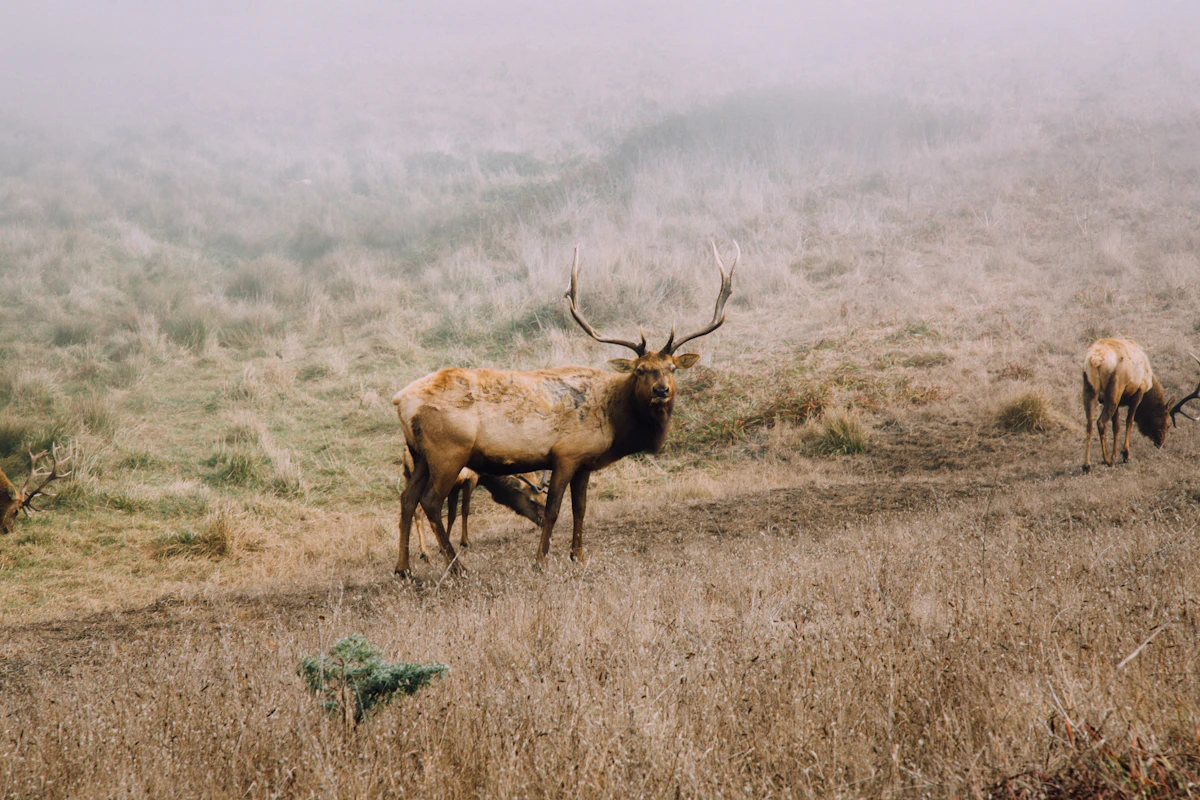
Whitetail Deer Food Sources Throughout the Season — What They Eat and When
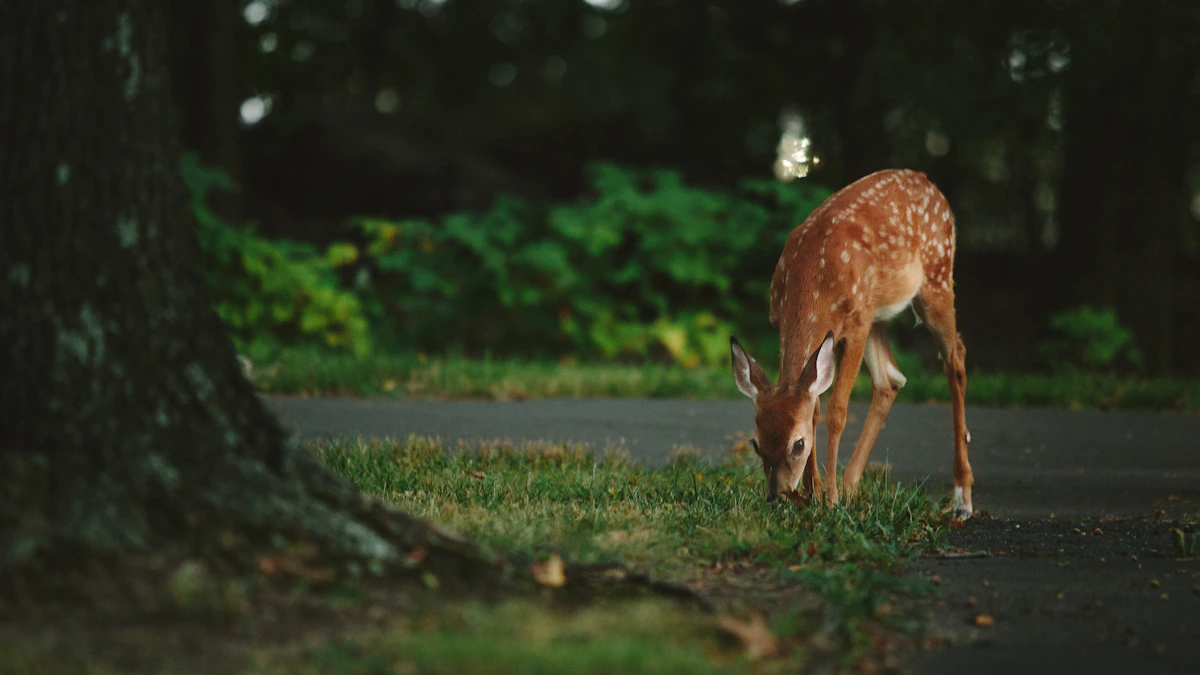
Whitetail deer are adaptable feeders that shift their diet constantly based on seasonal availability and nutritional demands. During spring and summer, deer prioritize high-protein forbs and new vegetation to rebuild body mass and support antler growth. As fall approaches, deer transition to high-carbohydrate foods like acorns and agricultural crops to build fat reserves before winter. In the coldest months, deer switch to browse like woody stems and evergreen foliage when preferred foods disappear under snow. Recognizing these patterns helps hunters identify feeding areas, predict deer movement, and position themselves along travel corridors between bedding and food sources.
Spring Food Sources — Protein for Recovery and Growth
Spring marks the beginning of the whitetail feeding cycle. Does recovering from winter stress and bucks beginning antler growth need high-protein forage to rebuild muscle and bone. Deer target tender new growth that emerges as temperatures warm.
Clover, alfalfa, and winter wheat are top choices in agricultural areas. Deer hit these fields hard from late March through May, feeding heavily during morning and evening hours. In wooded areas, deer consume emerging forbs like trillium, wild strawberry, and dandelion. These plants are packed with protein and easy to digest. Deer also browse new leaves on maple, oak, and ash trees before the canopy fully develops.
Hunters scouting in spring should focus on identifying high-protein food plots, agricultural fields with early growth, and forest edges where diverse forbs emerge. These areas will continue to attract deer into early summer and provide clues about core feeding zones during the upcoming season.
Summer Food Sources — Building Muscle and Antler Mass
Summer is the peak growth period for whitetail deer. Bucks are in full velvet, adding antler mass daily, while does nurse fawns and prepare for the fall breeding season. Deer seek out the highest-quality forage available, often feeding multiple times throughout the day.
Agricultural crops dominate summer feeding patterns. Soybeans are a top choice, offering both high protein and palatability. Deer also target corn in the milk stage, alfalfa, and clover. In areas without agriculture, deer feed heavily on forbs like ragweed, pokeweed, and wild clover. Oak trees in mast-producing areas begin setting acorns, though deer will not focus on them until fall.
Deer establish predictable feeding patterns during summer, often using the same trails to reach preferred fields and plots. Trail cameras placed along field edges in July and August reveal which bucks are using a property and how they approach food sources. These patterns often hold into early bow season if the food source remains available.
Early Fall Food Sources — The Acorn Shift
Early fall brings a major dietary shift as acorns begin dropping. Whitetail deer prioritize acorns above nearly every other food source when they are available. Acorns are calorie-dense, easy to digest, and critical for building fat reserves before the rut and winter.
White oak acorns drop first, usually in September, and deer hit them immediately. White oak acorns contain less tannin than red oak acorns, making them sweeter and more palatable. Deer will abandon standing soybeans and alfalfa fields to feed under productive white oaks. Red oak acorns drop later, typically in October, and deer shift focus to these once white oak supplies are depleted.
In areas without mast-producing trees, deer continue feeding on soybeans, standing corn, and food plots planted with brassicas or turnips. Apples also become a significant food source where orchards or wild apple trees are present. Deer feed heavily under apple trees during morning and evening hours, creating predictable movement patterns.
Hunters should identify active acorn-producing trees before the season opens. Glassing oak ridges and using trail cameras near fresh acorn drops reveals where deer are feeding. Once acorns hit the ground, deer movement becomes less predictable because food is scattered across the landscape rather than concentrated in a single field.
Peak Rut Food Sources — Reduced Feeding Activity
During the peak rut, mature bucks dramatically reduce feeding activity. Their focus shifts entirely to locating and tending estrous does. Bucks may go days with minimal food intake, relying on stored fat reserves built during early fall.
Does, however, continue feeding throughout the rut. They seek high-energy foods like acorns, standing corn, and food plots with brassicas. Does often feed in the same core areas they used before the rut, and mature bucks cruise these zones searching for receptive does.
Hunters targeting mature bucks during the rut should focus less on food sources and more on doe bedding areas and travel corridors. However, hunting near remaining food sources during the last hour of light can be productive, as does feed predictably and bucks check these areas for breeding opportunities.
Late Season Food Sources — High Calories for Survival
Late season whitetail hunting revolves entirely around food. After the rut, bucks are depleted and does are preparing for winter. Deer need high-calorie food sources to rebuild fat reserves before the coldest months arrive.
Standing corn is the single best late-season food source where available. Corn provides maximum calories and deer feed heavily in cornfields during the final weeks of the season. Soybeans, if still standing, also attract deer, though they offer less caloric value than corn. Food plots planted with brassicas, turnips, and radishes become highly attractive after the first hard frost, as cold temperatures convert starches to sugars and make these plants more palatable.
In areas without agriculture, deer shift to browse. They feed on woody stems, twigs, and evergreen foliage like cedar and hemlock. Honeysuckle remains green and accessible throughout winter in some regions and becomes a primary food source when snow covers the ground.
Late-season deer movement is predictable. Deer bed in thick cover during the day and move to food sources during the last hour of daylight. Hunting the final 200 yards before a food source, especially near a terrain funnel or pinch point, is the most effective late-season strategy.
How TAGZ Helps Hunters Plan Around Food Sources
Understanding whitetail food sources is only part of the equation. Serious hunters also need to know where public land holds the best feeding areas, how terrain influences deer movement to food, and when to hunt specific properties based on seasonal patterns.
TAGZ helps you compare public hunting units side by side using terrain maps, unit boundaries, and vegetation overlays. Whether you are targeting early-season acorn flats, mid-season agricultural edges, or late-season food plots, TAGZ gives you the tools to identify productive areas before you ever step into the field. Track your scouting observations, mark productive food sources on the map, and build a multi-property strategy that adapts as food sources change throughout the season.
FAQ — Whitetail Deer Food Sources
What is the best food source for whitetail deer in early fall? White oak acorns are the top choice when available. Deer abandon other food sources to feed under productive white oaks because the acorns are high in calories and low in tannins.
Do deer eat the same foods throughout the entire hunting season? No. Deer shift from high-protein spring forage to calorie-dense fall foods like acorns and corn, then transition to browse and woody stems in winter when preferred foods are unavailable.
Why do bucks stop feeding during the rut? Mature bucks prioritize breeding over feeding during the rut. They rely on fat reserves built in early fall and may go days with minimal food intake while searching for estrous does.
What is the most consistent late-season food source for whitetail deer? Standing corn. It provides maximum calories and remains accessible even under moderate snow cover. Brassica food plots become highly attractive after a hard frost.
How do whitetail deer find food sources after snow covers the ground? Deer rely on memory and scent to locate food. They return to known feeding areas and use their sense of smell to detect accessible browse, standing crops, and food plots under light snow.
Should I hunt directly over food sources or along travel routes to food? Hunt the final 200 yards before the food source, especially near terrain features that funnel deer movement. Hunting directly over food sources often results in getting winded or spotted by deer approaching from multiple directions.
Was this article helpful?
Previous
Best Clothing for Whitetail Hunters: Field-Tested Gear That Works
The right clothing system keeps whitetail hunters comfortable, quiet, and concealed from September through December. This guide covers base layers, insulation, outer shells, and scent control across early-season bowhunts and late-season gun hunts.
Next
Best Compound Bows for Elk Hunting in 2025
Choosing the right compound bow for elk hunting requires balancing draw weight, axle-to-axle length, and shootability. This guide breaks down the top performers for backcountry and treestand hunters, plus the specs that matter most when hunting North America's toughest big game.