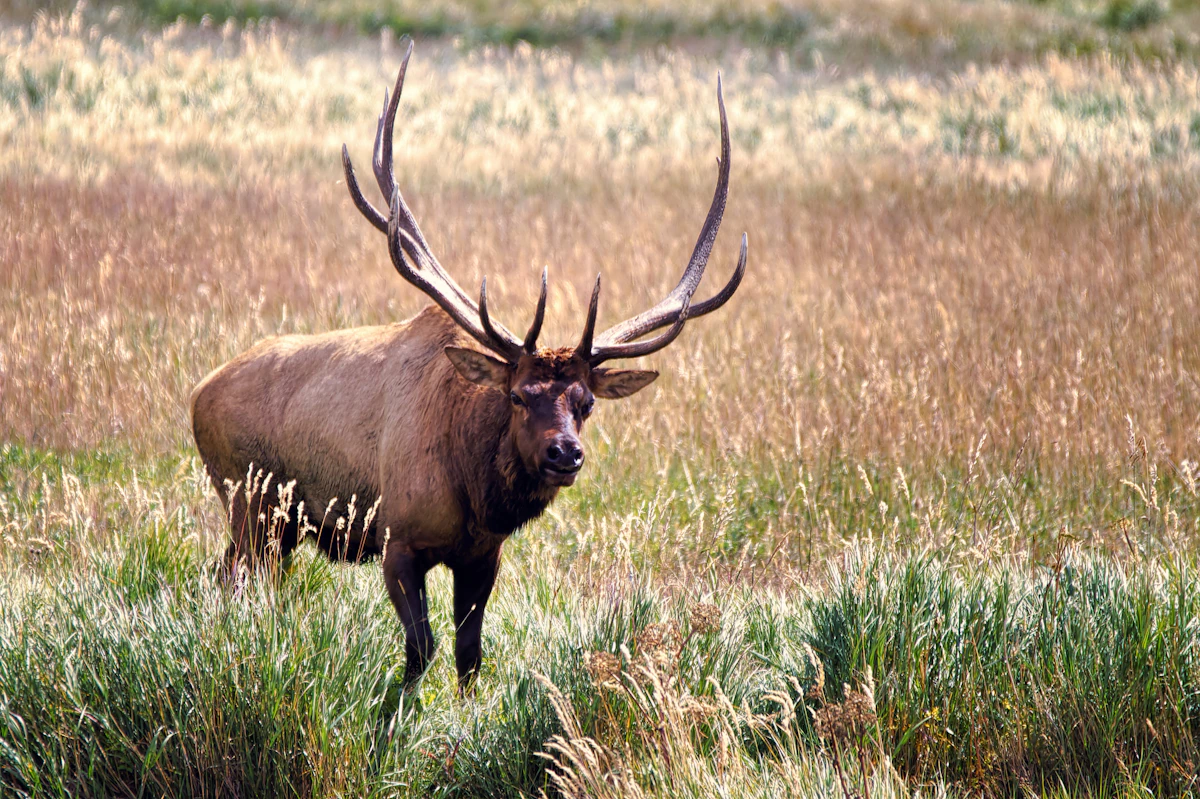
Where Bull Elk Feed During Rifle Season — The Complete Guide
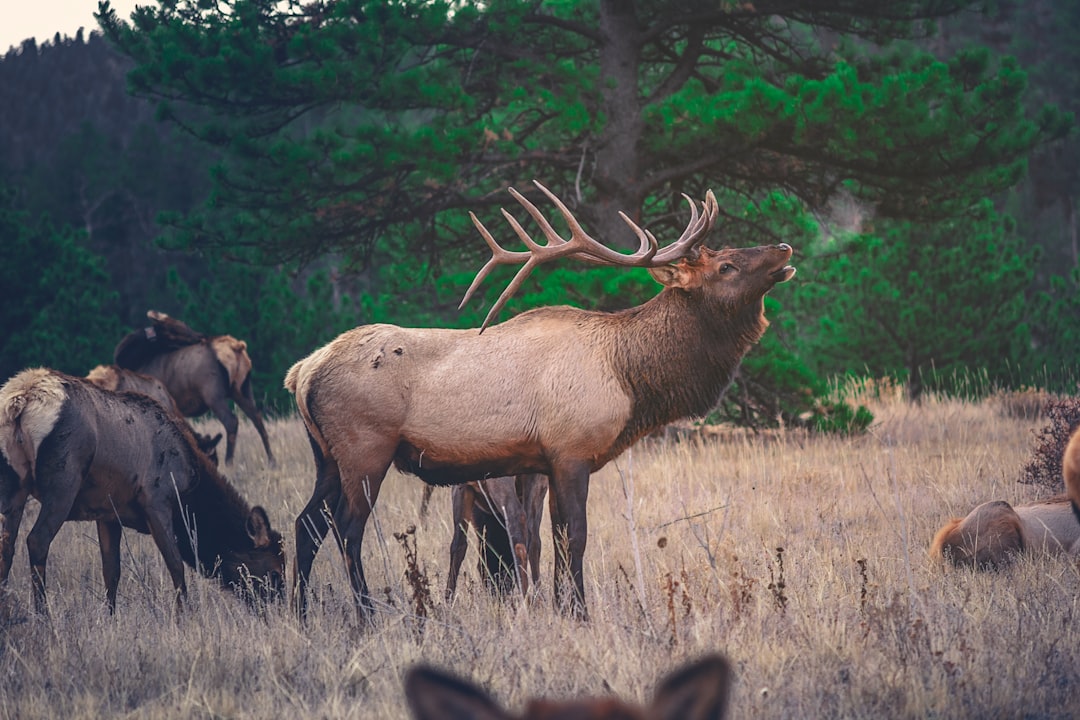
Bull elk change everything once rifle season opens. The relaxed feeding patterns you saw during archery season disappear. Mature bulls know the difference between a bowhunter at 40 yards and a rifle crack echoing across the basin. They adapt by feeding almost exclusively at night and spending daylight hours in the nastiest cover they can find.
Understanding where bull elk feed during rifle season matters because it dictates where you position yourself before first light and where you glass during the final hour of shooting light. Most hunters focus on bedding areas. Smart hunters focus on the routes between bedding and feeding areas, because that's where bulls become vulnerable.
Bull Elk Feed at Night During Rifle Season
Once rifle pressure hits, mature bulls shift to nocturnal feeding. They wait until the last light fades before moving into feeding areas, and they're back in thick cover well before sunrise. This means you will rarely catch a bull actively feeding during legal shooting hours unless you're hunting the first day or two of the season.
The exception is during the rut. Bulls still feeding cows in mid-September or early October may break this rule and feed during daylight, but by the time most rifle seasons open in late October or November, the rut is winding down. Bulls prioritize survival over breeding, and that means feeding when hunters aren't moving.
TAGZ helps you identify units where rifle seasons open earlier in October, giving you a better chance of catching bulls still in rut patterns. Compare season dates across Colorado, Wyoming, and Montana units to find overlap between breeding activity and rifle opportunity.
North-Facing Slopes and Timber Edges
Bull elk prefer north-facing slopes during rifle season because the vegetation stays greener longer and the cover is thicker. South-facing slopes green up first in spring, but by rifle season they're dried out. North slopes hold moisture, which means better feed and denser timber.
Look for north-facing slopes with a mix of aspens, dark timber, and small openings. Bulls will bed high in the timber during the day, then drop downslope to feed along the edge where forest meets meadow. They rarely walk into the middle of a large open park during daylight. Instead, they feed along the fringe where they can disappear into cover with one jump.
Glass these transition zones during the last hour of light. Set up on a ridge where you can see multiple drainages and watch for bulls stepping out of the timber. If you're hunting pressure-heavy units, focus on the nastiest, steepest north slopes where other hunters won't go.
Hidden Meadows and Benches
Bulls avoid large, open feeding areas during rifle season. They prefer small, hidden meadows tucked into the timber that you can't see from roads or popular ridgelines. These feeding zones might only be a quarter-acre, but they offer security because they're surrounded by escape cover.
Look for benches on the side of a mountain. These flat or gently sloping areas often hold pockets of grass and forbs that bulls will feed on at first light. They're close to bedding cover, which means bulls can feed for 20 minutes and disappear without ever exposing themselves in a large opening.
Study your maps before the hunt. TAGZ provides detailed terrain maps and unit boundaries so you can identify benches, saddles, and hidden parks that don't show up on standard road maps. Mark these areas and scout them in person if possible. Fresh sign in a hidden feeding area is worth more than old sign in a giant meadow.
Oak Brush and Scrub Oak Thickets
In states like Colorado, oak brush thickets are absolute bull magnets during rifle season. Elk will feed on the acorns and browse the fresh growth, and the thick brush provides perfect security cover. Bulls can bed and feed in the same drainage without ever showing themselves.
Oak brush is miserable to hunt. It's thick, noisy, and steep. But that's exactly why mature bulls use it. Most hunters avoid it, which means the bulls do too—except in reverse. Focus on the upper edges of oak brush where it transitions into aspens or pines. Bulls will bed in the thick stuff and feed along the edge during low-light hours.
Still-hunting through oak brush at midday can work if you move slowly and stop frequently. Bulls bed in the thickest tangles, and you might walk within 30 yards of a bedded bull without ever seeing him. The key is moving slow enough that you see him before he explodes out of his bed.
Saddles and Migration Routes
Bulls use saddles and low points on ridges to move between feeding and bedding areas. These are natural funnels, and they concentrate elk movement into narrow corridors. If you can identify the saddle a bull uses to access his feeding area, you can set up for an ambush during the first or last 30 minutes of shooting light.
Look for tracks, droppings, and rubs in saddles. Fresh sign tells you bulls are actively using the route. Set up on the downwind side of the saddle with a clear shooting lane. Bulls will often pause in the saddle to scent-check before committing to the crossing, which gives you a standing shot.
TAGZ helps you identify migration corridors and traditional elk movement zones within a unit. Layering harvest data with terrain features shows you where other hunters have been successful, which often correlates with high-use travel routes.
Wallows and Water Sources
Bulls need water, and they'll visit wallows and creeks even during rifle season. But they do it at night or in the middle of the day when they're bedded near a water source. Hunting over water during rifle season is less productive than during archery season, but it's still worth checking.
Look for water sources in thick cover. A spring seep in the middle of a dark timber patch is more likely to produce a midday encounter than a stock pond in an open meadow. Bulls will bed within a hundred yards of water if the cover is right, and they'll drink without leaving the security of the timber.
Fresh tracks in the mud tell you the timing. If you're seeing tracks every morning, bulls are watering at night. If you're seeing midday tracks, bulls are bedded close and drinking during the heat of the day. Adjust your strategy accordingly.
What Sign to Look for in Feeding Areas
Fresh feeding sign is the key to locating active bull elk during rifle season. Look for these indicators:
- Torn-up grass and forbs: Elk rip grass with their teeth rather than biting it clean like deer. Fresh feeding looks messy.
- Fresh droppings: Elk pellets are larger than deer pellets and often clumped together. Fresh droppings are moist and dark.
- Tracks in soft soil: Bull tracks are wider and more rounded than cow tracks. Look for dewclaw marks in soft dirt, which indicate a heavy animal moving fast.
- Rubs on small trees: Bulls rub their antlers on saplings to mark territory and remove velvet. Fresh rubs show white wood and shredded bark.
- Dust bowls and wallows: Bulls will roll in dirt or mud to cool off and coat themselves in scent. Fresh wallows smell musky and show recent disturbance.
If you find multiple signs in one area, you've located an active feeding zone. Set up nearby and hunt the edges during prime time.
How Hunting Pressure Changes Feeding Patterns
Heavy hunting pressure pushes bulls deeper into cover and makes them even more nocturnal. In units with road access and high hunter density, bulls will abandon traditional feeding areas entirely and move to roadless country.
TAGZ provides hunter density data so you can compare pressure levels across units. If you're hunting a high-pressure unit, expect bulls to feed in areas that require a multi-mile hike to access. If you're hunting a low-pressure unit or have private land access, bulls may still use traditional feeding zones during the first week of the season.
The first 48 hours of rifle season are critical. Bulls haven't fully adjusted to pressure yet, and they may still be feeding during shooting light. After that, expect them to go nocturnal unless weather or rut activity forces them to move during the day.
Using Weather to Your Advantage
Storms and cold fronts disrupt feeding patterns. Bulls will feed heavily before a storm and immediately after it passes. If a winter storm rolls through during rifle season, hunt the afternoon after it clears. Bulls will be hungry and more likely to feed during daylight.
Snow also helps you track feeding patterns. Fresh tracks in new snow tell you exactly where bulls are moving. Follow tracks from feeding areas back to bedding cover, then set up for an ambush the next morning or evening.
FAQ — Bull Elk Feeding During Rifle Season
Do bull elk feed during the day in rifle season?
Rarely. Mature bulls shift to nocturnal feeding once rifle pressure begins, feeding primarily from dusk until dawn and bedding in thick cover during daylight hours.
What do bull elk eat during rifle season?
Bull elk feed on grasses, forbs, acorns in oak brush, and browse from shrubs and saplings. They prefer north-facing slopes where vegetation stays greener longer into fall.
Where should I set up to catch a feeding bull elk?
Set up along timber edges, saddles, and benches where bulls transition between bedding and feeding areas. Focus on the first and last 30 minutes of shooting light.
How does hunting pressure affect feeding patterns?
High hunting pressure makes bulls more nocturnal and pushes them into roadless areas. They abandon open feeding zones and use hidden meadows and thick cover instead.
Can I still-hunt feeding areas during midday?
Yes, but focus on thick cover like oak brush or dark timber where bulls may bed close to food. Move slowly and stop frequently to scan ahead.
How does TAGZ help me find feeding areas?
TAGZ provides terrain maps, unit boundaries, and public land overlays so you can identify north-facing slopes, benches, and hidden meadows before your hunt. Compare units by terrain features and hunter density to find less-pressured feeding zones.
Continue Planning Your Hunt
Understanding where bull elk feed during rifle season gives you a massive advantage, but finding the right unit matters just as much. TAGZ helps you compare draw odds, analyze terrain, and track preference points across multiple states so you can plan smarter hunts.
Whether you're chasing OTC tags in Colorado or applying for limited-entry permits in Wyoming, TAGZ gives you the tools to make better decisions. Explore detailed unit maps, compare historical harvest data, and never miss a draw deadline again.
Visit the TAGZ Insights page for more hunt planning articles, or check out TAGZ pricing to see how the platform helps western hunters maximize their draw opportunities and confidently plan rifle hunts from application season through the moment you squeeze the trigger.
Was this article helpful?
Previous
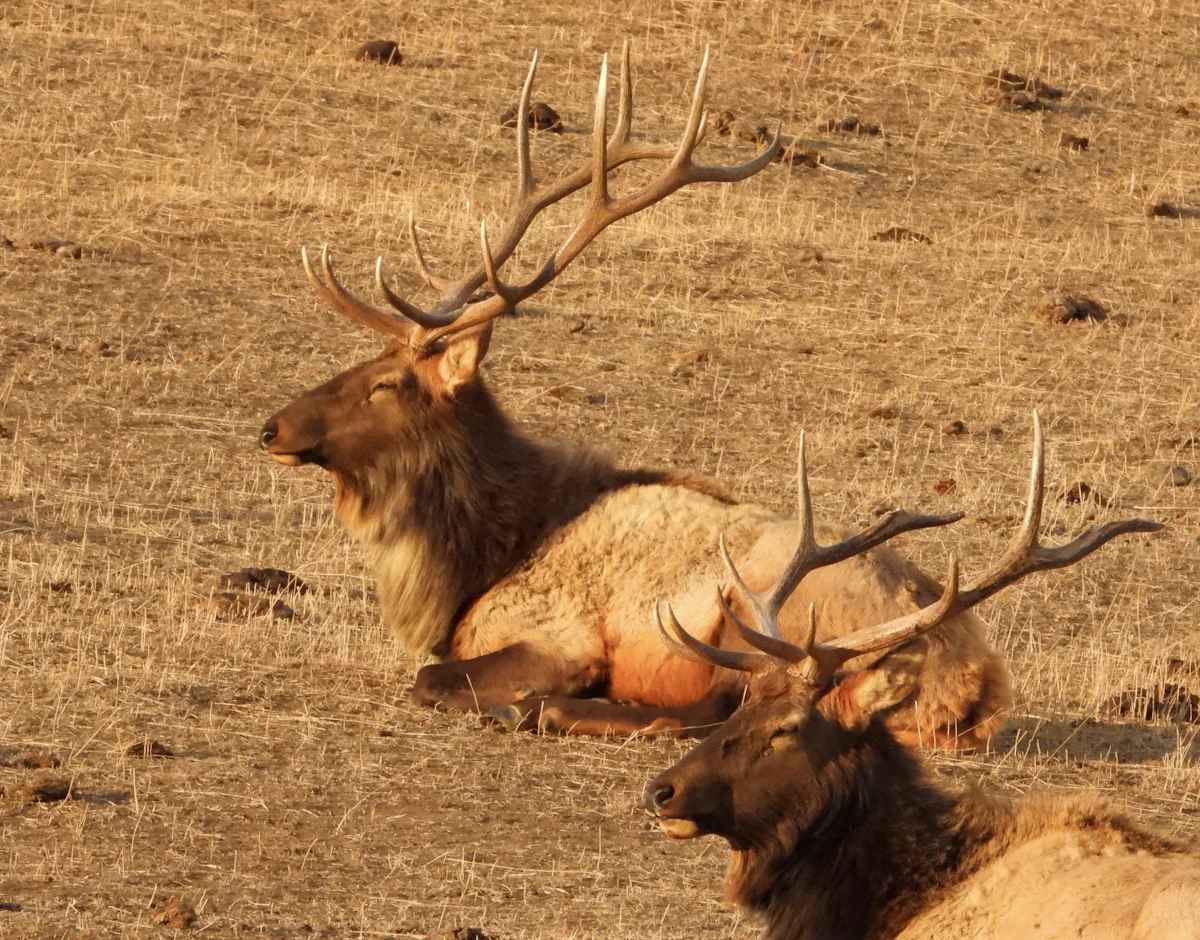
Afternoon Elk Bedding Patterns: Where Bulls and Cows Rest During Midday
Elk retreat to predictable bedding areas during afternoon hours to ruminate and escape midday heat. Understanding these patterns helps hunters position for evening movements and increases success during midday stalks.
Next
Best Draw Weight for Elk Hunting: What You Really Need
Choosing the right draw weight for elk hunting balances arrow energy, accuracy, and shooter comfort. Most adult hunters succeed with 60-70 pounds, but your ideal weight depends on draw length, shooting form, and practice commitment.