When to Call and When to Stay Quiet While Hunting Elk
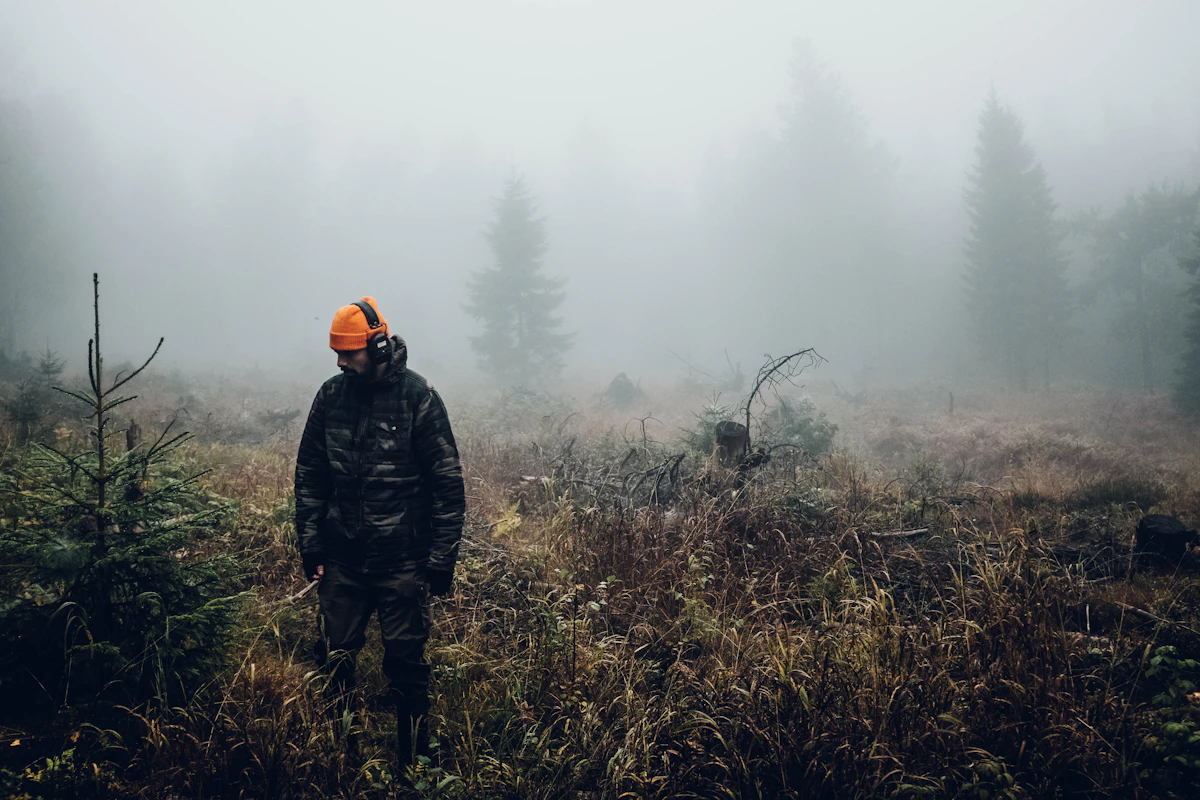
You hear a bull bugle 400 yards up the canyon. Your hands reach for your bugle tube, but should you actually call back? The difference between punching your tag and watching that bull disappear often comes down to one critical decision: knowing when to call and when to keep your mouth shut.
Elk calling is not about making noise. It is about making the right noise at the right time. Call too much and you educate bulls that vanish like ghosts. Stay silent when you should call and you watch opportunities walk away. This guide breaks down exactly when aggressive calling works, when silence is your best strategy, and how to read the situation in real time.
When to Call Aggressively
Certain situations practically demand that you get on a call. During the peak rut, typically mid-September in most western states, bulls are actively seeking cows and responding to challenges. If you locate a bull that bugles without prompting, he is advertising his location and looking for action. This is your green light to engage.
Call aggressively when a bull is moving away from you. A departing elk that hears nothing assumes the area is empty. Hit him with a aggressive bugle sequence or estrous cow calls to stop him in his tracks. Bulls moving away need a reason to turn around, and the promise of a receptive cow or a rival to fight often does the trick.
Multiple bulls in an area create competition that works in your favor. When you hear two or more bulls bugling back and forth, inject yourself into the conversation. Satellite bulls looking to steal cows will investigate calls, and herd bulls defending their harems often cannot resist checking out potential threats. This competitive dynamic turns calling into an effective magnet.
Morning and evening activity periods are prime calling windows. Bulls are already vocal during these times, making your calls blend naturally into the soundscape. The first hour of daylight and the last two hours before dark see the most bugling activity, and bulls expect to hear other elk during these windows.
TAGZ helps you identify units with high bull-to-cow ratios and accessible public land where competitive calling scenarios are more likely. Compare historical harvest data and terrain maps to find areas where aggressive calling strategies produce consistent results.
When Silence is Your Best Strategy
Pressured bulls in heavily hunted areas learn to associate calls with danger. If you are hunting public land near trailheads or during late September when bulls have been called at for weeks, consider going quiet. These educated animals often respond to calls by leaving the county, not closing the distance.
When you have already established visual contact with a bull, stop calling. Your job shifts from attraction to closing distance without spooking him. Bulls that can see you need action, not more noise. Focus on stalking positions, using terrain, and waiting for shooting opportunities.
Calm wind conditions amplify sound and carry your calls farther than you might expect. What seems like a moderate calling session can sound like an elk convention to animals a half mile away. In dead calm air, consider cutting your calling volume and frequency in half. Let the wind work for you instead of broadcasting your position to every elk in the drainage.
Post-rut periods after the peak breeding frenzy require a completely different approach. By early October in most units, bulls are exhausted, cows are bred, and the biological urgency that drives September bugling has evaporated. Bulls still respond occasionally, but aggressive calling sequences that worked three weeks earlier now push them away. Switch to soft cow calls or go completely silent and focus on glassing.
Early mornings when elk are still feeding offer another scenario where silence wins. Bulls moving from feeding areas back to bedding zones are not looking for cows or fights. They are looking for security cover. Intercept their travel routes quietly instead of announcing your presence. Set up in a saddle or pinch point and let them come to you without calling.
Reading Bull Behavior in the Moment
A bull that bugles once then goes silent is testing the area. He wants to know if other elk are present before committing to a direction. Give him a single cow call and wait five minutes. If he bugles again, he is interested. If he stays quiet, he may be sneaking in to investigate. Either way, your next move is patience, not more calling.
Bulls that approach but hang up just out of range are reading the setup. They expect to see the cow they heard or smell what they are walking toward. This is where calling often backfires. Instead of hitting them with more calls, cow or otherwise, focus on repositioning to close the final distance. Move toward their last known position using terrain to stay hidden.
Rapid-fire bugles from a bull indicate high aggression and territorial defense. He is fired up and looking for a fight. Match his energy with aggressive bugles and raking sounds. This is one scenario where more calling creates more opportunity. Push his buttons and make him believe a rival is moving in on his cows.
Soft chuckles and mews without bugles suggest a bull is with cows but not fully committed to defending them yet. These sounds mean he is content but could be pulled away with the right sequence. Try a single estrous cow call followed by silence. Let him wonder if a lone cow just appeared nearby. Often this quiet approach works better than bugling, which might alert the entire herd to danger.
TAGZ provides unit-specific data on hunting pressure, terrain features, and historical elk activity patterns. Use this information to predict whether bulls in your target unit are more likely to respond to aggressive calling or require silent ambush tactics based on hunting pressure and success rates.
Environmental Factors That Dictate Calling Decisions
Temperature affects elk behavior more than most hunters realize. Hot afternoons shut down vocal activity as bulls seek shade and minimize movement. Calling during midday heat waves rarely produces results. Save your energy and calling efforts for cooler mornings and evenings when bulls are naturally more active and responsive.
Wind direction determines whether your calls reach intended targets or drift into empty canyons. Before calling, identify where you want elk to come from and ensure your scent and sound are traveling toward potential bedding areas or feeding zones. Calling into the wind means elk downwind will smell you before they ever hear your setup.
Terrain barriers like ridges and thick timber absorb and deflect sound. What sounds loud in open meadows disappears in dense forest. Adjust your calling volume based on terrain. In heavy timber, call louder and more frequently to penetrate vegetation. In open basins, dial back your volume to avoid sounding unnatural.
Moon phase correlates with elk activity levels during specific times of day. Bright full moons often shift peak elk movement to nighttime hours, making dawn and dusk less productive for calling. During dark moon phases, elk stick to traditional daylight activity patterns. Track moon phases and adjust your calling strategy to match when elk are most active.
Common Calling Mistakes That Push Elk Away
Calling from the same location repeatedly teaches elk exactly where you are and that you are not actually moving. Real elk do not stand in one spot bugling for thirty minutes. If you call more than three times from one position without repositioning at least 50 yards, you are setting up a red flag. Move between calling sequences to simulate a moving elk.
Poor call quality stands out immediately to elk that hear the real thing daily. A bugle that sounds like a dying car horn or cow calls that resemble squeaky toys will not fool animals with thousands of hours listening to actual elk. Invest time practicing your calls until they match real elk vocalizations. Record yourself and compare to actual elk sounds.
Calling without a plan for what happens next leaves you unprepared when a bull responds. Before you touch a call, identify shooting lanes, potential approach routes, and where you want the bull to appear. Know your maximum effective range and have a partner positioned to capitalize on bulls that circle downwind. Calling is the easy part. The setup determines success.
Ignoring what elk are telling you through their responses wastes opportunities. A bull that bugles back immediately wants engagement. A bull that bugles once then disappears is not interested or feels pressured. A bull that moves closer but never vocalizes is sneaking in for a look. Read these signals and adjust your calling or abandon it entirely based on what elk behavior reveals.
Building a Calling Strategy for Different Hunt Phases
Early season scouting hunts in late August and early September require patience. Bulls are just starting to get interested in cows, but the full rut has not ignited. Use soft cow calls to locate animals without alarming them. Aggressive bugling this early often educates bulls before the prime hunting window arrives. Focus on locating bedding areas and feeding patterns while calling minimally.
Peak rut hunts from mid-September through the third week of the month allow aggressive tactics. This is the window where calling mistakes are forgiven because bulls are driven by biology rather than caution. Experiment with different calling sequences, volumes, and approaches. Take notes on what works in your specific unit because these patterns often repeat year after year.
Late season October hunts after most hunters have gone home reward patience and subtle tactics. Bulls are henned up with remaining cow groups or seeking solitude in thick cover. Soft cow calls near known bedding areas work better than bugling. Focus on intercepting feeding routes at dawn and dusk rather than trying to call bulls across the mountain.
TAGZ lets you track preference points and bonus points across multiple states so you can plan hunts during peak rut windows when calling strategies are most effective. Filter units by weapon type and season dates to target September archery hunts where calling opportunities are maximized.
Advanced Calling Sequences for Specific Scenarios
The lost cow sequence works when you need to pull a bull away from his herd. Give a series of anxious cow calls that sound like a cow separated from the group. Space calls 30 seconds apart and gradually increase urgency. This taps into a bull's instinct to keep his harem together and often triggers him to investigate the lost cow.
The challenge sequence escalates confrontation with aggressive bulls. Start with a single bugle, wait for his response, then cut him off with a louder bugle before he finishes. Follow immediately with raking sounds against trees. This simulates a rival bull moving aggressively into his territory. Only use this when you have confirmed a bull is fired up and territorial.
The silent approach after initial contact lets bulls commit without additional pressure. After establishing that a bull is interested through one or two exchanges, go completely quiet and let him search for the source. Set up in a natural ambush point along his likely approach route. Many bulls hang up when they hear continuous calling but commit fully when they have to search for silent elk.
The double bull setup requires a partner and creates a realistic scenario. One hunter bugles from a distance while the other sets up closer with cow calls. This simulates a satellite bull trying to steal cows and often triggers herd bulls to charge in to defend their cows. Position the shooter between the caller and where you expect the bull to come from.
Equipment Considerations for Calling Success
Diaphragm calls offer hands-free operation that lets you hold your bow or rifle while calling. They take practice to master but provide the most realistic cow sounds and allow you to call while at full draw. Carry multiple diaphragms in different tones because individual elk respond differently to higher versus lower pitched calls.
External bugle tubes produce louder, more aggressive sounds that carry farther in open country. They require two hands to operate, which means you need a partner to shoot while you call or must have time to set down the tube before drawing. Choose tubes that allow you to adjust tone and volume for different situations.
Grunt tubes and cow calls should offer variable pitch control. Real elk do not make identical sounds repeatedly. Practice changing pitch, volume, and rhythm within calling sequences to sound like multiple elk or match the mood of the situation. Monotone calling that sounds mechanical pushes educated bulls away.
Electronic calls are legal in some states during rifle seasons and can be effective for locating bulls across large basins. Check regulations carefully because many western states prohibit electronic calls during archery season. Where legal, they provide volume and variety that covers ground quickly when scouting new areas.
FAQ — Elk Calling Strategy
Should I call to elk every time I hear them bugle?
No. Bulls in heavily pressured areas often bugle to locate other elk while avoiding hunters. If a bull bugles once then goes silent, he may be testing for threats. Wait and observe before responding, especially on public land.
How long should I wait between calling sequences?
Wait at least 5 to 10 minutes between sequences in most situations. Constant calling sounds unnatural and educates elk. If a bull responds, let him make the next move instead of immediately calling back.
What if a bull bugles but will not come closer?
Stop calling and reposition toward his last known location. Bulls that respond vocally but refuse to approach are often waiting for the cow to come to them. Close the distance using terrain for cover instead of calling more.
Can calling work after the rut ends in October?
Yes, but switch to soft cow calls instead of aggressive bugles. Post-rut bulls respond to feeding sounds and gentle communication but ignore or avoid challenge bugles. Focus on ambush setups over attraction calling.
How do I know if I am calling too much?
If bulls respond initially then go silent or move away, you are likely overcalling. Real elk do not bugle continuously from one location. If you call more than three times without repositioning, you are probably overdoing it.
Should I call differently on public versus private land?
Yes. Public land bulls hear more calls and learn to avoid them. Use less frequent, more subtle calling on public ground. Private land or limited-pressure areas allow more aggressive tactics because bulls are less educated.
Continue Planning Your Hunt
Mastering when to call and when to stay quiet requires time in the field reading elk behavior in different situations. Every hunt teaches you something new about how bulls respond to pressure, calling, and hunting tactics.
TAGZ helps you compare units side by side using terrain maps, unit boundaries, and historical draw data. Track your preference points and bonus points across multiple states so you never miss a draw deadline. Whether you are chasing OTC tags or planning a trophy limited-entry hunt, TAGZ gives you the tools to make smarter decisions before you ever step into the field.
Explore elk hunting strategies and unit breakdowns at TAGZ Insights. Review draw odds, filter hunts by weapon type and season, and build your application strategy at getmytagz.com. See how TAGZ simplifies western hunting applications and hunt planning at TAGZ Product.
Was this article helpful?
Previous
7 Common Mistakes First-Time Elk Hunters Make (And How to Avoid Them)
Most first-time elk hunters make the same preventable errors that cost them opportunities. Learn the most common mistakes—from conditioning to calling—and how to hunt smarter from day one.
Next
Florida Black Bear Hunting: Complete Beginner's Guide
Florida's black bear season offers a rare opportunity for hunters willing to navigate a complex draw system and densely vegetated terrain. This guide covers everything from eligibility and draw odds to gear selection and field tactics for hunting one of the state's most elusive trophies.