When Not to Bugle: Reading the Rut and Knowing When Silence Wins
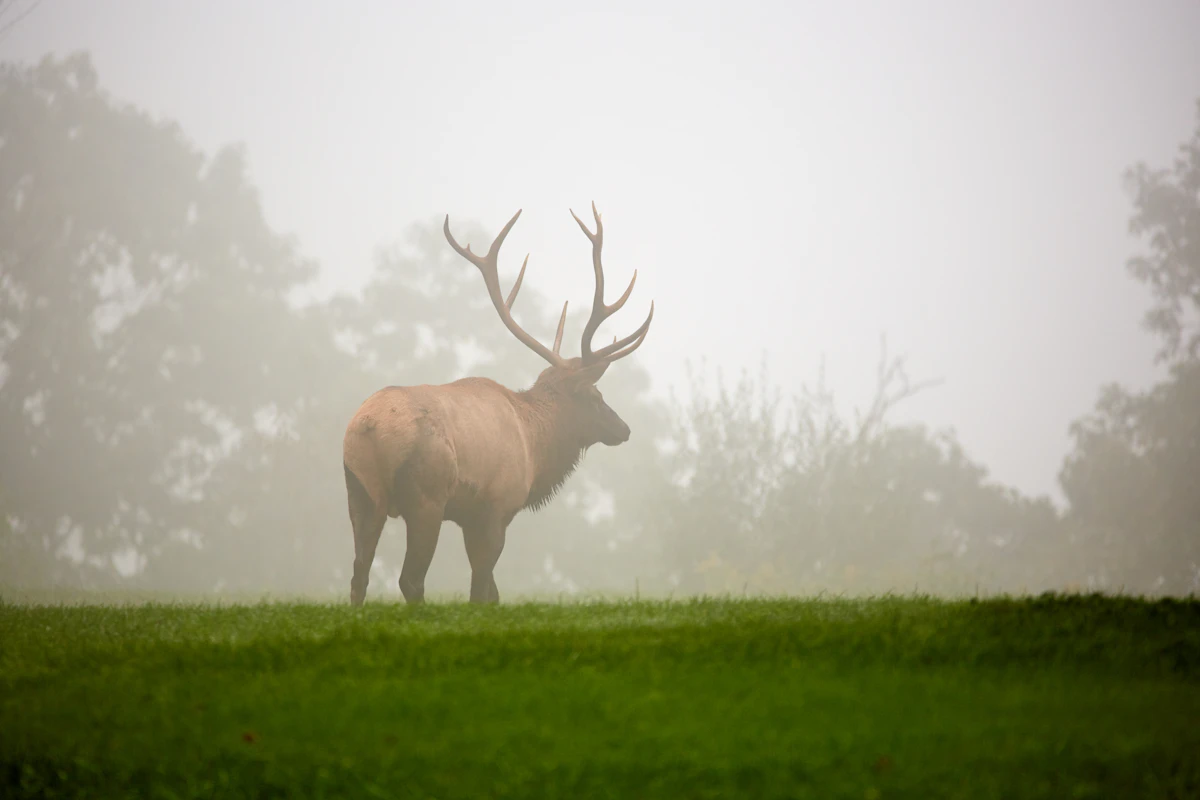
The mountains are alive with bugles, and every instinct screams to answer back. But the hunters who consistently kill mature bulls share a common trait: they know when to shut up.
Bugling is thrilling. It's the reason many of us chase elk in September. But it's also the most overused and misapplied tactic in the elk woods. Understanding when NOT to bugle will make you a more effective hunter than learning another fancy call sequence ever will.
Early Season: Before Bulls Commit to Cows
In the pre-rut and early rut phases, herd bulls are still gathering cows and establishing dominance hierarchies. They're often responsive to bugles — but not always in the way you want.
A bugle from an unknown bull can push a herd bull to move his cows away rather than come investigate. He's not insecure yet. He has cows, and his priority is keeping them, not fighting every challenger that sounds off from the next ridge.
During this phase, cow calls and subtle location bugles work better than aggressive challenge bugles. If you're not getting responses or bulls are moving away after you call, that's your sign to dial it back or go silent entirely.
Pressured Bulls Have Heard It All
Public land bulls, especially in heavily hunted units, have been bugled at since opening day. By the second week of September, they've learned that most bugles come from orange-clad bipeds, not actual rivals.
These bulls often go silent themselves. They'll tend cows without bugling, breed at night, and bed in the thickest hellholes they can find during daylight. Bugling at a pressured bull usually confirms his suspicion that danger is present.
In high-pressure situations, consider these alternatives:
- Cow calls only — A bull that won't respond to a bugle may still come to investigate a cow, especially if he thinks she's wandering from another herd.
- Total silence — Use glassing, sign reading, and woodsmanship to locate bulls without announcing your presence.
- One subtle location bugle at first light — Then shut up and listen. Let him tell you where he is without giving him reason to relocate.
When a Bull Is Already Coming
This might be the most common mistake: a bull commits, starts closing the distance, and the hunter keeps calling. Every additional bugle gives him more information about your exact position and gives him more chances to hang up, circle downwind, or lose interest.
Once a bull is clearly coming, stop calling. Get your bow or rifle ready, control your breathing, and let him come looking for the source of that last sound. If he hangs up at 80 yards and won't commit, one soft cow call might pull him those last few steps. But another bugle rarely helps.
Satellite Bulls and the Wrong Response
Satellite bulls — the younger, subordinate bulls hovering around the edges of a herd — are often eager to respond to calls. But a bugle that attracts a satellite can also alert the herd bull, who may then push his cows in the opposite direction.
If your goal is the herd bull and you start a conversation with a satellite, you've often blown your chance at the bigger animal. Silence lets you observe the herd dynamics and plan a move on the bull you actually want.
Reading Body Language and Timber
Sound travels differently in open parks versus thick timber. A bugle that sounds challenging in a meadow might sound distant and weak in heavy timber, encouraging a bull to come investigate. The reverse is also true.
Watch how bulls react to your calls:
- Ears pinned, head high, coming fast — He's committed. Stop calling.
- Stiff-legged walk, raking trees — He's agitated but unsure. One more call might tip him over, or it might push him away. Read the situation.
- Turns and walks away — He's not interested or he's relocating cows. Calling more won't change his mind.
The Nocturnal Shift and Silent Bulls
As the rut progresses and bulls breed cows, their behavior shifts. A bull that was screaming every 30 seconds in early September may go nearly silent in late September and October. He's tired, he's with cows, and he's not looking for more competition.
Bugling at a silent, late-rut bull often produces nothing. These bulls respond better to ambush tactics near water, wallows, and known travel corridors. Spot-and-stalk hunts using thermals and terrain become more effective than any calling strategy.
When Bugling Works — A Quick Comparison
Bugling remains effective in specific situations:
- Locating bulls at first and last light — A single location bugle can trigger a response without committing you to a calling sequence.
- Stopping a moving bull — A bugle can freeze a bull in his tracks long enough for a shot.
- Aggressive bulls in the peak rut — Some bulls, especially in lightly pressured areas, will charge a bugle. You'll know within seconds if you've found one.
- Breaking a stalemate — If a bull has hung up for 20 minutes and you've tried everything else, an aggressive bugle occasionally triggers a charge.
But even in these situations, discipline matters. One well-timed call beats a constant stream of noise.
The Confidence to Stay Quiet
New elk hunters often feel like they're not doing enough if they're not calling. But the best elk hunters spend far more time listening, glassing, and moving quietly than they do making noise.
Silence is an active tactic, not a passive one. It requires confidence in your woodsmanship and patience when every fiber of your being wants to make something happen.
Trust the process. If you've done your homework on unit selection and draw strategy, you've earned a spot in good elk country. Don't blow it by overcalling.
FAQ — When Not to Bugle
Why do bulls stop responding to bugles mid-season? Hunting pressure teaches bulls that bugles often mean danger. By the second week of most seasons, mature bulls have learned to stay silent or move away from calls rather than investigate.
Should I ever bugle on public land? Yes, but sparingly. A single location bugle at dawn can help you find bulls without over-committing. Avoid extended calling sequences that pinpoint your location and confirm a bull's suspicions.
What's the best call when bulls won't bugle back? Cow calls, especially estrus whines and assembly calls, often work when bugles fail. Bulls that won't respond to a rival may still investigate what sounds like a receptive cow.
How do I know if a bull is committed or hanging up? A committed bull moves steadily toward you, often with visible agitation — pinned ears, raised head, stiff gait. A hung-up bull stops at a certain distance, circles, or moves laterally. Stop calling for committed bulls; try subtle cow calls for hung-up bulls.
Is it ever too late in the season to call elk? Not entirely, but calling effectiveness drops significantly after peak rut. Late-season bulls respond better to ambush tactics near food, water, and travel corridors than to calling.
What's the biggest bugling mistake hunters make? Overcalling. Once a bull responds or commits, continued bugling gives him more information and more chances to hang up, circle downwind, or lose interest. When in doubt, stay quiet.
Building a successful elk season starts long before you set foot in the mountains. Use TAGZ to analyze draw odds, compare units, and put yourself in position to hunt quality country — then let your fieldcraft and discipline close the deal.
Was this article helpful?
Previous
Best Clothing for Whitetail Hunters: Field-Tested Gear That Works
The right clothing system keeps whitetail hunters comfortable, quiet, and concealed from September through December. This guide covers base layers, insulation, outer shells, and scent control across early-season bowhunts and late-season gun hunts.
Next
Trail Camera Placement for Whitetail, Mule Deer, and Elk: A Hunter's Complete Guide
Strategic trail camera placement differs dramatically between whitetail deer, mule deer, and elk due to their contrasting behaviors and terrain preferences. This guide covers field-tested techniques for each species to maximize scouting intel before your hunt.