Utah Guided Mule Deer Hunts 2027: Points, Tags & Costs
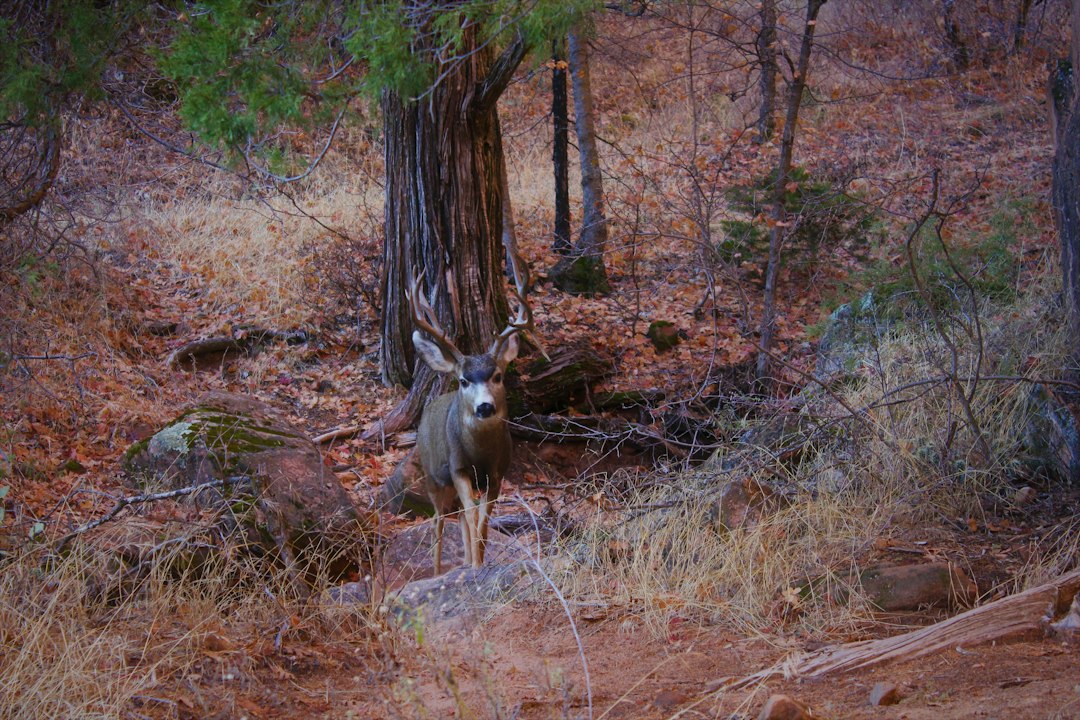
Utah offers some of the West's best mule deer hunting, but accessing premium limited-entry units requires patience and planning. Nonresidents face steep competition for the state's top units, with point requirements often exceeding ten years for rifle hunts in areas like the Paunsaugunt or Henry Mountains. General-season tags remain available over the counter, and conservation permits provide a points-free path to hunt any open unit. Most nonresident hunters booking guided mule deer hunts in Utah will either hunt general season while building points or purchase a conservation tag for immediate access to limited-entry areas.
Utah's Mule Deer Tag Structure
Utah divides mule deer hunting into two main categories: general season and limited entry. General-season tags are available to all hunters who purchase a hunting license and can be used across designated general-season units statewide during the fall archery, muzzleloader, or rifle seasons. These hunts see moderate to heavy pressure depending on the unit, but they provide immediate opportunity without waiting for points.
Limited-entry units are controlled-access areas managed for trophy potential and require drawing a permit through Utah's preference-point system. Tags are allocated by weapon type (archery, muzzleloader, rifle) and further divided by hunt dates. Nonresidents can draw up to 10% of available permits in each limited-entry hunt, though some hunts issue only one or two nonresident tags. The waiting-period rule requires successful limited-entry mule deer applicants to wait two years before applying again for the same species in the limited-entry draw.
Point Requirements for Nonresident Mule Deer Hunters
Utah uses a preference-point system for limited-entry hunts, though it includes a bonus-point component. Up to 50% of tags go to applicants with the most points in a true preference pool. The remaining tags are allocated in a bonus draw, where each point grants one additional entry. New applicants have a statistical chance in the bonus pool, but odds remain extremely low for top-tier hunts.
As of the 2026 drawing statistics, nonresidents needed 19-22 preference points to draw rifle tags on the Paunsaugunt, Henry Mountains, or San Juan units. Mid-tier units such as Cache, Nebo, or Nine Mile required 8-14 points for rifle hunts. Archery and muzzleloader hunts often draw with fewer points, though the gap has narrowed as hunter interest has grown. Muzzleloader hunts on premium units now require 12-16 points for nonresidents, while archery hunts range from 6-12 points depending on unit and season.
Nonresidents must purchase a hunting license to apply for limited-entry hunts and pay a nonrefundable application fee. A preference point costs $10 and can be purchased separately if you choose not to apply in a given year. Points accumulate annually as long as you apply or buy a point, and there is no point cap.
General-Season Options and Hunt Quality
General-season mule deer hunting in Utah occurs primarily in October and early November, with weapon-specific seasons. Archery opens in mid-August and runs through early September. Muzzleloader hunters get a late-September to early-October window. The rifle season typically opens in late October and runs nine days, though some units have shorter or split seasons.
Success rates on general-season hunts vary widely by unit, weapon, and hunter effort. Statewide rifle success hovers around 30-40%, with archery closer to 10-15%. Some general units near major population centers see heavy pressure and lower buck-to-doe ratios, while remote or difficult-access units offer better hunting for those willing to work. Northern regions such as the North Slope, South Slope, and Cache units consistently produce mature bucks for hunters who scout and hunt away from roads.
Many nonresident hunters use general-season hunts as a way to experience Utah while building points for a future limited-entry tag. Guided hunts on general-season tags are widely available and less expensive than conservation-permit hunts, making them a practical entry point for first-time Utah mule deer hunters.
Conservation and Sportsman Permits
Conservation permits and Sportsman permits bypass the preference-point system entirely. These tags are sold through auctions or raffles by conservation organizations, with proceeds funding wildlife projects. A conservation-permit holder can hunt any open unit during any weapon season, including limited-entry areas that would otherwise take decades to draw.
Conservation permits for Utah mule deer typically sell for $20,000 to $60,000 at auction, depending on market demand and the strength of the fundraising event. Sportsman permits are raffled at lower cost, with entry fees around $10 to $20 per ticket, but odds of winning are extremely low. Both tag types allow hunters to book guided hunts on premium units without waiting, and most Utah outfitters can accommodate conservation-permit clients with short notice.
These permits are transferable to any eligible hunter, so buyers do not need to attend the auction themselves. Once purchased, the tag holder receives the same season dates and unit access as a drawn limited-entry hunter, plus the flexibility to choose weapon and timing.


Free to join
Download mobile app
- Detailed draw odds
- Point tracking
- Deadline reminders
- 19 states covered





Free to join
Download mobile app
- Detailed draw odds
- Point tracking
- Deadline reminders
- 19 states covered






Free to join
Download mobile app
- Detailed draw odds
- Point tracking
- Deadline reminders
- 19 states covered

What Guided Mule Deer Hunts Cost in Utah
Guided mule deer hunts in Utah range from $4,000 to $12,000 depending on whether the hunt is general season or limited entry, and whether the client provides their own tag or hunts on a conservation permit. General-season guided hunts typically cost $4,000 to $6,500 for a five- to seven-day hunt. These hunts focus on glassing high country, hiking into remote basins, and locating mature bucks away from road hunters. Success depends heavily on hunter fitness, weather, and how early bucks move to winter range.
Limited-entry guided hunts start around $7,500 for archery or muzzleloader seasons and can reach $12,000 or more for rifle hunts on the Paunsaugunt, Henry Mountains, or Book Cliffs. These hunts assume the client has already drawn the tag through the preference-point system. Outfitters provide camp, meals, transportation, and field care, but the hunter is responsible for the tag, license, and point costs accumulated over years of applying.
Conservation-permit hunts are sold as a package, with the outfitter arranging the tag purchase on behalf of the client. Total costs range from $30,000 to $75,000, including the permit, guide fees, and logistics. These hunts grant access to units and seasons that would otherwise require 15-20 years of point accumulation, making them attractive to hunters who want immediate access to trophy-quality areas.
Application Strategy for Nonresident Hunters
Nonresidents applying for Utah limited-entry mule deer should treat the draw as a long-term investment. Points accumulate slowly, and drawing a top-tier tag is not realistic in the first decade of applying unless hunting with a group or accepting a low-odds bonus draw. The group-application option allows up to four hunters to pool their points and apply together. The system averages the group's total points, which can help a hunter with fewer points draw sooner if paired with high-point applicants, but it also reduces the points available to the higher-point members.
Most nonresident strategies fall into two categories: apply for a mid-tier unit you can draw in 5-10 years, or build maximum points for a once-in-a-lifetime hunt on a premium unit. Hunters focused on mid-tier units should target hunts with 8-12 point requirements and rising point creep. Applying for the same hunt consistently improves your odds as points accumulate. Those building for premium units should buy a point every year and avoid applying for hunts they might accidentally draw in the bonus pool, which would reset their point total and trigger the waiting period.
General-season hunting offers an immediate alternative for hunters unwilling to wait. Tags are guaranteed, costs are lower, and outfitters are available across the state. Success rates are lower than limited entry, but general-season hunts allow nonresidents to hunt Utah annually while points accumulate in the background.
Best Units for Guided Hunts
The Paunsaugunt, Henry Mountains, and San Juan units consistently produce Boone and Crockett-class bucks and attract the most competition. These units manage for low hunter density and high buck age, resulting in some of the largest mule deer harvested annually in North America. Drawing a rifle tag requires 19-22 nonresident points as of recent years, and even muzzleloader or archery hunts demand 10-15 points.
Mid-tier units such as Cache, Nebo, Book Cliffs, and Oak Creek offer excellent hunting with fewer points. These areas produce 170-190-inch bucks regularly and draw with 8-14 points depending on weapon. They see more hunter pressure than the premium units but still provide quality experiences for hunters willing to hike and glass.
For general-season hunts, the North Slope, South Slope, and Wasatch Mountains offer the best combination of access, terrain, and buck quality. Remote units such as West Desert or San Rafael also hold good bucks but require more logistical planning and self-sufficiency.
Weapon Choice and Season Timing
Archery hunts occur during the velvet and early pre-rut period, offering good glassing conditions and bucks still in summer patterns. Success rates are lower than rifle, but the hunt experience is less crowded and bucks are more visible. Archery tags on limited-entry units draw with fewer points than rifle, making them a faster path to access for bowhunters.
Muzzleloader hunts take place in late September and early October, when bucks are transitioning to fall range and beginning to establish rutting behavior. This timing often coincides with good weather and bucks that are still relatively unpressured. Muzzleloader success rates fall between archery and rifle, and point requirements are likewise intermediate.
Rifle hunts occur in late October, during or just after the peak rut depending on weather and elevation. Bucks are active, chasing does, and often less cautious. Rifle hunters have the highest success rates on limited-entry units, but they also face the longest point waits. Many nonresident hunters choose muzzleloader as a compromise, accepting slightly lower success in exchange for cutting years off the waiting period.
FAQ — Utah Guided Mule Deer Hunts
How many points does a nonresident need to draw a Utah mule deer tag?
It depends on the unit and weapon. Premium rifle hunts on the Paunsaugunt or Henry Mountains require 19-22 points, while mid-tier units draw with 8-14 points. Archery and muzzleloader hunts draw with fewer points, typically 6-16 depending on the unit.
Can I hunt Utah mule deer without points?
Yes. General-season tags are available over the counter to any hunter with a valid license. You can also purchase a conservation permit through auction or raffle, which allows access to any open unit without entering the preference-point draw.
What does a guided mule deer hunt in Utah cost?
General-season guided hunts cost $4,000 to $6,500. Limited-entry guided hunts range from $7,500 to $12,000, assuming you provide your own drawn tag. Conservation-permit packages including the tag cost $30,000 to $75,000 depending on the unit and auction price.
Do Utah mule deer points expire?
No. Preference points accumulate indefinitely as long as you apply or purchase a point each year. However, drawing a limited-entry mule deer tag resets your points to zero and triggers a two-year waiting period before you can apply again for limited-entry mule deer.
What are the best general-season units for nonresident mule deer hunters?
North Slope, South Slope, Cache, and Wasatch Mountains consistently produce mature bucks for hunters willing to hike and glass. Remote units such as West Desert and San Rafael offer lower hunter density but require more planning and self-sufficiency.
Is a guided hunt necessary for nonresident mule deer hunters in Utah?
No, but it helps. Utah's general-season units are large and can be hunted DIY with good research and scouting. Limited-entry units are less familiar to nonresidents, and a guide provides knowledge of terrain, access, and buck patterns that improve success on short hunts.
Was this article helpful?
Previous
DIY vs Guided Mule Deer Hunting: How to Choose Your Hunt
Choosing between DIY and guided mule deer hunts comes down to experience level, budget, time availability, and what success means to you—both approaches can produce trophy bucks when matched to the right hunter.
Related
Utah Mule Deer Draw Odds With Zero Points — 2027 First-Timer Strategy
Zero-point applicants can draw quality Utah mule deer tags in 2027, but unit selection is critical. General-season units offer decent odds while premium limited-entry hunts require years of points.
Next
Alaska Elk Tags and Regulations 2027 — Hunt Opportunities on Afognak and Raspberry Islands
Alaska offers limited elk hunting on Afognak and Raspberry Islands through a registration permit system with no draw required. Tags are available to residents and nonresidents, with seasons running September through December depending on area and weapon type.