DIY vs Guided Mule Deer Hunting: How to Choose Your Hunt
The decision between DIY and guided mule deer hunting isn't about which approach is better—it's about which fits your situation. A first-time public-land hunter faces different constraints than a veteran with a decade of Western experience. Budget, available time, physical ability, and your definition of a successful hunt all shape the choice. Both paths can put you on trophy mule deer, but they demand different investments and deliver different experiences.
What DIY Mule Deer Hunting Actually Requires
DIY hunting means you handle every detail: research, scouting, access, logistics, game recovery, and meat care. You're responsible for finding huntable land, identifying bedding areas and travel routes, and adapting when conditions change. This approach works best when you have time to scout before the season, either in person or through digital tools like onX maps and satellite imagery. Physical fitness matters more on DIY hunts because you won't have pack animals or a guide's knowledge of shortcuts. You'll cover more ground looking for deer, and if you're successful miles from the trailhead, the packout is entirely on you.
The learning curve is steep but valuable. You'll make mistakes—glassing the wrong slopes, setting up in poor wind, misjudging terrain—but each failure sharpens your skills. Over multiple seasons, you'll develop the pattern-recognition ability that separates competent hunters from experts. Success rates on DIY hunts vary widely depending on unit quality, hunter experience, and season timing. In heavily pressured OTC units, 10-20% success is common. In limited-entry units with good deer populations, success can climb above 40% for hunters who've done their homework.
Cost is the major advantage. A Colorado OTC archery tag runs around $600 for nonresidents, plus fuel, food, and basic camping gear. Budget $1,200-2,000 for a week-long hunt if you already own rifles, optics, and backpacking equipment. If you're starting from scratch, initial gear investment can reach $3,000-5,000, but those items last for years.
What Guided Hunts Provide (and What They Don't)
Guided mule deer hunts deliver local knowledge, logistical support, and higher baseline success rates—but they don't guarantee results. Outfitters scout year-round, know where big bucks summer and winter, and adjust hunting areas based on current deer movement. You'll hunt private land, leased ranches, or prime public-land zones the outfitter has permission to access. Most guides provide camp, meals, game processing, and meat care, eliminating the need for you to solve those problems in unfamiliar country.
Success rates on quality guided hunts typically range from 50-80% depending on the unit, time of season, and whether you're hunting rifle or archery. Trophy quality varies by outfitter. Some focus on opportunity hunts where any legal buck counts as success. Others cater to trophy hunters willing to pass younger deer and focus exclusively on 180-inch-plus bucks, which lowers success rates but increases average antler size.
The tradeoff is cost and control. Guided mule deer hunts range from $4,000 for basic rifle hunts in average units to $15,000+ for premium private-land trophy hunts during the rut. Mid-tier hunts in good public-land units run $6,000-8,000. You'll follow the outfitter's schedule, hunt the areas they choose, and rely on their judgment about when to shoot. Some hunters find this restrictive; others appreciate the efficiency.
Physical demands are lower but not eliminated. You'll still hike, glass for hours, and handle recoil and elevation. The difference is that guides manage the hardest logistics—packing out a buck from a remote basin, navigating after dark, or finding water sources in dry country.
How Experience Level Should Shape Your Decision
First-time mule deer hunters benefit more from guided hunts than experienced hunters do. Mule deer behavior differs significantly from whitetails—they bed higher, rely on vision over scent, and respond to pressure by moving into steep, broken country rather than going nocturnal. A guide compresses the learning timeline. You'll see where bucks actually bed, how thermals shift between morning and evening, and how deer use terrain features you'd overlook on your own. One guided hunt delivers more field education than three DIY trips spent glassing empty hillsides.
Intermediate hunters with several Western hunts under their belt face the most interesting choice. You understand mule deer habits and can navigate public land competently, but you may lack deep knowledge of specific units. This is where hybrid approaches work well: book a semi-guided drop-camp hunt where the outfitter provides camp, stock support, and general area recommendations but you hunt independently. Costs run $2,500-4,000, splitting the difference between pure DIY and full-service guided hunts.
Veteran DIY hunters rarely benefit from guided hunts unless they're targeting a specific trophy unit they can't draw or access independently. If you've hunted mule deer for a decade, invested in quality optics, and know how to e-scout effectively, paying $8,000 for something you can do yourself makes less sense. The exception is private-land trophy hunts where access matters more than skill—some ranches holding 200-inch deer simply aren't available to the public.
When Budget Isn't the Only Cost
Time availability often matters more than money. DIY hunts demand significant pre-season investment. Plan on 20-40 hours of map study, research, and digital scouting, plus at least one physical scouting trip if you're serious about success. During the hunt, you'll spend full days glassing, often covering 5-10 miles on foot in steep country. If you kill a buck three miles in, expect 6-8 hours of hard packout work.
Guided hunts condense the time requirement. You show up, hunt hard for 5-7 days, and leave. If you're a working professional with limited vacation time, paying $7,000 to maximize a single week makes more sense than burning three weeks across multiple years to develop DIY skills in a new unit.
Physical condition matters differently in each scenario. DIY hunters need sustainable endurance—the ability to hike 8-10 miles daily at altitude for a week straight, carrying 40-60 pounds if you're backcountry hunting. Guided hunters need burst capacity—the ability to make a hard 2-3 mile climb when a guide spots a shooter buck, then handle the adrenaline and exertion of a stalk. Both require fitness, but the specific demands differ.
Free to join
Download mobile app
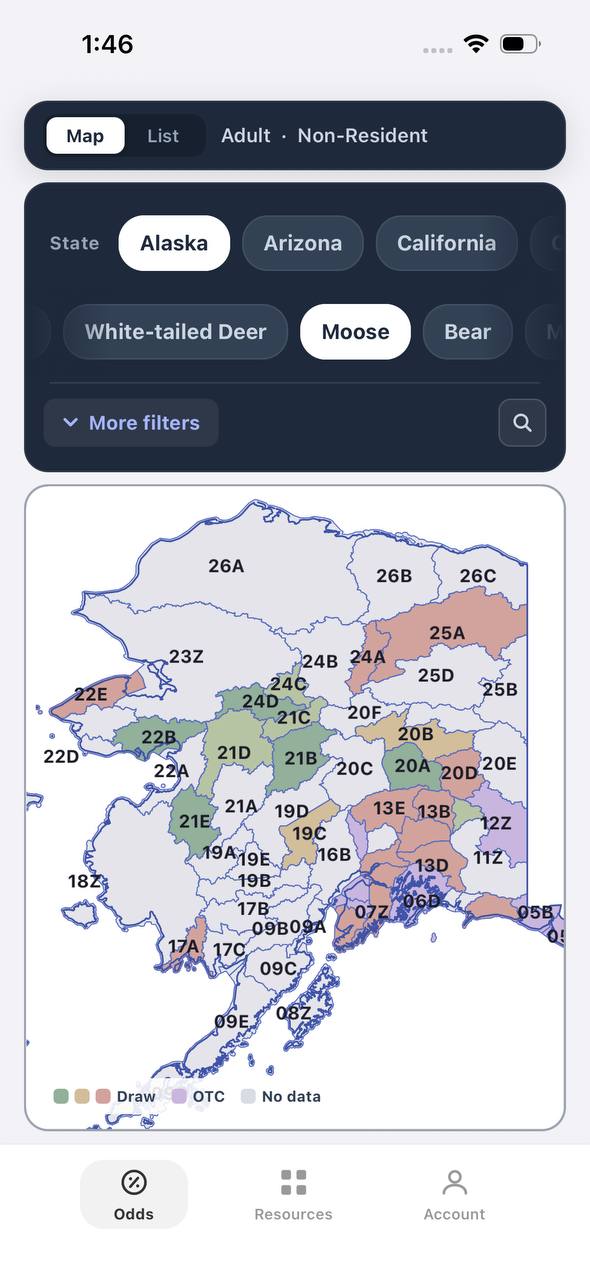
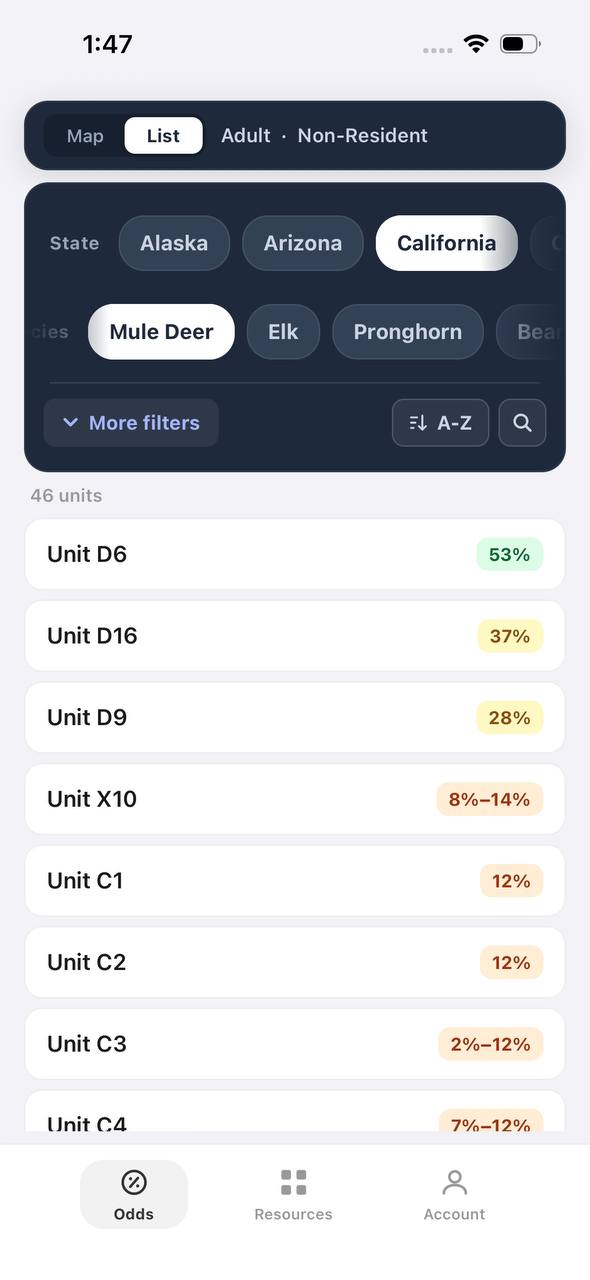
- Detailed draw odds
- Point tracking
- Deadline reminders
- 19 states covered

Free to join
Download mobile app
- Detailed draw odds
- Point tracking
- Deadline reminders
- 19 states covered
Free to join
Download mobile app
- Detailed draw odds
- Point tracking
- Deadline reminders
- 19 states covered
Choosing Based on What Success Means to You
Define success before choosing your approach. If success means killing any legal mule deer buck, DIY hunting in a quality OTC or easy-to-draw unit will get you there for under $2,000. Colorado, Idaho, and Montana all offer OTC or near-guaranteed tags with reasonable deer populations. Your odds might be 15-25%, but over three seasons of persistent effort, you'll succeed.
If success means a specific trophy goal—say, a 170-inch 4x4—your approach should match the timeline. Drawing a top-tier limited-entry unit might take 5-15 years depending on the state. Hunting that tag DIY is feasible if you're willing to invest heavily in scouting. Hiring a guide for a once-in-a-decade tag makes sense for many hunters—the $6,000-10,000 cost is small relative to the years spent accumulating points.
If success means the experience itself—testing your skills, learning country, becoming competent in new terrain—DIY hunting delivers more per dollar spent. Guided hunts optimize for antlers and meat. DIY hunts optimize for skill development and autonomy. Neither is wrong, but they're solving different problems.
Some hunters alternate: DIY hunt in average units while building points, then hire a guide when you finally draw a premium tag. This approach spreads cost over time, keeps you hunting regularly, and ensures you have professional support when it matters most.
How to Evaluate Outfitters (If You Go Guided)
Not all guides are equal. Start by checking references—ask for contact information for three hunters who hunted the same unit and season you're considering, not just the outfitter's best clients. Ask specific questions: What was the average shot distance? How much hiking did you do daily? How many bucks did you see? What percentage of clients killed deer? Were any bucks passed up, and why?
Request current success rates broken down by weapon type and season. Archery elk success in October doesn't predict rifle mule deer success in November. Ask whether the outfitter holds limited-entry permits or hunts public land—permit areas typically offer better quality and less pressure.
Understand what's included. Does the price cover tag application services, licenses, and tips? Is meat processing included? What happens if weather shuts down the hunt early? Who owns the antlers if you kill a Boone and Crockett buck? These details matter.
Beware of outfitters guaranteeing specific antler scores or promising 100% shot opportunities. Mule deer hunting has inherent variability. Ethical outfitters discuss realistic expectations and explain how terrain, weather, and deer behavior affect outcomes.
The Hybrid Middle Ground: Drop Camps and Trespass Fees
Drop camps split the difference between DIY and guided hunts. The outfitter packs you into a remote basin with wall tents, cots, a cook stove, and food, then leaves you to hunt independently for 5-7 days. You handle all hunting decisions, but you're camping in prime country you couldn't access on foot. Costs run $2,500-4,500 depending on location and services. This works well for competent hunters who want access to backcountry areas without hiring a full-time guide.
Trespass-fee hunting is another option in some states. Ranchers charge $500-2,000 per hunter for access to private land but provide no guiding or support. You hunt independently on quality ground with lower hunter pressure than adjacent public land. Wyoming and Montana offer the most trespass-fee opportunities. Success depends entirely on your skill, but access to less-pressured deer makes a significant difference.
Both options require self-sufficiency. You'll need backcountry skills, navigation ability, and a plan for meat care and packout. They're not shortcuts—they're ways to access better country while keeping costs reasonable.
What Most Hunters Actually Do
Most Western mule deer hunters start DIY, succeed or fail based on their research and persistence, then decide whether guiding makes sense for future hunts. The typical pattern: hunt OTC units for 2-4 years, build points in a premium state simultaneously, then hire a guide when you draw the tag you've been waiting for. This approach balances cost, learning, and results.
Some hunters remain exclusively DIY once they develop competence. The satisfaction of arrowing a heavy-horned buck in country you found on your own outweighs any convenience a guide might offer. Other hunters realize their time is more valuable than money and switch to guided hunts after a few DIY seasons confirm they'd rather pay for efficiency.
There's no universal answer. A 28-year-old with flexible work, strong legs, and a tight budget should hunt DIY. A 55-year-old professional with limited vacation and a drawer full of points should hire a guide. A 40-year-old with moderate experience and average fitness might try a drop camp. Match the approach to your situation, not to what other hunters say you should do.
FAQ — DIY vs Guided Mule Deer Hunting
Is DIY mule deer hunting cheaper than guided hunts?
Yes. A DIY hunt costs $1,200-2,000 for a nonresident including tag, travel, food, and camping. Guided hunts start around $4,000 and run up to $15,000 for premium private-land trophy hunts.
What's the success rate difference between DIY and guided mule deer hunts?
DIY success in OTC units averages 10-25% depending on experience and unit quality. Guided hunts typically see 50-80% success, but this varies by outfitter, unit, and trophy standards.
Can a first-time Western hunter succeed on a DIY mule deer hunt?
Yes, but expect a steep learning curve. First-timers who invest heavily in research, physical preparation, and pre-season e-scouting can succeed, but hiring a guide for your first hunt accelerates learning significantly.
Are drop camps a good middle option between DIY and fully guided?
Drop camps work well for hunters with solid backcountry skills who want access to remote areas without paying for full guide services. Costs run $2,500-4,500, and you hunt independently after the outfitter packs you in.
How much does physical fitness matter on DIY vs guided hunts?
Both require fitness, but differently. DIY hunters need endurance for 8-10 mile days carrying heavy packs over a week. Guided hunters need the ability to make hard 2-3 mile climbs quickly when a guide spots a buck.
Should I hire a guide if I finally draw a premium limited-entry mule deer tag?
Many hunters do. If you spent 10 years building points for a once-in-a-lifetime tag, paying $6,000-10,000 for a guide's local knowledge and logistical support often makes sense. DIY is feasible if you can scout extensively before the season.
Was this article helpful?
Previous
Alaska Elk Tags and Regulations 2027 — Hunt Opportunities on Afognak and Raspberry Islands
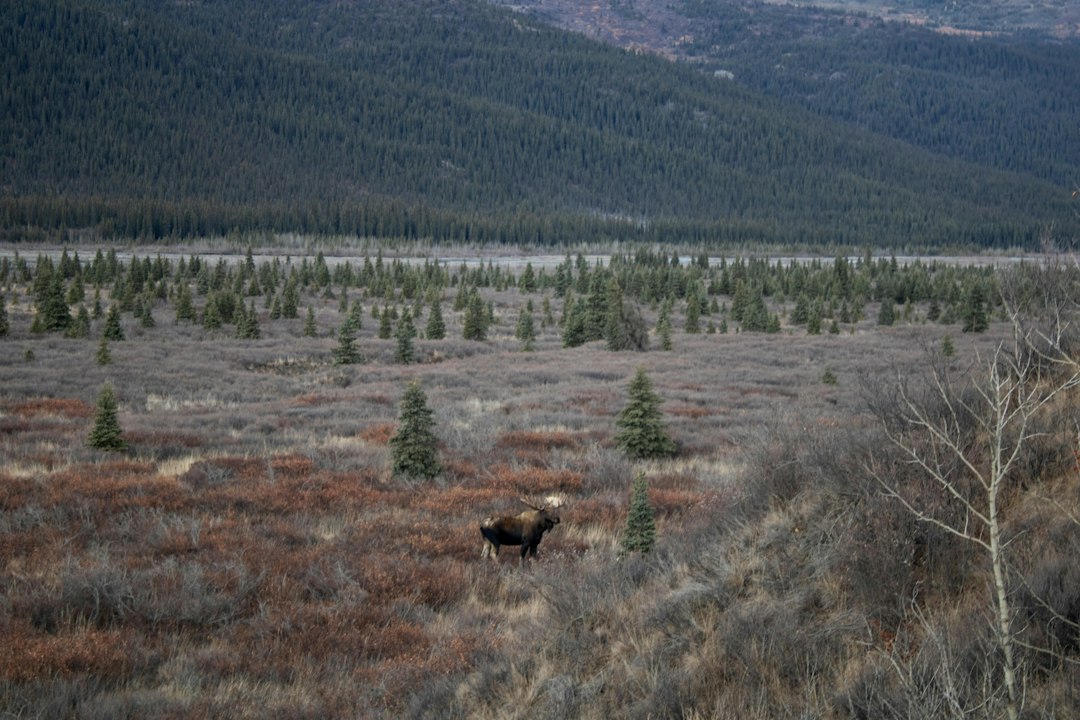
Alaska offers limited elk hunting on Afognak and Raspberry Islands through a registration permit system with no draw required. Tags are available to residents and nonresidents, with seasons running September through December depending on area and weapon type.
Related
Utah Guided Mule Deer Hunts 2027: Points, Tags & Costs
Utah's limited-entry mule deer units require significant points for nonresidents, but general-season and conservation tags offer alternatives. Here's what guided hunts cost and how to draw.
Next
Wyoming Nonresident Mule Deer Draw Odds 2027: What the Numbers Really Mean
Wyoming's 2027 nonresident mule deer draw shows demand continuing to outpace supply across most regions, with point creep advancing in premium units while a handful of general tags remain available in the random draw.