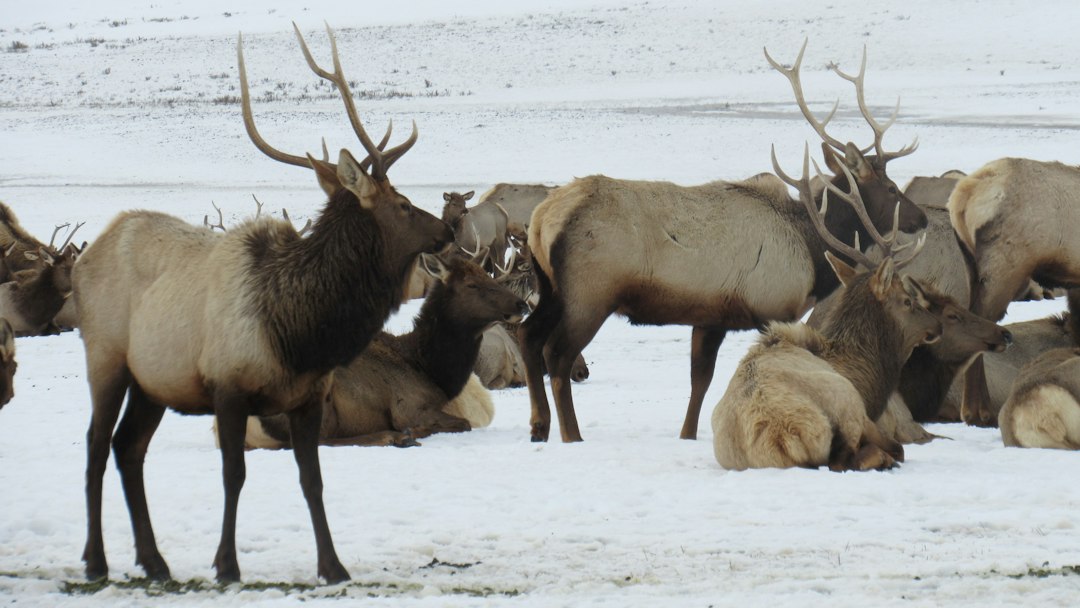
Alaska Elk Tags and Regulations 2027 — Hunt Opportunities on Afognak and Raspberry Islands
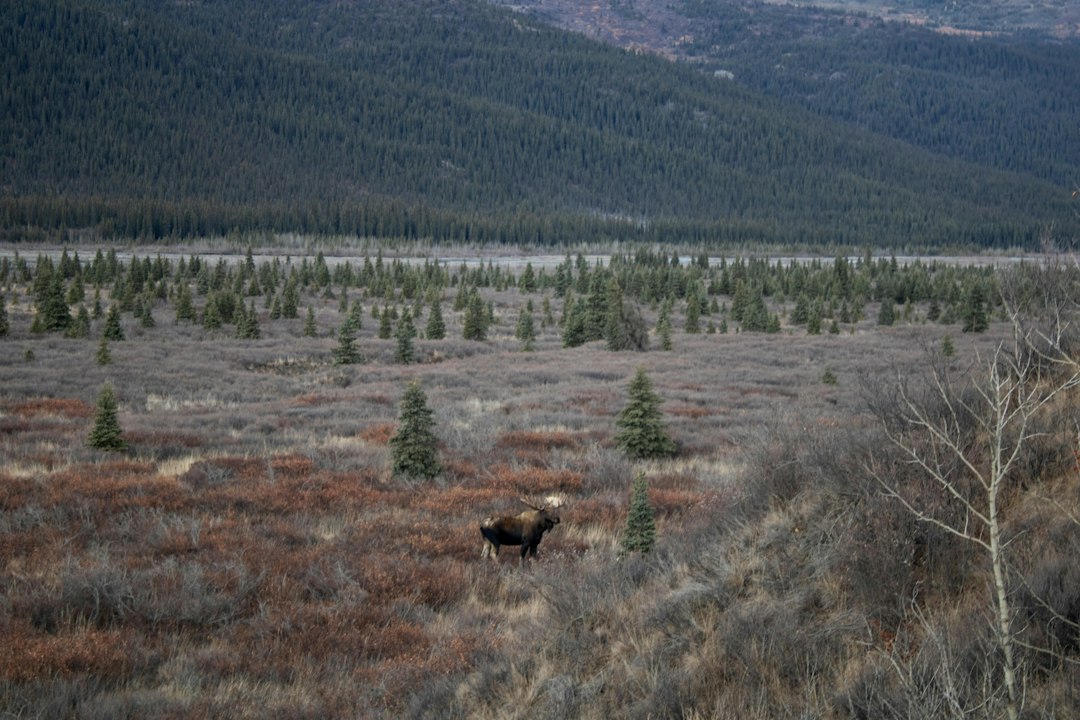
Alaska elk hunting is unique in the Lower 48 context. The state's huntable elk population exists only on Afognak and Raspberry Islands in the Kodiak Archipelago, descendants of transplanted Roosevelt elk introduced in the 1920s. Unlike the point-driven draw systems common across the West, Alaska issues elk tags through a registration permit system with no lottery, no preference points, and no application deadline months in advance. Both residents and nonresidents can hunt elk in Alaska, though the season structure, weapon restrictions, and logistics differ significantly from mainland hunts.
Registration Permit System — No Draw Required
Alaska elk hunting operates under a registration permit model rather than a competitive draw. Registration permits (identified by hunt codes beginning with "RE") are available over the counter at Alaska Department of Fish and Game offices and authorized vendors. There is no quota cap on registration permits, meaning any eligible hunter can obtain one as long as they meet licensing requirements. This removes the uncertainty of draw odds but shifts the challenge entirely to access, logistics, and field success. Nonresidents must hold a valid Alaska hunting license and be accompanied by a licensed guide or a resident relative within the second degree of kindred when hunting most big game in Alaska, but elk fall under different rules. For elk specifically, nonresidents do not require a guide, making Afognak and Raspberry Islands relatively accessible DIY destinations for out-of-state hunters willing to handle their own transportation and lodging.
Hunt Areas and Season Dates
Elk hunting occurs in Game Management Unit 8 on Afognak and Raspberry Islands. The two islands offer distinct terrain and hunting conditions. Afognak Island is larger, more developed, and accessible via a short floatplane flight from Kodiak. Raspberry Island is smaller, less visited, and requires more deliberate planning to access. Season dates for 2027 registration hunts typically run from September 1 through December 31, though specific weapon-based seasons within that window vary. Archery-only seasons generally open first in early September, followed by any-weapon seasons later in the fall. Rifle hunters should confirm exact opening dates for their chosen area, as they can shift slightly between Afognak and Raspberry. Seasons are long compared to many Western elk hunts, giving hunters flexibility to time trips around weather windows, rut activity, and personal schedules.
Weapon Restrictions and Bag Limits
Weapon restrictions vary by season and area. Early-season archery hunts require legal archery equipment as defined by Alaska regulations, with no crossbows allowed during archery-only periods. Any-weapon seasons allow rifles, shotguns, muzzleloaders, handguns, and archery equipment. Bag limits are typically one bull elk per regulatory year, though hunters should verify the specific limit printed on their registration permit. Antler restrictions may apply in certain areas or seasons to protect younger bulls, so reviewing the current hunt-specific regulations before the trip is essential. Meat care and salvage requirements are strict. Alaska requires hunters to salvage all edible meat from the ribs, hindquarters, front quarters, neck, and backstrap. Wanton waste violations carry serious penalties, and field care in Alaska's cool, wet climate demands attention to avoid spoilage during transportation.
Access and Logistics
Getting to Afognak or Raspberry Island requires floatplane or boat transport from Kodiak. Most hunters fly into Kodiak via Alaska Airlines from Anchorage, then charter a floatplane to a drop-off point on the island. Round-trip charter costs typically range from $800 to $1,500 per person depending on distance, weather delays, and whether the service includes a scheduled pickup or on-call retrieval. Boat transport is less common but possible for hunters with local connections or those willing to arrange private vessel access. Once on the island, hunters are entirely self-sufficient. There are no roads, no cell service, and no emergency services beyond what a satellite communicator can summon. Weather can ground planes for days, so packing extra food and being prepared for delayed pickups is not optional. Hunters should carry bear-resistant food containers or hang systems, as brown bears are abundant and highly food-motivated in the fall.


Free to join
Download mobile app
- Detailed draw odds
- Point tracking
- Deadline reminders
- 19 states covered





Free to join
Download mobile app
- Detailed draw odds
- Point tracking
- Deadline reminders
- 19 states covered






Free to join
Download mobile app
- Detailed draw odds
- Point tracking
- Deadline reminders
- 19 states covered

Afognak vs. Raspberry — Hunt Strategy
Afognak Island sees more hunting pressure due to easier access and a larger trail and road network from historic logging. The northern and western portions of Afognak offer a mix of old-growth forest, alder thickets, and muskeg openings where elk feed in the mornings and evenings. Glassing from ridgelines at dawn can locate feeding bulls, but thick cover makes stalking difficult once elk bed down. Calling can be effective during the rut in late September and early October, though Roosevelt elk are generally quieter than Rocky Mountain elk. Raspberry Island is more remote, less hunted, and offers better odds of solitude. The terrain is steeper and more heavily forested, with fewer openings and tougher glassing conditions. Success rates are lower on Raspberry, but hunters willing to work harder and accept longer shots through timber can find undisturbed bulls. Both islands require strong backcountry skills, comfort in bear country, and the physical conditioning to pack meat multiple miles without trails.
Licensing and Costs
Nonresident hunters need an Alaska hunting license ($160 for the annual license) and a nonresident elk tag ($600). Resident hunters pay $45 for a hunting license and $25 for an elk tag. There is no separate fee for the registration permit itself. These prices reflect 2026 published fees and should be confirmed through the Alaska Department of Fish and Game before applying in 2027. Licenses and tags can be purchased online through the Alaska Department of Fish and Game licensing portal or in person at offices and vendors in Anchorage, Kodiak, and other communities. Hunters should purchase licenses and tags before arriving on the island, as no vendors operate on Afognak or Raspberry.
Success Rates and Realistic Expectations
Success rates for Alaska elk hunts are modest compared to premium Western rifle hunts. Depending on the year and area, harvest success ranges between 10 and 25 percent. Roosevelt elk are large-bodied and live in dense cover, making them harder to locate and approach than open-country Rocky Mountain elk. Hunters should expect wet conditions, challenging terrain, and long days of hiking through alder and devil's club. Physical conditioning, quality rain gear, and a flexible mindset are as important as marksmanship. Hunters who treat the trip as a backcountry adventure first and a hunting trip second tend to have better experiences, even if they return without an elk.
FAQ — Alaska Elk Hunting
Does Alaska require a draw for elk tags?
No. Alaska elk tags are issued as registration permits with no lottery or draw. Any hunter meeting licensing requirements can obtain a permit.
Do nonresidents need a guide to hunt elk in Alaska?
No. Nonresidents do not need a guide for elk hunting on Afognak or Raspberry Islands, unlike most other Alaska big-game species.
What is the best time to hunt Alaska elk?
Late September through early October coincides with the rut and offers the best combination of elk activity, calling effectiveness, and manageable weather. Later seasons can be wetter and stormier but see less hunting pressure.
Can you hunt elk on Kodiak Island itself?
No. Elk hunting is limited to Afognak and Raspberry Islands. Kodiak Island does not have huntable elk populations.
How much does an Alaska elk hunt cost?
DIY nonresident hunts typically cost $2,000 to $3,000 including licenses, tags, flights, charter plane access, and gear. Guided hunts range from $8,000 to $15,000.
Are brown bears a concern during elk hunts?
Yes. Brown bears are common on both islands and are attracted to elk gut piles and meat. Hunters should carry bear spray, make noise while moving through thick cover, and hang or protect meat carefully.
Was this article helpful?
Previous
Wyoming Nonresident Mule Deer Draw Odds 2027: What the Numbers Really Mean
Wyoming's 2027 nonresident mule deer draw shows demand continuing to outpace supply across most regions, with point creep advancing in premium units while a handful of general tags remain available in the random draw.
Related
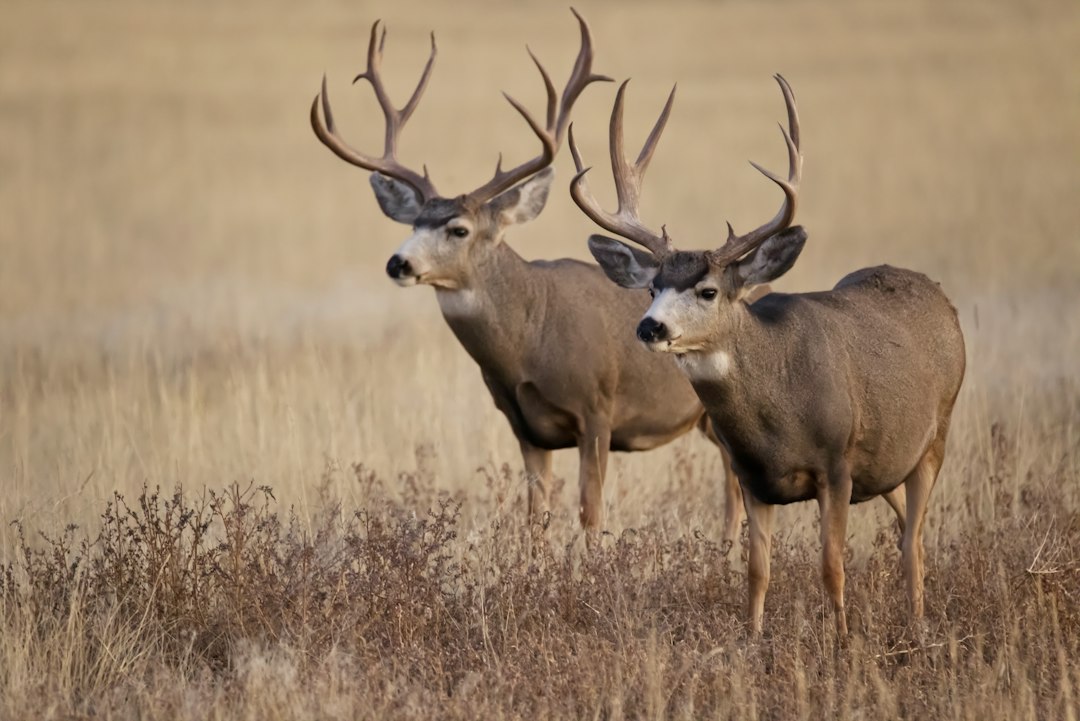
DIY vs Guided Mule Deer Hunting: How to Choose Your Hunt
Choosing between DIY and guided mule deer hunts comes down to experience level, budget, time availability, and what success means to you—both approaches can produce trophy bucks when matched to the right hunter.
Next
Wyoming Nonresident Elk Draw Odds 2027: Complete Application Guide
Wyoming's 2027 nonresident elk draw combines regular-priced and special-fee options across 140+ hunt areas. Understanding the preference point system and regional demand patterns is essential for first-time and experienced applicants alike.