Understanding Elk Vocalizations: A Complete Guide to Cow Calls, Bugles & Bull Communication
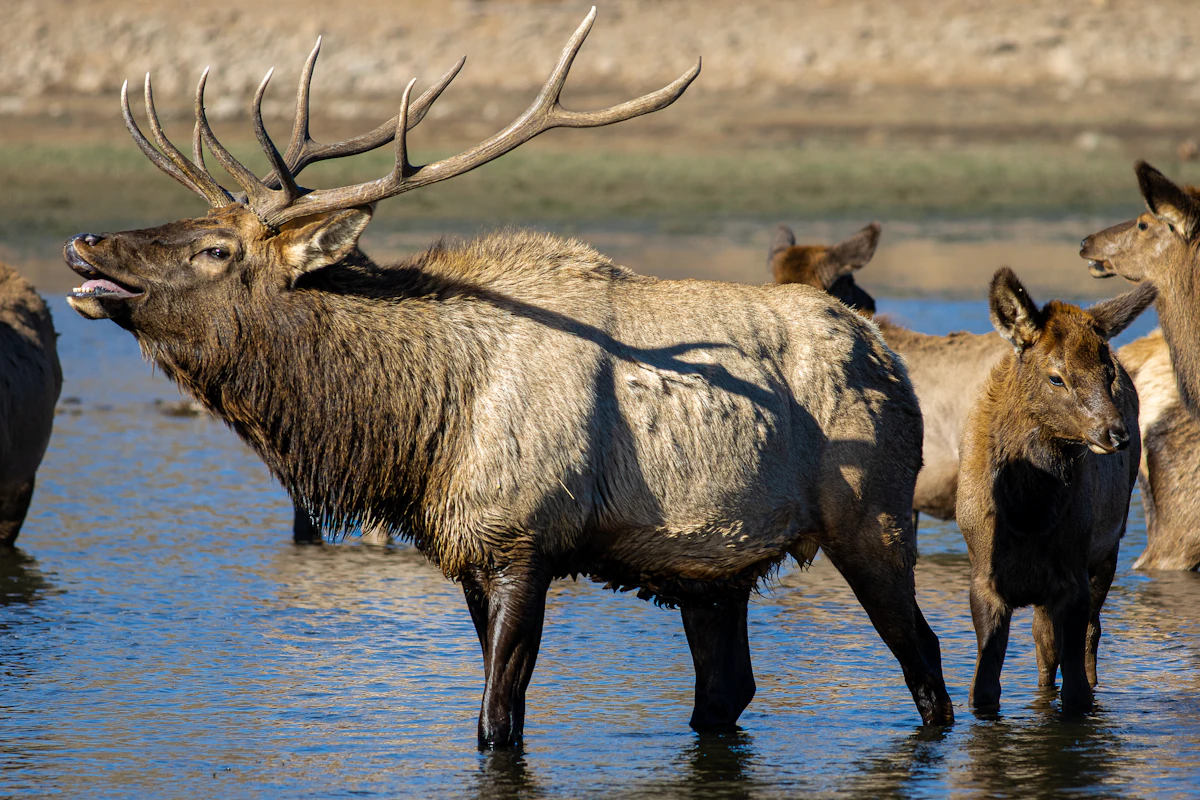
Elk are one of the most vocal big-game animals in North America. Their communication system ranges from high-pitched bugles that carry for miles to soft mews exchanged between cows and calves. Understanding what these sounds mean, when elk use them, and how to recognize subtle variations transforms you from a reactive hunter into someone who anticipates elk behavior before it happens.
Whether you are calling during the rut, still-hunting timber in rifle season, or trying to locate a herd in dark timber, recognizing elk vocalizations helps you make better decisions in the field. This guide breaks down every major elk sound, explains the context behind each vocalization, and shows you how to use that knowledge to hunt smarter.
The Bugle: Dominance, Location & Rut Intensity
The bugle is the most iconic elk sound and the primary vocalization mature bulls use during the rut. A full bugle typically starts as a low growl, rises into a high-pitched scream that can last several seconds, and often ends with a series of grunts or chuckles. Bulls bugle to advertise their presence, claim territory, and challenge rivals.
Bulls bugle most aggressively during peak rut, which in most Western states runs from mid-September through early October. During this window, a mature herd bull may bugle dozens of times per day, especially at dawn, dusk, and throughout the night. Satellite bulls and younger raghorns also bugle, but their vocalizations are often shorter, less aggressive, and lack the deep resonance of a dominant bull.
Pay attention to bugle frequency and tone. A bull that bugles repeatedly from the same drainage is likely tending cows and defending his position. A bull that bugles once and goes silent may be a lone satellite bull or a herd bull that heard something he did not like. Bulls that respond immediately to your calls are usually aggressive and callable. Bulls that bugle back but hold their ground are often mature herd bulls with cows, and they expect you to come to them.
Cow Calls: Social Glue & Herd Communication
Cow elk use a variety of mews, chirps, and calls to maintain herd cohesion, communicate with calves, and signal their location to other cows. The most common cow vocalization is a soft mew, which sounds like a high-pitched, single-note "eeow." Cows use mews constantly throughout the day to stay in contact with the herd, especially when feeding in thick timber or moving through broken terrain.
During the rut, cows also use estrous calls, which are slightly longer, more drawn-out mews that signal receptiveness to bulls. These calls are less frequent than contact mews but are highly effective for pulling bulls away from herds or drawing in satellite bulls looking for breeding opportunities.
When calling, use soft cow mews to sound natural and non-threatening. Aggressive, loud cow calling can spook mature bulls or alert them that something is wrong. If you are hunting pressured public land, keep your cow calling subtle and mix in occasional pauses to mimic a relaxed, feeding herd.
Chuckles & Grunts: Aggression & Challenge Signals
Chuckles are short, staccato grunts that bulls make during aggressive encounters or when they are highly agitated. You will often hear chuckles at the end of a bugle, during a sparring match, or when a bull is raking trees and thrashing brush. Chuckles signal dominance and aggression, and they are one of the most effective sounds for triggering a response from a territorial bull.
When a bull chuckles aggressively, he is telling other bulls that he is ready to fight. If you hear chuckling in the distance, you have likely located a mature bull that is either tending cows or defending his territory from a rival. Calling aggressively with chuckles and bugles can pull these bulls in, but be ready for them to come in hot and fast.
Grunts are deeper, shorter vocalizations that bulls use during less intense encounters. A bull might grunt while feeding, walking through timber, or moving with his herd. Grunts are less aggressive than chuckles but still indicate the presence of a bull. If you hear grunting in thick cover, slow down and glass carefully. Bulls that grunt while feeding are often relaxed and unaware of your presence, giving you a chance to close distance.
Barks & Alarm Calls: Danger Signals
Elk bark when they detect danger but have not yet identified the threat. A bark is a sharp, single-note sound that carries well through timber and signals alarm to the entire herd. Cows and calves bark more frequently than bulls, but any elk will bark if they catch your scent, see movement, or hear something suspicious.
When an elk barks, the herd typically goes on high alert. Elk may freeze, stare in the direction of the threat, or start moving away slowly. If the threat is confirmed, the herd will blow out and run. If the elk are unsure, they may bark several times, mill around nervously, and then resume feeding or bedding.
If you accidentally spook elk and hear barking, your best move is to freeze and wait. Sometimes elk will settle down if they do not see or smell you directly. If the barking continues and the herd starts moving, back out quietly and reposition. Pushing elk that are alarmed rarely works, and you will likely blow them out of the drainage entirely.
Squeals & Chirps: Calves & Herd Dynamics
Calves produce high-pitched squeals and chirps to communicate with their mothers and signal distress. These sounds are most common in late summer and early fall when calves are still nursing and learning to navigate the herd. Cows respond immediately to calf squeals, and the entire herd will often stop and investigate if a calf sounds distressed.
Some hunters use calf squeals to stop elk for a shot or to calm a nervous herd. A single, soft calf chirp can make cows pause long enough to give you a clean shooting lane. However, using calf calls aggressively or out of context can spook elk, especially on pressured public land where elk have heard every call variation imaginable.
Seasonal Variation: How Elk Vocalizations Change
Elk vocalizations shift dramatically throughout the season. During early September, bulls are still grouping up and beginning to show dominance, but bugling is sporadic. By mid-September, bugling peaks as bulls are actively tending cows and fighting off challengers. Late September and early October see a shift toward more subtle vocalizations as the rut winds down and bulls become less aggressive.
During rifle season in late October and November, elk vocalize far less frequently. Bulls have largely stopped bugling, and herds focus on feeding and avoiding hunting pressure. Cow calls and mews are still effective for locating herds, but expect elk to respond cautiously. Barks and alarm calls become more common as elk encounter hunters throughout their range.
Using Vocalizations to Locate Elk
Elk vocalizations are one of the best tools for locating animals before and during legal shooting light. During the rut, bugling bulls give away their position from hundreds of yards away. Locate bugles at dawn, mark the direction on your GPS, and plan your approach before full light.
Cow calls and mews also help you pinpoint feeding herds in thick timber. If you hear soft mewing in a drainage, you have likely found a herd that is relaxed and feeding. Set up downwind and call softly to confirm the herd's location without spooking them.
If you are hunting solo or without a caller, use location bugles from high ridges to trigger responses from distant bulls. A single bugle or cow call from an elevated position can pull answers from multiple drainages, giving you a clear picture of where bulls are holding.
Calling Strategy: When to Match Elk Vocalizations
Matching the intensity and tone of elk vocalizations is critical for calling success. If a bull is bugling aggressively, respond with aggressive bugles and chuckles. If a bull is quiet or hesitant, use soft cow calls and mews to bring him in without alarming him.
During mid-rut, start with cow calls to gauge interest. If a bull responds, escalate to bugles and challenge sequences. If a bull answers once and goes silent, switch back to cow calls and reposition closer. Bulls that are tending cows rarely leave their herd for a bugle alone, but they will investigate a group of cows that sounds like an opportunity.
On pressured public land, use calling sparingly. Elk in heavily hunted units have heard every call sequence multiple times, and overcalling is one of the fastest ways to educate bulls and push them deeper into roadless country. Use natural terrain features, wind, and patience to close distance instead of relying solely on calling.
Advanced Listening: Reading Elk Behavior Through Sound
Experienced elk hunters do not just identify vocalizations. They interpret the meaning behind the sounds and adjust their strategy accordingly. A bull that bugles once and then goes silent for an hour is likely a lone satellite bull or a bull that has been pressured. A bull that bugles repeatedly from the same spot for 30 minutes is likely tending cows and defending his position.
Listen for changes in bugle tone and frequency. Bulls that are fired up and aggressive will bugle with deep, resonant tones and add chuckles at the end. Bulls that are uncertain or cautious will bugle shorter, higher-pitched sequences and may not respond to follow-up calls. Adjust your calling and approach based on what the bull is telling you.
Pay attention to herd dynamics. If you hear multiple cows mewing in one drainage and a bull bugling nearby, you have found a herd bull with cows. If you hear a single cow call followed by silence, you may have located a lone cow or a small group that has split off from the main herd. Understanding these patterns helps you decide whether to call aggressively, stay quiet, or reposition entirely.
How TAGZ Helps Elk Hunters Plan Smarter Hunts
Understanding elk vocalizations is only part of the equation. Knowing where to find vocal bulls, which units have the highest concentrations of mature animals, and when to apply for limited-entry tags versus hunting over-the-counter units requires serious research and planning.
TAGZ helps you compare units side by side using terrain maps, unit boundaries, and historical draw data. Track your preference points and bonus points across multiple states so you never miss a draw deadline. Whether you are chasing OTC tags or planning a trophy limited-entry hunt, TAGZ gives you the tools to make smarter decisions before you ever step into the field. Filter hunts by weapon type, season dates, and species to find opportunities that match your skill level and hunting style. TAGZ turns months of spreadsheet work into a decision-making platform that serious elk hunters rely on every application season.
Common Mistakes Hunters Make With Elk Vocalizations
One of the most common mistakes is overcalling. Elk do not bugle nonstop, and cows do not mew every 30 seconds. Calling too often, too loud, or with poor tone quality educates elk and makes them wary of hunters. If a bull responds once and goes quiet, resist the urge to keep hammering him with calls. Instead, reposition closer, stay quiet, and let the bull make the next move.
Another mistake is calling without a wind check. Elk rely heavily on their sense of smell, and no amount of perfect calling will overcome a bad wind. Always set up with the wind in your favor, and if the wind shifts, reposition immediately. Bulls that catch your scent will often bark once and disappear without ever showing themselves.
Finally, many hunters fail to recognize the difference between a herd bull and a satellite bull. Herd bulls are less likely to leave their cows for a call, while satellite bulls are often eager and responsive. If a bull bugles aggressively but refuses to close distance, he is likely a herd bull. Reposition toward him instead of expecting him to come to you.
FAQ — Elk Vocalizations
What is the difference between a bugle and a chuckle?
A bugle is a long, high-pitched scream bulls use to advertise dominance and challenge rivals. Chuckles are short, aggressive grunts bulls make during confrontations or when highly agitated.
Do cow elk bugle?
No. Cow elk use mews, chirps, and barks to communicate. Only bulls bugle.
When do elk bugle the most?
Elk bugle most frequently during peak rut, which in most Western states runs from mid-September through early October. Bugling peaks at dawn, dusk, and throughout the night.
Why did the bull stop responding to my calls?
Bulls stop responding for several reasons: they caught your scent, they are tending cows and will not leave them, or they have been pressured and recognized your calls as a threat. Overcalling and poor positioning are common causes.
Can you call elk during rifle season?
Yes, but elk vocalize far less during rifle season. Soft cow calls and mews can help locate feeding herds, but bulls rarely bugle after mid-October. Focus on glassing and still-hunting instead of aggressive calling.
What does it mean when elk bark?
Elk bark when they detect danger but have not yet identified the threat. Barking signals alarm to the herd, and elk will either freeze, investigate, or blow out depending on how the threat develops.
Continue Planning Your Hunt
Understanding elk vocalizations gives you a massive advantage in the field, but knowing where to hunt, which units to apply for, and how to track your points across multiple states takes the right tools. TAGZ helps you research units, compare draw odds, and plan multi-state hunting strategies from application season through your hunt. Whether you are targeting a September bowhunt or planning a late-season rifle tag, TAGZ simplifies the research and keeps you organized.
Explore more hunting strategies and unit breakdowns on the TAGZ Insights blog. Ready to start planning your next elk hunt? Check out TAGZ pricing and see how the platform helps thousands of hunters apply smarter, hunt better, and never miss a draw deadline. Learn more about the full suite of tools at TAGZ Product, or head to the TAGZ homepage to get started today.
Was this article helpful?
Previous
How California's Big Game Draw Works | Complete Hunting Draw Guide
California's preference point system rewards consistent applicants while still offering opportunities for new hunters. From world-famous Tule elk to trophy mule deer, blacktail deer, pronghorn, and bighorn sheep, California remains one of the most diverse—and most overlooked—big game hunting destinations in the West.

Next
How Idaho's Hunting Draw Works | Complete Draw Guide
Idaho is one of the last true opportunity states in the West. With no preference or bonus points, controlled hunts are a straight random draw and many general tags sell first-come, first-served — ideal for hunters who want to hunt often instead of waiting years.