Spotting Scope vs Binoculars — Which Optic Do Hunters Need?

One of the most common questions new western hunters ask is whether to buy binoculars or a spotting scope, and the answer surprises a lot of people: most hunters need better binoculars long before they need a spotter. Yet every year someone spends thousands on a premium spotting scope while wearing average binoculars, then wonders why they're struggling to locate animals. The reality is simple. You'll spend far more time behind binoculars, finding animals is harder than judging them, and the hunters who consistently turn up elk, mule deer, sheep, and antelope are the ones who put in hours behind quality glass.
The biggest misconception
Plenty of new hunters think a spotting scope helps you find animals. It doesn't. Binoculars find animals; spotting scopes evaluate them, and a spotter pointed at empty country is useless. The process nearly every experienced western hunter follows is the same: locate animals with binoculars, evaluate them with a spotting scope, then decide whether a stalk is worth making. Binoculars are the workhorse, accounting for roughly 90 percent of glassing time, because they cover ground, catch movement, find bedded animals, and stay comfortable for all-day sessions with a wide field of view and fast target acquisition. Spotting scopes deliver detail rather than efficiency, excelling at counting points, judging antlers, reading curl, and confirming age, so think of them as evaluation tools, not search tools.
Why binoculars come first
Picture two setups: a 3,000-dollar spotting scope paired with 300-dollar binoculars, or 1,500-dollar binoculars and no spotter. Most experienced hunters would take the second every time, because finding animals is the hard part and judging comes second. For most people a quality 10x42 binocular is the sweet spot, balancing magnification, weight, and versatility across elk, mule deer, bear, antelope, and general western hunting, and if you own only one optic, make it a good 10x42. Many hunters who stick mostly to elk in timber and thick cover, especially during archery season, never truly need a spotter at all, since they spend their time listening, moving, and calling rather than judging antlers from miles off.
When a spotter earns its keep
A spotting scope becomes increasingly valuable for mule deer, sheep, mountain goats, antelope, and trophy elk, where long-range observation and detailed judging are the whole game. Mule deer hunters benefit most, since bucks often bed miles away across open canyons, and a spotter sorts out fork depth, mass, width, and age before a long stalk. Sheep hunters should simply buy one, because judging curl, mass, brooming, and legality routinely happens at extreme distance. Elk hunters live in the middle: timber hunters lean on 8x42 or 10x42 binoculars, while open-country hunters working basins and burns gain a lot from long-range judging.
Modern setups and where to spend
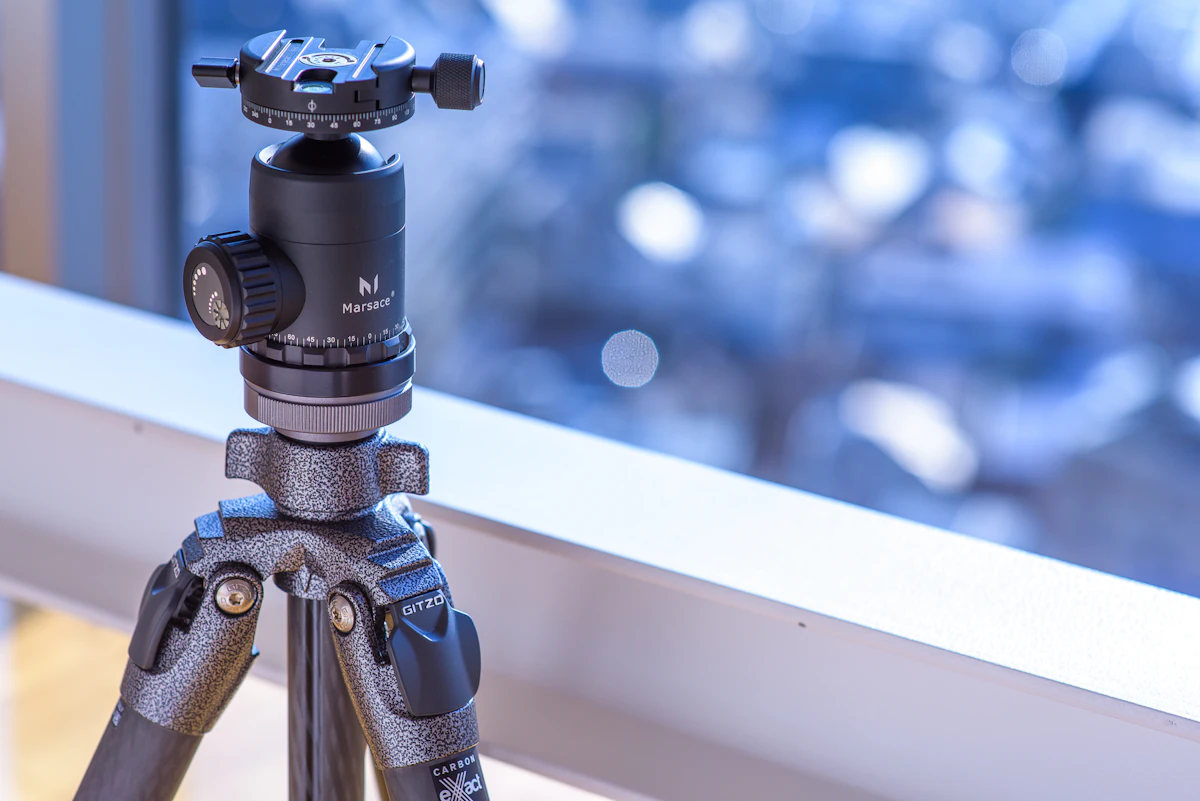
Two developments have changed the math. Tripod-mounted binoculars are a quiet revolution, because slowing down and eliminating shake often reveals animals you'd otherwise walk past, and many hunters find a good binocular on a tripod finds more game than a spotter. And 12x50 binoculars have become a popular hybrid, bridging traditional binoculars and spotting scopes with more detail and better long-range glassing, sometimes reducing the need for a spotter entirely. Rangefinding binoculars push that further by folding distance into the same package. For setups, elk hunters do well with 10x42s and a light tripod, mule deer hunters with 12x50s, a quality tripod, and a 65mm or 85mm spotter, and sheep hunters with 12x50s, a premium tripod, and a premium spotter. If you're building from scratch, the order that delivers the most value is binoculars first, then a tripod, then a spotting scope. The perfect spotter sitting in your truck helps nobody, while the right binocular around your neck helps every day, and TAGZ helps you point all of it at the right country before you leave home.
Was this article helpful?
Previous
How Nevada Bonus Points Work — Complete Draw Guide
Nevada uses a squared bonus point system that rewards long-term applicants while maintaining opportunity for everyone. With five hunt choices and world-class trophy potential, Nevada remains one of the most attractive western states for serious hunters building a long-term application strategy.
Next
Best Tripods for Hunting — Complete Hunting Tripod Guide
A quality tripod can dramatically improve optics performance, animal detection, and shooting stability. Whether hunting elk, mule deer, sheep, or antelope, a tripod is one of the most valuable gear investments a hunter can make.