How Nevada Bonus Points Work — Complete Draw Guide
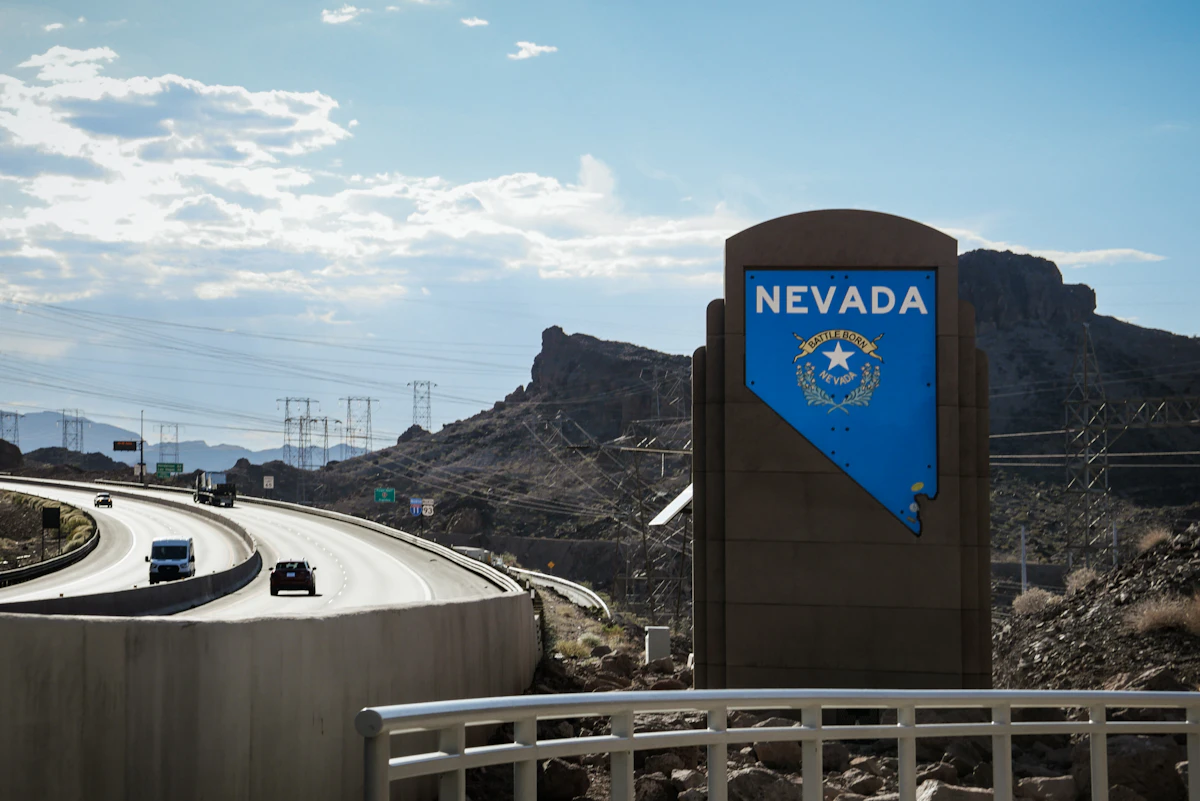
Nevada has quietly become one of the best hunting states in the West, producing trophy mule deer, giant bull elk, exceptional pronghorn, three species of bighorn sheep, and mountain goats. The hard part is drawing a tag. Nevada doesn't use preference points, it uses a squared bonus point system that keeps every applicant eligible every year while heavily rewarding the hunters who have applied for a long time. There's no line to wait in like Colorado and no preference draw like Wyoming, every tag runs through the same weighted lottery.
How point squaring works
Each year you apply and don't draw, you earn a bonus point, and Nevada squares that total to set your number of chances in the draw. The math compounds fast. Zero points gives you one chance, one point gives you four, five points gives you 36, ten points gives you 121, fifteen points gives you 256, twenty points gives you 441, and twenty-five points gives you 676. That curve is why long-term applicants gain such a large advantage, even though nothing is ever guaranteed. A maximum-point holder can still miss, and a zero-point hunter occasionally draws a premium tag, which is exactly what keeps everyone in the game.
Five hunt choices
One of Nevada's biggest structural advantages is that you get five hunt choices, where many western states limit you to one or two. That flexibility rewards hunters willing to research multiple hunts, because you can stack a realistic option behind a dream option and still have chances at both. A lot of applicants never maximize those five choices, and that's precisely where careful planning pays off.
What's realistic by species
Nevada elk is among the most sought-after opportunities in North America, with mature, well-bred bulls, limited tag numbers, and intense competition, so premium units take years of points. Mule deer hunting has exploded thanks to trophy genetics, huge public-land holdings, and strong age structure, which has pushed competition up across the board. Pronghorn get overlooked despite excellent trophy quality, good access, and light pressure, so they're worth a serious look while everyone else chases elk and deer. Then there are the dream tags: desert bighorn, where Nevada offers some of the finest sheep hunting anywhere, along with California and Rocky Mountain bighorn and mountain goat, all of which are best treated as long-term investments with tough odds at any point level.
Why it still pays to apply
Even without preference points, Nevada experiences point creep, because more hunters apply every year and demand keeps climbing, so drawing gets harder over time. The common mistake is applying only for the famous units while excellent, lower-pressure hunts go overlooked, when understanding the whole state is what actually creates opportunity. New hunters should absolutely apply, since everyone has a chance and people draw good tags with few points every year, and you simply can't draw if you don't put in. Treat Nevada as a long-term play, apply annually, build points consistently, and prioritize elk, deer, and antelope while keeping sheep and goat applications alive in the background. Because the system gets complicated, TAGZ helps you analyze draw odds, compare units, track points, and evaluate your five hunt choices before the deadline.
Was this article helpful?
Previous
Best Public Access Units
Best Public Access Units breaks down realistic big game planning around terrain, access, pressure, scouting, and hunter behavior so TAGZ readers can build a practical western hunt plan instead of chasing hype.
Next
Spotting Scope vs Binoculars — Which Optic Do Hunters Need?
Binoculars find animals, spotting scopes judge them. Most hunters should invest in quality binoculars and a tripod before purchasing a spotting scope. The ideal setup depends on species, terrain, and hunting style, but binoculars remain the foundation of western hunting optics.