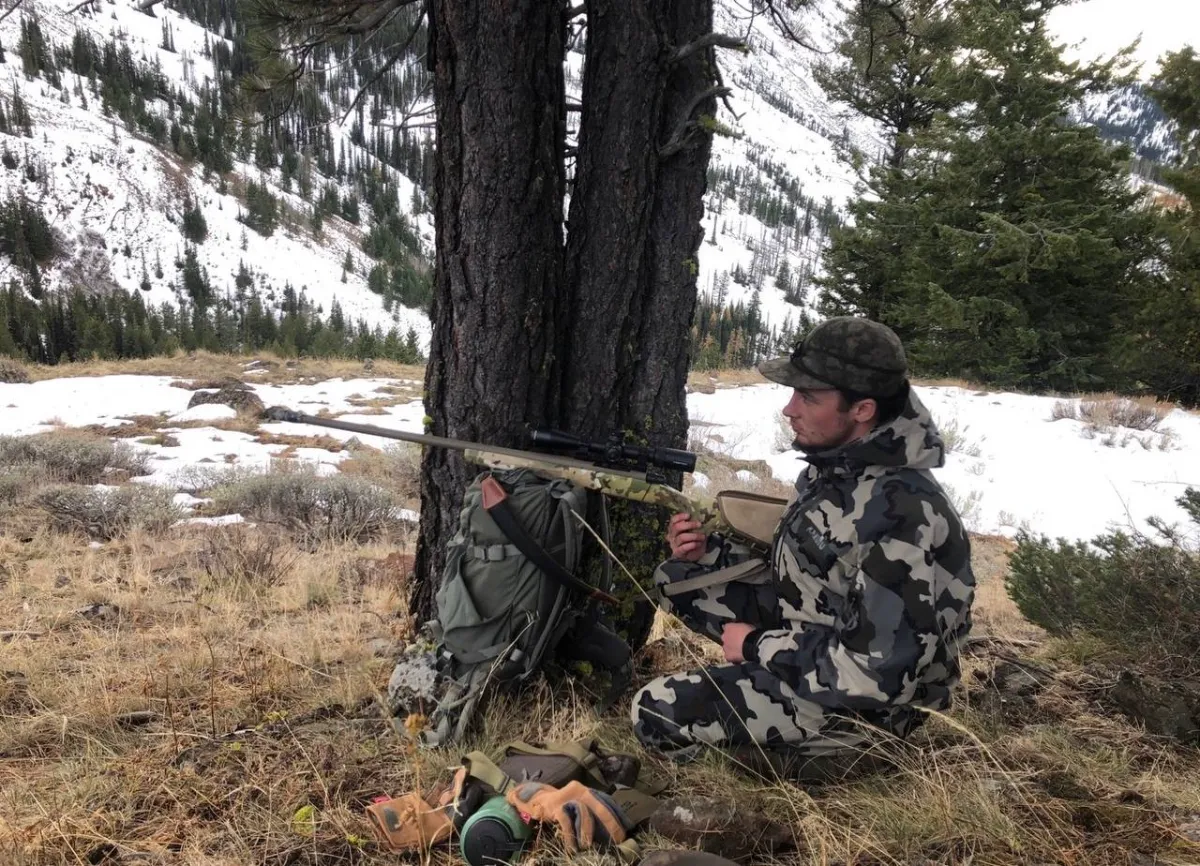
Best Tripods for Hunting — Complete Hunting Tripod Guide
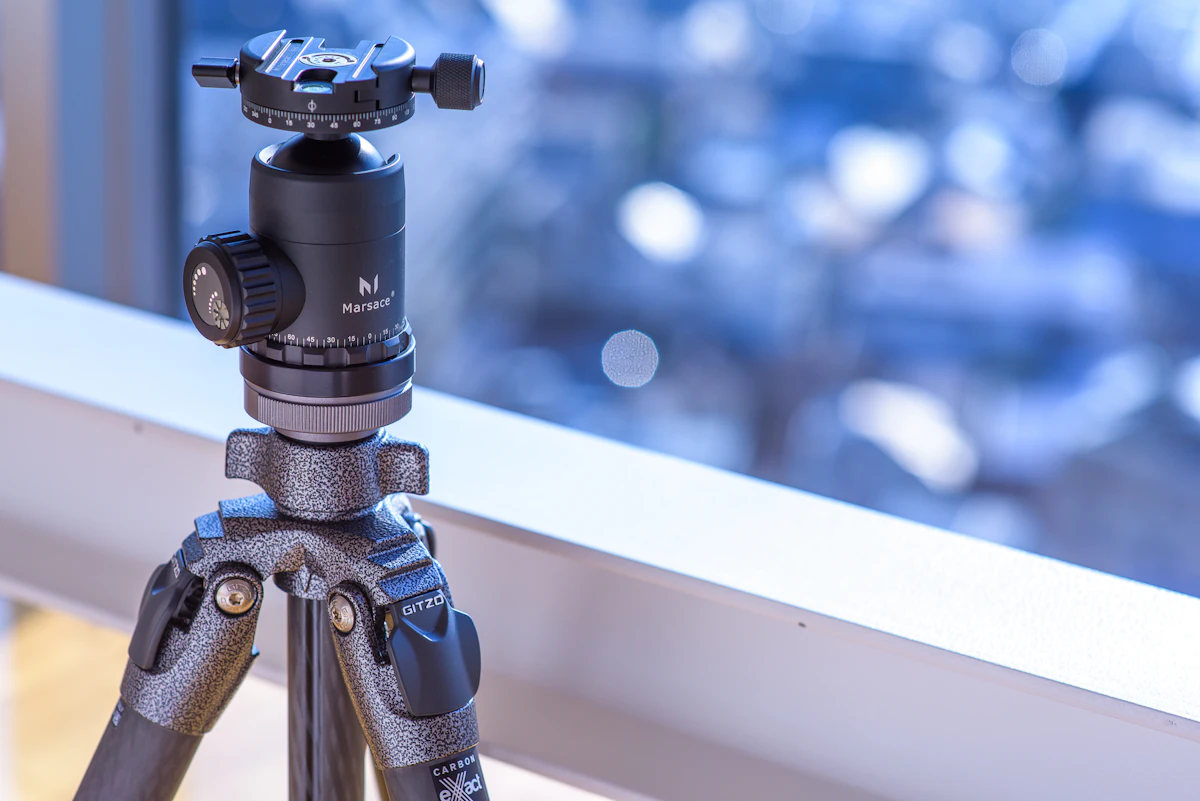
Most hunters spend thousands on rifles, bows, binoculars, and spotting scopes, then mount them on a cheap tripod. That's backwards. A quality tripod often improves optics performance more than upgrading the optics themselves, and every year experienced western hunters spot animals that others walk right past. The difference usually isn't better eyesight, it's a better glassing system. A solid tripod lets you glass longer, see more detail, cut fatigue, and shoot more accurately, and plenty of hunters find more animals on their first day using one than in whole seasons of handheld glassing.
Why stability changes everything
Human hands shake, and at 10x, 12x, or 15x even tiny movements become significant, so animals and details disappear and your eyes wear out fast. A tripod erases all of that. For decades hunters wore binoculars on their chest, but today many spend most of their glassing time with binoculars mounted, because a stationary view reveals ear flicks, antler tips, horns, legs, and bedded animals that handheld glassing misses. This is also why bigger binoculars often aren't the answer: a quality 10x42 on a tripod regularly outperforms 12x or 15x binoculars used handheld. Spotting scopes need it even more, since at 40x to 60x the smallest vibration ruins the image, and a premium spotter simply can't reach its potential without a stable base. Modern tripods double as shooting platforms too, supporting standing, kneeling, and sitting shots that have become common in open-country and long-range situations.
Carbon, aluminum, and height
The classic debate is carbon fiber versus aluminum. Carbon is lighter, strong, and better at damping vibration, which is why most serious western hunters land there, while aluminum is more affordable and durable but heavier and more prone to shake, making it a fine budget choice. Whatever the material, buy enough height: many hunters end up with a tripod that's too short, when a good one should let you glass comfortably from sitting, kneeling, and standing without constant fiddling.
Heads matter as much as legs
The head is half the system. Ball heads are light, compact, and quick to adjust, which suits backpack and rifle hunters. Pan heads offer smooth, precise movement that dedicated glassers and spotting-scope users prefer. Fluid heads are the gold standard for spotters, with buttery tracking and excellent control that shines for sheep, mule deer, and trophy evaluation. By species, elk hunters do well with a carbon tripod and a ball head for weight and mobility, mule deer hunters with a carbon tripod and a pan head for long glassing sessions, and sheep hunters with a premium carbon tripod and a fluid head for judging rams at extreme distance.
What to buy and what to avoid
You don't need to spend a fortune to start: the Vortex Summit series, Leupold Pro Guide, and Spartan's entry models all deliver real value. For the best, Outdoorsmans is one of the most respected names in western hunting for durability and simplicity, Spartan Precision builds lightweight modular systems popular with backpack hunters, Really Right Stuff makes premium tripods favored by sheep hunters and guides, and Sirui offers strong performance for value-minded hunters. The common mistakes are buying too short, buying too flimsy, ignoring the head, and prioritizing weight over stability. Beyond steadier images, a tripod quietly makes you a better hunter by encouraging slower, more systematic scanning, which turns up bedded mule deer, sheep, antelope, and elk in timber openings, and it reduces the arm, neck, and eye fatigue that cuts glassing sessions short. A tripod helps you find animals; TAGZ helps you find the opportunities, with unit research, draw odds, and scouting plans before you hit the mountain.
Was this article helpful?
Previous
Spotting Scope vs Binoculars — Which Optic Do Hunters Need?
Binoculars find animals, spotting scopes judge them. Most hunters should invest in quality binoculars and a tripod before purchasing a spotting scope. The ideal setup depends on species, terrain, and hunting style, but binoculars remain the foundation of western hunting optics.

Next
Best Rangefinders for Elk Hunting — Complete Buyer's Guide
A quality rangefinder removes guesswork and improves shot placement in western hunting. Fast ranging, angle compensation, durability, and reliable performance matter far more than maximum advertised range, making rangefinders one of the most valuable tools hunters can carry into elk country.