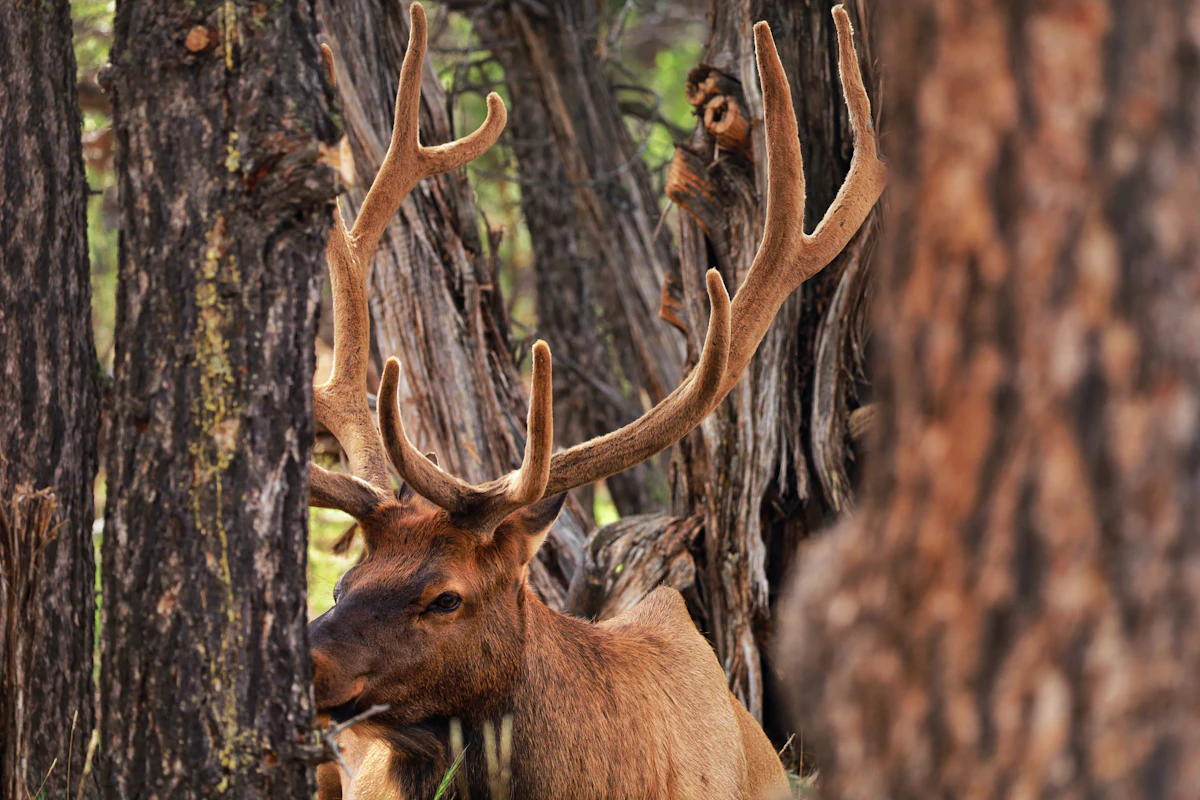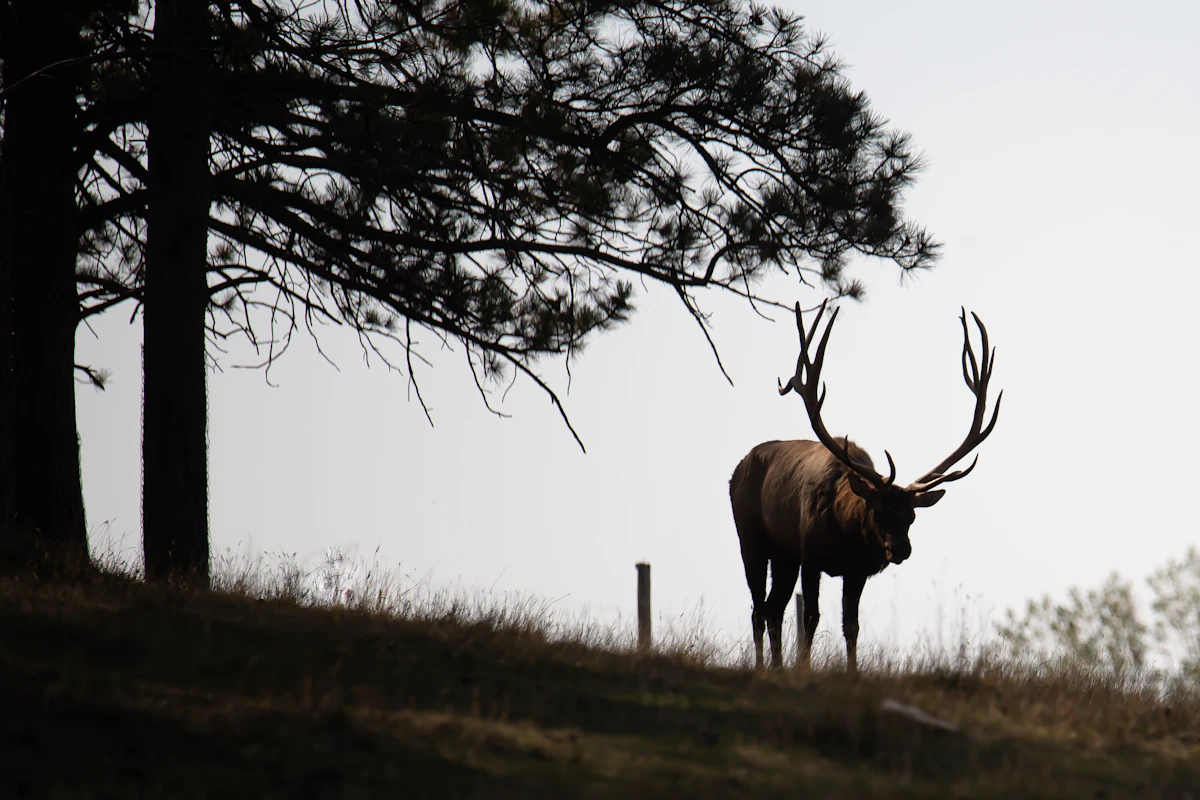
South Dakota Elk Draw 2027: Complete Guide to Draw Odds, Preference Points, Elk Tags & Application Deadlines
South Dakota offers some of the most sought-after limited-entry elk hunting opportunities in the Great Plains and Black Hills region. With a substantial Rocky Mountain elk population, diverse hunting terrain, and a preference-point drawing system that rewards long-term applicants while maintaining an element of chance, South Dakota presents a unique opportunity for resident elk hunters.
However, South Dakota's elk draw works differently from many other Western states.
Unlike traditional preference-point systems where the highest-point applicants receive licenses first, South Dakota uses multiple preference pools and weighted drawing procedures. This means hunters with more preference points receive additional opportunities, but a lower-point applicant may still draw.
The state also maintains one major restriction that every hunter should understand:
South Dakota elk licenses are currently reserved for eligible residents.
Nonresident hunters cannot apply for standard South Dakota elk licenses, even when booking a guided hunt or hiring an outfitter.
For eligible residents planning a 2027 elk hunt, understanding the state's drawing structure, preference-point system, available seasons, and historical application deadlines is essential.
This guide explains South Dakota elk draw odds, Black Hills elk hunting, prairie elk opportunities, Custer State Park elk tags, preference pools, license costs, application deadlines, and strategies for improving your chances of drawing.
South Dakota Elk Draw 2027: Quick Facts
QuestionAnswerCan nonresidents apply for South Dakota elk?NoIs South Dakota elk hunting resident-only?YesAre South Dakota elk tags available over the counter?No general OTC elk licenseDoes South Dakota use preference points?YesAre preference points a guarantee?NoCan zero-point applicants draw?Potentially, yesBlack Hills elk huntingLimited-entry drawingPrairie elk huntingLimited-entry drawingCuster State Park elkSpecial limited-entry drawingsCurrent resident elk preference-point fee$5Current elk application fee$10Final 2027 elk application deadlineNot yet confirmed in the supplied research
Important: This guide uses current South Dakota GFP rules and historical application information to help hunters plan for 2027. Final 2027 regulations, deadlines, quotas, and license fees should be verified through South Dakota Game, Fish and Parks.
Can Nonresidents Apply for South Dakota Elk in 2027?
No. Under current South Dakota Game, Fish and Parks regulations, elk licenses are reserved for eligible South Dakota residents.
This includes the state's principal Black Hills, prairie, archery, and Custer State Park elk hunting opportunities.
Nonresidents cannot obtain a standard South Dakota elk license by hiring an outfitter, booking a guided hunt, or applying alongside a resident.
This makes South Dakota different from states such as Colorado, Wyoming, Montana, Idaho, and New Mexico, which offer certain elk hunting opportunities to eligible nonresidents.
Are There South Dakota Nonresident Elk Draw Odds?
No.
Because nonresidents are currently ineligible for standard South Dakota elk licenses, there are no applicable nonresident elk drawing probabilities.
Hunters researching South Dakota elk should first verify their residency status before evaluating preference points or historical drawing results.
For official eligibility requirements, consult the South Dakota GFP elk hunting information.
South Dakota Elk Population and Hunting Opportunities
South Dakota's primary elk population occurs in the Black Hills.
According to the population estimate cited in the supplied research, South Dakota GFP has estimated more than 6,000 Rocky Mountain elk in the Black Hills.
Additional elk populations occur in prairie regions elsewhere in the state.
Elk management varies by region, and the number of available licenses can change according to population objectives, habitat conditions, harvest data, and management needs.
Are South Dakota Elk Tags Available Over the Counter?
No general over-the-counter elk license is available for hunters to simply purchase.
South Dakota's principal elk hunting opportunities are managed through limited-license drawing systems.
Eligible hunters must apply for the appropriate season and license type.
South Dakota Elk Hunting Seasons for 2027
South Dakota provides several distinct elk hunting opportunities.
The major categories include Black Hills firearms elk, Black Hills archery elk, prairie elk, and Custer State Park elk.
Each has different hunting conditions, drawing structures, and eligibility considerations.
Black Hills Firearms Elk
The Black Hills are South Dakota's primary elk hunting region.
Limited firearms licenses may include any-elk and antlerless-elk opportunities, depending on the unit and annual allocation.
Hunters should research the exact unit, license type, available quota, and historical applicant demand before applying.
Black Hills Archery Elk
South Dakota offers limited archery elk licenses for eligible resident hunters.
These are drawing licenses, not unlimited over-the-counter archery tags.
Archery hunters should evaluate access, terrain, elk distribution, and historical draw results for their selected season.
Prairie Elk
South Dakota also manages elk populations outside the core Black Hills region.
Prairie elk hunting can differ significantly from traditional mountain elk hunting.
Some prairie units contain large areas of private property, agricultural land, and open terrain.
Because elk may spend substantial time on private land, legal access can be as important as drawing a license.
Custer State Park Elk
Custer State Park has its own elk drawing structures and special eligibility requirements.
Opportunities may include firearms, archery, and antlerless elk licenses when offered.
Some Custer State Park elk licenses are once-in-a-lifetime opportunities, while others have different waiting periods or annual application rules.
Hunters should review the exact license before applying.
How South Dakota Elk Preference Points Work
South Dakota uses preference points to increase drawing opportunities for eligible applicants.
However, the state does not operate a universal highest-points-first system.
Hunters with more points receive additional preference advantages, but drawing success is not guaranteed.
A hunter with fewer points may still draw before a hunter with more points.
The South Dakota GFP preference-point information provides official details about the state's drawing procedures.
South Dakota's Cubed Preference Point System
For applicable weighted drawings, South Dakota uses cubed preference-point weighting.
The formula is:
Drawing Entries = (Preference Points + 1)³
Preference PointsDrawing Entries01182273644125521663437512872991,000101,331
More points increase drawing weight, but the actual chance of receiving a license also depends on the applicable preference pool, quota, and competing applicants.
Can You Draw South Dakota Elk With Zero Points?
Potentially, yes.
Applicable elk drawings include a preference stage available to zero-point applicants.
However, highly demanded any-elk licenses may remain extremely difficult to draw.
How Many Elk Preference Points Can You Earn Each Year?
Under the current rules described in the supplied research, an eligible unsuccessful applicant can receive one preference point per year for the applicable elk season.
Hunters cannot purchase multiple points in one year to catch up.
Are South Dakota Elk Preference Points Season-Specific?
Yes.
Preference points are associated with the applicable elk season rather than one universal elk point balance.
Before applying, hunters should verify their exact preference-point totals through the state's licensing system.


Free to join
Download mobile app
- Detailed draw odds
- Point tracking
- Deadline reminders
- 18 states covered





Free to join
Download mobile app
- Detailed draw odds
- Point tracking
- Deadline reminders
- 18 states covered






Free to join
Download mobile app
- Detailed draw odds
- Point tracking
- Deadline reminders
- 18 states covered

Black Hills Elk Draw Preference Pools
South Dakota uses multiple preference pools for applicable Black Hills firearms, Black Hills archery, and prairie elk drawings.
These pools are important because the drawing does not simply award every license to applicants with the highest preference-point totals.
Under the current drawing structure described in the source, licenses move through the following stages.
Drawing StageInitial AllocationEligible ApplicantsLandowner preference50%Qualifying landowners10+ preference pool30%Eligible applicants with 10 or more points2+ preference pool15%Eligible applicants with 2 or more points0+ preference pool5%Eligible applicants, including zero-point hunters
Unused licenses from earlier stages may carry forward into subsequent pools.
These percentages describe the current structure in the supplied research, not independently confirmed 2027 allocations.
Landowner Preference Pool
The first stage allocates 50% of available licenses in applicable units to qualifying landowner preference applicants.
Landowner eligibility is not automatic.
Applicants must satisfy the state's requirements and receive applicable approval.
Licenses not issued through the landowner pool may move into the next drawing stage.
The 10+ Preference Pool
The next stage begins with 30% of available licenses, together with applicable unused licenses from the landowner pool.
Applicants with at least 10 applicable preference points can participate.
Unsuccessful applicants may continue into later preference stages.
The 2+ Preference Pool
The next stage begins with 15% of available licenses, plus applicable carryover.
Eligible hunters with at least two preference points can participate, along with qualifying unsuccessful applicants moving forward from higher stages.
The 0+ Preference Pool
The final stage begins with 5% of available licenses, plus applicable remaining licenses from earlier stages.
This provides a possible drawing opportunity for eligible applicants with zero preference points.
What Does This Mean for 2027 Elk Draw Odds?
Two important conclusions follow.
Zero-point applicants may still draw an elk license.
Applicants with 10 or more points are not guaranteed a license.
Hunters should evaluate historical drawing results within the appropriate preference pool rather than relying on a single statewide percentage.
Custer State Park Elk Draw 2027
Custer State Park elk opportunities use a different preference-pool structure from applicable Black Hills and prairie elk drawings.
The current system described in the supplied research includes three preference stages.
Preference PoolInitial License Allocation15+ points34%10+ points33%0+ points33%
These percentages apply to the relevant Custer State Park drawing structures described in the source and should be verified for 2027.
Custer State Park Firearms Elk
Under current rules, Custer State Park firearms elk is a once-in-a-lifetime opportunity.
A hunter who has already received the applicable license cannot simply begin accumulating points toward another identical opportunity.
Custer State Park Early Archery Elk
Custer State Park early archery elk is also identified as once-in-a-lifetime under current rules.
Hunters should be prepared to take the hunt if successful.
Custer State Park Late Archery Elk
Late archery has different eligibility rules.
The supplied research indicates that eligible hunters may apply annually.
Custer State Park Antlerless Elk
The current rules described in the source impose a nine-year waiting period after drawing the applicable Custer State Park antlerless elk license.
Why Custer State Park Eligibility Matters
Not every Custer State Park elk license follows the same rules.
Hunters should distinguish between firearms, early archery, late archery, and antlerless opportunities before applying.
A once-in-a-lifetime license should be treated differently from a license that can be pursued again in future years.
South Dakota Elk Group Applications
South Dakota allows group applications for applicable elk drawings.
Under the current rules described in the supplied research, elk groups are limited to two applicants.
Preference-point treatment is important.
The lower preference-point total within a group can affect the group's drawing placement or weight.
For example, if one hunter has 13 points and another has 11, the group should not assume it receives the same preference advantage as a solo 13-point applicant.
Hunters should confirm the current group-point calculation before submitting a joint application.
Can You Apply for Multiple South Dakota Elk Seasons?
Eligible residents may apply for multiple elk seasons for which they qualify.
However, South Dakota generally limits hunters to one elk license per year.
Elk drawings are conducted sequentially.
Receiving a license in an earlier drawing can affect eligibility for subsequent elk drawings during the same year.
Hunters should understand the drawing order and prioritize the opportunities they genuinely want.
Free to join
Download mobile app
- Detailed draw odds
- Point tracking
- Deadline reminders
- 18 states covered
Free to join
Download mobile app
- Detailed draw odds
- Point tracking
- Deadline reminders
- 18 states covered
Free to join
Download mobile app
- Detailed draw odds
- Point tracking
- Deadline reminders
- 18 states covered
South Dakota Elk Draw Odds 2027
Final 2027 South Dakota elk draw odds cannot yet be determined from completed 2027 results.
Drawing probability will depend on the final license quotas, number of applicants, preference-point distribution, drawing pools, landowner demand, and exact license type.
The South Dakota GFP draw statistics provide historical information for researching past drawing results.
Why Statewide Elk Draw Odds Can Be Misleading
South Dakota elk licenses are distributed through different drawing structures.
A hunter with zero points and a hunter with 15 points applying for the same unit may have very different drawing opportunities.
Likewise, any-elk and antlerless-elk licenses can have substantially different demand.
Hunters should research the exact:
Elk season
Hunting unit
License type
Preference-point total
Preference pool
Historical quota
Applicant demand
Landowner allocation
Use Multiple Years of Historical Data
For 2027 planning, hunters should compare completed 2024, 2025, and 2026 drawing results where available.
Changes in quotas, applicant numbers, or preference-point distributions can affect future drawing probabilities.
A historical draw percentage should never be treated as a guaranteed probability for 2027.
South Dakota Elk Application Deadline 2027
The final 2027 South Dakota elk application deadline should be confirmed when GFP publishes the official season-specific application.
One important detail is the state's application closing time.
According to the supplied research, South Dakota applications currently close at 8:00 a.m. Central Time on the published deadline date.
Hunters should not assume they have until midnight.
Historical 2026 Elk Application Calendar
Application EventHistorical 2026 DateFirst drawing openedApril 15First drawing deadlineMay 19 at 8:00 a.m. CDTFirst drawing resultsMay 27Second drawing openedMay 28Second drawing deadlineJune 11 at 8:00 a.m. CDTSecond drawing resultsJune 15
These dates are historical planning references only.
Check South Dakota GFP application information for the final 2027 elk application schedule.
South Dakota Elk Preference Point Purchase Period
Under the current rules described in the supplied research, eligible hunters can purchase preference points during a designated September 15–December 15 period through Go Outdoors South Dakota.
Hunters may also make applicable preference-point selections during the application process.
Accumulated preference points are generally required for the first choice in the first drawing.
Point use may be optional for certain later choices or subsequent drawings.
If a hunter successfully draws while using preference points, the accumulated points for that applicable season are generally lost.
Hunters should verify the final 2027 point-purchase period and rules before making a purchase.
South Dakota Elk License Costs for 2027
South Dakota elk license fees depend on the season and license type.
The following figures are current or historical planning benchmarks from the supplied research, not confirmed 2027 prices.
Elk LicensePlanning FeeBlack Hills Any Elk$195Black Hills Antlerless Elk$127Archery Any Elk$195Archery Antlerless Elk$127Prairie Any Elk$195Prairie Antlerless Elk$127Custer State Park Any Elk$306Elk application fee$10Resident preference point$5Resident Habitat Stamp$10
Hunters age 18 and older generally need a Habitat Stamp when applying for or purchasing applicable hunting licenses, unless an exemption applies.
The source also describes a process for returning certain drawn licenses before the established return deadline, potentially allowing preference points to be reinstated and license fees reimbursed, subject to fees and restrictions.
Current return-fee benchmarks in the source are $10 for residents and $30 for nonresidents.
Verify current costs and eligibility through South Dakota GFP's hunting and fishing license information.
South Dakota Elk Hunter Access Program
Private-land access is an important consideration for South Dakota elk hunters, especially in certain prairie units.
South Dakota operates the Elk Hunter Access Program, commonly called EHAP.
The program connects successful elk hunters with participating private landowners in areas where elk spend significant time on private property.
How EHAP Works
EHAP is not a separate elk license.
Hunters must first obtain an applicable elk license through the state's drawing system.
The program may then provide access opportunities through participating landowners.
Recent information in the supplied research identifies EHAP participation in areas including Black Hills Units 3 and 4 and Prairie Units 11, 27, 35A, 35B, and WRA.
Participating units, landowners, and available acreage may change annually.
Successful hunters should contact South Dakota GFP for current program information and access arrangements.
Does an Elk License Give You Access to Private Land?
No.
Drawing a South Dakota elk license does not automatically authorize entry onto private property.
Hunters must obtain legal access through landowner permission or an applicable access program.
Free to join
Download mobile app
- Detailed draw odds
- Point tracking
- Deadline reminders
- 18 states covered
Free to join
Download mobile app
- Detailed draw odds
- Point tracking
- Deadline reminders
- 18 states covered
Free to join
Download mobile app
- Detailed draw odds
- Point tracking
- Deadline reminders
- 18 states covered
Best South Dakota Elk Application Strategies for 2027
South Dakota's preference-pool system creates different considerations for hunters depending on their point totals and preferred hunting opportunities.
Strategy 1: Zero-Point Elk Applicants
New resident applicants may still have a chance in applicable drawings.
However, highly sought-after any-elk licenses can remain extremely difficult to obtain.
Zero-point hunters should evaluate realistic historical results and apply only for opportunities they are prepared to hunt.
Strategy 2: Hunters With Two or More Points
Reaching two preference points can provide access to an additional preference stage in applicable Black Hills, archery, and prairie elk drawings.
This can improve drawing opportunity, but does not guarantee a license.
Strategy 3: Hunters With Ten or More Points
Applicants with at least 10 applicable preference points may participate in the 10+ preference pool before potentially continuing into later stages if unsuccessful.
Historical applicant demand remains important.
Strategy 4: Custer State Park Applicants With Fifteen or More Points
For applicable Custer State Park drawings, 15 or more preference points provide access to the earliest preference stage described in the current rules.
However, applicants should understand the lifetime restrictions associated with certain licenses.
Strategy 5: Compare Black Hills and Prairie Elk Hunting
Black Hills elk hunting and prairie elk hunting can present very different experiences.
Hunters should evaluate terrain, elk distribution, public-land access, private property, and applicable EHAP opportunities.
A license with relatively favorable historical draw odds may not provide the best hunting experience if access is difficult.
Strategy 6: Understand Draw Odds vs. Harvest Success
Draw odds and harvest success are separate measurements.
Draw odds describe the probability of receiving a license.
Harvest success describes what happened after licensed hunters participated in the hunt.
South Dakota GFP publishes harvest information that can help hunters evaluate hunting outcomes separately from drawing difficulty.
Strategy 7: Apply Consistently, but With a Goal
Accumulating preference points can improve drawing opportunities over time.
However, hunters should avoid treating point accumulation as the only objective.
Research hunts that match your preferred season, hunting style, available time, budget, and access needs.
South Dakota Elk Draw 2027: Frequently Asked Questions
Can nonresidents apply for South Dakota elk?
No. Under current regulations, South Dakota's standard elk licenses are resident-only.
Does South Dakota use preference points for elk?
Yes. Preference points are used in applicable limited-license elk drawings.
Does the hunter with the most points automatically draw?
No. South Dakota uses weighted drawing procedures rather than a universal highest-points-first system.
Can you draw South Dakota elk with zero points?
Potentially, yes. Applicable drawings include a zero-point preference stage.
How many preference points can you earn each year?
Under current rules, eligible unsuccessful applicants can generally receive one point per applicable elk season each year.
Are South Dakota elk preference points transferable?
No. Preference points cannot be transferred to another hunter.
What percentage of Black Hills elk licenses go to landowners?
The current applicable drawing structure initially allocates 50% of licenses in each unit to qualifying landowner preference applicants.
What is the 10+ preference pool?
It is a drawing stage for eligible applicants with at least 10 applicable preference points.
What is the 2+ preference pool?
It is a drawing stage for eligible applicants with at least two applicable preference points, together with qualifying unsuccessful applicants from higher stages.
Is Custer State Park elk once in a lifetime?
Certain opportunities are. Current rules identify Custer State Park firearms elk and early archery elk as once-in-a-lifetime licenses.
Can you apply for Custer State Park late archery elk every year?
The supplied research indicates eligible hunters may apply annually under current rules.
What happens after drawing Custer State Park antlerless elk?
The source identifies a nine-year waiting period before applying again for the applicable license.
Can hunters apply for multiple South Dakota elk seasons?
Eligible residents may apply for multiple qualifying seasons, but they are generally limited to one elk license per year.
How much does a South Dakota elk application cost?
The current nonrefundable application fee in the source is $10.
How much is a South Dakota elk preference point?
The current resident preference-point fee is $5.
How much does a South Dakota elk license cost?
The supplied research lists $195 for applicable any-elk licenses, $127 for antlerless licenses, and $306 for Custer State Park any-elk licenses. Verify final 2027 prices.
When is the South Dakota elk application deadline for 2027?
The final deadline has not been confirmed in the supplied research. Check the official GFP application when released.
What time do South Dakota elk applications close?
The supplied research reports 8:00 a.m. Central Time on the published deadline date.
Are South Dakota 2027 elk draw odds available?
Final 2027 drawing results are not yet available. Hunters can use historical drawing statistics to plan.
Is the Elk Hunter Access Program a separate tag?
No. EHAP is an access program for hunters who already hold an applicable elk license.
Are Black Hills elk draw odds the same as prairie elk draw odds?
No. Drawing difficulty varies by season, unit, license type, preference pool, and applicant demand.
Plan Your South Dakota Elk Hunt With TAGZ
South Dakota's elk drawing system rewards long-term applicants while preserving an element of random opportunity.
For eligible residents, preference points matter, but they are only one part of the application process.
Hunters should also evaluate the exact season, unit, license type, preference pool, historical quotas, applicant demand, and hunting access.
TAGZ was built by hunters, guides, and outfitters with firsthand experience navigating complicated Western hunting application systems.
The platform helps hunters research supported draw opportunities, compare available information, track preference points, and organize multi-state hunting plans.
Whether you're researching South Dakota elk or preparing applications for Colorado, Wyoming, Montana, Idaho, and other Western states, TAGZ is designed to help hunters make informed decisions.
Explore TAGZ:
Understand your points. Research your odds. Plan your next hunt with TAGZ.
Official South Dakota Elk Hunting Resources
South Dakota GFP — Elk Hunting
Official elk hunting information, eligibility, seasons, and regulations.
South Dakota GFP — Preference Points
Official preference-point information and drawing procedures.
South Dakota GFP — Draw Statistics
Historical drawing information for researching applicant demand and license availability.
South Dakota GFP — Application Information
Current applications, deadlines, and season-specific application documents.
South Dakota GFP — Hunting and Fishing Licenses
Licensing requirements, fees, and application resources.
TAGZ Editorial Standards
TAGZ is a hunting draw-odds and hunt-planning platform built by hunters, guides, and outfitters with firsthand experience in the hunting industry.
Our content is designed to help hunters navigate hunting regulations, application systems, draw odds, and hunting opportunities across North America.
TAGZ prioritizes information from official state wildlife agencies, published hunting regulations, and available draw data. Our editorial approach emphasizes accuracy, transparency, and practical information that helps hunters make informed decisions.
Hunting regulations, application deadlines, permit availability, and draw odds can change. We encourage hunters to verify all requirements with the appropriate wildlife agency before applying or hunting.
Learn more: About TAGZ
Editorial note: Last updated October 7, 2026. This guide uses supplied South Dakota elk draw research and historical application information. Final 2027 dates, quotas, license fees, and season-specific rules should be verified with South Dakota Game, Fish and Parks before applying.
Was this article helpful?
Previous
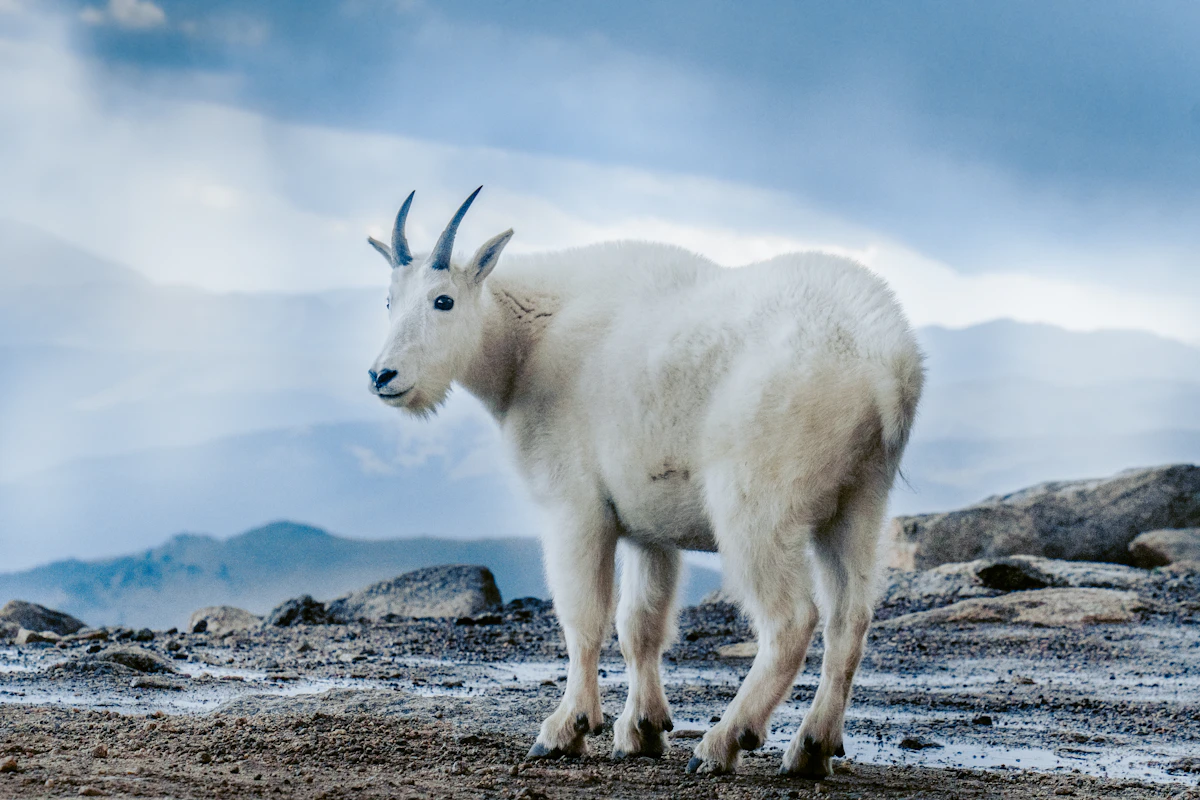
Alaska Guided Mountain Goat Hunts 2027: Costs, Tags, Draw Odds & Outfitters
For a U.S. nonresident planning an: Alaska Mountain Goat Hunt In 2027, the most important rule is: You Generally Cannot Hunt Mountain Goat Alone. ## Alaska Guided Mountain Goat Hunts 2027: Summary Alaska offers guided mountain goat hunting opportunities on Kodiak Island, the Kenai Peninsula, Southeast Alaska, and Southcentral Alaska. U.S. nonresident hunters generally must hire a licensed guide or hunt with a qualifying Alaska resident relative. Guided mountain goat hunts currently start around **$12,500**, with total trip costs commonly reaching **$15,000–$20,000+** after transportation, licenses, locking tags, and travel expenses. Alaska does not use preference points or bonus points for mountain goat drawings. Hunters may currently submit up to six drawing applications, while certain areas offer registration hunts that do not require winning a drawing. Some drawing hunts require a guide-client contract before applying. Hunters should compare historical draw odds, hunt numbers, outfitter availability, and total costs before booking. Final 2027 regulations, application deadlines, and permit requirements should be verified through the [Alaska Department of Fish and Game](https://www.adfg.alaska.gov/index.cfm?adfg=goathunting.main). Use [TAGZ](https://www.getmytagz.com/) to research hunting opportunities and plan your 2027 applications.
Related
Alaska Mountain Goat Draw Odds 2027: Tags, Hunts & Strategy
Alaska mountain goat drawing permits are awarded through a random lottery without preference points or bonus points. First-time applicants can compete for the same permits as longtime applicants. Under current rules, hunters may submit up to six drawing applications per species, including repeat entries for an eligible hunt. The standard drawing application period runs from November 1 through December 15, and the current individual mountain goat drawing application fee is $5 per hunt. For U.S. nonresidents, mountain goat hunting generally requires accompaniment by an Alaska-licensed guide or an eligible Alaska resident relative who meets the state's second-degree-of-kindred requirements. The supplied current state fees are $160 for a nonresident hunting license and $600 for a nonresident mountain goat locking tag, excluding drawing applications, guiding, and travel. Final 2027 draw odds are not yet known. Hunters should use completed historical drawing results and the applicable ADF&G drawing supplement when comparing hunts.
Next
Arizona Elk Draw Odds With 5 Points 2027: Best Strategy
If you have: 5 Arizona Elk Bonus Points going into the: 2027 Arizona Elk Draw, you have more drawing weight than an applicant with: Zero Points. But five points do not mean: You Have Preference Over Everyone With Fewer Points. Arizona uses: Bonus Points —not: Preference Points. Each bonus point gives your application: An Additional Random Number during applicable phases of the draw. With: 5 Bonus Points, your application receives: One Base Random Number + Five Bonus-Point Random Numbers before accounting for any applicable: Loyalty Bonus Point or: Hunter Education Bonus Point. The lowest number generated for your application is used. Five points can therefore: Improve Your Probability without: Guaranteeing A Tag. For many of Arizona's most sought-after: Early Bull Elk Hunts, five points will generally not place an applicant near the point level needed to receive a tag through: The 20% Bonus Pass. But that does not mean: You Have No Chance. You can still draw through: Arizona's Randomized First/Second Choice Pass. That distinction is the key to understanding: Arizona Elk Draw Odds With Five Points 2027.