Alaska Mountain Goat Draw Odds 2027: Complete Guide to Hunts, Applications & Nonresident Requirements
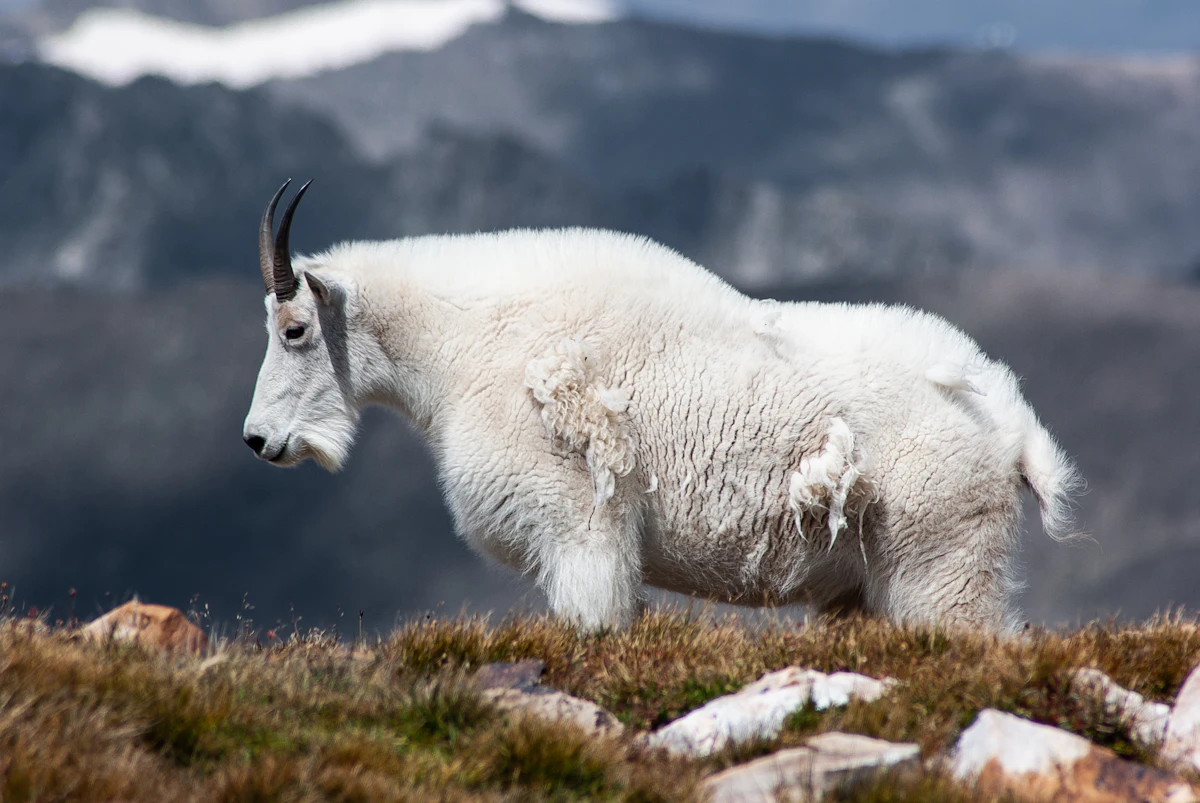
Alaska offers some of North America's most challenging mountain goat hunting opportunities. From the rugged Kenai Peninsula to Southeast Alaska and Kodiak Island, hunters can pursue mountain goats in steep, remote country where weather, access, and physical preparation matter as much as obtaining a permit.
For hunters researching Alaska mountain goat draw odds in 2027, the first thing to understand is that Alaska does not use preference points or bonus points for its standard mountain goat drawing.
Every annual drawing provides a new opportunity, regardless of how many times a hunter has applied unsuccessfully.
However, Alaska mountain goat permits are not all equally difficult to draw. Hunt numbers, permit quotas, applicant demand, residency rules, and guide requirements vary considerably.
Alaska also offers registration mountain goat hunts that operate differently from limited drawing permits.
This guide covers Alaska's mountain goat drawing system, historical hunt information, application strategies, nonresident costs, guide requirements, and the regulations hunters should understand before planning a 2027 hunt.
Alaska Mountain Goat Draw: Quick Facts
QuestionCurrent rule or planning informationPreference pointsNoneBonus pointsNoneDrawing systemRandom lotteryFirst-time applicants eligibleYesMaximum drawing applicationsSix per speciesRepeat applications for one huntAllowed under current rulesCurrent application fee$5 per individual hunt applicationStandard application periodNovember 1–December 15Drawing hunt prefixDGRegistration hunt prefixRGU.S. nonresident guide requirementLicensed guide or qualifying Alaska resident relativeCurrent U.S. nonresident license$160Current U.S. nonresident goat locking tag$600Registration goat hunts availableYes, depending on areaConfirmed 2027 drawing percentagesNot yet available
These are current or historical planning references from the supplied research, not a guarantee that every requirement or fee will remain unchanged for 2027.
Does Alaska Have Mountain Goat Preference Points?
No. Alaska does not use a traditional preference-point system for mountain goat drawing permits.
Hunters do not accumulate additional priority from unsuccessful applications.
Someone who has applied for 15 years does not automatically receive preference over someone applying for the first time.
Does Alaska Have Mountain Goat Bonus Points?
No. Alaska also does not use a weighted bonus-point system for its standard mountain goat drawing.
Each valid drawing entry participates under the applicable random drawing procedures.
Does Applying Every Year Improve Your Odds?
Applying every year gives hunters additional annual opportunities, but unsuccessful applications do not increase their priority in future drawings.
The 2027 drawing is a new lottery rather than a continuation of previous unsuccessful applications.
This makes Alaska attractive to hunters who do not want to spend decades accumulating points before becoming competitive.
However, a random drawing does not necessarily mean favorable odds. Hunts with very few permits and substantial applicant demand can still be extremely difficult to draw.
How Alaska Mountain Goat Drawing Permits Work
Alaska drawing mountain goat hunts are identified by specific hunt numbers, generally beginning with DG.
Each hunt number represents a defined opportunity with its own regulations and conditions.
These can include:
Game Management Unit and hunt boundaries
Permit quota
Season dates
Residency eligibility
Legal animal restrictions
Reporting requirements
Special education requirements
A hunter researching Alaska mountain goat draw odds should compare the exact DG hunt number rather than relying on a statewide average.
Example: Calculating a Historical Drawing Rate
Suppose a drawing hunt issued 20 permits from 1,000 valid entries.
The basic permit-to-application ratio would be:
20 ÷ 1,000 = 2%
That figure is useful as a simple illustration, but it should not automatically be presented as an individual hunter's exact drawing probability.
Alaska allows multiple applications for the same species, so application totals do not necessarily equal unique hunters.
Party applications and hunt-specific allocation procedures may also affect how published statistics should be interpreted.
For accurate research, use ADF&G's completed drawing reports whenever available.
Alaska Mountain Goat Hunt Codes for 2027 Planning
The supplied research identifies several important drawing and registration mountain goat opportunities.
Hunt numberAreaPermit typeHistorical referenceDG005Southeast AlaskaDrawingUnit 1-area opportunityDG006Southern Revillagigedo IslandDrawing23 permits listed in 2025DG008Southeast AlaskaDrawingUnit 1-area opportunityDG332–DG347Kenai PeninsulaDrawingMultiple Unit 7 huntsDG347Unit 7, SewardDrawing16 permits listed in 2026DG360Unit 15C, Dixon GlacierDrawing40 permits listed in 2026DG720Unit 13DDrawing15 permits listed in 2026RG244Registration area specified by ADF&GRegistration2026–27 reference seasonRG480KodiakRegistration2026–27 reference season
These examples should not be treated as a complete 2027 hunt list.
ADF&G can change hunt numbers, boundaries, quotas, and permit conditions.
Official source: ADF&G Drawing Permit Hunt Supplements


Free to join
Download mobile app
- Detailed draw odds
- Point tracking
- Deadline reminders
- 18 states covered





Free to join
Download mobile app
- Detailed draw odds
- Point tracking
- Deadline reminders
- 18 states covered






Free to join
Download mobile app
- Detailed draw odds
- Point tracking
- Deadline reminders
- 18 states covered

Southeast Alaska Mountain Goat Draw Hunts
Southeast Alaska provides mountain goat opportunities in mountainous coastal terrain.
The supplied research identifies Unit 1A and Unit 1B among areas containing drawing opportunities.
Examples include DG005, DG006, and DG008.
DG006: Southern Revillagigedo Island
The supplied 2025 research identifies DG006 as a Unit 1A mountain goat drawing hunt.
ADF&G listed 23 permits for that historical reference year.
The source also notes specific harvest-reporting and horn-presentation requirements.
These details demonstrate why hunters should review the exact permit conditions instead of assuming every Alaska mountain goat hunt follows identical rules.
Kenai Peninsula Mountain Goat Draw Hunts
The Kenai Peninsula contains numerous mountain goat drawing opportunities, particularly within Unit 7.
The supplied research identifies hunt numbers including DG332, DG333, DG334, DG338, DG339, DG342, DG343, DG344, DG345, DG346, and DG347.
These hunts should be researched individually.
Differences in terrain, access, quota, season, and applicant demand can make one hunt substantially different from another.
DG347: Unit 7, Seward
The supplied 2026 hunt information identifies:
Detail2026 referenceHunt numberDG347AreaUnit 7, SewardPermit quota16SeasonAugust 10–October 15, 2026ResidencyResidents and nonresidents
These are 2026 details, not confirmed 2027 regulations.
DG360: Dixon Glacier Mountain Goat Hunt
DG360 is an example of how permit quotas can change from one regulatory year to another.
The supplied research reports:
YearPermits listed202545202640
For 2026, DG360 was identified as a Unit 15C Dixon Glacier drawing hunt with a season of August 10 through October 15, open to residents and nonresidents.
A reduction from 45 permits to 40 can potentially make a hunt more competitive if application demand remains stable.
However, quota changes alone do not establish the final drawing percentage.
Hunters should evaluate both permit supply and actual applicant demand.
DG720: Unit 13D Mountain Goat Hunt
The supplied 2026 research identifies DG720 as a Unit 13D drawing hunt with:
15 permits
An August 10–November 30, 2026 season
A requirement to complete ADF&G's online mountain goat identification quiz and carry proof in the field
This is an important reminder that Alaska mountain goat hunts can have special requirements beyond simply possessing a drawing permit and hunting license.
Verify whether any education or identification requirements apply to your selected 2027 hunt.
Free to join
Download mobile app
- Detailed draw odds
- Point tracking
- Deadline reminders
- 18 states covered
Free to join
Download mobile app
- Detailed draw odds
- Point tracking
- Deadline reminders
- 18 states covered
Free to join
Download mobile app
- Detailed draw odds
- Point tracking
- Deadline reminders
- 18 states covered
Kodiak Mountain Goat Hunting: Drawing vs. Registration
Kodiak offers mountain goat opportunities through different permit systems.
Depending on the hunt area, hunters may need a drawing permit or a registration permit.
These systems should not be confused.
Kodiak Drawing Hunts
Drawing hunts require applications during Alaska's annual drawing period.
Permits are awarded through the applicable lottery process.
Historical drawing statistics can help hunters evaluate competition for specific DG hunt numbers.
Kodiak Registration Hunts
Registration permits operate under a different management structure.
Some registration hunts may offer unlimited permits, but this does not mean unlimited harvest or unrestricted hunting.
ADF&G can manage harvest through season conditions, reporting requirements, and emergency closures.
RG480: Kodiak Registration Hunt
The supplied 2026 reference identifies:
Detail2026–27 referenceHunt numberRG480Permit typeRegistrationPermit availabilityUnlimitedSeasonAugust 20, 2026–March 31, 2027ResidencyResidents and nonresidents
RG244: Registration Hunt
The supplied research identifies RG244 as another registration opportunity.
For the referenced regulatory year, it lists unlimited registration permits and a September 15, 2026–January 31, 2027 season.
Registration permits do not have conventional drawing odds.
Hunters should instead research registration procedures, harvest objectives, season status, and access.
For Kodiak-specific information, consult ADF&G Kodiak Mountain Goat Hunting Requirements.
Alaska Mountain Goat Application Dates for 2027
The supplied current drawing schedule is:
EventStandard annual scheduleApplications openNovember 1 at 8:00 a.m. Alaska Standard TimeApplications closeDecember 15 at 5:00 p.m. Alaska Standard TimeResultsConfirm through the applicable ADF&G drawing announcement
For hunts taking place in fall 2027, verify the application period associated with the correct regulatory-year supplement.
Alaska regulatory years and calendar years do not always align.
Applications should be checked carefully before submission because drawing applications are final and fees are nonrefundable under the current rules described in the source.
How Many Alaska Mountain Goat Applications Can You Submit?
Under current rules, hunters can submit up to six drawing-hunt applications for the same species.
The six-application limit includes individual and party applications combined.
Hunters may also apply for the same hunt more than once, subject to current eligibility rules.
This creates two general strategies.
Strategy 1: Concentrate on One Mountain Goat Hunt
Hunters who want one specific DG hunt may choose to submit multiple entries for that hunt.
This concentrates their available drawing opportunities on a single destination.
Strategy 2: Apply for Several Different Hunts
Hunters willing to pursue mountain goats in several areas may distribute entries across multiple hunt numbers.
This can provide exposure to different drawing opportunities.
Which Strategy Is Better?
The answer depends on whether your priority is drawing one particular hunt or obtaining any suitable mountain goat opportunity.
Do not apply for a hunt solely because its historical drawing percentage appears attractive.
A permit is only useful if you can legally, safely, and affordably hunt the area.
Do Nonresidents Need a Guide for Alaska Mountain Goats?
Yes, with an important exception.
A U.S. nonresident mountain goat hunter must generally be personally accompanied in the field by either:
An Alaska-licensed guide.
An eligible Alaska resident relative who meets the state's second-degree-of-kindred requirements.
The qualifying relative must satisfy the applicable relationship, residency, and licensing requirements.
This is a legal hunting requirement, not simply a recommendation to hire an outfitter.
Nonresident Alien Guide Requirements
Nonresident aliens are subject to broader guide requirements when hunting Alaska big game.
The supplied research states that nonresident aliens must use an Alaska-licensed guide for big-game hunting.
Hunters should verify current requirements directly with ADF&G before applying.
Find a Guide Before Applying
Nonresidents without a qualifying Alaska resident relative should research licensed guide availability before submitting mountain goat drawing applications.
Guide operations may be limited to particular areas, and not every guide serves every DG hunt.
Ask potential outfitters whether they operate in the exact hunt area you intend to apply for.
Alaska Mountain Goat License, Application & Tag Costs
The supplied research identifies the following current fees.
FeeU.S. nonresidentNonresident alienAnnual hunting license$160$630Mountain goat locking tag$600$800Drawing application$5 per applicable individual entryVerify applicable fee
For a U.S. nonresident, the hunting license and mountain goat locking tag total $760 before drawing fees, guide costs, transportation, and other expenses.
Six individual drawing entries at $5 each would add $30 under the supplied fee structure.
These figures are planning references and should be checked against official 2027 pricing.
Official source: ADF&G License, Stamp and Tag Prices
Free to join
Download mobile app
- Detailed draw odds
- Point tracking
- Deadline reminders
- 18 states covered
Free to join
Download mobile app
- Detailed draw odds
- Point tracking
- Deadline reminders
- 18 states covered
Free to join
Download mobile app
- Detailed draw odds
- Point tracking
- Deadline reminders
- 18 states covered
How Much Does an Alaska Mountain Goat Hunt Cost?
The total cost depends heavily on residency, guide requirements, location, and transportation.
An Alaska resident planning a do-it-yourself hunt may face costs related to travel, camping equipment, food, access, and transportation.
A nonresident guided hunt may require a much larger budget.
Major expenses can include:
Licensed guide or outfitter
Hunting license and locking tag
Drawing application fees
Commercial flights
Bush plane or boat transportation
Lodging and food
Specialized mountain equipment
Meat and trophy shipping
Tips and contingency expenses
Some guided mountain goat hunts can become major five-figure trips, but there is no single universal 2027 price supported by the supplied research.
Request current outfitter quotes for the exact area and hunt duration.
Alaska Mountain Goat Regulations: Nanny Harvest and Identification
Mountain goat management places particular importance on female harvest because female goats generally have lower sustainable harvest rates than males.
Hunters should learn to distinguish billies from nannies before entering the field.
Can You Harvest a Nanny?
Legal-animal restrictions vary by hunt.
The supplied research notes that nannies accompanied by kids are commonly protected under hunt-specific conditions.
Some areas also impose multi-year restrictions after a hunter harvests a nanny.
For example, the supplied Unit 7 and Unit 15 references describe five-regulatory-year restrictions on taking another goat in those units after harvesting a nanny.
The source identifies similar restrictions for certain Unit 6 registration hunts.
Do not assume every Alaska mountain goat permit has identical sex restrictions or penalties.
Read the exact permit conditions.
Mountain Goat Identification Training
Some hunts require successful completion of an ADF&G mountain goat identification quiz.
Hunters should complete any required training before traveling and carry the required documentation.
Why Goat Identification Matters
Horn length alone is not a reliable way to identify sex.
Hunters should use multiple physical and behavioral characteristics and avoid rushing identification decisions.
For official information, visit ADF&G Mountain Goat Hunting.
Alaska Mountain Goat Emergency Orders and Season Closures
Alaska mountain goat hunts can be affected by emergency orders.
ADF&G may change or close hunting opportunities when management conditions require it.
This is especially important for registration hunts.
A printed closing date does not guarantee that a season will remain open until that date.
Check official emergency orders before traveling and again before hunting.
Alaska Mountain Goat Hunting Terrain and Access
Alaska mountain goat hunting frequently takes place in steep, wet, exposed terrain.
Depending on the hunt, hunters may encounter cliffs, loose rock, snow, ice, alder, glaciers, and significant elevation changes.
A permit with favorable historical drawing odds can still represent a physically demanding and expensive hunt.
Research Access Before Applying
Depending on the location, reaching mountain goat country may involve roads, boats, bush planes, hiking, or combinations of transportation.
Before applying, determine how you will enter and leave the hunting area.
Plan for Weather Delays
Rain, fog, snow, and high winds can disrupt transportation and hunting.
Build flexibility into travel arrangements whenever possible.
Consider Recovery Before Shooting
Mountain goats often occupy terrain where recovering an animal can be dangerous or impossible.
Before taking a shot, consider where the animal may fall and whether recovery can be completed safely.
Prepare for the Pack-Out
Hunters should plan for transporting meat through steep terrain while complying with all applicable salvage requirements.
Fitness, route selection, balance, and conservative judgment are essential.
Carry Emergency Communication Equipment
Many Alaska mountain goat areas have limited or no cellular coverage.
A satellite communication device or another appropriate emergency communication system can be an important part of a remote hunting plan.
Free to join
Download mobile app
- Detailed draw odds
- Point tracking
- Deadline reminders
- 18 states covered
Free to join
Download mobile app
- Detailed draw odds
- Point tracking
- Deadline reminders
- 18 states covered
Free to join
Download mobile app
- Detailed draw odds
- Point tracking
- Deadline reminders
- 18 states covered
Best Alaska Mountain Goat Draw Strategies for 2027
1. Identify the Exact Permit Type
Determine whether the hunt is a drawing, registration, or other permitted opportunity before researching odds.
2. Compare DG Hunt Numbers Individually
Avoid using one statewide mountain goat drawing percentage.
3. Review Several Completed Years
Look for changes in quotas and applicant demand rather than relying on one historical result.
4. Use Your Six Applications Intentionally
Decide whether to concentrate entries or diversify across eligible hunts.
5. Confirm Nonresident Guide Requirements
If you do not have a qualifying Alaska resident relative, investigate licensed guide availability early.
6. Evaluate Access and Terrain
Drawing probability does not measure physical difficulty.
7. Calculate Total Hunt Costs
The application fee is often the smallest expense.
8. Understand Nanny Harvest Rules
Learn the legal-animal requirements and consequences of female harvest.
9. Complete Required Education
Some hunts require mountain goat identification training.
10. Monitor Emergency Orders
Confirm that your hunt remains open before traveling and while in the field.
Alaska Mountain Goat Draw Odds 2027: Frequently Asked Questions
Does Alaska have mountain goat preference points?
No. Alaska's standard mountain goat drawing does not use preference points.
Does Alaska have mountain goat bonus points?
No. Alaska uses a random drawing system without accumulated bonus points.
Can a first-time applicant draw an Alaska mountain goat permit?
Yes. A first-time applicant can compete in the same drawing as longtime applicants.
How many Alaska mountain goat applications can I submit?
Under current rules, up to six applications per species, including individual and party entries combined.
Can I apply for the same hunt more than once?
Yes, subject to the current species application limit and hunt eligibility requirements.
How much does an Alaska mountain goat drawing application cost?
The supplied current fee is $5 per applicable individual hunt application.
When is the Alaska mountain goat drawing deadline?
The standard annual drawing period identified in the source closes December 15 at 5:00 p.m. Alaska Standard Time. Verify the applicable year's official deadline.
Do nonresidents need a guide for Alaska mountain goats?
U.S. nonresidents generally need an Alaska-licensed guide or a qualifying Alaska resident relative who meets the second-degree-of-kindred requirements.
How much is a nonresident Alaska mountain goat tag?
The supplied current nonresident mountain goat locking-tag fee is $600, separate from the hunting license and drawing fees.
Does Kodiak have mountain goat drawing hunts?
Yes. Kodiak offers drawing and registration opportunities depending on the area.
What does DG mean in Alaska?
DG identifies drawing mountain goat hunts.
What does RG mean in Alaska?
RG identifies registration mountain goat hunts.
Do registration goat hunts have draw odds?
No. Registration hunts operate under a different permit structure.
Can Alaska close a mountain goat hunt early?
Yes. Emergency orders may alter or close hunts when management objectives require it.
Can hunters legally harvest nannies?
Rules vary by hunt. Some hunts prohibit taking nannies accompanied by kids, and harvesting a nanny can trigger multi-year restrictions in certain units.
Are final 2027 Alaska mountain goat draw odds available?
No. Final drawing probabilities depend on the applicable applicant pool, permit allocation, and completed drawing results.
Plan Your 2027 Alaska Mountain Goat Hunt With TAGZ
Alaska's mountain goat drawing system offers an important opportunity for first-time applicants because there are no preference points or bonus points to accumulate.
However, obtaining a permit is only one part of planning a successful hunt.
Hunters should evaluate exact hunt numbers, historical application demand, quotas, guide availability, transportation, physical difficulty, legal-animal restrictions, and total cost.
TAGZ was founded by hunters, guides, and outfitters with firsthand experience navigating Western big-game draw systems.
Our goal is to help hunters research opportunities, understand application rules, and build practical multi-state hunting plans.
Explore:
For 2027, don't choose an Alaska mountain goat hunt based on draw odds alone. Choose a hunt you can legally access, afford, and safely complete.
Official Alaska Mountain Goat Hunting Resources
ADF&G Drawing Permit Hunt Supplements
Official drawing hunt numbers, permit conditions, and regulatory-year information.
Mountain goat hunting information and management resources.
ADF&G Kodiak Mountain Goat Hunting Requirements
Kodiak-specific mountain goat hunting requirements.
Official statewide and area-specific hunting regulations.
ADF&G Drawing Permit Hunt Information
Application information and drawing procedures.
TAGZ Editorial Standards
TAGZ is a hunting draw-odds and planning platform founded by hunters, guides, and outfitters.
Our hunting content focuses on official wildlife agency regulations, completed historical drawing data, practical application strategies, and distinctions between drawing, registration, and other hunting opportunities.
This article retains the historical hunt examples and fee information from the supplied research while distinguishing them from confirmed 2027 regulations.
Important: Alaska may change hunt numbers, permit quotas, boundaries, season dates, guide requirements, fees, and eligibility rules. Always consult the applicable ADF&G drawing supplement and current hunting regulations before applying or hunting.
Editorial note: Updated October 7, 2026. Historical details and current fee figures were retained from the supplied research and have not been independently verified against live ADF&G records in this revision.
Was this article helpful?
Previous
Alaska Guided Mountain Goat Hunts 2027: Costs, Tags, Draw Odds & Outfitters
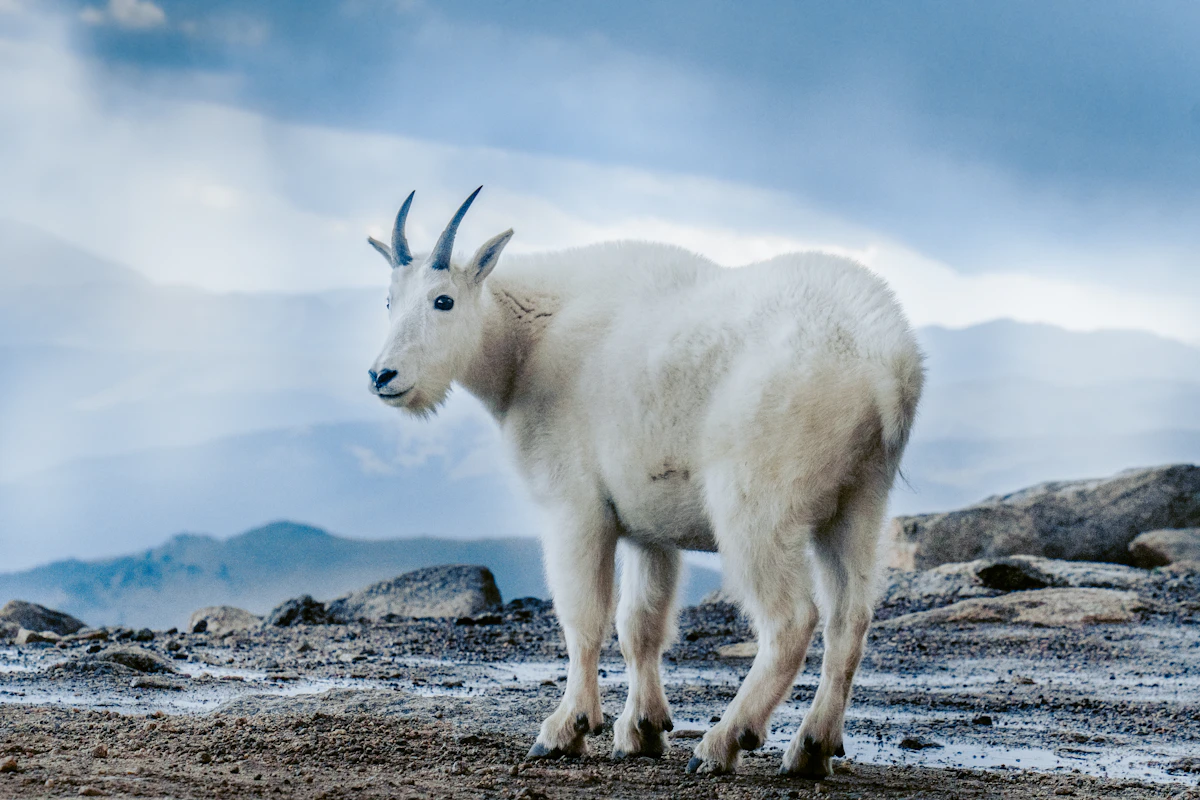
For a U.S. nonresident planning an: Alaska Mountain Goat Hunt In 2027, the most important rule is: You Generally Cannot Hunt Mountain Goat Alone. ## Alaska Guided Mountain Goat Hunts 2027: Summary Alaska offers guided mountain goat hunting opportunities on Kodiak Island, the Kenai Peninsula, Southeast Alaska, and Southcentral Alaska. U.S. nonresident hunters generally must hire a licensed guide or hunt with a qualifying Alaska resident relative. Guided mountain goat hunts currently start around **$12,500**, with total trip costs commonly reaching **$15,000–$20,000+** after transportation, licenses, locking tags, and travel expenses. Alaska does not use preference points or bonus points for mountain goat drawings. Hunters may currently submit up to six drawing applications, while certain areas offer registration hunts that do not require winning a drawing. Some drawing hunts require a guide-client contract before applying. Hunters should compare historical draw odds, hunt numbers, outfitter availability, and total costs before booking. Final 2027 regulations, application deadlines, and permit requirements should be verified through the [Alaska Department of Fish and Game](https://www.adfg.alaska.gov/index.cfm?adfg=goathunting.main). Use [TAGZ](https://www.getmytagz.com/) to research hunting opportunities and plan your 2027 applications.
Related
Arizona Elk Draw Odds With 5 Points 2027: Best Strategy
If you have: 5 Arizona Elk Bonus Points going into the: 2027 Arizona Elk Draw, you have more drawing weight than an applicant with: Zero Points. But five points do not mean: You Have Preference Over Everyone With Fewer Points. Arizona uses: Bonus Points —not: Preference Points. Each bonus point gives your application: An Additional Random Number during applicable phases of the draw. With: 5 Bonus Points, your application receives: One Base Random Number + Five Bonus-Point Random Numbers before accounting for any applicable: Loyalty Bonus Point or: Hunter Education Bonus Point. The lowest number generated for your application is used. Five points can therefore: Improve Your Probability without: Guaranteeing A Tag. For many of Arizona's most sought-after: Early Bull Elk Hunts, five points will generally not place an applicant near the point level needed to receive a tag through: The 20% Bonus Pass. But that does not mean: You Have No Chance. You can still draw through: Arizona's Randomized First/Second Choice Pass. That distinction is the key to understanding: Arizona Elk Draw Odds With Five Points 2027.
Next
Colorado Leftover Tags 2027: Elk, Deer & Reissue Guide
Colorado leftover tags are limited hunting licenses that remain available after the primary and secondary draws. They are generally sold on a first-come, first-served basis through Colorado Parks and Wildlife. Hunters can potentially purchase available leftover elk, deer, pronghorn, and bear licenses without using preference points. Residents and nonresidents may participate, subject to eligibility and annual license restrictions. Colorado also operates a separate reissue process for licenses returned or otherwise made available after their original allocation. Under the current system described by CPW, weekly reissue preview lists are generally posted Tuesdays around 11 a.m. Mountain Time, with listed licenses released for purchase Wednesdays around 11 a.m. Special rules apply to certain high-demand returned licenses, including deer, elk, pronghorn, and bear hunts that required five or more resident preference points. The 2026 leftover sale began August 4, but the official 2027 sale date must be verified when CPW publishes its 2027 information. For hunters who want to hunt Colorado without spending accumulated preference points, leftover licenses and returned tags can be valuable opportunities—provided they understand hunt codes, access restrictions, and the speed of first-come sales.