Alaska Guided Mountain Goat Hunts 2027: Costs, Tags, Draw Odds & Outfitters
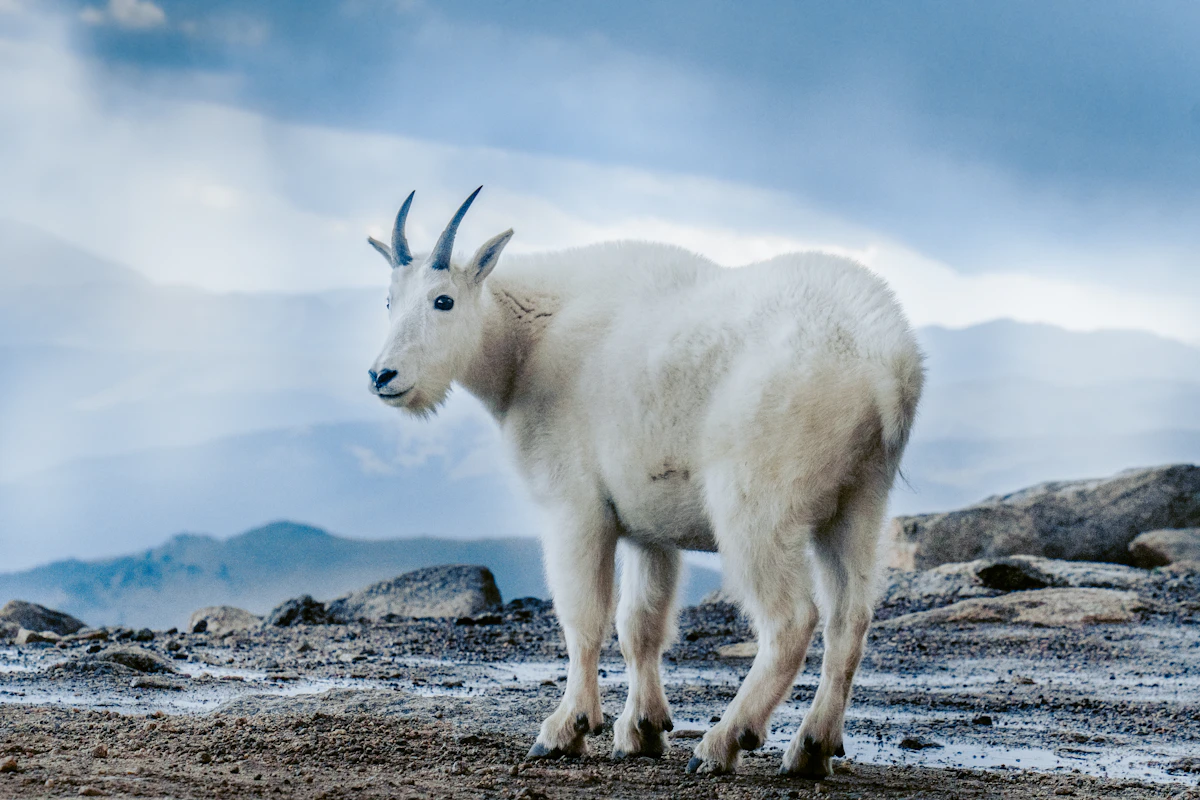
Alaska Guided Mountain Goat Hunts 2027: Complete Guide to Costs, Draw Odds, Outfitters, Tags & Hunting Regulations
An Alaska mountain goat hunt is one of North America's most demanding big game hunting experiences. Steep coastal mountains, unpredictable weather, remote wilderness, and challenging animal recovery make mountain goat hunting considerably different from a typical deer or elk hunt.
For nonresident hunters planning an Alaska mountain goat hunt in 2027, choosing the right outfitter is only part of the process.
Hunters must understand Alaska's guide requirements, drawing and registration permits, hunt-specific application rules, transportation expenses, and the physical demands of hunting mountain goats in difficult terrain.
Unlike many Western states, Alaska does not use preference points or bonus points for mountain goat drawing permits. Every eligible applicant has an opportunity in the random drawing, although actual drawing odds vary by hunt.
Some areas also offer registration permits, providing potential hunting opportunities without winning a drawing.
This guide covers Alaska guided mountain goat hunt costs, nonresident license and locking-tag fees, Kodiak and Kenai hunting opportunities, guide requirements, drawing deadlines, outfitter selection, and practical strategies for planning a successful 2027 hunt.
Alaska Guided Mountain Goat Hunts 2027: Summary
Alaska offers guided mountain goat hunting opportunities in Kodiak, the Kenai Peninsula, Southeast Alaska, and other Southcentral regions. U.S. nonresident hunters generally must be personally accompanied by an Alaska-licensed guide or a qualifying Alaska resident relative within the second degree of kindred.
Published guided hunt examples in the supplied research start around $12,500, with realistic total trip budgets often reaching $15,000–$20,000 or more after transportation, licenses, locking tags, airfare, gratuities, and other expenses.
Alaska mountain goat hunts may use drawing permits (DG) or registration permits (RG). The state does not use preference points, and eligible hunters can currently submit up to six drawing applications for the species, subject to application rules.
Some nonresident drawing hunts require a guide-client contract before or at the time of application. Hunters should therefore identify their intended hunt numbers and coordinate with an authorized outfitter before applying.
For 2027, hunters should compare historical draw odds, guide availability, access logistics, total costs, and permit conditions. Final requirements should be verified through the Alaska Department of Fish and Game.
Alaska Mountain Goat Hunting 2027: Quick Facts
Category2027 Planning InformationGuided hunt price example$12,500Estimated total guided trip$15,000–$20,000+Current U.S. nonresident hunting license$160Current nonresident mountain goat locking tag$600Current drawing application fee$5 per applicationMaximum goat drawing applicationsUp to 6, subject to rulesPreference pointsNoneBonus pointsNoneDrawing hunt prefixDGRegistration hunt prefixRGNonresident guide requirementLicensed guide or qualifying resident relativeMountain goat identification quizRequired under current hunt conditionsFinal 2027 hunt quotasVerify with ADF&G
Prices are historical/current planning figures from the supplied research, not guaranteed 2027 rates.
How Much Does an Alaska Guided Mountain Goat Hunt Cost in 2027?
The cost of a guided Alaska mountain goat hunt depends on the hunting region, outfitter, hunt length, transportation requirements, and services included in the package.
Published examples in the supplied research advertise guided mountain goat hunts for approximately $12,500.
However, that figure does not necessarily include bush flights, boat charters, state licensing fees, commercial airfare, accommodations, or shipping expenses.
Hunters should compare total trip costs rather than relying solely on advertised outfitter prices.
Alaska Guided Mountain Goat Hunt Cost Breakdown
ExpensePlanning CostGuided mountain goat hunt$12,500+Air or boat charter$0–$2,000+Nonresident hunting license$160Mountain goat locking tag$600Drawing applications$5 eachCommercial airfare$500–$1,500+Hotels and meals$200–$1,000+Guide gratuityAdditionalMeat processing and shippingAdditionalTaxidermyOptional, additional
A realistic total budget for many nonresident guided mountain goat trips may reach $15,000–$20,000 or more.
Premium hunts involving remote aircraft access, longer hunt durations, or complex transportation can exceed that range.
Example Alaska Mountain Goat Hunt Budget
Consider a hypothetical 2027 hunt using published prices from the supplied research.
ExpenseCostGuided hunt$12,500Air or boat charter$1,250Nonresident hunting license$160Mountain goat locking tag$600Six drawing applications$30Subtotal$14,540
This subtotal excludes commercial airfare, accommodations, gratuities, processing, taxidermy, and shipping.
The example illustrates why an advertised $12,500 hunt can become a substantially more expensive trip.
Are All $12,500 Guided Hunts the Same?
No.
One outfitter may include bush flights, camp, meals, and transportation in the advertised price.
Another may charge separately for aircraft access, boat transportation, or additional travel days.
Before booking, request a written list of included and excluded expenses.
Alaska Nonresident Mountain Goat License and Tag Costs
Alaska requires nonresident mountain goat hunters to obtain the appropriate hunting license and mountain goat locking tag.
The supplied research identifies the following current fees.
License or FeeCurrent AmountU.S. nonresident annual hunting license$160Nonresident mountain goat locking tag$600Individual drawing application$5
The hunting license and locking tag total $760 before application fees and outfitter expenses.
The drawing application fee is separate from the hunting license and locking tag.
Paying $5 for a drawing application does not purchase a mountain goat tag or guarantee a hunting opportunity.
Hunters should verify current licensing requirements through the Alaska Department of Fish and Game licensing system.
Do Nonresidents Need a Guide to Hunt Mountain Goats in Alaska?
Yes, in most circumstances.
Under Alaska law, a U.S. nonresident hunting mountain goats must be personally accompanied by an Alaska-licensed guide or a qualifying Alaska resident relative within the second degree of kindred.
A nonresident cannot satisfy this requirement simply by hiring someone to scout and then hunting alone.
The accompanying individual must meet the applicable legal requirements.
Can an Alaska Resident Friend Guide a Nonresident Mountain Goat Hunter?
Not merely because the person lives in Alaska.
The exemption applies to qualifying family relationships under Alaska's second-degree-of-kindred rules.
Hunters should not assume that a friend, cousin, or hunting partner automatically qualifies.
What About Nonresident Alien Hunters?
Nonresident aliens are subject to stricter guide requirements for Alaska big game hunting.
They generally must be accompanied by an Alaska-licensed guide when hunting any Alaska big game species.
Review the official ADF&G guide requirements before planning a hunt.


Free to join
Download mobile app
- Detailed draw odds
- Point tracking
- Deadline reminders
- 18 states covered





Free to join
Download mobile app
- Detailed draw odds
- Point tracking
- Deadline reminders
- 18 states covered






Free to join
Download mobile app
- Detailed draw odds
- Point tracking
- Deadline reminders
- 18 states covered

Alaska Mountain Goat Draw Odds and Preference Points
Alaska's mountain goat drawing system differs from preference-point states such as Colorado or Wyoming.
Alaska does not award preference points or bonus points for mountain goat drawing permits.
An applicant who has been unsuccessful for 15 years does not automatically receive additional drawing weight compared with an eligible first-time applicant.
Drawing permits are awarded through Alaska's random drawing process.
Can You Draw an Alaska Mountain Goat Tag on Your First Application?
Yes.
First-time applicants can draw mountain goat permits because the state does not use a point-based priority system.
However, the probability of drawing depends on the exact hunt number, available permits, and number of applicants.
How Many Alaska Mountain Goat Applications Can You Submit?
Under current rules described in the source, hunters may submit up to six drawing applications for mountain goats, subject to Alaska's application requirements.
At the current $5 individual application fee, six applications cost $30.
Hunters should use these applications strategically.
Applying for six unrelated hunts without considering guide availability, access, season dates, or costs can create problems if a permit is awarded.
How to Research Alaska Mountain Goat Draw Odds
Hunters should compare historical application and permit information for the exact hunt number.
Relevant factors include:
Hunt number and permit type
Number of permits available
Historical applications
Historical drawing results
Resident and nonresident eligibility
Guide-client contract requirements
Hunting dates and access
Available outfitters
Historical draw odds can help hunters plan, but they do not guarantee future results.
Review the ADF&G drawing permit information.
Alaska Mountain Goat Drawing Permits vs. Registration Permits
Alaska offers different mountain goat permit structures depending on the area.
Understanding the distinction between drawing and registration hunts is one of the most important parts of planning.
Drawing Mountain Goat Hunts — DG Permits
Drawing mountain goat hunt numbers generally begin with DG.
Hunters must submit an application during the designated drawing period and receive a permit through the drawing process.
Some nonresident drawing hunts also require a guide-client contract before or at application.
Registration Mountain Goat Hunts — RG Permits
Registration mountain goat hunt numbers generally begin with RG.
These permits do not require winning a drawing.
However, registration hunts may have specific permit conditions, harvest objectives, and emergency closure provisions.
Some registration opportunities may list unlimited permits, but that does not mean unlimited harvest.
Drawing vs. Registration Mountain Goat Hunts
FeatureDrawing PermitRegistration PermitCommon hunt prefixDGRGRandom drawing requiredYesNoPermit availabilityLimited by drawing quotaVaries by huntPreference pointsNoneNoneGuide requirement for nonresidentsAppliesAppliesEmergency closuresPossiblePossibleHunt-specific rulesRequiredRequired
Hunters should confirm the exact hunt number before booking an outfitter.
Alaska Mountain Goat Drawing Application Deadline 2027
Alaska's current annual drawing application calendar generally runs from November 1 through December 15.
The source identifies an opening time of 8:00 a.m. Alaska Standard Time and a closing time of 5:00 p.m. Alaska Standard Time.
For hunters pursuing fall 2027 drawing hunts, the relevant application cycle is generally in late 2026.
The exact schedule must be confirmed through the applicable ADF&G Drawing Hunt Supplement.
Why You Should Contact a Guide Before Applying
Certain nonresident drawing hunts require a guide-client contract before or at the time of application.
This means hunters should not automatically assume they can draw a mountain goat permit and then find an outfitter afterward.
The recommended process is:
Research the intended mountain goat hunting region.
Identify the exact DG hunt number.
Contact licensed guides operating in that area.
Verify guide availability and Guide Use Area registration.
Confirm whether a contract or verification code is required.
Submit the application according to ADF&G instructions.
For official application procedures, review ADF&G drawing permit information.
Alaska Guide Use Areas and Outfitter Requirements
Alaska regulates commercial big game guiding through designated Guide Use Areas, commonly called GUAs.
A registered or master guide-outfitter must be properly authorized to provide guiding services in the applicable area.
An outfitter specializing in Kodiak mountain goat hunts is not automatically authorized to guide every Kenai Peninsula or Southeast Alaska hunt.
What Is a Guide Verification Code?
For applicable nonresident drawing hunts requiring a guide-client contract, the guide may need to provide a unique verification code associated with the application.
Hunters should coordinate with the outfitter before applying.
How to Verify an Alaska Mountain Goat Outfitter
Before sending a deposit, verify the outfitter's professional licensing and applicable Guide Use Area registration.
Useful official resources include the Alaska Big Game Commercial Services Board and Alaska Guide Use Area information.
Ask the outfitter which exact hunt numbers they service and whether they are authorized to operate in the corresponding Guide Use Areas.
Free to join
Download mobile app
- Detailed draw odds
- Point tracking
- Deadline reminders
- 18 states covered
Free to join
Download mobile app
- Detailed draw odds
- Point tracking
- Deadline reminders
- 18 states covered
Free to join
Download mobile app
- Detailed draw odds
- Point tracking
- Deadline reminders
- 18 states covered
Best Alaska Mountain Goat Hunting Regions for 2027
Alaska mountain goat hunting opportunities occur across several major regions.
The best destination depends on permit availability, guide access, terrain, transportation, weather, and individual hunting goals.
Kodiak Island Mountain Goat Hunting
Kodiak is one of Alaska's best-known mountain goat hunting destinations.
Goat hunting opportunities may involve drawing or registration permits depending on the specific area.
Access can require aircraft, boats, and demanding backcountry travel.
For nonresidents, the appropriate guide or qualifying resident-relative requirement applies.
Kodiak Registration Mountain Goat Hunts
Some Kodiak registration hunts provide opportunities without winning a DG drawing permit.
For example, the supplied research identifies RG480 as a Kodiak registration mountain goat hunt for regulatory year 2026.
The historical listing includes unlimited registration permits and a season running from August 20, 2026, through March 31, 2027.
This is not a confirmed schedule for the next regulatory year.
Registration availability also does not guarantee the season will remain open throughout its originally published dates.
Hunters should check current permit conditions and emergency orders.
Review ADF&G Kodiak mountain goat hunting requirements.
Kenai Peninsula Mountain Goat Hunting
The Kenai Peninsula offers mountain goat hunting opportunities in steep coastal mountains and alpine terrain.
Hunts may involve challenging access, glaciers, heavy precipitation, and demanding climbs.
The supplied research identifies an outfitter advertising 2026 guided mountain goat hunts in Game Management Units 7 and 15 for approximately $12,500.
That outfitter also lists a $1,250 per-person air or boat charter charge.
These figures demonstrate the importance of comparing the full cost of an outfitted hunt.
What Makes Kenai Mountain Goat Hunting Challenging?
Hunters should prepare for steep elevation changes, difficult terrain, unpredictable weather, and potentially delayed transportation.
A guide can help with route selection and recovery planning, but hunters still need the physical conditioning required to complete the hunt.
Southeast Alaska Mountain Goat Hunting
Southeast Alaska offers mountain goat hunting opportunities in coastal mountain environments.
Depending on the area, access may involve aircraft, boats, or extended hiking.
Weather is a major planning consideration.
Heavy rain, fog, wind, and rapidly changing conditions can affect visibility, transportation, and hunting safety.
Hunters should discuss expected weather delays and access requirements with their outfitter.
Southcentral Alaska Mountain Goat Hunting
Southcentral Alaska also provides mountain goat hunting opportunities under area-specific drawing and registration structures.
Hunters should research exact hunt numbers rather than relying on broad regional descriptions.
A hunt's permit structure, guide availability, and access conditions can vary considerably within the same region.
How to Choose an Alaska Mountain Goat Outfitter
Choosing the right outfitter is one of the most important decisions a nonresident mountain goat hunter will make.
The lowest advertised price does not necessarily represent the best value.
Hunters should evaluate the outfitter's legal authorization, experience, logistics, guide ratio, hunt conditions, and contract terms.
Questions to Ask Before Booking
Ask prospective outfitters:
Which Guide Use Areas are you registered to operate in?
Which DG or RG mountain goat hunt numbers do you service?
Do I need a guide-client contract before applying?
Is the hunt one hunter per guide?
How many mountain goat hunters did you guide recently?
How many hunters harvested mountain goats?
What transportation is included?
What happens if weather delays the hunt?
What happens to my deposit if I do not draw?
Who handles meat, cape, and trophy transportation?
One-on-One Mountain Goat Hunts
Some Alaska outfitters advertise one hunter per guide.
This arrangement can be valuable in difficult terrain where route finding, animal evaluation, and recovery planning require considerable attention.
However, hunters should not assume every outfitted hunt includes a one-on-one guide ratio.
Confirm the arrangement in writing.
What Should a Guided Mountain Goat Hunt Include?
Depending on the outfitter, a package may include professional guiding, camp, meals, field transportation, scouting, trophy care, meat care, and pack-out services.
Common exclusions can include commercial airfare, charter transportation, licenses, locking tags, hotels, gratuities, taxidermy, processing, and shipping.
Request a detailed written cost breakdown before booking.
Alaska Mountain Goat Hunt Deposits, Weather Delays and Cancellation Policies
Remote Alaska hunting introduces logistical risks that are less common on road-accessible hunts.
Weather can delay aircraft, boats, camp access, hunting days, and pickup.
A hunter may arrive in Alaska on schedule but be unable to reach the hunting area immediately.
Questions About Weather Delays
Before paying a deposit, ask:
Does the hunt begin when I arrive or when I reach camp?
What happens if weather prevents the aircraft from flying?
Are extra days in camp included?
Can the hunt be extended?
What happens if pickup is delayed?
Are charter rescheduling fees included?
The supplied research describes one outfitter that does not charge additional camp fees when weather delays departure from camp.
However, this is an individual outfitter policy, not a statewide guarantee.
What Happens if You Do Not Draw?
Deposit policies vary.
Some outfitters may allow a deposit to roll forward or transfer to another hunt, while others may have different contractual terms.
Hunters should confirm the policy before paying.
Alaska Mountain Goat Identification Quiz and Harvest Rules
Mountain goat identification is an important part of Alaska's management program.
The supplied research states that Alaska requires mountain goat hunters to complete the applicable Mountain Goat Identification Quiz before hunting.
Hunters should confirm the current requirement for their specific permit and carry required proof of completion.
Why Billie and Nanny Identification Matters
Female mountain goats contribute directly to future population recruitment.
Harvesting nannies can therefore have a greater management impact than harvesting males.
Some hunting areas impose restrictions or penalties related to nanny harvest.
Hunters should review their exact permit conditions, including any prohibitions on harvesting nannies accompanied by kids.
Mountain Goat Sex Identification
Hunters should study several field characteristics, including body shape, horn characteristics, urination posture, and group behavior.
No single characteristic should be relied upon in isolation.
A qualified guide can assist with field identification, but hunters should complete the required preparation themselves.
Review ADF&G mountain goat hunting information.
Free to join
Download mobile app
- Detailed draw odds
- Point tracking
- Deadline reminders
- 18 states covered
Free to join
Download mobile app
- Detailed draw odds
- Point tracking
- Deadline reminders
- 18 states covered
Free to join
Download mobile app
- Detailed draw odds
- Point tracking
- Deadline reminders
- 18 states covered
Physical Preparation for an Alaska Mountain Goat Hunt
Mountain goat hunting can involve steep climbs, loose rock, wet vegetation, snow, ice, cliffs, and difficult descents.
Even a well-equipped hunter may struggle without adequate conditioning.
Train for Elevation Gain
Hunters should prioritize uphill hiking, cardiovascular conditioning, leg strength, and loaded-pack training.
Prepare for Difficult Descents
Descending steep terrain with a loaded pack can be as demanding as climbing.
Training should include controlled downhill movement and stability exercises.
Break In Your Hunting Boots
Hunters should train in the same boots they plan to wear in Alaska.
Poorly fitted footwear can create serious problems during a remote mountain hunt.
Plan for Dangerous Recovery Terrain
Mountain goats frequently occupy terrain that is difficult or unsafe for hunters to access.
Before taking a shot, consider where the animal may fall and whether recovery is possible.
A goat standing above a cliff, glacier, crevasse, or inaccessible chute may present an unacceptable recovery risk.
A responsible shot decision includes animal position, wind, distance, personal ability, and recovery conditions.
Essential Gear for Alaska Mountain Goat Hunting
Alaska's coastal weather and rugged terrain require reliable equipment.
Important categories include optics, boots, waterproof clothing, communication equipment, and emergency supplies.
Optics
Binoculars, a spotting scope, tripod, and rangefinder can help hunters locate and evaluate mountain goats from a distance.
Boots
Choose footwear suited to steep terrain, wet conditions, and carrying a loaded pack.
Rain Gear and Layering
Hunters should prepare for sustained precipitation, wind, cold temperatures, and periods of strenuous climbing followed by extended glassing.
Satellite Communication
Many mountain goat hunting areas lack reliable cellular service.
Hunters should discuss satellite communication and emergency procedures with their outfitter.
Meat and Trophy Care
Before hunting, confirm who is responsible for field dressing, quartering, cooling, packing, transportation, processing, and shipping.
Transporting meat from the mountain to camp is different from transporting it from Alaska to the hunter's home.
These costs and responsibilities should be established before the hunt.
Alaska Guided Mountain Goat Hunt Strategy for 2027
An effective Alaska mountain goat application strategy starts with identifying hunts that are legally and logistically practical.
For nonresident hunters, this means researching guide availability before selecting drawing applications.
Strategy 1: Choose a Region
Compare Kodiak, the Kenai Peninsula, Southeast Alaska, and Southcentral opportunities based on terrain, transportation, and personal goals.
Strategy 2: Identify Exact Hunt Numbers
Determine whether the opportunity is a DG drawing hunt or an RG registration hunt.
Review current permit conditions.
Strategy 3: Verify Guide Availability
Confirm that a properly authorized guide can operate in the intended area and is available for the relevant season.
Strategy 4: Compare Historical Draw Odds
Review historical application demand and permit quotas for the exact hunt number.
Alaska does not use preference points, so long-term point accumulation is not part of the strategy.
Strategy 5: Use Applications Strategically
Eligible hunters may currently submit up to six mountain goat drawing applications.
Coordinate selections with your outfitter rather than applying for unrelated hunts that may be impractical to book.
Strategy 6: Compare Total Costs
Include outfitter fees, charter transportation, state licenses, locking tags, airfare, accommodations, gratuities, processing, and shipping.
Strategy 7: Prepare for the Terrain
Begin physical conditioning well before the hunt.
Discuss expected hiking distances, elevation gain, pack weight, and technical terrain with the outfitter.
Free to join
Download mobile app
- Detailed draw odds
- Point tracking
- Deadline reminders
- 18 states covered
Free to join
Download mobile app
- Detailed draw odds
- Point tracking
- Deadline reminders
- 18 states covered
Free to join
Download mobile app
- Detailed draw odds
- Point tracking
- Deadline reminders
- 18 states covered
Alaska Guided Mountain Goat Hunts 2027: Planning Timeline
Planning PeriodRecommended ActionSpring–Summer 2026Research hunting regions and permit typesSummer–Fall 2026Contact licensed outfitters and compare costsBefore November 2026Confirm guide-client contract requirementsNovember–December 2026Submit applicable 2027 drawing applicationsAfter drawing resultsFinalize hunt dates and transportationWinter–Summer 2027Train, test equipment, and arrange travelBefore huntingVerify permit, license, locking tag, identification quiz, and emergency orders
This timeline is a planning framework. Hunters should confirm actual drawing deadlines and season dates through ADF&G.
Alaska Guided Mountain Goat Hunts 2027: Frequently Asked Questions
How much does a guided Alaska mountain goat hunt cost?
Published outfitter examples in the supplied research start around $12,500. Total nonresident trip costs can reach approximately $15,000–$20,000 or more.
Do nonresidents need a guide for Alaska mountain goat hunting?
Yes, unless a qualifying Alaska resident relative personally accompanies the hunter under the applicable legal exemption.
How much is an Alaska nonresident mountain goat locking tag?
The current fee in the supplied research is $600.
How much is an Alaska nonresident hunting license?
The current annual fee in the supplied research is $160.
How much does an Alaska mountain goat drawing application cost?
The current application fee is $5 per hunt application.
Does Alaska use mountain goat preference points?
No. Alaska does not use preference or bonus points for mountain goat drawing permits.
Can first-time applicants draw mountain goat permits?
Yes. First-time applicants can draw because the state uses a random drawing system without preference points.
How many mountain goat drawing applications can you submit?
Under current rules, eligible hunters can submit up to six applications for the species, subject to the applicable drawing requirements.
Can you hunt Alaska mountain goats without winning a drawing?
Potentially. Some areas offer registration permits and other opportunities, depending on current regulations.
What is an Alaska DG mountain goat hunt?
DG generally identifies a drawing-permit mountain goat hunt.
What is an Alaska RG mountain goat hunt?
RG generally identifies a registration-permit mountain goat hunt.
Can nonresidents hunt Kodiak mountain goats?
Yes, subject to applicable permits, licenses, locking tags, and guide or qualifying-relative requirements.
Are all Alaska mountain goat hunts on Kodiak?
No. Hunting opportunities also occur on the Kenai Peninsula, in Southeast Alaska, and in other Southcentral regions.
Do you need to book a guide before applying?
For some nonresident drawing hunts, a guide-client contract must be in place before or at application.
Can an Alaska guide guarantee a drawing permit?
No. Guides cannot guarantee success in Alaska's random drawing system.
What is a Guide Use Area?
A Guide Use Area is a designated area used to regulate commercial big game guiding in Alaska.
Can an outfitter guide mountain goats anywhere in Alaska?
No. Outfitters must satisfy applicable licensing and Guide Use Area authorization requirements.
Does Alaska require a mountain goat identification quiz?
The supplied research identifies a required Mountain Goat Identification Quiz. Hunters should verify current permit conditions and carry required proof.
What happens if weather delays a guided hunt?
The answer depends on the outfitter's contract, transportation arrangements, and cancellation policy.
What happens if you do not draw a mountain goat permit?
You may apply again in a future drawing or research eligible registration opportunities. Alaska does not award preference points for unsuccessful applications.
Are 2027 mountain goat hunt prices final?
No. Outfitter rates, transportation expenses, state fees, and permit requirements may change.
Plan Your Alaska Mountain Goat Hunt With TAGZ
Alaska mountain goat hunting requires more than identifying a hunt with favorable historical draw odds.
For nonresident hunters, the process also involves permit type, guide requirements, Guide Use Area authorization, application contracts, transportation logistics, physical preparation, and total hunting costs.
TAGZ was created by hunters, guides, and outfitters who experienced firsthand how complicated Western hunting applications and hunt planning can become.
The platform helps hunters research supported drawing opportunities, evaluate available hunting information, and organize multi-state application plans.
For Alaska mountain goat hunters, understanding the relationship between hunt numbers, permit requirements, historical odds, and outfitter logistics is essential.
Explore the following TAGZ resources:
Research the hunt. Understand the requirements. Build a better hunting plan with TAGZ.
Official Alaska Mountain Goat Hunting Resources
Alaska Department of Fish and Game — Mountain Goat Hunting
Official mountain goat hunting information and management resources.
ADF&G — Nonresident Guide Requirements
Guide and qualifying-relative requirements for nonresident big game hunters.
ADF&G — Drawing Permit Hunt Information
Drawing application procedures and permit information.
ADF&G — Kodiak Mountain Goat Hunting Requirements
Kodiak-specific mountain goat hunting and permit requirements.
Alaska Big Game Commercial Services Board
Professional guiding oversight and licensing resources.
Guide Use Area information relevant to outfitter authorization.
TAGZ Editorial Standards
TAGZ is a hunting draw-odds and hunt-planning platform built by hunters, guides, and outfitters with firsthand experience in the hunting industry.
Our content is designed to help hunters understand hunting regulations, application systems, draw odds, and hunting opportunities across North America.
TAGZ prioritizes official wildlife agency information, published hunting regulations, historical drawing data, and clearly identified outfitter pricing examples.
Outfitter-reported success rates are not the same as state-published draw odds or harvest statistics.
Hunting regulations, application deadlines, permit availability, license fees, and guide requirements can change. Hunters should verify all requirements through the appropriate wildlife agency and obtain written outfitter quotes before applying or booking.
Learn more: About TAGZ
Editorial note: Last updated October 7, 2026. This guide was rewritten from supplied Alaska mountain goat hunting research. Published outfitter prices are examples rather than statewide averages or guaranteed 2027 rates. Final regulations, fees, permits, hunt conditions, and guide requirements should be confirmed with ADF&G and the outfitter before making application or booking decisions.
Was this article helpful?
Previous
Alaska Mountain Goat Draw Odds 2027: Tags, Hunts & Strategy
Alaska mountain goat drawing permits are awarded through a random lottery without preference points or bonus points. First-time applicants can compete for the same permits as longtime applicants. Under current rules, hunters may submit up to six drawing applications per species, including repeat entries for an eligible hunt. The standard drawing application period runs from November 1 through December 15, and the current individual mountain goat drawing application fee is $5 per hunt. For U.S. nonresidents, mountain goat hunting generally requires accompaniment by an Alaska-licensed guide or an eligible Alaska resident relative who meets the state's second-degree-of-kindred requirements. The supplied current state fees are $160 for a nonresident hunting license and $600 for a nonresident mountain goat locking tag, excluding drawing applications, guiding, and travel. Final 2027 draw odds are not yet known. Hunters should use completed historical drawing results and the applicable ADF&G drawing supplement when comparing hunts.
Related
Arizona Elk Draw Odds With 5 Points 2027: Best Strategy
If you have: 5 Arizona Elk Bonus Points going into the: 2027 Arizona Elk Draw, you have more drawing weight than an applicant with: Zero Points. But five points do not mean: You Have Preference Over Everyone With Fewer Points. Arizona uses: Bonus Points —not: Preference Points. Each bonus point gives your application: An Additional Random Number during applicable phases of the draw. With: 5 Bonus Points, your application receives: One Base Random Number + Five Bonus-Point Random Numbers before accounting for any applicable: Loyalty Bonus Point or: Hunter Education Bonus Point. The lowest number generated for your application is used. Five points can therefore: Improve Your Probability without: Guaranteeing A Tag. For many of Arizona's most sought-after: Early Bull Elk Hunts, five points will generally not place an applicant near the point level needed to receive a tag through: The 20% Bonus Pass. But that does not mean: You Have No Chance. You can still draw through: Arizona's Randomized First/Second Choice Pass. That distinction is the key to understanding: Arizona Elk Draw Odds With Five Points 2027.
Next
Colorado Leftover Tags 2027: Elk, Deer & Reissue Guide
Colorado leftover tags are limited hunting licenses that remain available after the primary and secondary draws. They are generally sold on a first-come, first-served basis through Colorado Parks and Wildlife. Hunters can potentially purchase available leftover elk, deer, pronghorn, and bear licenses without using preference points. Residents and nonresidents may participate, subject to eligibility and annual license restrictions. Colorado also operates a separate reissue process for licenses returned or otherwise made available after their original allocation. Under the current system described by CPW, weekly reissue preview lists are generally posted Tuesdays around 11 a.m. Mountain Time, with listed licenses released for purchase Wednesdays around 11 a.m. Special rules apply to certain high-demand returned licenses, including deer, elk, pronghorn, and bear hunts that required five or more resident preference points. The 2026 leftover sale began August 4, but the official 2027 sale date must be verified when CPW publishes its 2027 information. For hunters who want to hunt Colorado without spending accumulated preference points, leftover licenses and returned tags can be valuable opportunities—provided they understand hunt codes, access restrictions, and the speed of first-come sales.