Seekins vs Fierce Rifles: Which Premium Hunting Rifle Should You Buy?
You have narrowed your next rifle purchase down to two premium American brands: Seekins Precision and Fierce Firearms. Both companies build rifles that outperform factory options, but they target slightly different hunters. Seekins offers precision-engineered rifles at competitive prices with excellent accuracy guarantees. Fierce specializes in ultralight carbon builds with extensive customization and premium components. The right choice depends on how you hunt, what you are willing to carry, and how much customization matters to you.
Build Quality and Manufacturing Philosophy
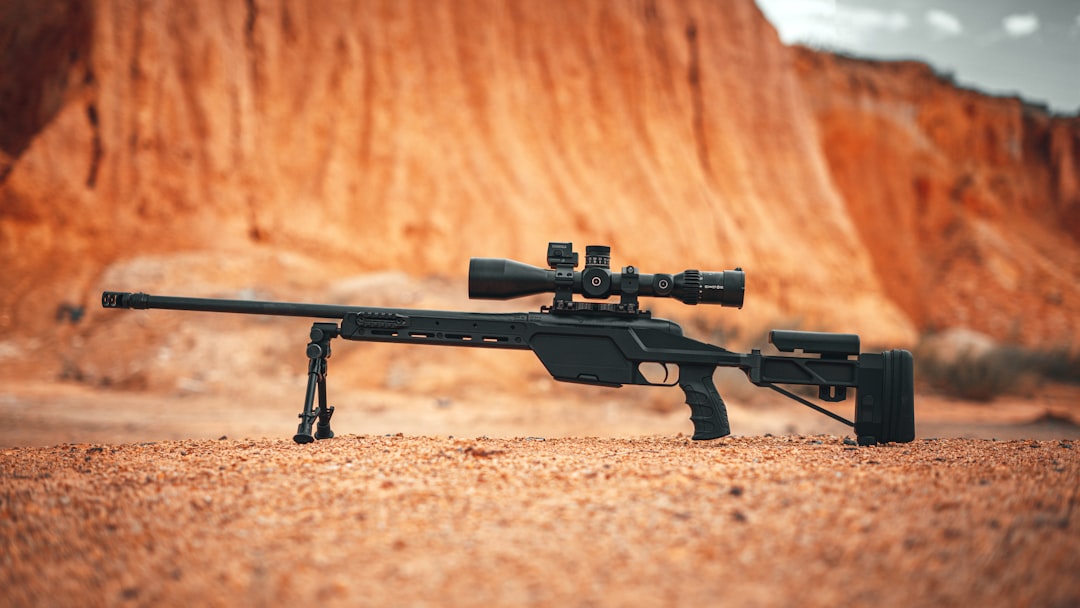
Seekins Precision started as a manufacturer of AR components before expanding into bolt-action rifles. Their approach emphasizes tight tolerances, repeatable manufacturing, and value-driven engineering. Every Seekins rifle ships with a sub-MOA accuracy guarantee, and most shooters report groups well under that standard. The company machines their own actions, stocks, and bottom metal in-house at their Idaho facility.
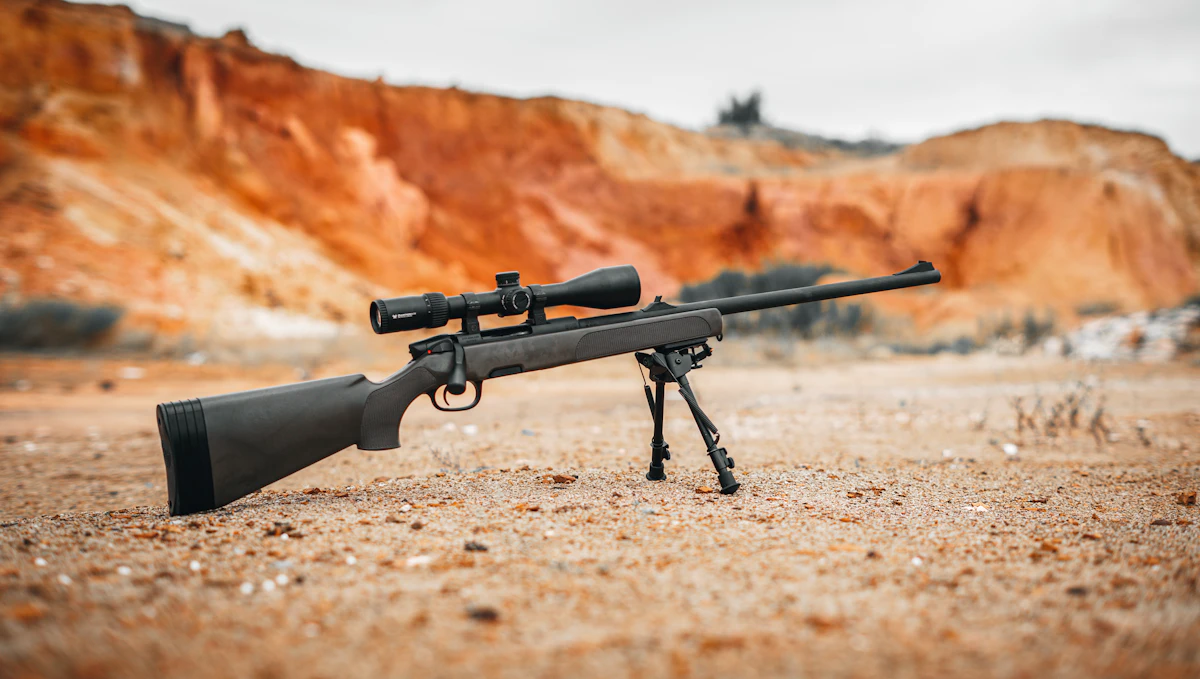
Fierce Firearms builds rifles around ultralight carbon fiber technology. They pioneered the use of carbon fiber barrels and stocks in production hunting rifles before most competitors entered the market. Fierce rifles feature titanium actions, custom carbon stocks, and proprietary carbon wrapped barrels. The company offers extensive customization through their build configurator, allowing hunters to spec out barrel length, contour, twist rate, stock geometry, and finish options before the rifle ever ships.
Both manufacturers use premium barrel blanks, though Fierce wraps theirs in carbon fiber while Seekins uses traditional steel. Fierce actions are machined from titanium, while Seekins uses chromoly steel. The materials choice directly impacts weight and price.
Weight Comparison
Weight separates these brands more than any other factor. Fierce built their reputation on ultralight rifles that make backcountry hunting less punishing. A standard Fierce CT Edge in 6.5 PRC with a 24-inch carbon barrel weighs around 5.5 pounds before glass. Add a Leupold VX-5HD and you are still under 7.5 pounds ready to hunt.
Seekins rifles run heavier because they use steel barrels and actions. A Havak PH2 in 6.5 PRC weighs approximately 7.2 pounds bare, putting you over 9 pounds with a comparable scope. The extra weight helps manage recoil and provides a steadier shooting platform, but it costs you on steep climbs.
If you hunt thick timber where shots rarely exceed 300 yards, the Seekins weight penalty matters less. If you are chasing September elk above treeline or covering miles glassing canyon systems, the Fierce advantage grows with every vertical foot.
Accuracy and Barrel Performance
Seekins guarantees sub-MOA accuracy with factory ammunition. Their barrels are button-rifled, stress-relieved, and hand-lapped. Most owners report five-shot groups between 0.5 and 0.75 MOA with quality ammunition. The Havak Element and PH2 models both deliver consistent accuracy across different bullet weights and powder charges.
Fierce wraps match-grade barrels with carbon fiber, which stiffens the barrel and dissipates heat faster than steel alone. Their accuracy guarantee is 0.5 MOA with the first three shots, which reflects how most hunters actually shoot in the field. Fierce barrels often produce groups in the 0.3 to 0.5 MOA range, though some shooters report inconsistency when pushing high round counts during break-in.
Carbon barrels handle heat differently than steel. They warm up faster but also cool faster, which matters on high-volume practice sessions but rarely affects hunting situations. Both brands deliver the accuracy needed for ethical shots on big game at any reasonable hunting distance.
Stock Design and Ergonomics
Seekins uses their own Phantom stock, a lightweight composite design with aluminum bedding blocks and adjustable length of pull. The stock features a vertical grip angle, textured panels for wet-weather control, and flush-cup mounts for sling attachment. The comb height works well with modern scopes that sit higher on Picatinny rails. The Phantom stock is functional but not customizable beyond spacer adjustments.
Fierce offers multiple carbon fiber stock options with different geometries. Their standard stock includes adjustable cheek height and length of pull, allowing fine-tuning for different shooting positions and optic heights. The negative comb angle reduces felt recoil, and the palm swell provides consistent hand placement. Fierce stocks come in dozens of color and pattern options, from solid earth tones to digital camo.
Both stocks handle recoil well given their light weight. The Fierce stock feels more refined and allows better customization, but the Seekins Phantom delivers solid performance at a lower price point.
Free to join
Download mobile app
- Detailed draw odds
- Point tracking
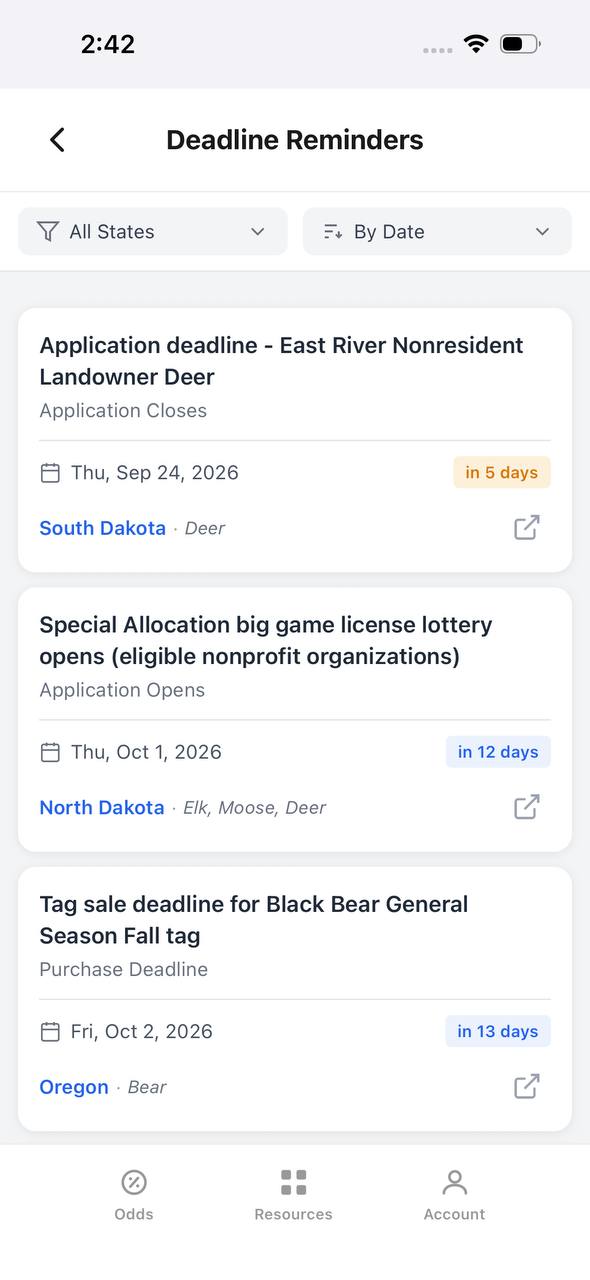
- Deadline reminders
- 18 states covered

Free to join
Download mobile app
- Detailed draw odds
- Point tracking
- Deadline reminders
- 18 states covered
Free to join
Download mobile app
- Detailed draw odds
- Point tracking
- Deadline reminders
- 18 states covered

Triggers and Safety
Seekins rifles ship with Timney or TriggerTech triggers depending on the model. Both are crisp, adjustable, and break cleanly between 2.5 and 3.5 pounds. The triggers reset positively and show no creep or overtravel. Seekins uses a two-position safety that locks the bolt when engaged.
Fierce uses TriggerTech triggers set around 3 pounds from the factory. The triggers are fully adjustable down to 1.5 pounds if you prefer a lighter pull. Fierce rifles feature a three-position safety that allows you to work the bolt with the safety engaged, which helps with unloading or clearing a chambered round without pointing the muzzle in an unsafe direction.
The three-position safety gives Fierce a slight edge for hunters who frequently chamber and clear rounds while moving through terrain.
Caliber Options and Cartridge Versatility
Seekins chambers their rifles in common hunting calibers including 6.5 Creedmoor, 6.5 PRC, 7mm Rem Mag, 28 Nosler, 300 Win Mag, and 300 PRC. The company focuses on popular cartridges with proven terminal performance and wide ammunition availability. The action length and magazine design accommodate standard cartridge overall lengths, which simplifies load development and ensures reliable feeding.
Fierce offers those same chamberings plus additional options like 6mm Creedmoor, 7mm PRC, 300 WSM, and 280 Ackley Improved. Their custom build process allows you to specify uncommon cartridges if you want something outside the standard catalog. Fierce rifles also handle longer cartridge overall lengths, giving handloaders more flexibility with bullet seating depth.
If you shoot factory ammunition exclusively, both brands cover the calibers that matter. Handloaders gain more flexibility with Fierce.
Free to join
Download mobile app
- Detailed draw odds
- Point tracking
- Deadline reminders
- 18 states covered
Free to join
Download mobile app
- Detailed draw odds
- Point tracking
- Deadline reminders
- 18 states covered
Free to join
Download mobile app
- Detailed draw odds
- Point tracking
- Deadline reminders
- 18 states covered
Price and Value Comparison
Seekins Havak rifles start around $2,400 for the Element model and run up to $3,000 for the PH2 with upgraded components. You get a sub-MOA rifle with premium trigger, solid stock, and Seekins reputation for quality control. The price reflects the steel construction and in-house manufacturing.
Fierce rifles start around $3,500 for the CT Edge and climb past $5,000 for fully customized builds with upgraded barrels, titanium components, and premium finishes. The carbon fiber technology and titanium action justify the price, but you are paying for materials and weight savings as much as performance.
Seekins delivers better value if your budget stops around $3,000. Fierce costs more but delivers a lighter rifle with more customization.
Resale Value and Long-Term Ownership
Both brands hold value better than mass-market factory rifles. Seekins rifles maintain strong resale because they offer premium performance at a price point that attracts buyers trading up from Tikka or Bergara. The company has established a reputation for reliability and customer service that supports used market prices.
Fierce rifles depreciate slightly more because of their higher initial cost and the custom nature of each build. A rifle configured exactly to your preferences may not match what the next buyer wants, which can extend time on the market. However, Fierce rifles still command strong prices compared to generic factory offerings.
Both companies stand behind their rifles with transferable warranties, which adds confidence for used buyers.
Real-World Hunting Performance
Seekins rifles excel in situations where a steady hold matters more than pack weight. The extra mass helps in windy conditions, during offhand shots, and when shooting from improvised rests. The barrels handle sustained fire during load development without walking groups as they heat. Hunters who drive trucks to glassing points or hunt from tree stands rarely notice the weight penalty.
Fierce rifles shine in the backcountry where every ounce counts. Carrying a 7-pound rifle instead of a 9-pound rifle makes a measurable difference over a week-long hunt. The weight savings also allow you to carry a heavier optic without exceeding your comfort threshold. Ultralight rifles require more disciplined shooting fundamentals because they magnify movement and recoil, but most hunters adapt quickly.
Both rifles perform when you do your part. The question is whether you value stability or portability more.
Free to join
Download mobile app
- Detailed draw odds
- Point tracking
- Deadline reminders
- 18 states covered
Free to join
Download mobile app
- Detailed draw odds
- Point tracking
- Deadline reminders
- 18 states covered
Free to join
Download mobile app
- Detailed draw odds
- Point tracking
- Deadline reminders
- 18 states covered
Customization and Build Options
Seekins offers limited customization. You choose the model, caliber, and barrel length from their standard catalog. The rifles arrive ready to shoot with no additional options beyond aftermarket accessories you add yourself.
Fierce allows you to build a rifle through their online configurator. You select barrel length, contour, twist rate, stock color, action finish, and even the bolt knob style before ordering. The process takes several months because each rifle is built to your specifications, but you end up with a rifle tailored to your hunting style and aesthetic preferences.
If you want a rifle that works out of the box without decision fatigue, Seekins simplifies the process. If you enjoy specifying every detail, Fierce gives you that control.
Which Rifle Fits Your Hunting Style?
Choose Seekins if you hunt from vehicles, tree stands, or terrain where pack weight is not a limiting factor. The rifles deliver accuracy and reliability at a price that leaves budget for quality glass. The steel barrels handle high round counts during practice without concern, and the rifles work well in cold weather without worrying about carbon barrel performance in extreme temperatures. Seekins makes sense for deer hunters in the Midwest, elk hunters who work close to roads, and anyone who values a steady shooting platform.
Choose Fierce if you hunt the backcountry, chase mountain goats, or cover miles glassing for mule deer in open basins. The weight savings matter when you are climbing, and the carbon barrel performs well in thin air where every ounce affects your breathing. Fierce rifles suit September elk hunters who spike camp above 10,000 feet, sheep hunters who count grams, and western hunters who prioritize portability. The customization process also appeals to hunters who want a rifle that reflects their personal preferences rather than a one-size-fits-all design.
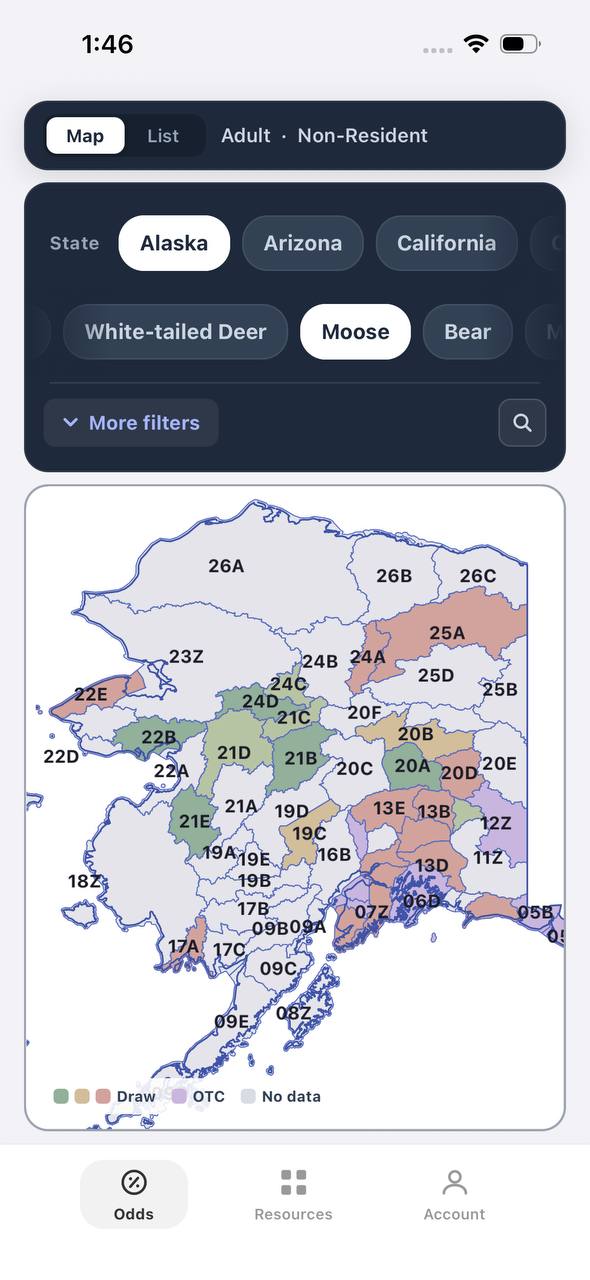
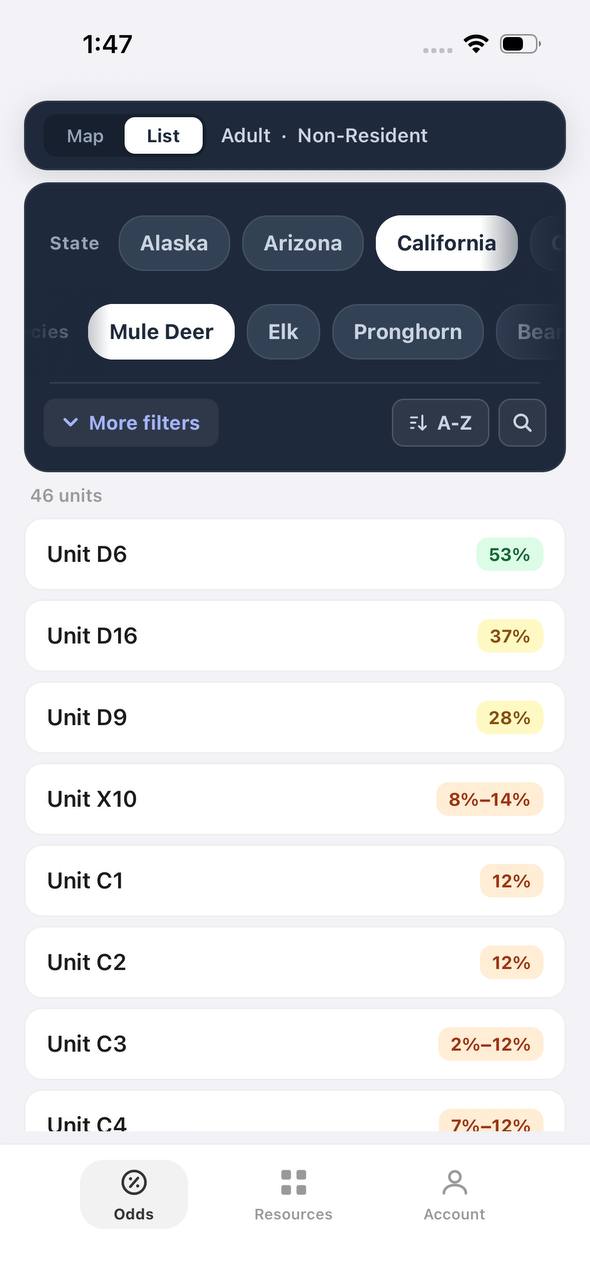
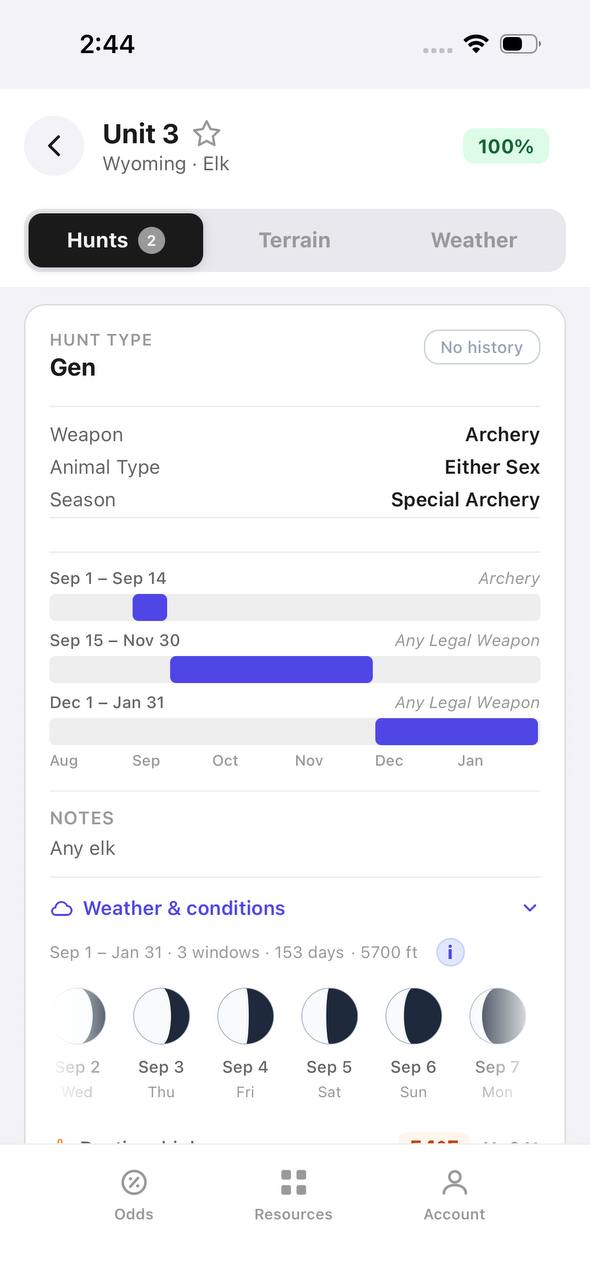
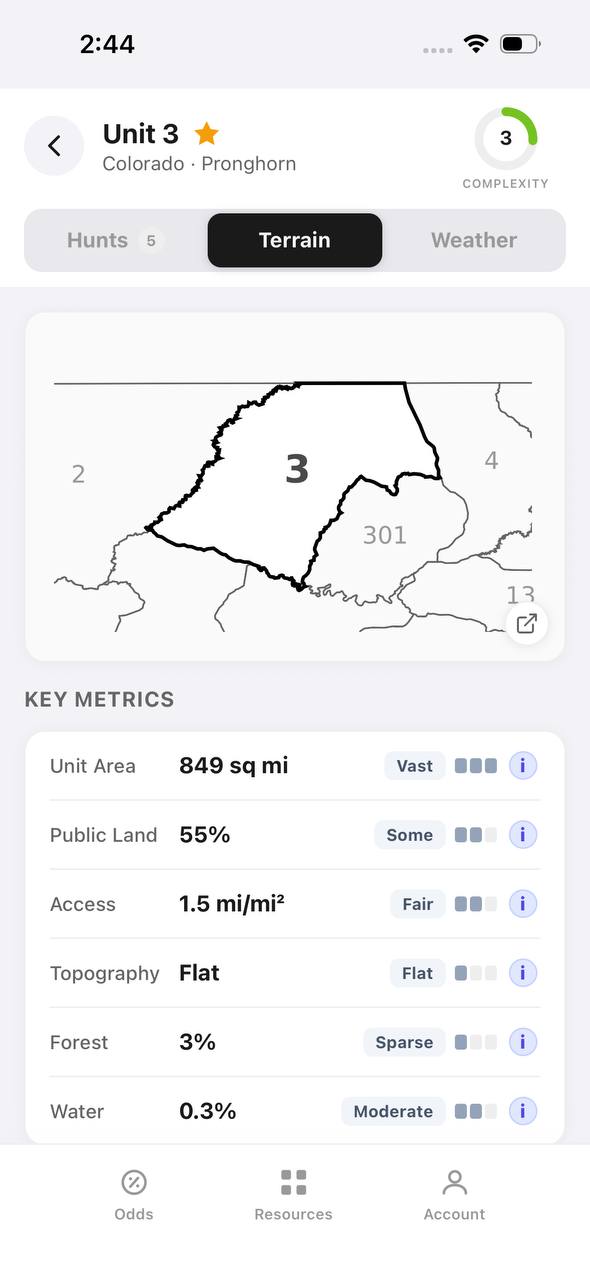
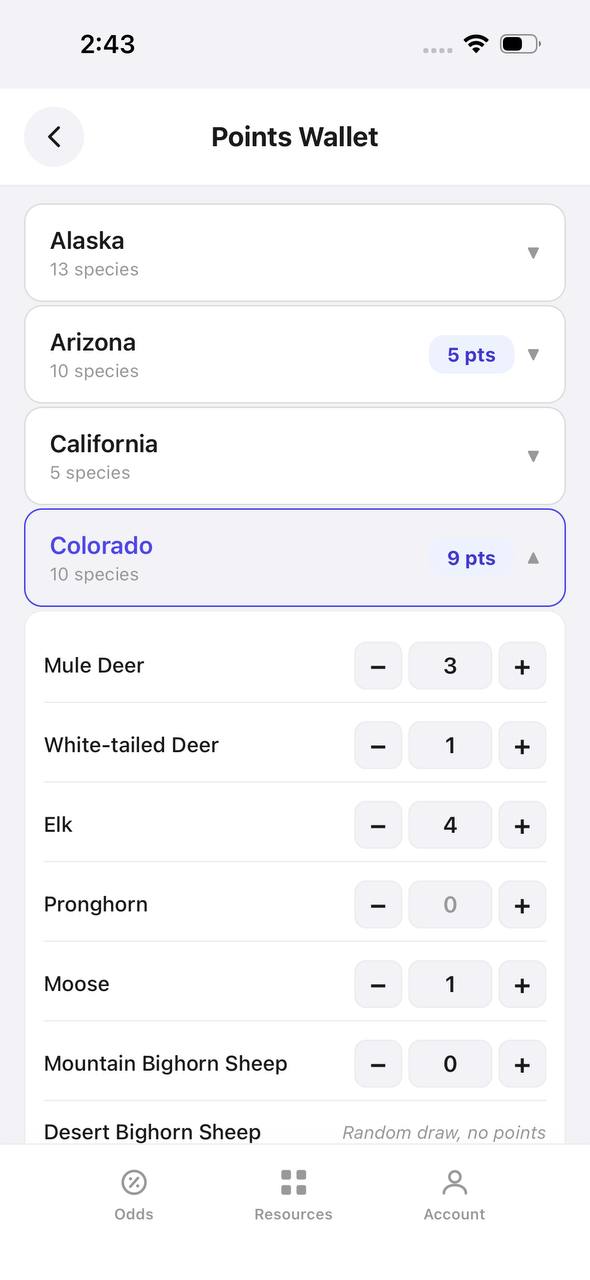
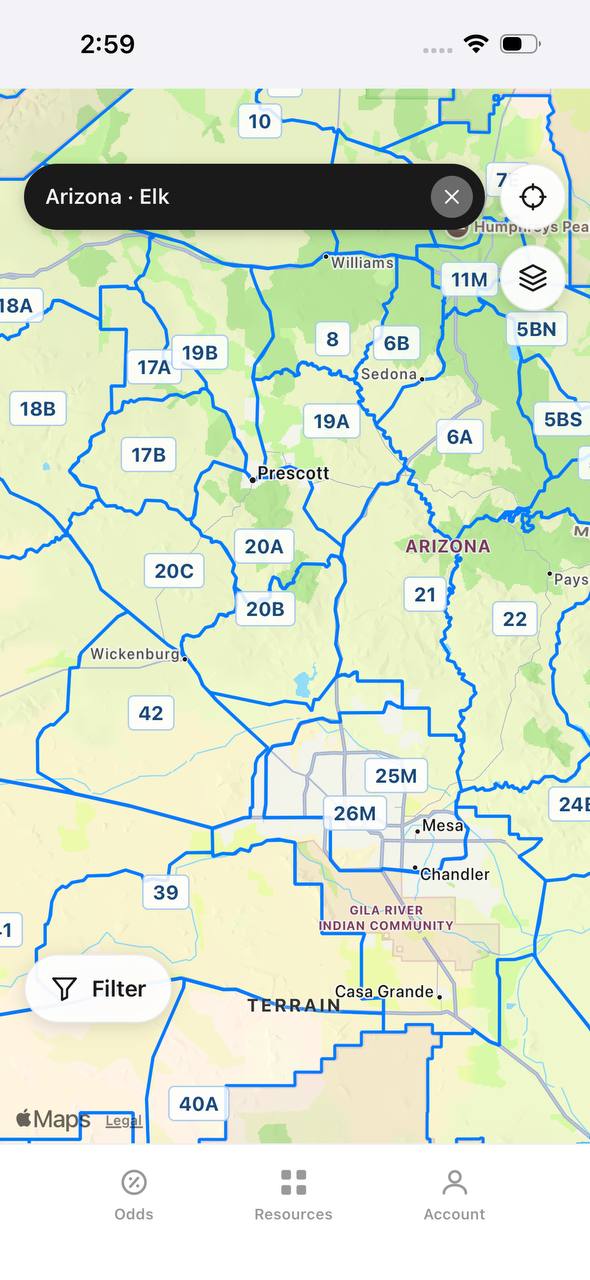
Both brands build rifles that outperform factory options and deliver the accuracy western hunting demands. TAGZ helps you plan the hunts that justify investing in premium gear. Compare units side by side using terrain maps and public land overlays. Track your preference points and bonus points across multiple states so you never miss a draw deadline. Whether you choose Seekins or Fierce, TAGZ gives you the tools to make smarter decisions about where to hunt before you ever shoulder your rifle.
FAQ — Seekins vs Fierce Rifles
Are Seekins rifles as accurate as Fierce?
Yes. Both brands guarantee sub-MOA accuracy, and most shooters see groups under 0.75 MOA with factory ammunition. Fierce markets a 0.5 MOA guarantee with the first three shots, while Seekins guarantees sub-MOA with five-shot groups.
How much lighter are Fierce rifles compared to Seekins?
Fierce rifles typically weigh 1.5 to 2 pounds less than comparable Seekins models. A Fierce CT Edge weighs around 5.5 pounds bare, while a Seekins Havak PH2 weighs about 7.2 pounds.
Do carbon fiber barrels shoot differently than steel?
Carbon barrels heat and cool faster, but accuracy is comparable. Some shooters report more vertical stringing as carbon barrels warm during extended strings, though this rarely affects hunting scenarios where you fire one or two shots.
Which brand has better resale value?
Seekins rifles hold value slightly better because they appeal to a broader buyer base at a lower entry price. Fierce rifles depreciate more initially but still command strong prices compared to factory rifles.
Can you customize a Seekins rifle before ordering?
No. Seekins offers standard configurations only. You choose the model and caliber from their catalog. Fierce allows full customization through their online build configurator.
Is the extra cost of a Fierce rifle worth it for casual hunters?
Not usually. If you hunt close to roads or do not cover serious vertical, the Seekins delivers comparable accuracy at a better price. Fierce makes sense when weight matters enough to justify the premium.
Was this article helpful?
Previous
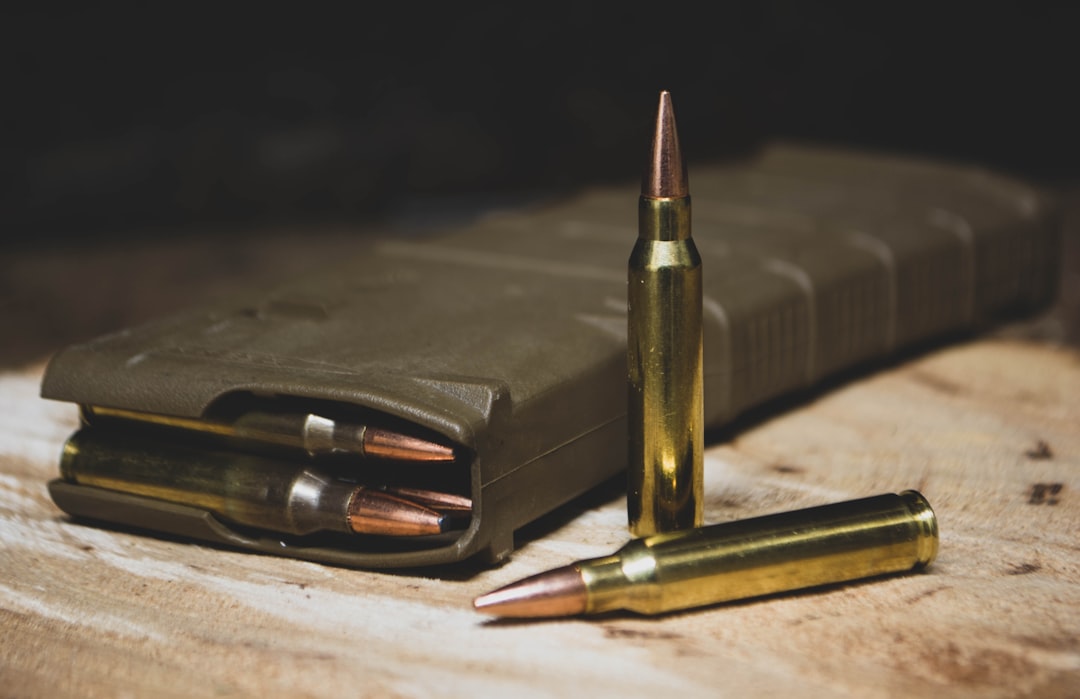
Best .300 PRC Elk Ammo: Top Factory Loads for 2026
The .300 PRC delivers controlled expansion and deep penetration on elk at extended ranges. We tested the top factory loads — from Hornady ELD-X to Federal Terminal Ascent — and break down which ammunition performs best for bulls in the high country.
Related
Florida Bear Hunting vs. Louisiana Bear Hunting: Permits, Season Dates & Success Rates Compared
Florida and Louisiana offer two distinctly different black bear hunting experiences. Florida runs a tightly controlled lottery hunt with limited permits, while Louisiana offers over-the-counter tags during a longer season. This guide breaks down permits, success rates, season structures, and what hunters need to know before applying in either state.

Next
Best Budget Mule Deer Rifles for Western Hunters in 2026
From open sage flats to steep alpine basins, mule deer hunting demands accurate rifles that won't break the bank. This guide covers the top budget-friendly bolt-actions, chamberings, and optics combinations that serious hunters rely on across the West.