Florida Bear Hunting vs. Louisiana Bear Hunting: Permits, Season Dates & Success Rates Compared
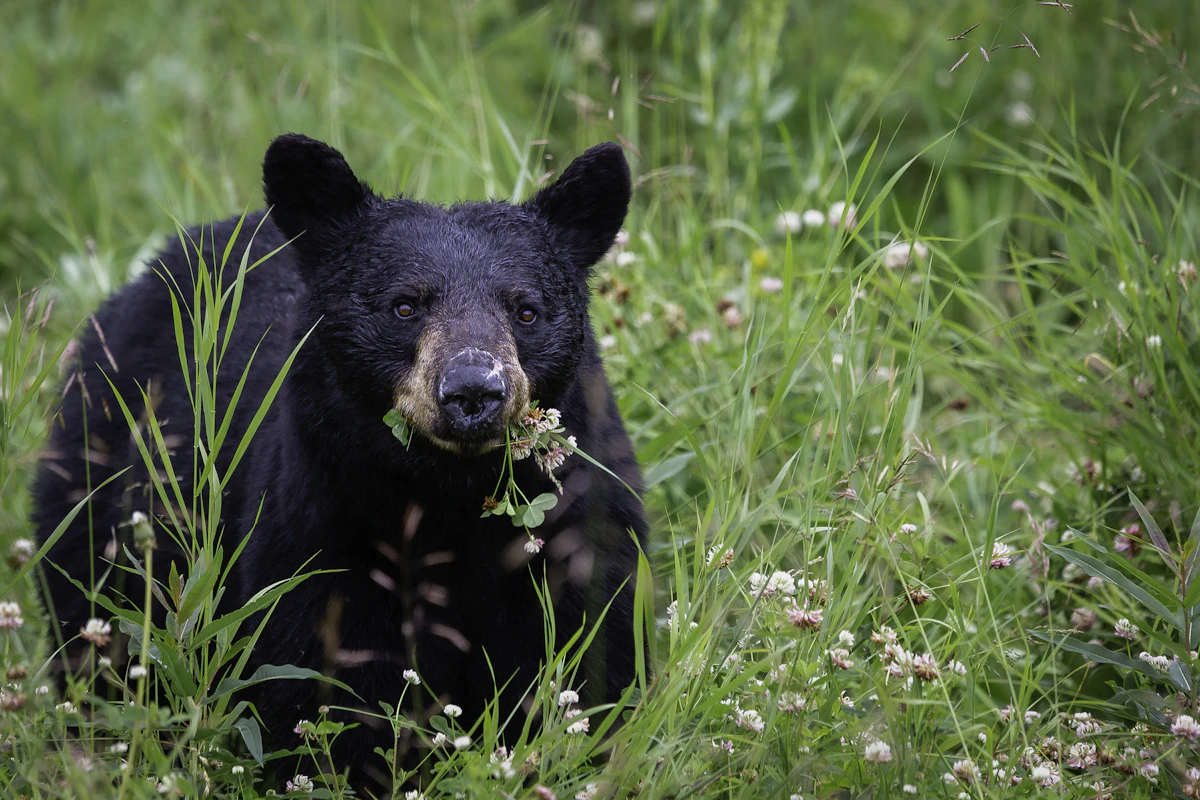
Black bear hunting in the Deep South is not what most western hunters expect. Forget alpine basins and lodgepole timber. These hunts happen in palmetto thickets, hardwood swamps, and river bottoms where visibility is measured in yards, not miles. Florida and Louisiana both offer black bear seasons, but the two states run completely different systems. One uses a lottery with strict quotas. The other sells tags over the counter and lets you hunt for weeks.
If you are weighing a bear hunt east of the Mississippi, understanding how these two states operate will determine whether you spend months waiting on a draw result or book a hunt next week.
Florida Bear Hunting: Lottery-Based System with Strict Quotas
Florida black bears were off-limits for more than two decades. The state reopened limited hunting in 2015, closed it again in 2016, and has not issued permits since. As of 2025, there is no active bear season in Florida. The Florida Fish and Wildlife Conservation Commission (FWC) continues to monitor bear populations, but no hunt has been authorized.
When Florida did run bear hunts, the system worked through a lottery. Hunters applied during a short window, typically in late summer. Successful applicants received permits valid for specific Bear Management Units (BMUs). The state capped total harvest numbers and closed units as soon as quotas were met. In 2015, the statewide quota was reached in two days.
Florida's black bear population is concentrated in fragmented habitat zones. The Ocala National Forest, Big Cypress, and the Apalachicola region historically held the highest densities. Bears in Florida are smaller on average than their western counterparts, but mature boars still push 400 pounds. The terrain is flat, wet, and thick. Most successful hunters used bait or hounds before the season closed.
If Florida reinstates bear hunting, expect a lottery system with extremely limited permits and high application numbers. Draw odds would likely favor residents heavily. For now, hunters looking for a Southern bear hunt need to focus on states with active seasons.
Louisiana Bear Hunting: Over-the-Counter Tags and a Two-Month Season
Louisiana runs an annual black bear season with over-the-counter tags available to residents and nonresidents. No lottery. No preference points. You buy a tag and hunt during the open season, which typically runs from mid-December through late January or early February. The 2024-2025 season opened December 14 and closed February 2.
Louisiana divides its bear hunting area into zones, with the core zone covering the northeastern parishes and parts of central Louisiana along the Mississippi River corridor. The Tensas River Basin, Three Rivers Wildlife Management Area, and private lands in Madison, Tensas, and Concordia parishes hold the highest bear densities. These are hardwood bottomlands, agricultural fields bordered by timber, and swampy drainages.
Louisiana bear tags are included in the state's Big Game hunting license for residents. Nonresidents purchase a separate bear tag for around $200 to $250, plus the required hunting license. There is no cap on total tags sold, but the season closes if the statewide harvest quota is reached. That has not happened in recent years.
Hunters can use bait, and many do. Dogs are prohibited. Stand hunting over bait stations near agricultural fields or hardwood edges is the most common method. Bears in Louisiana feed heavily on acorns, corn, and soybeans during the winter months. Mature boars average 300 to 400 pounds, with occasional animals exceeding 500 pounds.
Success rates in Louisiana hover around 10 to 15 percent, but hunters who scout thoroughly and locate active bear sign improve their odds significantly. Public land access exists on several WMAs, but pressure is moderate. Private land leases and guided hunts are also available.
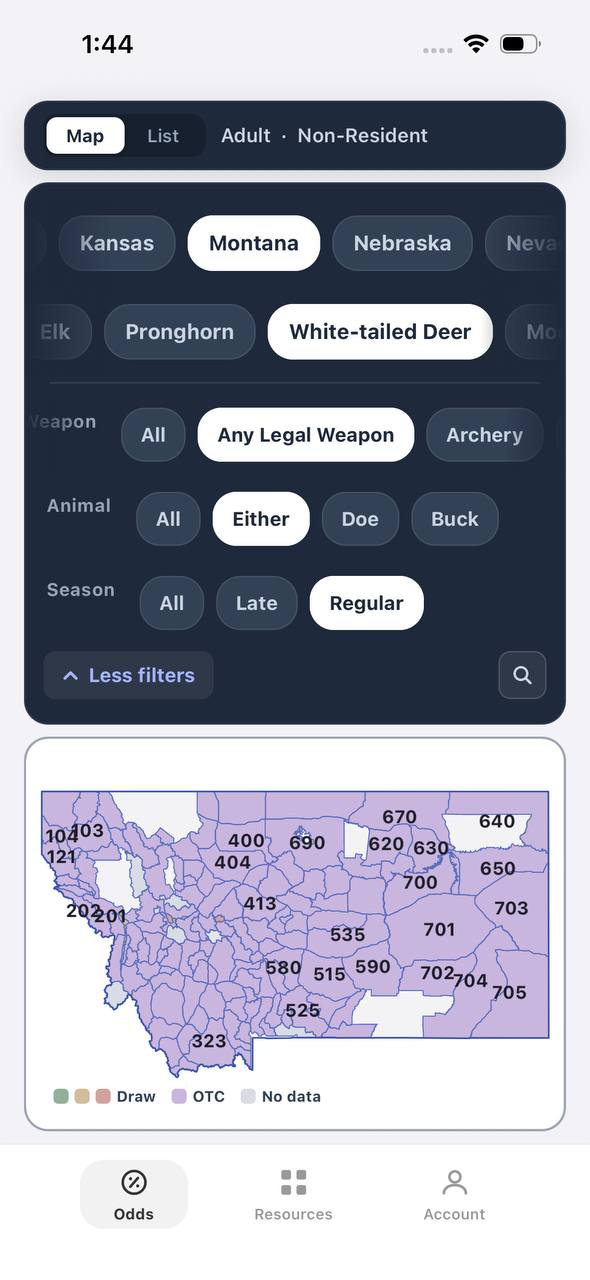
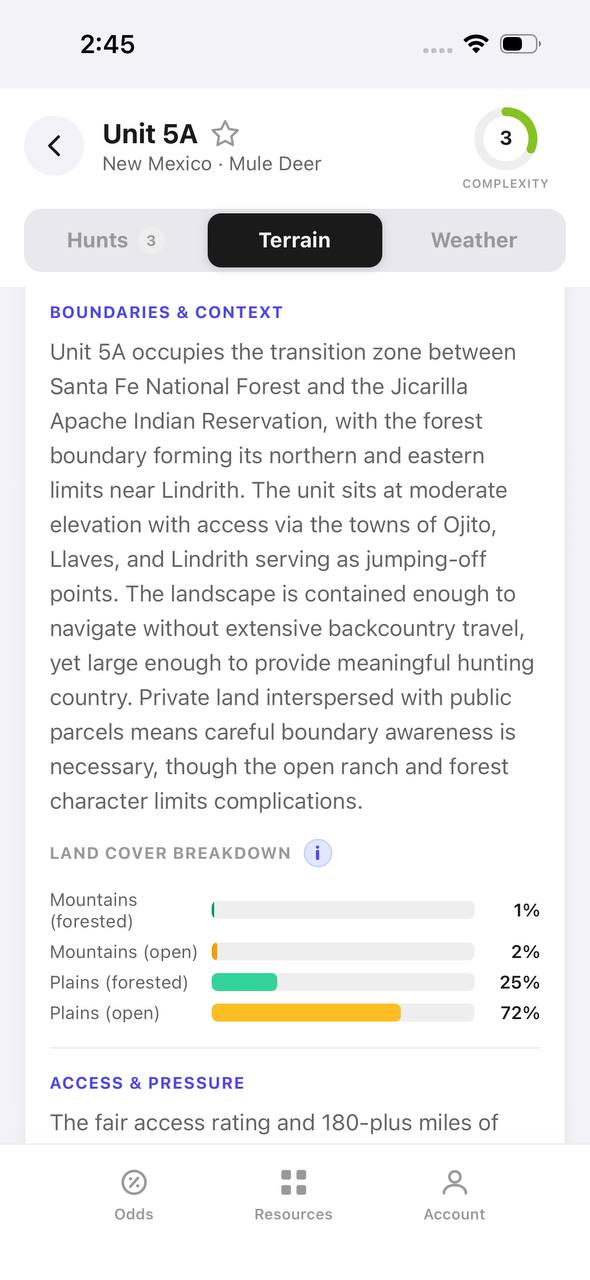
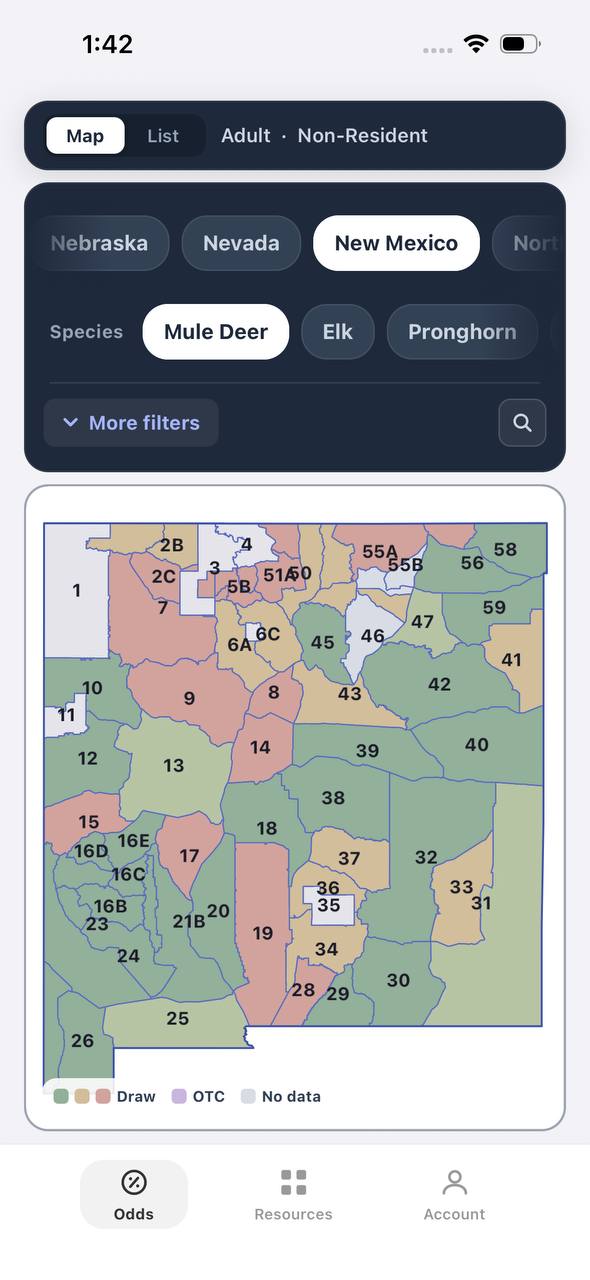
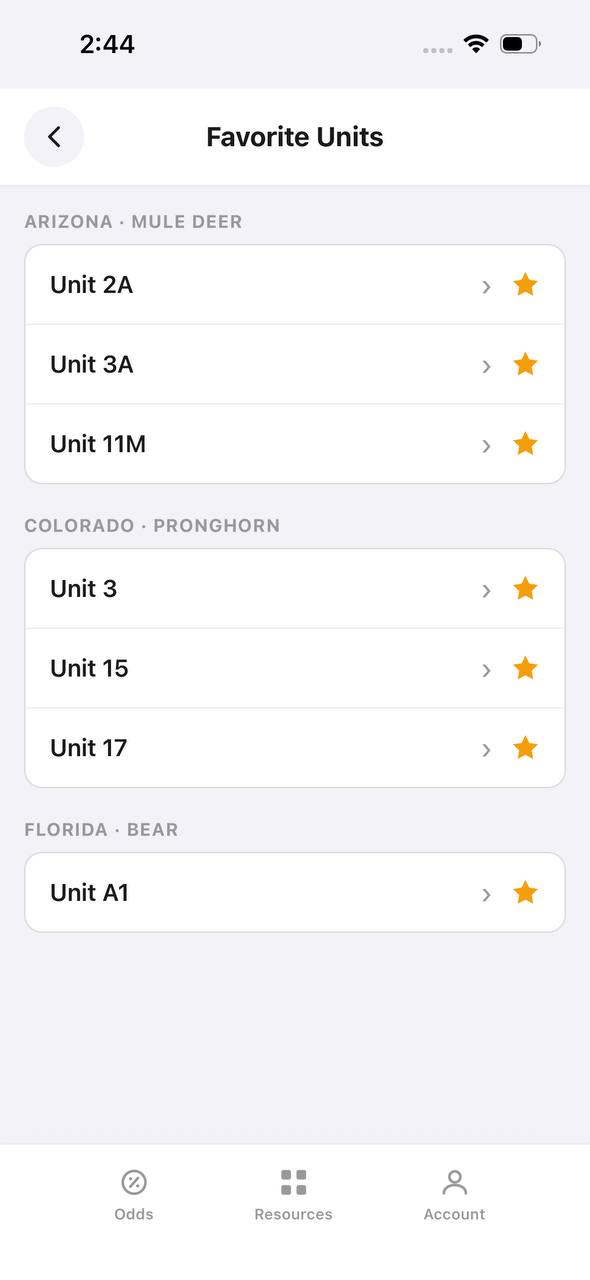
TAGZ helps hunters compare black bear seasons across multiple states, track application deadlines, and research public land hunting opportunities. Whether you are planning a DIY Louisiana hunt or exploring future draws in other states, TAGZ gives you the data to make smarter decisions before you ever step into the field.
Terrain and Hunting Methods: Swamps vs. Scrub
Florida and Louisiana bear hunting both happen in thick, low-visibility environments, but the habitat types differ.
Florida's bear country includes sandy scrub, oak hammocks, cypress swamps, and pine flatwoods. Palmetto understory dominates much of the Ocala and Big Cypress regions. When bear seasons were active, hunters often used hounds to locate and tree bears in this vegetation. Baiting was also legal and effective near agricultural edges and oak mast zones.
Louisiana's best bear habitat sits in bottomland hardwood forests along river systems. Flooded timber in winter creates natural funnels. Bears move between agricultural fields and hardwood ridges where acorns concentrate. Stand hunting over bait or active feeding areas is the dominant strategy. Stillhunting through thick undergrowth is possible but difficult due to limited visibility and noise from leaf litter.
Both states require patience, solid wind discipline, and tolerance for heat and humidity even in winter. Southern black bears are primarily nocturnal, so dawn and dusk activity windows are short. Hunters who commit to long sits and pre-season scouting see the best results.
Application and Tag Costs
Florida does not currently issue bear permits, but when it did, application fees were minimal — typically under $10. If a lottery system returns, expect resident preference and low nonresident quotas.
Louisiana charges residents around $15 for the bear hunting privilege included in the Big Game license. Nonresidents pay approximately $200 to $250 for a bear tag, plus the basic hunting license. Tags are available over the counter until the season closes or the quota is met. There is no preference point system, so every year is a fresh opportunity.
Louisiana's pricing structure makes it one of the most accessible black bear hunts in the country for nonresidents. No waiting. No draws. Just buy the tag and plan your hunt.
Free to join
Download mobile app
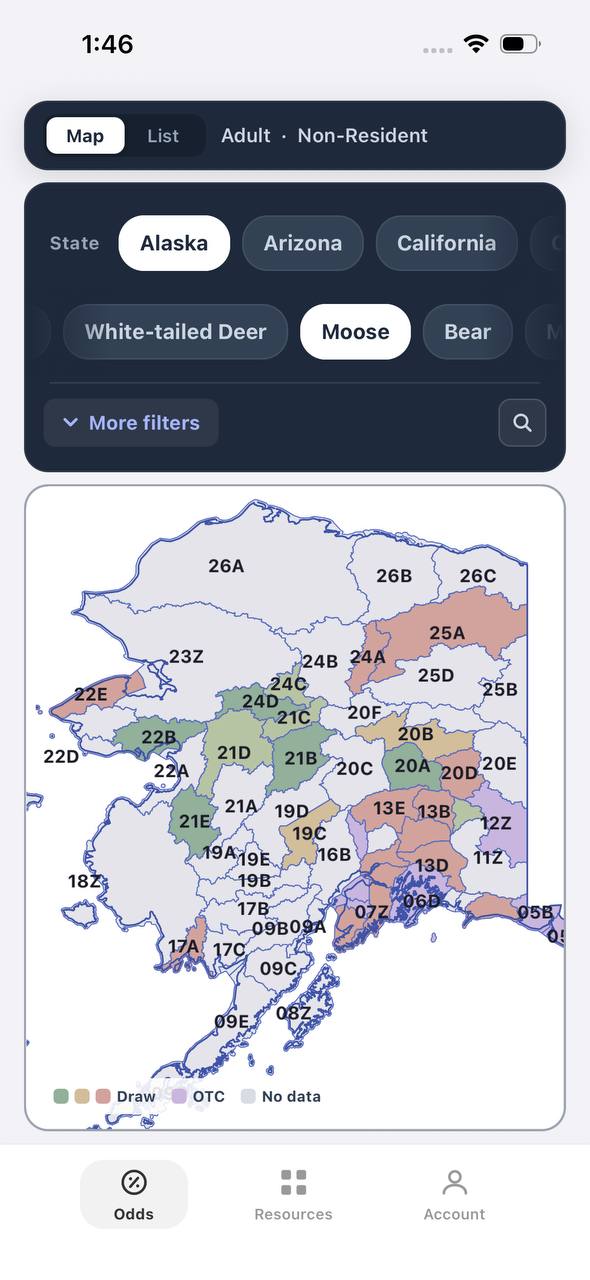
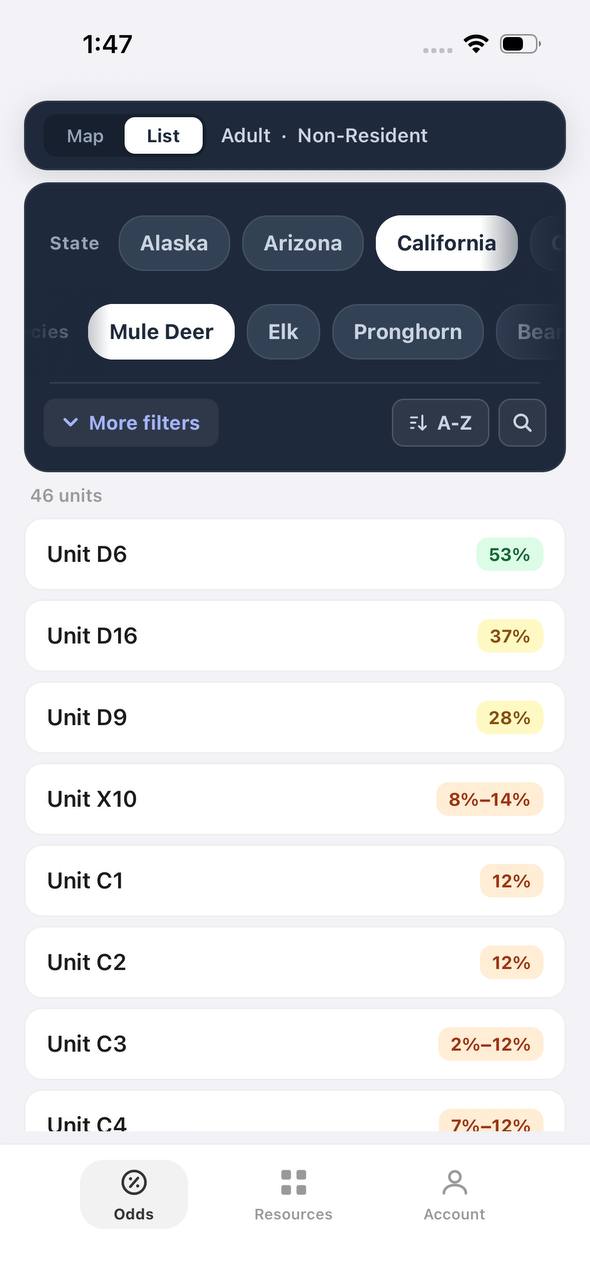
- Detailed draw odds
- Point tracking
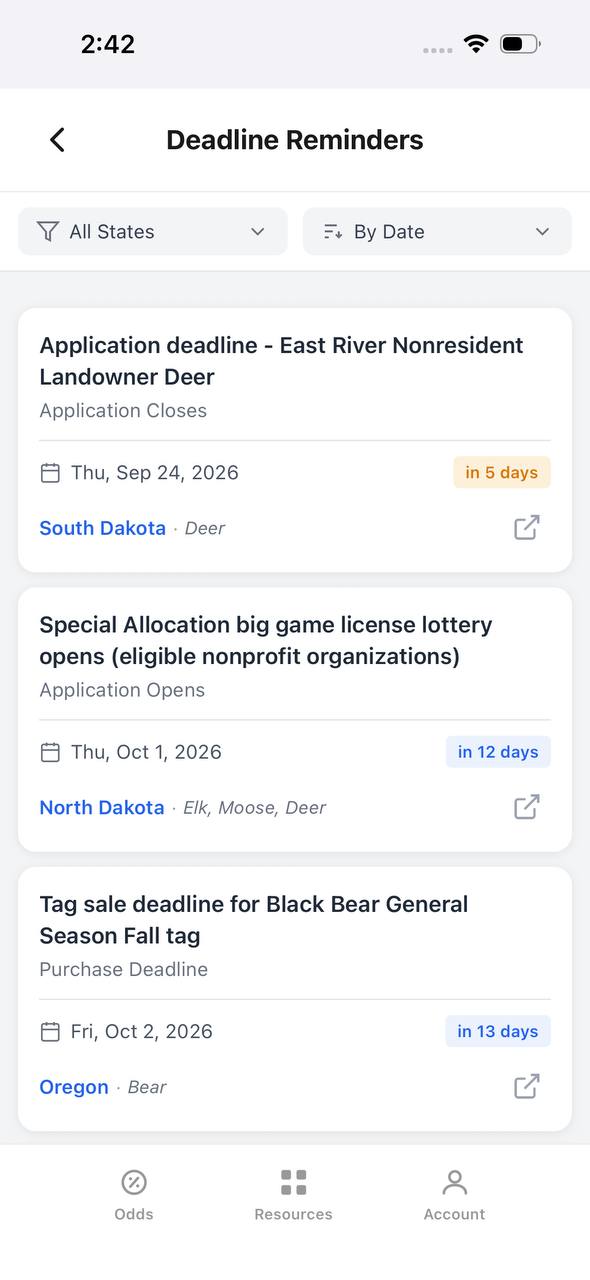
- Deadline reminders
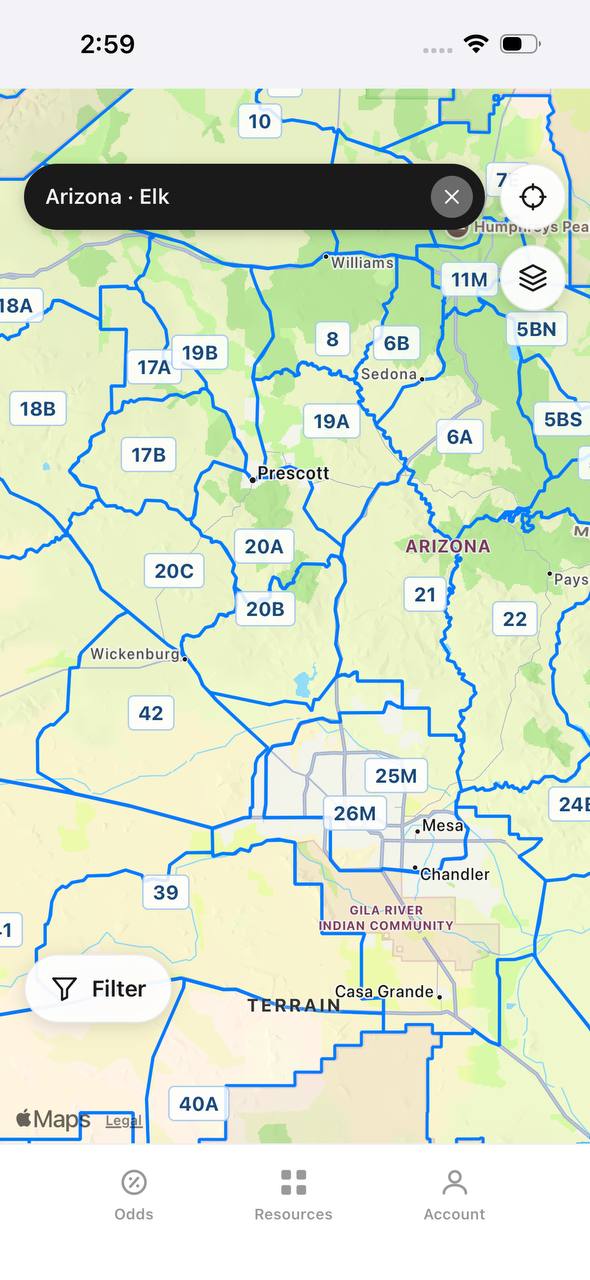
- 18 states covered

Free to join
Download mobile app
- Detailed draw odds
- Point tracking
- Deadline reminders
- 18 states covered
Free to join
Download mobile app
- Detailed draw odds
- Point tracking
- Deadline reminders
- 18 states covered
Success Rates and Harvest Data
Louisiana's black bear harvest fluctuates between 60 and 100 animals annually, depending on season length and weather conditions. Success rates for individual hunters typically range from 10 to 15 percent. Hunters who use bait and hunt private land near known bear travel corridors see higher success.
Florida's 2015 hunt resulted in 304 bears harvested in two days before the statewide quota was reached and the season closed. Success rates were high due to concentrated bear populations, effective baiting, and short season windows that pushed effort into a narrow timeframe. If Florida reinstates hunting, expect similar intensity and rapid quota fills.
Both states manage bear populations conservatively. Harvest quotas are set well below population growth rates, and seasons are adjusted based on annual population surveys. Hunters should expect limited opportunity in Florida if it reopens, and moderate but stable opportunity in Louisiana.
Public Land Access and Guided Hunts
Louisiana offers public land bear hunting on several Wildlife Management Areas, including Three Rivers WMA, Tensas River National Wildlife Refuge (limited access), and portions of Atchafalaya WMA. Public land hunters face moderate pressure but can find success with thorough scouting. Bait placement requires advanced planning, as most successful hunters begin baiting weeks before the season opens.
Guided bear hunts in Louisiana are available through private outfitters who lease agricultural and timber lands in the core bear zone. Costs range from $2,500 to $5,000 depending on lodging, length of hunt, and bait management. Guided hunters typically see higher success rates due to pre-season scouting and established bait sites.
Florida's public land options historically included Ocala National Forest and portions of the Apalachicola region. If bear hunting returns, expect competition for public land access to be intense. Private land guided hunts would likely become the primary option for nonresidents.
Which State is Better for Black Bear Hunting?
The answer depends on your timeline and tolerance for uncertainty.
Louisiana is the clear choice for hunters who want a black bear tag in hand this season. No draw. No waiting. Buy the tag, scout your unit, and hunt during a two-month window. Success rates are moderate but realistic, especially for hunters willing to invest in pre-season scouting and bait management. Public land access exists, and private land hunts are affordable compared to western guided hunts.
Florida offers no active bear hunting opportunity as of 2025. If the state reinstates a season, it will likely come with low quotas, high application numbers, and short hunt windows. Resident hunters would have the best odds, but even then, success would depend heavily on unit selection and competition.
For hunters serious about taking a Southern black bear, Louisiana is the only viable option right now. Florida remains in monitoring mode, and there is no indication when or if bear hunting will return.
TAGZ helps you compare draw odds, track preference points and bonus points across multiple states, and research unit-level terrain and public land boundaries. Whether you are chasing OTC tags or planning a trophy limited-entry hunt, TAGZ gives you the tools to make smarter decisions before you ever step into the field.
FAQ — Florida vs. Louisiana Bear Hunting
Is bear hunting currently legal in Florida?
No. Florida has not issued bear hunting permits since 2016. The Florida Fish and Wildlife Conservation Commission monitors bear populations but has not authorized a season.
Can nonresidents hunt black bears in Louisiana?
Yes. Louisiana sells over-the-counter bear tags to nonresidents for approximately $200 to $250, plus the required hunting license. No lottery or preference points.
What is the success rate for Louisiana bear hunters?
Around 10 to 15 percent statewide. Hunters using bait on private land near agricultural areas see higher success. Public land hunters face moderate competition but can succeed with scouting.
When does Louisiana's bear season run?
Typically mid-December through late January or early February. The 2024-2025 season ran from December 14 to February 2. Check annual regulations for exact dates.
Can you use bait for black bears in Louisiana?
Yes. Baiting is legal and widely used. Many successful hunters begin baiting several weeks before the season opens to establish bear patterns.
Which state offers better access for a first-time bear hunter?
Louisiana. Tags are available over the counter with no draw, and the season is two months long. Florida has no active bear season and may require a lottery system if hunting returns.
Was this article helpful?
Previous
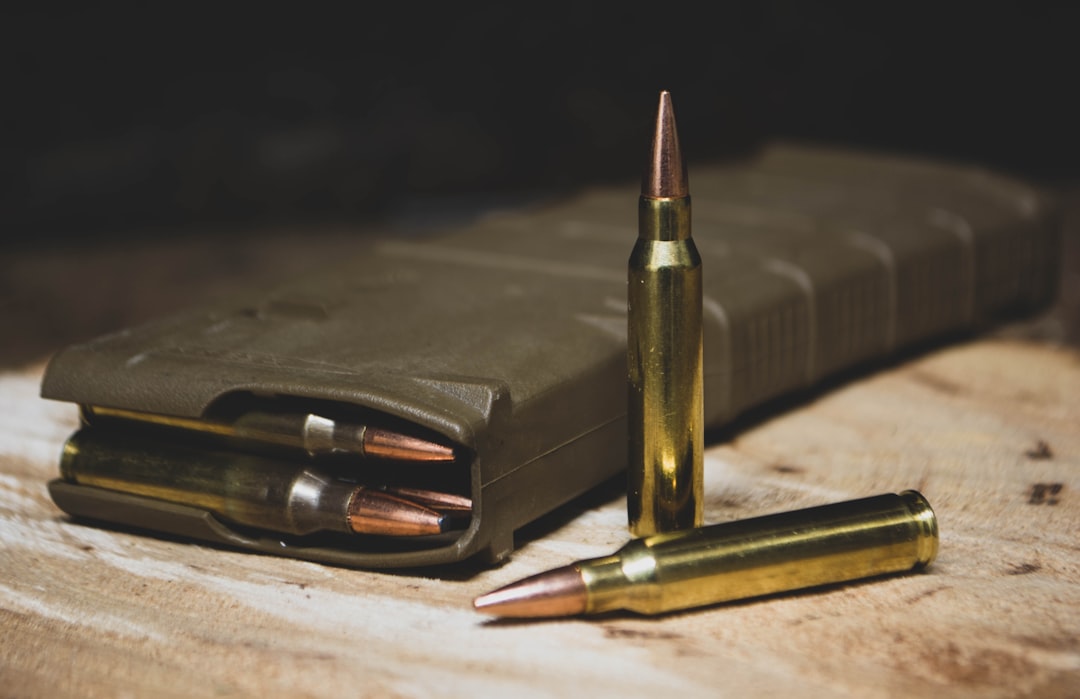
Best .300 PRC Elk Ammo: Top Factory Loads for 2026
The .300 PRC delivers controlled expansion and deep penetration on elk at extended ranges. We tested the top factory loads — from Hornady ELD-X to Federal Terminal Ascent — and break down which ammunition performs best for bulls in the high country.
Related
Seekins vs Fierce Rifles: Which Premium Hunting Rifle Should You Buy?
Seekins and Fierce both build premium hunting rifles, but they take different approaches. Seekins focuses on precision engineering and value, while Fierce emphasizes ultralight carbon builds and custom features.
Next
Best Budget Mule Deer Rifles for Western Hunters in 2026
From open sage flats to steep alpine basins, mule deer hunting demands accurate rifles that won't break the bank. This guide covers the top budget-friendly bolt-actions, chamberings, and optics combinations that serious hunters rely on across the West.