Scouting Water Sources: The Real Key to Finding Western Big Game in 2026
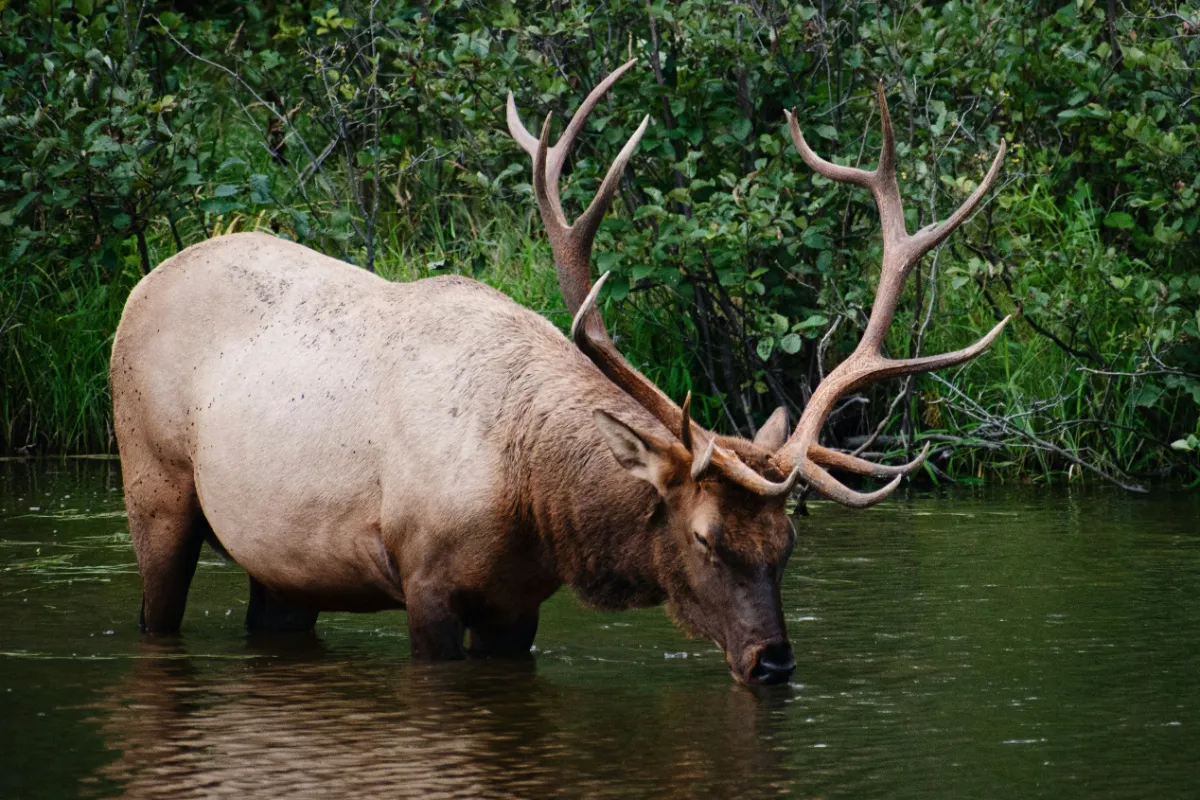
If you aren’t scouting water, you’re missing the best intel Western country has to offer. In 2026, water is the backbone of any serious elk, deer, or pronghorn hunt, especially as droughts tighten up animal patterns and pressure ramps up. I’ve had seasons made (and lost) by how well I found and patterned water. Here’s how I break it down.
Why Water is Everything for Western Hunts in 2026
Out here, animals can live without a lot, but not without water. Drier years shrink the real estate that actually holds game. In my experience, elk and mule deer will shift miles if a seep dries up. Antelope? Good luck pulling them off a windmill or tank when the sun's beating down.
With more hunters and limited moisture, water sources become magnets for both game and pressure. That means finding overlooked or less accessible water is gold. It’s a chess match — you need to know the board before opening day.
Scouting Water: Boots, Maps, and Realistic Expectations
Start with aerial imagery. I use OnX or Google Earth to flag tanks, springs, seeps, and creek trickles. But don’t trust every blue line — lots of those creeks dry up by late summer. Mark everything, but plan to verify in person.
When I scout, I check:
- Cattle tanks and guzzlers: They’re usually reliable, but attract people too.
- Natural springs: Harder to find, but less pressure if tucked in rough country.
- Stock ponds: Good for deer and pronghorn, but watch for rancher activity and access rules.
- Game trails and sign: If there’s fresh tracks, droppings, or a worn path, you’re in a good spot.
Don’t expect every water hole to be productive. I’ve hiked into dozens that were bone dry or hammered by other hunters. The key is finding the ones that are holding both water and sign — and ideally, are a pain to get to.
Pressure, Terrain, and Smart Access
If you can drive to it, so can everyone else. I look for water sources with tough access — maybe a ridge between, or a few miles off the nearest road. Animals feel safer there, especially after opening day. In thick timber or broken country, water can be hard to glass, so use sign and trails to narrow it down.
When pressure rises, expect game to hit water at night or mid-day, not just dawn or dusk. Trail cams (if legal in your state) can help, but so can old-fashioned patience — sitting a tank when everyone else is hiking ridge tops has killed a lot of mature bucks and bulls.
How TAGZ Changes the Game for Water-Based Hunts
Sorting units by drought data, public access, and pressure is a nightmare without the right tools. TAGZ makes it simple to overlay water features, see historical drought, and compare hunter density. I use it to cross-check my e-scouting, save time on the ground, and make smarter backup plans when my first water spots get blown out.
FAQ: Scouting Water for Western Big Game
Q: How early should I start scouting water?
A: Start in late spring or early summer, then check again right before your hunt. Conditions change fast.
Q: What if all the water is on private land?
A: Focus on public land edges, or find overlooked seeps and springs in rougher country. Sometimes small, hidden sources hold the biggest surprises.
Q: Are trail cameras worth it?
A: Where legal, absolutely — just don’t rely on them alone. Boots on the ground still matter.
Q: How does pressure affect water use?
A: Heavy pressure pushes animals to less obvious water sources or shifts use to nighttime. Find the overlooked spots and adjust your timing.
If you want more on e-scouting or public land tactics, check out our articles on finding overlooked elk units and DIY western hunt planning.
Was this article helpful?
Previous
How Water Affects Elk Movement: Real-World Insight for Western Hunters
Elk rely on water, but it doesn’t always mean you’ll find them on a pond’s edge. Here’s how water impacts elk behavior and what that means for your hunt.
Next
Colorado GMU 201 Elk Hunting Guide
Colorado GMU 201 is one of Colorado's classic premium elk units, but still a hunt that demands discipline instead of sightseeing. This guide breaks down terrain, access, pressure, scouting, and practical elk strategy so hunters can build a realistic plan before committing time or points.