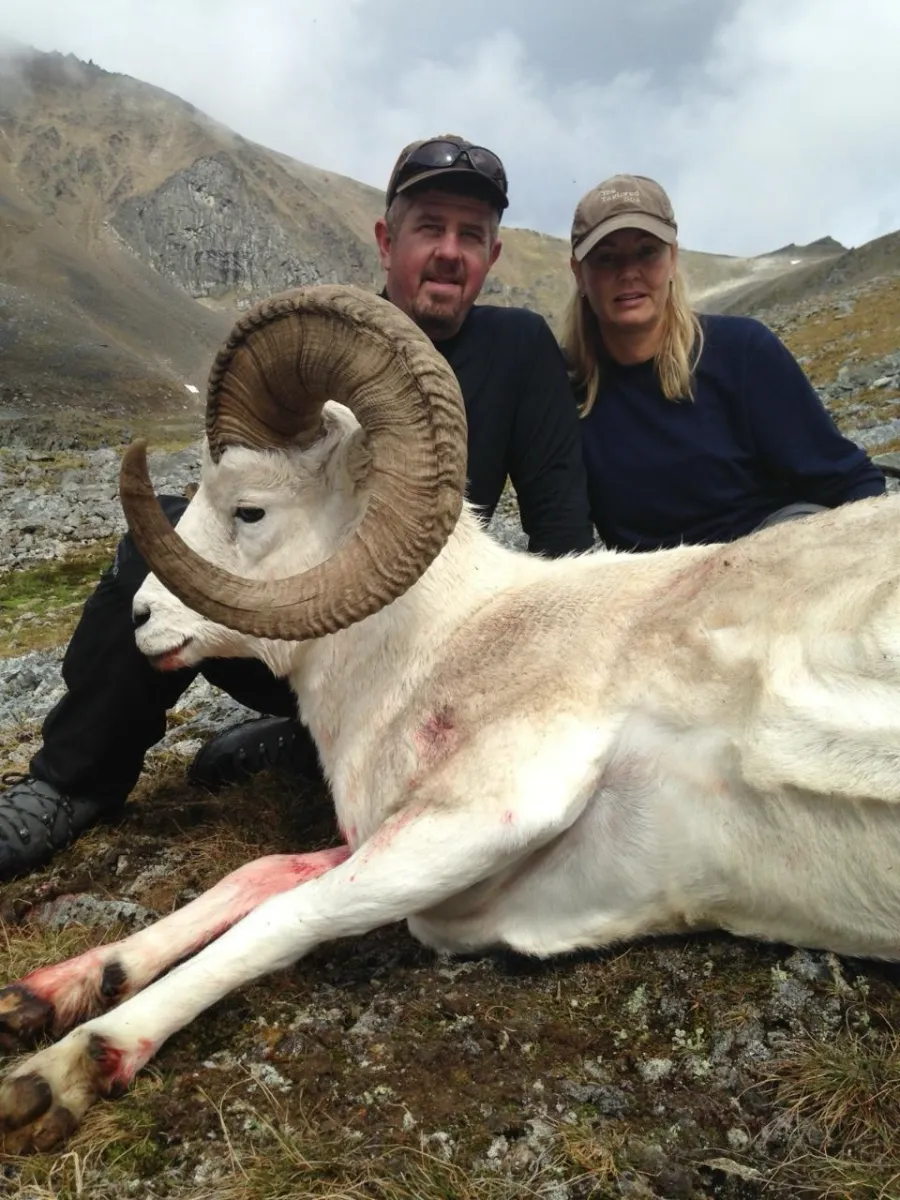
Spot and Stalk Hunting: Real-World Tactics, Terrain, and Pressure in 2026
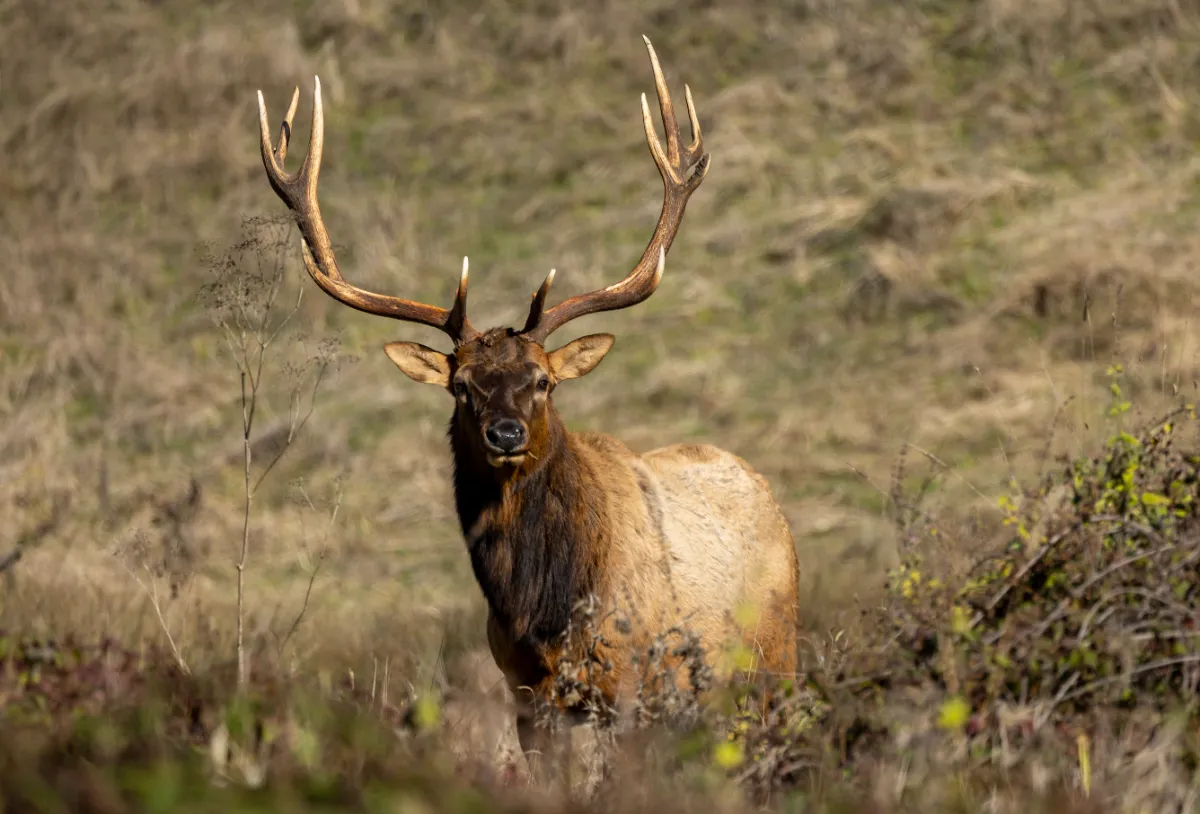
Spot and stalk hunting is about patience, glassing, and closing the gap without getting busted. It sounds simple, but the reality on the mountain is a lot more complicated, especially in 2026 with tags getting tougher and pressure climbing in many Western units.
Why Spot and Stalk Still Works in 2026
Spot and stalk remains one of the most effective ways to hunt elk, mule deer, and antelope out West. The reason is simple: you can cover ground with your optics, find animals before they find you, and adapt as conditions or pressure change. If you’re hunting public land, this approach often trumps sitting water or waiting in ambush, especially when weather or hunting pressure scatters game.
But don’t get fooled by the Insta-glam of hero shots and easy stalks. Most stalks end in blown opportunities, especially if you rush or fail to pay attention to wind, terrain, and your own noise. The key is learning from every blown stalk and understanding why.
Reading Terrain and Finding Game
Start every morning behind your glass. Whether you’re setup on a ridge, picking apart a burn, or working the edge of a big sage flat, take your time. Animals stick to certain terrain features for cover, feed, and escape. Mule deer might bed on shady north slopes or just below a break; elk often hit edges at first and last light then disappear into timber. Antelope are usually in open country but can use dips and swales to vanish.
Learn to glass with intent, not just scan. Find a high point, get comfortable, and work the country in grids. Look for parts of animals, not just the whole thing — an antler tip, a patch of hide, or the flicker of an ear. Good optics and patience matter more than boot miles at this stage.
Pressure, Access, and Hunter Behavior
By 2026, most public units see more hunters than they used to, especially during weekends and opener. Expect to see more trucks at trailheads and more folks on the ridges. Don’t get discouraged. Instead, use pressure to your advantage. Animals get pushed, so pay attention to escape routes, thick cover, and overlooked pockets. Sometimes, the best move is to let other hunters bump game your way.
Access is a double-edged sword. Easy spots fill up first, and long hikes or tough climbs often mean more elbow room. If you’re willing to work harder, you’ll find less-pressured animals. E-scouting pays off, but boots-on-the-ground scouting is still the gold standard. Get out before the season if you can.
Stalking: Wind, Patience, and Realistic Expectations
Once you’ve found an animal, the real work begins. The wind is everything. Always approach from downwind, and if the breeze swirls, back out and wait. Move slow and use every bit of cover, even if it means crawling. Rushing almost always gets you pegged.
Be ready for things to go sideways. Animals move, winds shift, and sometimes another hunter will blow up your stalk. That’s part of the game. The more stalks you attempt, the better you’ll get at reading body language and knowing when to move or wait.
How TAGZ Simplifies Spot and Stalk Planning
If you’re looking to make the most of your 2026 hunt, TAGZ can help you compare units, analyze pressure trends, and build a plan that fits your style. Whether you want to find overlooked country or stack the odds in tougher draw units, TAGZ takes the guesswork out of picking a spot and timing your stalks.
Spot and Stalk FAQ
What’s the #1 reason most stalks fail?
Most blown stalks come down to wind. If the animal smells you, it’s game over. Next is moving too fast or not using available cover.
How far should I plan to shoot?
Be honest about your skill and your weapon. Most successful stalks end inside 200 yards for a rifle, inside 50 for a bow. Closer is always better.
Is e-scouting enough?
E-scouting is a great start, but nothing replaces boots-on-the-ground scouting to learn real animal patterns and pressure.
How does hunting pressure affect spot and stalk?
More pressure means animals move earlier, use thicker cover, and can be jumpier. Focus on overlooked or harder-to-reach country, and be flexible.
For more on e-scouting and unit selection, check out our guides on scouting remote basins and choosing draw units.
Was this article helpful?
Previous
Common DIY Hunting Mistakes — Hard Lessons from the Field
Even seasoned DIY hunters make mistakes. Here’s what can trip you up in 2026 and how to avoid blowing your next Western hunt.
Next
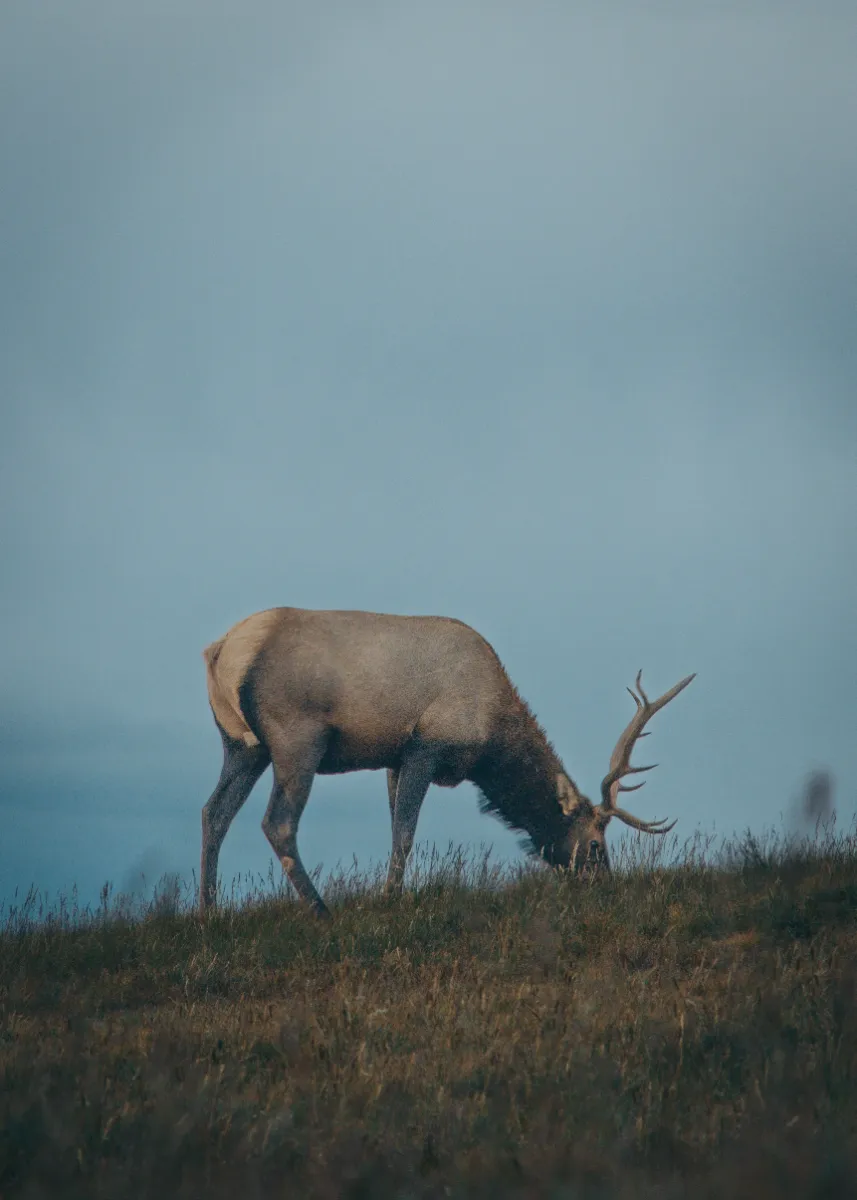
Ram Curl Measurements Explained — How to Judge Legal Rams
Ram curl measurements are used to determine legality and trophy quality in sheep hunting. Understanding full curl, horn mass, brooming, and maturity helps hunters accurately evaluate rams and avoid costly mistakes in the field.