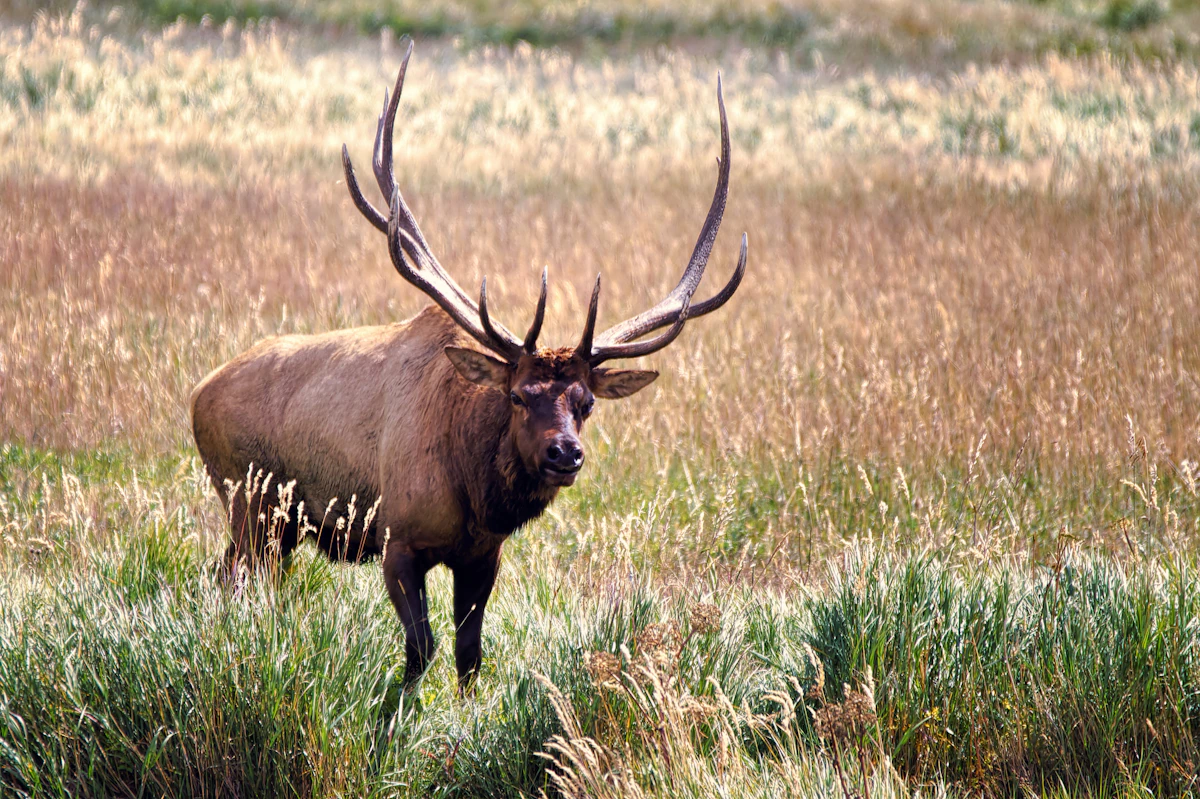
Resident vs. Nonresident Elk Hunting: Understanding Tag Allocation Across Western States
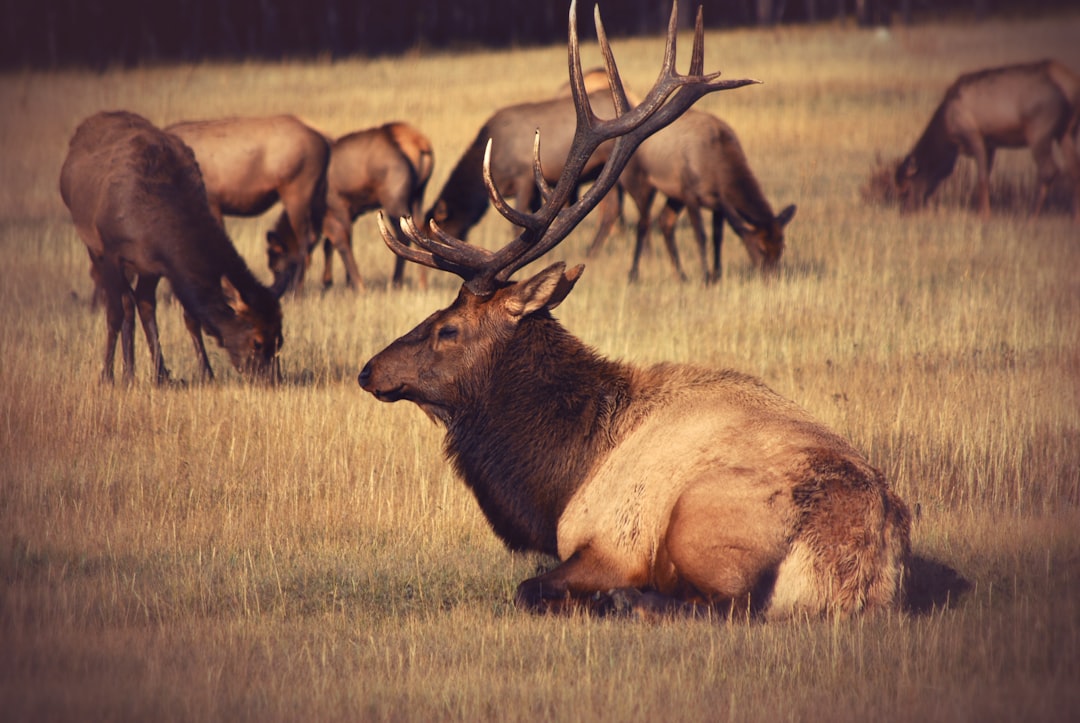
Every Western state manages elk as a public trust resource, but residents get preferential access. Tag allocation percentages determine how many permits go to in-state hunters versus out-of-state applicants, and these ratios vary dramatically from state to state. Some states reserve 90% or more of their limited-entry elk tags for residents, while others offer nonresidents nearly equal opportunity in certain unit tiers.
If you hunt elk across state lines, understanding these allocation systems is not optional. It directly affects your draw odds, point-burning strategy, application timing, and long-term hunt planning. This guide breaks down how each major elk state splits tags, what those numbers mean for your realistic chances, and how to build a smarter multi-state application strategy.
How Tag Allocation Works in Western States
Tag allocation is the percentage of available permits reserved for residents versus nonresidents in any given unit or hunt code. States set these percentages through legislative statute or wildlife commission regulation, and they apply before the draw begins.
For example, if a Colorado unit offers 100 rifle bull tags and the allocation is 80/20 resident/nonresident, then 80 tags go into the resident draw pool and 20 tags go into the nonresident pool. Residents compete only against residents. Nonresidents compete only against nonresidents. Draw odds are calculated separately for each group.
Allocation percentages can vary by species, weapon type, season timing, and unit quality. Some states apply a single allocation rule statewide. Others use tiered systems where trophy units have stricter nonresident caps than general opportunity units.
State-by-State Elk Tag Allocation Breakdown
Colorado Elk Tag Allocation
Colorado allocates elk tags using a tiered preference point system with separate pools for residents and nonresidents. For limited-entry rifle and muzzleloader elk, nonresidents are capped at 35% of available tags in most units. Archery elk operates under the same cap. However, leftover and reissue tags are available to all hunters on a first-come, first-served basis, which can shift effective allocation.
Colorado also offers over-the-counter elk tags in select units, which are not subject to allocation limits. Residents and nonresidents can both purchase OTC archery tags for specific units, though availability changes annually based on herd management objectives.
TAGZ helps you identify which Colorado units fall under the 35% nonresident cap and which have leftover tag potential. You can compare draw odds side by side, filter by weapon and season, and track your preference points so you apply strategically instead of burning points on marginal units.
Wyoming Elk Tag Allocation
Wyoming uses one of the most resident-favorable allocation systems in the West. Nonresidents are limited to 16% of full-price elk tags in the initial draw, with up to 25% in the special draw, which requires a higher application fee. Residents receive 84% to 75% of tags depending on the draw tier.
Wyoming also offers a small percentage of licenses in a random draw after preference point holders are served, which gives nonresidents with zero points a chance at highly sought tags. However, the 16% cap means nonresident draw odds are often single digits in premium units, even with maximum points.
General elk licenses in Wyoming are also allocated with a nonresident cap, and they often require multiple preference points. Limited quota units for trophy bulls are even harder, sometimes requiring a decade or more of point accumulation.
Montana Elk Tag Allocation
Montana splits its elk tags into two categories: general licenses and limited-entry permits. General combination licenses, which grant access to general elk and deer units, are capped for nonresidents at 17,000 total. These licenses operate on a preference point system, and in recent years, it has taken one to two points to draw as a nonresident.
Limited-entry elk permits for specific districts are allocated at 10% nonresident in most cases. This makes Montana one of the most restrictive states for out-of-state hunters pursuing premium elk units. Residents draw these permits without competition from nonresident applicants in 90% of the quota.
Montana's combination license also restricts nonresidents from hunting certain units during peak rut weeks, further limiting nonresident opportunity. The state prioritizes resident access to its most productive elk country.
Idaho Elk Tag Allocation
Idaho does not cap nonresident elk tags statewide, but it does cap nonresident hunters in controlled hunt units. Nonresidents can purchase general elk tags over the counter, which grant access to most of the state. However, controlled hunt units with limited quotas allocate up to 10% of tags to nonresidents, with the remaining 90% going to residents.
Idaho's system favors residents heavily in premium units, but the general tag provides nonresidents with expansive hunting opportunity across backcountry zones. Controlled hunt tags for spike-only or antlerless elk are easier to draw, but mature bull tags in limited-entry units require multiple years of bonus point accumulation or exceptional luck in the random draw.
New Mexico Elk Tag Allocation
New Mexico uses a unique allocation system where nonresidents receive up to 12% of tags in a draw conducted separately from residents. However, New Mexico also allocates 6% of tags through an outfitter draw, and another 6% through a landowner voucher system. This reduces the public nonresident draw pool to 12% or less depending on the unit.
New Mexico does not use preference points. Every applicant has a random chance each year, which makes it possible to draw a trophy bull tag with zero points. However, the low nonresident allocation percentage means odds remain extremely low in premier units like the Gila.
The state also caps nonresident applications at three choices per year, forcing hunters to prioritize quality over quantity when building their application strategy.
Arizona Elk Tag Allocation
Arizona allocates elk tags using a bonus point system with a maximum 10% nonresident cap in most units. Some units allocate up to 20% to nonresidents, but the majority are capped at 10%. This makes Arizona one of the hardest states for nonresident elk hunters to draw premium tags.
Arizona's bonus point system increases your odds with each additional point, but it does not guarantee a tag. The state conducts a weighted random draw, and even applicants with maximum points compete against each other. However, Arizona allows hunters to apply with up to three companions, which can improve draw odds in certain unit-hunt code combinations.
Nevada Elk Tag Allocation
Nevada caps nonresidents at 10% of available elk tags across the state. The state uses a bonus point system similar to Arizona, where each bonus point increases your chances but does not guarantee a draw. Nevada also offers a 5% random tag pool where applicants with zero points compete alongside maximum point holders.
Nevada's elk herds are smaller than neighboring states, so tag quotas are limited. Premium bull units may issue fewer than 50 tags annually, and nonresidents compete for only five of those. Draw odds remain low even with maximum points, making Nevada a long-term application play.
Utah Elk Tag Allocation
Utah allocates elk tags using a blended system. Up to 50% of tags go to bonus point holders, and the remaining 50% go to a random draw. Nonresidents are capped at 10% of limited-entry elk tags, but Utah offers a small number of general any-bull tags that are easier to draw.
Utah's bonus point system works like Nevada's and Arizona's, where each point increases your odds but does not guarantee a tag. However, the 50% random pool gives nonresidents with few points a realistic chance at drawing a unit that might otherwise require a decade of point accumulation.
Utah also offers over-the-counter cow elk tags and spike-only tags in certain units, which provide nonresidents with additional hunting opportunity outside the limited-entry draw.
Oregon Elk Tag Allocation
Oregon caps nonresidents at 10% of controlled hunt elk tags. However, Oregon also offers general season over-the-counter elk tags for archery and rifle hunters, which are not subject to nonresident caps. These OTC tags provide access to most of the state's elk country, though mature bull densities vary significantly between units.
Controlled hunt units in Oregon require preference points, and premium units can take five to ten years to draw as a nonresident. However, Oregon allows hunters to build points while holding a general tag, which means you can hunt elk annually while banking points for a future premium hunt.
Washington Elk Tag Allocation
Washington caps nonresidents at 10% of special permit elk tags. General season elk tags are available over the counter for residents only, which severely limits nonresident access. Nonresidents must apply for special permits, and draw odds are low in most units due to the 10% cap.
Washington uses a preference point system, and it takes multiple years to draw most elk permits as a nonresident. However, the state offers leftover tags after the initial draw, which can provide last-minute hunting opportunity for nonresidents willing to take a lower-quality tag.
Why Allocation Matters More Than Draw Odds Alone
Draw odds percentages are often misleading if you do not account for allocation. A unit with 20% draw odds for residents might have 2% draw odds for nonresidents due to allocation caps. You are not competing against the entire applicant pool. You are competing only against applicants in your residency category.
This matters most in states like Wyoming, Montana, and Arizona, where allocation heavily favors residents. If you are a nonresident applying in these states, your realistic draw odds are lower than the published averages suggest. TAGZ breaks down draw odds by residency status so you can see exactly what your odds are based on your home state.
Allocation also affects point-burning strategy. If you have maximum points in a state with a 10% nonresident cap, you might still face years of competition from other maximum-point holders. Understanding allocation helps you decide whether to keep banking points or cash them in on a slightly lower-tier unit.
How to Build a Multi-State Application Strategy Around Allocation
The smartest nonresident elk hunters apply in multiple states annually and prioritize states with better allocation percentages or OTC options. Colorado, Idaho, and Oregon offer more nonresident opportunity than Wyoming, Montana, or Arizona. New Mexico and Utah provide random draw chances that do not require point accumulation.
A balanced application strategy might include one premium point-bank state like Wyoming or Arizona, two opportunity states like Colorado and Idaho, and one random draw state like New Mexico. This approach maximizes your chances of hunting annually while still building toward a trophy tag in the future.
TAGZ helps you manage this strategy by tracking preference points and bonus points across all states in one dashboard. You can filter units by draw odds, allocation percentages, and point requirements, then build a custom application plan that fits your timeline and budget.
Allocation Changes and Legislative Trends
Tag allocation percentages are not static. State legislatures and wildlife commissions adjust them periodically in response to resident demand, budget pressures, and herd management objectives. Several states have reduced nonresident allocation in recent years due to increased resident hunting pressure.
Colorado reduced nonresident allocation from 45% to 35% in 2022. Montana capped nonresident combination licenses at 17,000 and introduced new archery license restrictions. Wyoming continues to debate additional resident preference in general elk licensing.
These trends suggest that nonresident opportunity will continue shrinking in high-demand Western states. If you hunt as a nonresident, staying informed about allocation changes is essential. TAGZ monitors legislative updates and adjusts draw data in real time so you can adapt your application strategy before you lose opportunity.
Leftover Tags and Reissue Opportunities
Some states offer leftover or reissue elk tags after the initial draw. These tags are not subject to allocation caps, which means residents and nonresidents compete on equal footing. Colorado, Oregon, and Idaho all offer leftover tag sales, and New Mexico reissues unclaimed tags through a separate draw.
Leftover tags often go on sale weeks or months after the initial draw, giving you a second chance at units you did not draw initially. However, leftover tags are usually for lower-demand units or less desirable seasons. Premium units rarely have leftovers.
TAGZ tracks leftover tag availability and notifies you when tags become available in units you have saved or favorited. This gives you an edge in securing last-minute hunting opportunities without burning preference points.
Resident Hunters Have More Options Than They Realize
If you hunt as a resident in a Western state, you have a significant advantage in the draw system. Most states allocate 75% to 90% of their best elk tags to residents, which means your draw odds are often five to ten times higher than nonresident odds in the same unit.
However, many resident hunters do not take full advantage of their home state opportunity. They apply for the same high-demand units year after year, assuming they need maximum points to draw anything worthwhile. In reality, many mid-tier units offer excellent hunting with only a few preference points, and some states offer undersubscribed units that draw with zero points.
TAGZ helps resident hunters identify undervalued units by comparing draw odds, point creep trends, and harvest success rates. You can filter by terrain type, access, and unit size to find hidden gem hunts that do not require a decade of point accumulation.
Nonresident Strategies for States with Low Allocation
If you hunt primarily as a nonresident, you need a different strategy than resident hunters. Banking points in low-allocation states like Montana or Arizona makes sense only if you are willing to wait a decade or more for a trophy tag. If you want to hunt sooner, focus on states with higher nonresident allocations or OTC options.
Colorado and Idaho are the best states for annual nonresident elk hunting. Both offer OTC tags or high leftover tag availability, and both allocate more than 20% of limited-entry tags to nonresidents. Oregon also offers solid OTC opportunity for bowhunters and rifle hunters willing to hunt general season units.
New Mexico and Utah are worth applying to every year because their random draw systems give you a chance at premium units without waiting. If you draw, great. If not, you lose only the application fee. This makes them low-risk additions to any multi-state application strategy.
How TAGZ Helps You Navigate Tag Allocation
TAGZ simplifies tag allocation research by showing you exactly how many tags go to residents versus nonresidents in every unit. You can compare draw odds by residency status, filter by allocation percentage, and see historical trends for units that have changed allocation rules.
The platform also tracks your preference points and bonus points across all Western states, so you always know where you stand in the draw. You can set up custom hunt plans that factor in allocation caps, point requirements, and draw deadlines, then receive notifications when it is time to apply.
Whether you are a resident maximizing home-state opportunity or a nonresident building a multi-state strategy, TAGZ gives you the tools to make smarter decisions before you ever submit an application.
FAQ — Elk Tag Allocation
What is tag allocation in elk hunting? Tag allocation is the percentage of available elk permits reserved for residents versus nonresidents in a specific unit or hunt code. States set these percentages before the draw begins, and they determine how many tags each residency group competes for.
Which Western states have the best nonresident elk tag allocation? Colorado allocates 35% of limited-entry elk tags to nonresidents, making it the best state for out-of-state hunters. Idaho and Oregon also offer strong nonresident opportunity through over-the-counter tags and controlled hunts with 10% to 20% nonresident allocation.
Can nonresidents hunt elk in Montana without preference points? Yes, but it is difficult. Montana's combination license requires one to two preference points for nonresidents in most years. Limited-entry elk permits allocate only 10% to nonresidents, and premium units often require five or more bonus points.
Do all Western states cap nonresident elk tags? Yes, every major elk state caps nonresident allocation to some degree. Caps range from 10% in Montana and Arizona to 35% in Colorado. Some states like Idaho and Oregon offer over-the-counter tags to nonresidents, but controlled hunt units still cap nonresident access.
How does tag allocation affect draw odds? Allocation determines how many tags you compete for based on residency. If a unit allocates 10% of tags to nonresidents, your draw odds as a nonresident are calculated only against other nonresident applicants, not the entire applicant pool. This often makes nonresident odds five to ten times lower than resident odds.
Are leftover elk tags subject to allocation caps? No. Leftover and reissue elk tags are available to all hunters on a first-come, first-served basis or through a separate draw. Residents and nonresidents compete equally for these tags, which makes leftover sales a good opportunity for nonresidents in states with low allocation percentages.
Continue Planning Your Hunt
Understanding tag allocation is only the first step. TAGZ helps you track preference points and bonus points across all Western states, compare draw odds by residency status, and build a multi-state application strategy that maximizes your chances of drawing elk tags every year. Whether you are hunting as a resident or planning nonresident hunts across the West, TAGZ gives you the tools to make smarter decisions before application deadlines hit.
Explore more elk hunting insights and draw strategy guides on the TAGZ Insights page. Ready to start planning your next hunt? Check out the TAGZ platform to compare units, track points, and never miss a draw deadline. Learn more about how TAGZ can simplify your hunt planning on the TAGZ home page, or see pricing options and start your account on the TAGZ pricing page.
Was this article helpful?
Previous
Afternoon Elk Bedding Patterns: Where Bulls and Cows Rest During Midday
Elk retreat to predictable bedding areas during afternoon hours to ruminate and escape midday heat. Understanding these patterns helps hunters position for evening movements and increases success during midday stalks.
Next
Best Draw Weight for Elk Hunting: What You Really Need
Choosing the right draw weight for elk hunting balances arrow energy, accuracy, and shooter comfort. Most adult hunters succeed with 60-70 pounds, but your ideal weight depends on draw length, shooting form, and practice commitment.