Ram Curl Measurements Explained — How to Judge Legal Rams
Few topics confuse sheep hunters more than ram curl. Most of us understand width on elk, fork depth on mule deer, and spread on moose, but sheep play by different rules. A ram can carry heavy bases, excellent mass, and long horns and still be illegal in some areas, because many sheep regulations are built around curl rather than size. Learning to read curl is one of the most important skills a sheep hunter can develop. When you finally draw a tag, it can decide whether a ram is legal, mature, and worth pursuing, and the goal isn't just finding a big ram, it's finding a legal mature one.
What curl actually is
Ram curl describes how far the horns wrap around the ram's head. As a ram ages, his horns lengthen, thicken, and keep curving, so the farther the horn curls, the older and more mature he generally is. That makes curl one of the easiest shortcuts for estimating age in the field, but it also makes it the line between a legal animal and an expensive mistake, which is why so many jurisdictions write their rules around it.
The full-curl rule
Many sheep units use full curl as the legal requirement, and the purpose is straightforward: protect younger rams so they can reach maturity before harvest. By shielding young age classes, managers keep healthy age structures, strong genetics, and better trophy quality in the herd, and full-curl regulations have been central to sheep conservation. Definitions vary by state and province, but the general standard is the same. Looking at a ram from the side, picture a line starting at the horn base and passing through the center of the eye. If the horn tip extends beyond that line, the ram generally qualifies as full curl; if it falls short, he may not be legal. Always confirm the exact local definition before you hunt.
Half, three-quarter, and full
Young rams develop noticeable curl early, but a half-curl ram shows limited horn length, smaller bases, and a youthful look, and is well short of legal in most full-curl units. The animals that cause real trouble are three-quarter-curl rams, which carry good length, decent mass, and an impressive overall appearance that fools inexperienced hunters into thinking they're legal. Careful observation is essential. A true full-curl ram, by contrast, shows deep horn sweep, strong mass, mature body characteristics, and advanced age, and once you've studied enough of them, the difference gets easier to see.
Don't judge on length alone
Plenty of hunters fixate on curl and forget the rest. A ram with heavy bases, consistent mass, and good curl will often score well above a longer but lighter ram, because mass contributes throughout the entire horn and older rams separate themselves through thickness. Bases tell the story: average run 13 to 14 inches, good ones 15 to 16, and exceptional rams 16 to 18-plus, with heavy bases pointing straight to age and trophy potential. Brooming matters too. When horn tips break or wear away through fighting and age, a ram can look shorter, but the mass, curl, and age all remain, and many heavily broomed rams still score exceptionally. A broomed ram is often older than one carrying perfect tips, so never judge by length alone.
Species and optics
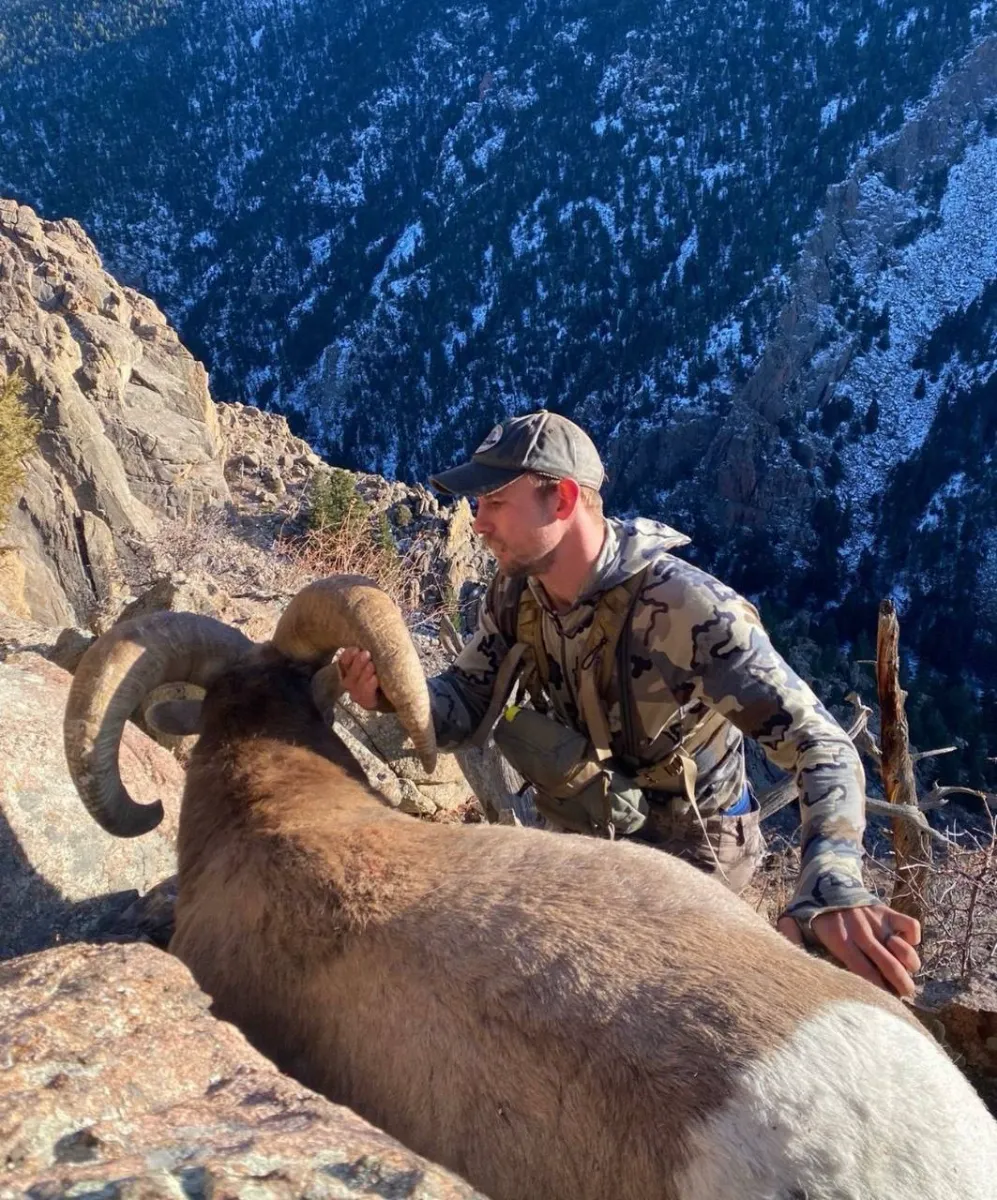
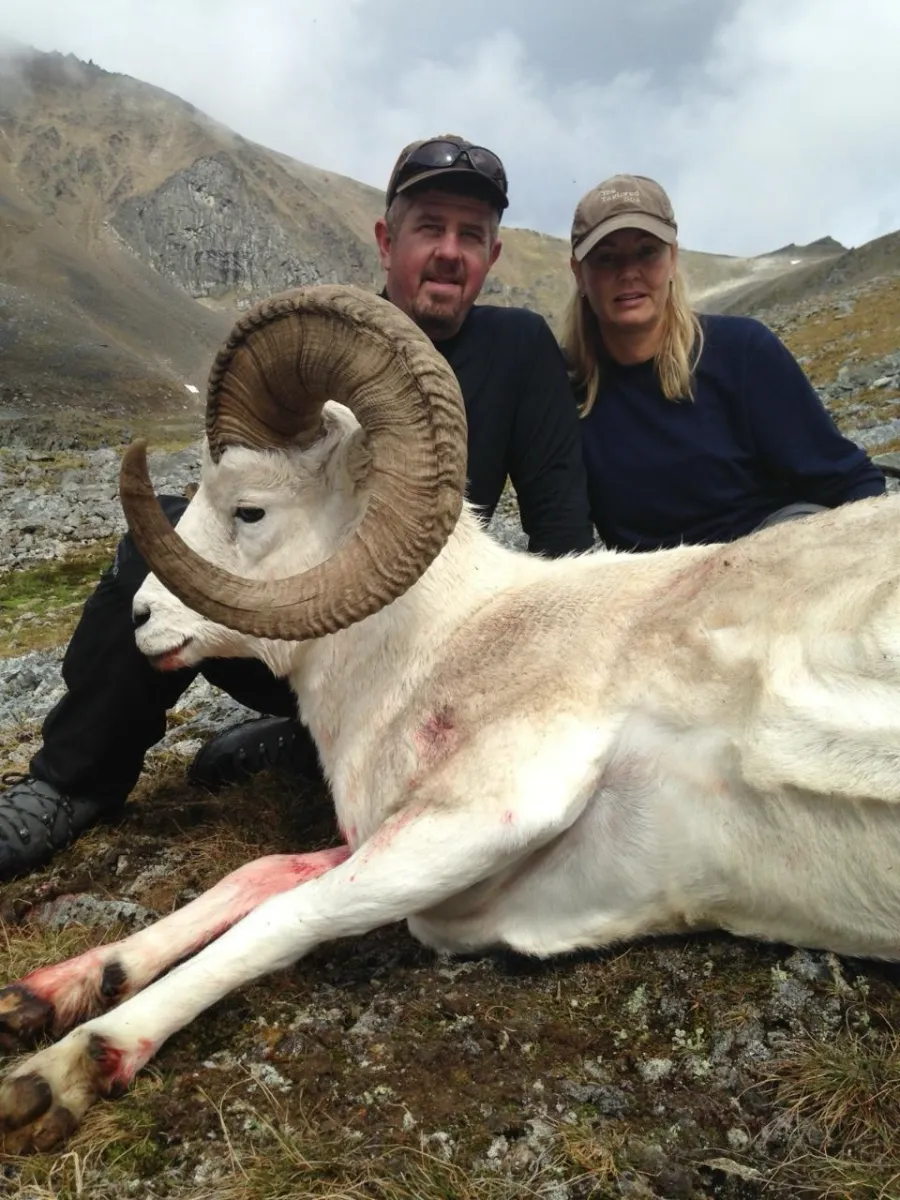
Curl reads a little differently across species. Rocky Mountain bighorns are known for massive curl, heavy bases, and dramatic full-curl profiles, the iconic sheep most hunters picture. Desert bighorns carry longer, sweeping horns with elegant curves and distinct profiles, but curl is still the key judging factor. Dall sheep hunts often revolve almost entirely around proper curl evaluation alongside brooming and age, and Stone sheep combine deep curl with striking beauty for one of the most coveted trophies in North America. Across all of them, the common mistakes are the same: judging from poor angles, focusing only on length, ignoring mass and brooming, and rushing the call. Few hunts reward good glass like sheep, and a quality spotting scope can be the difference between a legal ram and an illegal one. Because sheep tags can take years to draw, TAGZ helps you research draw odds, compare states, and build the long-term plan that gets you there.
Was this article helpful?
Previous
Spot and Stalk Hunting: Real-World Tactics, Terrain, and Pressure in 2026
A boots-on-the-ground guide to spot and stalk hunting out West in 2026, with honest tips on strategy, pressure, and how to adapt for real success.

Next
How to Field Judge Sheep — Complete Ram Judging Guide
Field judging sheep revolves around understanding curl, mass, horn length, age, and brooming. Mature rams often stand out through heavy bases and deep curl, making age and mass just as important as horn length when evaluating trophy quality.