50 Questions to Ask Before Booking a Bison Hunt in 2027
Booking a guided bison hunt can involve a substantial financial commitment. Depending on the location, permit structure, and outfitter, hunters may spend thousands of dollars before ever stepping into the field.
But not all bison hunts offer the same experience.
A free-ranging public-land hunt in the American West can be fundamentally different from a private-land meat hunt, a tribal hunting opportunity, or a managed-ranch trophy hunt.
Some require winning a highly competitive state drawing. Others may be booked directly through an outfitter or property operator, depending on the jurisdiction and hunting arrangement.
Prices, trophy fees, hunting methods, guide services, and meat-processing arrangements can also vary dramatically.
Before paying a deposit, hunters should understand exactly what type of experience they are purchasing, how the permit works, and what services are included.
This guide covers 50 essential questions to ask before booking a bison hunt in 2027, including outfitter qualifications, hunt costs, free-range versus fenced conditions, licensing, harvest expectations, meat handling, and cancellation policies.
Bison Hunt Types: Understand What You're Booking
Hunt typeWhat hunters should understandPublic-land draw huntOften requires a state-issued permit awarded through a drawingPrivate-land free-ranging huntHunting occurs on private property where bison may range across a larger landscapeTribal-land huntPermits and regulations are determined by the applicable tribal authorityManaged-ranch huntBison are managed on private property, potentially with supplemental feeding or selective harvestEnclosed huntBison are hunted within a fenced property; acreage and management practices varyMeat-focused huntTypically prioritizes meat harvest rather than trophy characteristics
These categories are not always mutually exclusive. For example, a managed ranch can also be fenced, and a tribal hunting opportunity may involve free-ranging animals.
Ask the outfitter to explain the actual hunting conditions rather than relying on broad marketing terms.
50 Essential Questions to Ask a Bison Hunting Outfitter
1. What Type of Bison Hunt Am I Booking?
Start by asking the outfitter to describe the hunt in specific terms.
Is it a public-land draw hunt, private-land opportunity, tribal hunt, free-ranging hunt, or managed-ranch experience?
These arrangements can differ significantly in hunting difficulty, permit requirements, animal management, and price.
A hunter looking for a traditional free-ranging adventure should not assume that every guided bison hunt provides that experience.
2. How Do I Obtain the Bison Tag?
Ask exactly how the hunting license or permit is issued.
Depending on the hunt, the authorization may come through a state drawing, tribal permit system, or another lawful private-land arrangement.
Some hunts require applicants to draw a permit before booking the guide service.
Others may be available through direct booking.
Paying an outfitter does not automatically guarantee a state-issued bison tag.
3. Is the License or Permit Included in the Price?
Ask whether the advertised package includes every required license, tag, and permit.
An outfitter may advertise an $8,000 hunt without including licensing, transportation, processing, or trophy-care expenses.
Request a written explanation of what the quoted price covers.
4. What Is the Total Cost of the Hunt?
Rather than comparing advertised prices alone, request an itemized quote.
Potential expenses include:
Outfitter and guide fees
Hunting licenses and permits
Trophy or harvest fees
Lodging and meals
Transportation
Meat processing and freezing
Hide and skull preparation
Shipping
Taxes and gratuities
The best comparison is the total cost from arrival through departure, including the cost of bringing meat and trophies home.
5. Are There Additional Trophy Fees?
Some private bison hunting operations charge different prices based on the animal harvested.
Pricing may depend on sex, age, horn characteristics, or management classification.
Ask whether the advertised price covers the exact animal you intend to hunt.
Get the trophy-fee schedule in writing before booking.
6. Am I Hunting a Bull or Cow Bison?
Clarify the type of animal included in the package.
Possible options include mature bulls, younger bulls, management bulls, cows, or either-sex opportunities.
A cow or management hunt may suit someone primarily interested in meat, while another hunter may prioritize a mature trophy bull.
These should be treated as different hunting products when comparing outfitters.
7. What Size and Age of Bison Should I Realistically Expect?
Ask about typical harvested animals, not just the largest bull in the outfitter's photo gallery.
Useful questions include:
What is the average age of harvested bulls?
What did the last 10 hunters harvest?
How does the outfitter define a mature bull?
Are animals priced by horn size or age?
Request recent photographs from the exact property or hunting program being offered.
8. Can I Speak With Recent Clients?
Ask for references from hunters who participated in the same program during the previous one or two seasons.
Discuss whether the hunt matched its description, whether unexpected charges occurred, and how the outfitter handled meat and trophy care.
A recent client's experience is often more useful than a promotional testimonial.
9. How Many Hunters Are in Camp?
Ask both how many bison hunters the outfitter accepts annually and how many hunt simultaneously.
These are different numbers.
Multiple hunters pursuing the same herds can affect hunting pressure, guide availability, and the overall experience.
10. Is the Hunt One-on-One?
Do not assume that the word "guided" means one hunter per guide.
Some hunts operate one-on-one, while others use two hunters per guide or another arrangement.
Confirm the guide ratio and whether it changes during the hunt.
11. Who Will Actually Guide Me?
The person selling the hunt may not be the guide accompanying you in the field.
Ask about the assigned guide's experience, familiarity with the property, and history guiding bison hunters.
12. Is the Outfitter Properly Licensed and Authorized?
Guide and outfitter requirements vary by jurisdiction.
For public-land hunts, verify any applicable state outfitter licensing and federal land-use authorization.
For tribal hunts, confirm the operator has the necessary tribal permissions.
For private-land operations, verify the relevant legal requirements and property access.
Do not rely solely on a verbal assurance.
13. Where Exactly Will We Hunt?
You may not receive exact GPS coordinates before booking, but the outfitter should explain the general hunting area.
Ask about the state, region, land ownership, approximate acreage, and access arrangements.
If an outfitter advertises access to 100,000 acres, determine how much is actually usable bison habitat and whether that access is exclusive.
14. Is the Hunting Property Fenced?
Ask whether any part of the hunting area is enclosed or high-fenced.
If so, find out:
Total acreage
How long the bison have occupied the property
Whether animals are supplementally fed
How the herd is managed
How frequently animals are introduced
A fenced hunt may meet some hunters' goals, but it should never be marketed ambiguously as a completely free-ranging experience.
15. What Is the Actual Hunting Method?
Ask the outfitter to describe a typical hunting day.
Methods can include spot-and-stalk, glassing, horseback travel, hiking, or vehicle-supported access.
There is a substantial difference between locating free-ranging animals across a large landscape and approaching a known managed herd.
Know which experience you are purchasing.
16. How Physically Demanding Is the Hunt?
Bison hunts can range from relatively accessible to extremely challenging.
Ask about average walking distance, elevation, snow conditions, steep terrain, and recovery logistics.
Some free-ranging hunts require long periods of glassing and difficult travel in winter conditions.
17. What Are Typical Shot Distances?
Ask about actual shot distances from recent hunts.
The outfitter's last 10 successful harvests may provide a more realistic picture than a generic statement about maximum shooting distance.
Practice from field positions appropriate to the hunt and remain within your demonstrated abilities.
18. What Rifle and Ammunition Do You Recommend?
Bison are large, heavy animals, and equipment selection deserves careful consideration.
Ask about minimum legal caliber requirements, suitable bullet construction, and expected shooting conditions.
Prioritize equipment that meets the jurisdiction's rules and supports ethical, reliable penetration and controlled expansion.
19. How Are Bison Selected for Harvest?
Ask how the guide identifies suitable animals.
Guides may consider age, body size, horn characteristics, and herd-management objectives.
If you're paying for a mature bull, obtain a clear definition of that category before the hunt.
20. What Is Your Recent Harvest Rate?
Request actual hunter and harvest counts from recent seasons.
For example:
MetricInformation to requestHunters guidedTotal number of clientsAnimals harvestedTotal successful harvestsBull harvestsNumber of bullsUnsuccessful huntersNumber who did not harvestHunt datesSeasons representedHunt typePublic, private, free-ranging, or managed
Be cautious with vague claims such as "100% success."
Ask how success is defined and whether the reported rate reflects the same hunt package you are considering.
Draw odds and outfitter harvest rates are different measurements. Draw odds describe the chance of obtaining a permit. Harvest rates describe results after hunters have permits and participate in the hunt.
21. What Happens if I Don't Harvest a Bison?
Find out whether the package is based on a fixed number of hunting days or a successful harvest.
Ask about refunds, additional hunting days, return trips, and discounted rebooking.
Do not assume a harvest is guaranteed unless the contract explicitly defines such a guarantee.
22. How Many Full Hunting Days Are Included?
A five-day package may include arrival and departure days.
Ask how many full days will actually be spent hunting.
This matters when comparing packages with similar advertised lengths.
23. Who Handles Field Recovery?
A successful bison hunt requires a substantial recovery operation.
Ask who is responsible for field dressing, skinning, quartering, loading, and transporting the animal.
Confirm whether the outfitter has the equipment and personnel needed to recover an animal from difficult terrain.
24. How Is the Meat Handled?
For many hunters, the meat is one of the primary reasons to pursue bison.
Ask how quickly the animal will be processed, where meat will be cooled, and whether refrigeration is available.
Because a mature bison can yield hundreds of pounds of packaged meat, meat care should be arranged before the hunt begins.
25. Is Meat Processing Included?
Confirm whether professional butchering is included in the package.
If not, request the processor's name, estimated charges, turnaround time, and freezing options.
26. How Will I Transport the Meat Home?
Ask whether the outfitter can assist with frozen meat boxes, coolers, freight arrangements, or processor shipping.
Hunters flying to their destination should investigate airline and cargo restrictions before booking.
Driving may simplify transportation, but sufficient cooler capacity and temperature control are essential.
27. What Happens to the Hide?
If you want a rug, shoulder mount, or another taxidermy product, tell the outfitter before the hunt.
The skinning and preservation process may differ depending on your intended mount.
Confirm whether hide preparation and salting are included.
28. Who Handles the Skull?
Ask whether skull cleaning is included and which services are available.
Options may include European-mount preparation, beetle cleaning, or shipment to a taxidermist.
Obtain pricing and expected completion timelines.
29. Are There Carcass Transportation or Disease-Related Restrictions?
Verify the rules governing transport of meat, hides, skulls, and other animal parts.
Requirements can vary by the hunting jurisdiction and the state where the hunter lives.
Do not automatically apply deer or elk carcass restrictions to bison, but confirm all applicable animal-health and import requirements.
30. What Lodging Is Included?
Ask where you will sleep and whether accommodations are included in the price.
Possibilities include lodges, cabins, hotels, wall tents, spike camps, or independently arranged lodging.
Request photographs of the actual accommodations.
31. Are Meals Included?
Clarify which meals, snacks, beverages, and camp provisions are included.
Also ask about dietary accommodations and any relevant camp policies.
32. Is Transportation Included?
Determine whether the outfitter provides airport pickup, transportation to camp, and transportation during the hunt.
Rental vehicles, charter services, and additional transfers can significantly increase total costs.
33. What Equipment Should I Bring?
Request a written gear list tailored to the specific location and season.
Typical equipment considerations include appropriate hunting weapons, optics, rangefinders, weatherproof clothing, boots, packs, and shooting support.
Ask what equipment the outfitter supplies.
34. What Weather Conditions Should I Expect?
Bison hunting conditions vary widely.
Depending on the location and season, hunters may encounter heat, rain, mud, high winds, snow, or extreme cold.
Ask what conditions previous hunters experienced during comparable dates.
35. What Happens if Weather Prevents Hunting?
Ask whether the hunt can be extended, rescheduled, or refunded if weather prevents access.
Clarify whether additional hunting days are available and what they cost.
These terms should appear in the written agreement.
36. How Much Is the Deposit?
Before sending money, confirm:
Deposit amount
Payment schedule
Final balance deadline
Refundability
Transferability
Whether the deposit can carry into another season
Never assume the deposit is refundable.
37. What Happens if I Don't Draw the Tag?
For draw-dependent hunts, ask whether the deposit is refunded, carried forward, or transferred to another opportunity.
This is especially important when booking guide services before drawing results are released.
38. What Happens if the Season Closes?
Ask how the outfitter handles closures caused by agency action, wildfire, weather, disease, or other circumstances beyond the hunter's control.
Understand whether you receive a refund, credit, or replacement dates.
39. What Happens if the Outfitter Cancels?
The contract should clearly describe what happens if the outfitter cannot provide the agreed service.
Ask about refunds, credits, and alternative arrangements.
40. What Happens if I Cancel?
Understand your own cancellation obligations.
Work conflicts, injuries, family emergencies, and travel problems can prevent a planned hunt.
For expensive trips, consider investigating insurance that specifically covers the risks you want protection against.
41. Are There Any Additional Fees?
Ask the outfitter to identify every possible charge beyond the advertised package price.
This includes landowner fees, trophy charges, licenses, transportation, processing, trophy care, and taxes.
A written itemized estimate makes competing offers easier to compare.
42. What Gratuity Is Expected?
Guide gratuities are common but are not state-mandated hunting fees.
Ask whether the outfitter recommends a range and whether tips are shared among guides and camp staff.
Budget accordingly.
43. Can I Bring a Non-Hunting Guest?
Ask whether a spouse, family member, or friend can accompany you.
Additional guest fees may cover lodging, meals, transportation, or camp access.
44. Can I Bring a Photographer?
If you want professional photographs or video, obtain permission before bringing another person.
Ask about any guest fees or filming restrictions.
45. What Happens if I Wound a Bison?
Discuss the wounded-animal policy before hunting.
Ask how long the outfitter searches, whether a wounded animal counts as the harvest, and whether additional charges apply.
Ethical recovery must take priority.
46. What Is the Policy on Follow-Up Shots?
Discuss safe follow-up procedures with your guide before the hunt.
Understand the outfitter's expectations for confirming that an animal is incapacitated and for approaching a downed bison safely.
47. Can I Hunt With a Bow?
If you want an archery bison hunt, confirm that the jurisdiction and outfitter permit archery equipment.
Ask about legal equipment specifications and any additional outfitter requirements.
48. Can I Use a Muzzleloader?
Confirm muzzleloader legality, equipment requirements, and outfitter policies.
Do not assume that a rifle hunting package automatically permits every alternative weapon.
49. What Is the Backup Plan?
Ask what happens if bison move out of the hunting area, roads close, access changes, or severe weather prevents reaching a particular location.
An experienced outfitter should be able to explain reasonable contingency plans.
50. Does This Hunt Actually Match My Goals?
The final question is one to ask yourself.
Are you looking for a free-ranging adventure, a mature trophy bull, a meat-focused hunt, a family experience, or a physically accessible hunting opportunity?
The right outfitter depends on the experience you want—not simply the largest bull displayed on a website.
Additional Questions for Different Bison Hunting Opportunities
Public-Land Bison Hunts
Public-land opportunities often require additional planning because a state drawing may determine whether the hunter can participate.
Ask which permit is required, whether the outfitter assists with applications, what happens if you fail to draw, and what public-land guiding authorization the operator holds.
Historical drawing results can help hunters evaluate application strategies, but past odds do not guarantee future permits.
Private-Land Bison Hunts
Private-land hunters should focus on property conditions, animal management, acreage, fencing, trophy pricing, and meat ownership.
Ask whether bison are free-ranging, supplementally fed, or selectively managed.
Clarify whether the price is based on the animal harvested and whether the hunter receives all edible meat.
Tribal Bison Hunts
Tribal hunting opportunities can operate under rules different from state hunting regulations.
Confirm the issuing authority, permit requirements, guide requirements, legal hunting methods, and harvest reporting obligations.
Follow the applicable tribal regulations rather than assuming neighboring state rules apply.
Bison Draw Odds: What Hunters Need to Know for 2027
Some Western bison hunting opportunities require highly competitive drawings.
Hunters may research opportunities in Arizona, Utah, Montana, Wyoming, Alaska, and other jurisdictions, depending on current eligibility and available hunts.
However, each jurisdiction operates under its own licensing system.
Rules can differ regarding preference points, bonus points, residency, waiting periods, permit allocations, and application deadlines.
For 2027, hunters should verify the specific drawing system rather than assuming one state's rules apply everywhere.
An outfitter's historical harvest rate does not change a hunter's drawing probability unless the applicable permit system explicitly provides a separate authorized allocation or arrangement.
Use TAGZ to research supported Western hunting draw systems and application opportunities.


Free to join
Download mobile app
- Detailed draw odds
- Point tracking
- Deadline reminders
- 18 states covered





Free to join
Download mobile app
- Detailed draw odds
- Point tracking
- Deadline reminders
- 18 states covered






Free to join
Download mobile app
- Detailed draw odds
- Point tracking
- Deadline reminders
- 18 states covered

How Much Does a Guided Bison Hunt Cost in 2027?
There is no reliable universal price for a guided bison hunt.
Costs depend on the location, type of hunt, animal classification, permit requirements, lodging, guide services, and included processing.
A private meat-focused hunt and a guided free-ranging trophy bull hunt should not be treated as equivalent packages.
For 2027, request written quotes from multiple outfitters and compare the total cost.
Example: Why Headline Prices Can Be Misleading
ExpenseOutfitter AOutfitter BAdvertised hunt$7,500$6,500LodgingIncludedAdditionalMealsIncludedAdditionalField transportationIncludedAdditionalMeat processingVerifyVerifyTrophy feesVerifyVerifyTotal costRequires written quoteRequires written quote
These are illustrative prices, not verified 2027 outfitter offers.
The less expensive advertised package may ultimately cost more once necessary services are included.
Warning Signs When Booking a Bison Hunt
Be cautious when an outfitter refuses to explain whether a property is fenced, cannot provide recent references, avoids written contracts, or will not disclose additional fees.
Other concerns include guaranteeing success in a state drawing, providing unclear meat-handling arrangements, withholding basic information about the hunting location, or pressuring clients to pay immediately.
Online reviews and photographs can be useful, but they should supplement—not replace—license verification, recent references, and a written contract.
2027 Bison Hunt Booking Checklist
Before paying a deposit, confirm the following details.
CategoryWhat to verifyHunt typePublic, private, tribal, free-ranging, managed, or enclosedLicensingExact permit pathway and eligibilityHunt areaLocation, acreage, land status, accessAnimalBull, cow, age, trophy classificationPriceComplete written cost breakdownTrophy feesAdditional charges based on animal harvestedGuide serviceAssigned guide, experience, hunter-to-guide ratioHunt durationActual full hunting daysResultsRecent harvest counts and referencesDifficultyTerrain, distance, weather, elevationEquipmentWeapon rules and recommended gearMeatRecovery, processing, refrigeration, transportationTrophy careHide, skull, taxidermy arrangementsContractDeposit, cancellation, closure, and weather policiesWounding policyRecovery responsibilities and applicable feesAuthorizationOutfitter licensing and land-use permissions
Frequently Asked Questions About Booking a Bison Hunt
What should I ask before booking a guided bison hunt?
Ask about the type of hunt, free-ranging versus fenced conditions, permit requirements, total price, trophy fees, guide services, recent harvest results, meat processing, and cancellation terms.
How much does a guided bison hunt cost?
Prices vary substantially depending on location, hunt structure, animal type, and included services. Obtain current written quotes from individual outfitters.
Are all guided bison hunts free-ranging?
No. Guided bison hunts can take place on public land, private free-ranging areas, tribal lands, managed ranches, or enclosed properties.
Do I need to draw a bison tag?
It depends on the hunting opportunity. Some hunts require competitive state drawings, while others operate through different legal permit or private-land arrangements.
Can an outfitter guarantee a bison tag?
An outfitter cannot guarantee a permit awarded through a competitive state drawing unless the jurisdiction provides a specific lawful mechanism supporting that representation.
Should I ask about trophy fees?
Yes. Some operations charge different prices based on the animal's sex, age, size, or management classification.
Is bison meat processing included in guided hunts?
Sometimes. Confirm the processor, price, cooling arrangements, and transportation responsibilities before booking.
How much meat can I expect from a bison?
A mature bison can yield hundreds of pounds of packaged meat, depending on animal size and processing decisions. Plan freezer space and transportation accordingly.
Should I ask for recent hunter references?
Yes. Speak with hunters who participated in the same program or hunted the same property recently.
What is the biggest red flag when booking a bison hunt?
A lack of transparency about the hunting conditions, total cost, permits, licensing, animal management, or contract terms should prompt further investigation.
Plan Your 2027 Bison Hunt With TAGZ
A successful bison hunt begins with understanding the opportunity before committing money.
Whether you are applying for a limited public-land permit or booking a private guided hunt, evaluate the licensing system, outfitter, hunting conditions, total price, and recovery logistics.
TAGZ was founded by hunters, guides, and outfitters with firsthand experience navigating Western hunting systems.
Our platform helps hunters research supported draw opportunities, track application deadlines, and develop longer-term hunting strategies.
Explore:
Before booking a bison hunt in 2027, verify the tag, understand the hunt type, compare complete costs, and get every important promise in writing.
Official Hunting Resources
Because bison licensing and hunting regulations vary significantly by jurisdiction, hunters should consult the wildlife agency responsible for their intended hunt.
Useful starting points include:
Arizona Game and Fish Department — Arizona bison hunting information and applications.
Utah Division of Wildlife Resources — Utah big-game and bison permit information.
Montana Fish, Wildlife & Parks — Montana bison hunting regulations and applications.
Wyoming Game and Fish Department — Wyoming bison hunting information.
Alaska Department of Fish and Game — Alaska bison hunting opportunities and regulations.
For hunts on tribal lands, consult the relevant tribal wildlife authority directly.
TAGZ Editorial Standards and Disclaimer
TAGZ was started by hunters, guides, and outfitters who understand the challenges of planning Western hunts and navigating state licensing systems.
This article focuses on practical outfitter evaluation, transparent pricing, permit requirements, and responsible hunt preparation.
The questions and examples are intended as a planning resource. They do not represent verified offers from individual outfitters.
Important: Bison regulations, permit systems, guide requirements, fees, hunting seasons, and carcass transportation rules vary by jurisdiction and may change for 2027. Verify current requirements directly with the applicable state, federal, or tribal authority before applying, booking, or hunting.
Last updated October 7, 2026.
Was this article helpful?
Previous
Alaska Guided Mountain Goat Hunts 2027: Costs, Tags, Draw Odds & Outfitters
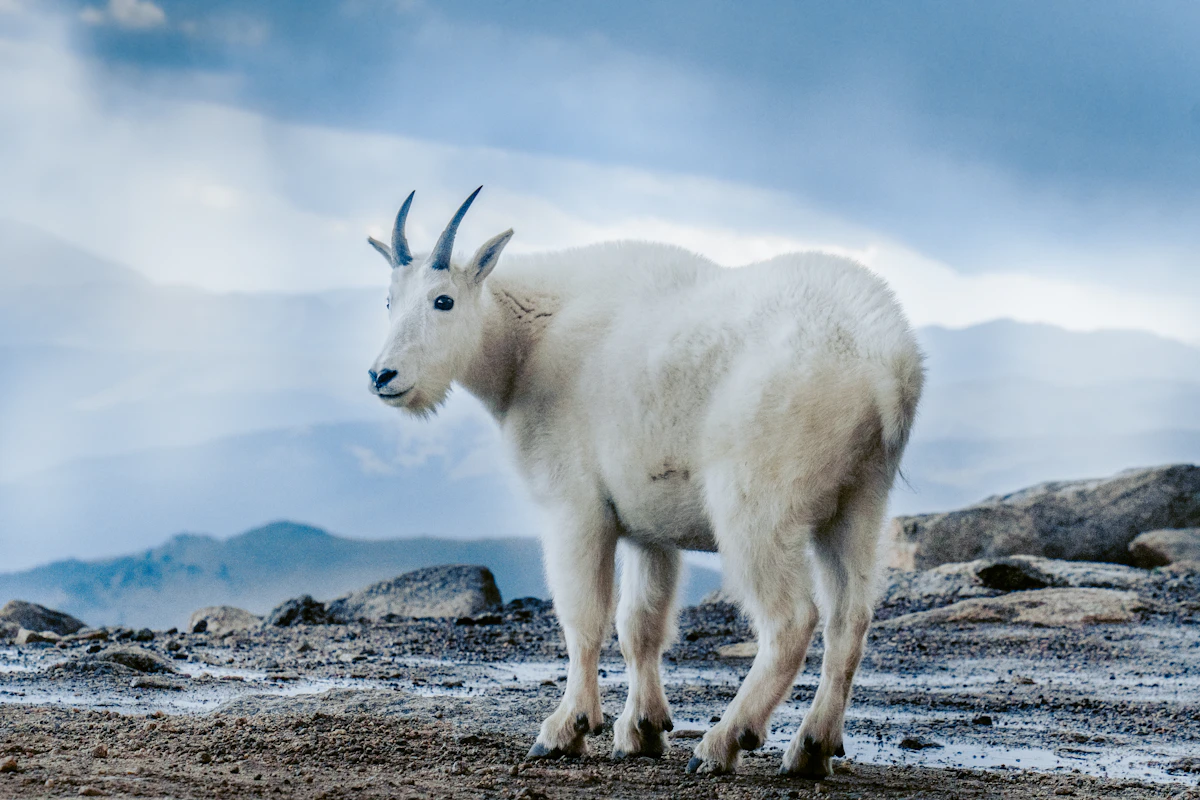
For a U.S. nonresident planning an: Alaska Mountain Goat Hunt In 2027, the most important rule is: You Generally Cannot Hunt Mountain Goat Alone. ## Alaska Guided Mountain Goat Hunts 2027: Summary Alaska offers guided mountain goat hunting opportunities on Kodiak Island, the Kenai Peninsula, Southeast Alaska, and Southcentral Alaska. U.S. nonresident hunters generally must hire a licensed guide or hunt with a qualifying Alaska resident relative. Guided mountain goat hunts currently start around **$12,500**, with total trip costs commonly reaching **$15,000–$20,000+** after transportation, licenses, locking tags, and travel expenses. Alaska does not use preference points or bonus points for mountain goat drawings. Hunters may currently submit up to six drawing applications, while certain areas offer registration hunts that do not require winning a drawing. Some drawing hunts require a guide-client contract before applying. Hunters should compare historical draw odds, hunt numbers, outfitter availability, and total costs before booking. Final 2027 regulations, application deadlines, and permit requirements should be verified through the [Alaska Department of Fish and Game](https://www.adfg.alaska.gov/index.cfm?adfg=goathunting.main). Use [TAGZ](https://www.getmytagz.com/) to research hunting opportunities and plan your 2027 applications.
Related
Alaska Mountain Goat Draw Odds 2027: Tags, Hunts & Strategy
Alaska mountain goat drawing permits are awarded through a random lottery without preference points or bonus points. First-time applicants can compete for the same permits as longtime applicants. Under current rules, hunters may submit up to six drawing applications per species, including repeat entries for an eligible hunt. The standard drawing application period runs from November 1 through December 15, and the current individual mountain goat drawing application fee is $5 per hunt. For U.S. nonresidents, mountain goat hunting generally requires accompaniment by an Alaska-licensed guide or an eligible Alaska resident relative who meets the state's second-degree-of-kindred requirements. The supplied current state fees are $160 for a nonresident hunting license and $600 for a nonresident mountain goat locking tag, excluding drawing applications, guiding, and travel. Final 2027 draw odds are not yet known. Hunters should use completed historical drawing results and the applicable ADF&G drawing supplement when comparing hunts.
Next
Arizona Elk Draw Odds With 5 Points 2027: Best Strategy
If you have: 5 Arizona Elk Bonus Points going into the: 2027 Arizona Elk Draw, you have more drawing weight than an applicant with: Zero Points. But five points do not mean: You Have Preference Over Everyone With Fewer Points. Arizona uses: Bonus Points —not: Preference Points. Each bonus point gives your application: An Additional Random Number during applicable phases of the draw. With: 5 Bonus Points, your application receives: One Base Random Number + Five Bonus-Point Random Numbers before accounting for any applicable: Loyalty Bonus Point or: Hunter Education Bonus Point. The lowest number generated for your application is used. Five points can therefore: Improve Your Probability without: Guaranteeing A Tag. For many of Arizona's most sought-after: Early Bull Elk Hunts, five points will generally not place an applicant near the point level needed to receive a tag through: The 20% Bonus Pass. But that does not mean: You Have No Chance. You can still draw through: Arizona's Randomized First/Second Choice Pass. That distinction is the key to understanding: Arizona Elk Draw Odds With Five Points 2027.