Pulling Bull Elk Away from Cow Elk — Strategies That Work
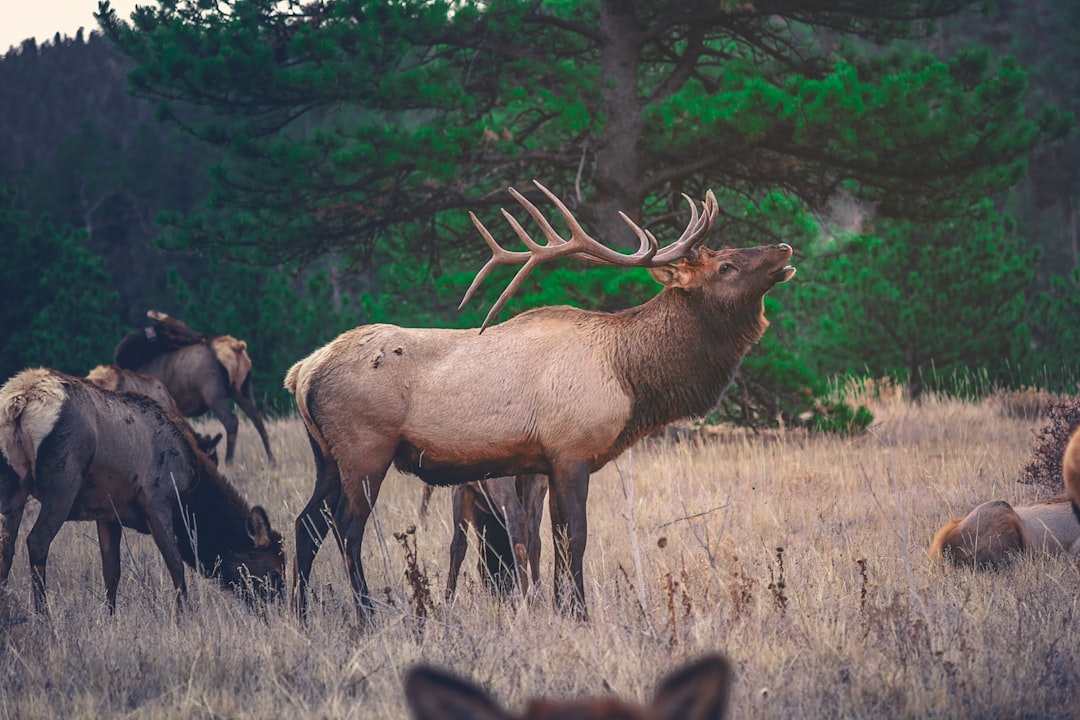
The hardest scenario in elk hunting is spotting a herd bull surrounded by cows. He has what he wants, and every instinct tells him to stay put. But bulls can be pulled away if you understand what drives their behavior during the rut and use the right combination of calling, positioning, and patience.
This is not about sounding perfect. It is about triggering the bull's territorial aggression or convincing him there is a receptive cow just out of reach. The techniques below work when the bull is actively rutting, vocal, and willing to defend his position.
Understanding Why Bulls Stay with Cows
A mature herd bull with cows has already won. He fought off satellite bulls, claimed his breeding group, and now he is focused on keeping competitors away while waiting for cows to come into estrus. His priority is not finding more cows — it is keeping the ones he has.
Younger satellite bulls hang on the edges hoping for an opportunity, but the herd bull rarely leaves unless he perceives a serious threat or believes another cow is nearby and vulnerable. That creates two potential triggers you can exploit: territorial defense and breeding opportunity.
Herd bulls are most vulnerable early in the rut when they are still aggressive and responsive. Later, after several days of constant breeding and defending, they become less vocal and harder to pull. Timing matters.
Aggressive Bugling to Challenge Territory
Aggressive bugling works when the bull is confident and vocal. If he is already bugling regularly, he is advertising dominance and willing to confront challengers. Your job is to sound like a threat he cannot ignore.
Start with a single location bugle from 200 to 300 yards away. Wait for his response. If he bugles back immediately, he is engaged. Now you can escalate with a follow-up bugle that sounds closer and more aggressive — louder, with more chuckles and grunts on the tail end.
The key is sounding like a bull that is closing distance and not backing down. Do not bugle nonstop. Give him time to process the challenge and make a decision. If he starts moving toward you or bugles repeatedly without advancing, he is evaluating whether to commit. Hold your position and let him come.
If the bull does not respond to aggressive bugling, he either does not feel threatened or is too worn down to engage. Switch tactics.
Using Cow Calls to Create Breeding Competition
Cow calls are often more effective than bugles for pulling a herd bull because they suggest a breeding opportunity rather than a fight. The bull hears what sounds like a receptive cow just beyond his herd and worries a satellite bull will find her first.
Use a series of soft cow mews followed by a single estrous whine. The estrous call is higher-pitched and more urgent than a standard cow call. It signals a cow ready to breed. Make the sequence sound like she is feeding or moving slowly away from the herd.
Place yourself upwind or crosswind so the bull cannot scent-check you immediately. If he smells human odor, the game is over. Position matters as much as the calling.
If the bull responds with a bugle but does not move, answer with another estrous whine and move 20 to 30 yards perpendicular to his position. Make it seem like the cow is drifting away. Bulls often commit when they think the opportunity is slipping.
Positioning and Wind Strategy
Even perfect calling fails if your setup is wrong. Never call from directly downwind of the herd. Elk trust their noses more than their ears, and a mature bull will scent-check before committing to anything.
The best approach is to position crosswind or quartering into the wind so the bull can move toward your calls without immediately catching your scent. This gives him a window to close distance before the wind betrays you.
If you are hunting with a partner, the caller should set up 30 to 50 yards downwind of the shooter. When the bull commits, he will move toward the sound and pass the shooter before hitting the caller's scent cone. This setup works especially well in timber where visibility is limited.
Avoid calling from wide-open meadows where the bull can see the entire area. Elk use their eyes as much as their ears. If he looks toward your calls and sees nothing, he will lose interest. Use terrain features like ridges, timber edges, and creek bottoms to stay hidden while calling.
Combining Bugling and Cow Calls
The most effective sequence for pulling a herd bull combines both challenge and opportunity. Start with an aggressive bugle to get his attention, then follow with cow calls to suggest a vulnerable breeding scenario.
Here is a proven sequence: bugle once from 250 yards, wait for his response, then hit him with a series of cow mews and an estrous whine. If he bugles back but does not commit, wait five minutes and repeat the sequence while moving slightly to one side.
The goal is to create confusion and urgency. He hears a challenging bull and a receptive cow in the same area, which suggests a satellite bull is moving in on an opportunity. That combination often triggers the territorial instinct to investigate.
If the bull starts moving but stops short, go silent. Let him search for the source. Bulls often commit the final distance when they cannot pinpoint the exact location of the calls.
Reading the Bull's Response
Not every response means success. A bull that bugles back but does not move might be testing your resolve, or he might be too committed to his cows to leave. If he bugles repeatedly without advancing, he is trying to intimidate you into leaving his territory.
A bull that bugles once and goes silent is either moving or lost interest. Wait at least 10 minutes before calling again. He might be closing distance quietly, especially if he is an older bull that has been pressured before.
If the bull pushes his cows away from your position, he is avoiding the confrontation. This happens when he does not feel confident or when he has been called to too many times. Your best move is to circle ahead of the herd and try again from a different angle later.
When to Back Off and Reposition
If a bull refuses to leave his cows after 20 to 30 minutes of calling, pushing harder rarely works. You risk educating him or spooking the entire herd. Back out quietly and reposition for another attempt later in the day or the next morning.
Herd bulls are most active and responsive at first light and again in the late afternoon when they start moving toward bedding or feeding areas. Midday calling works occasionally, but success rates drop significantly.
If you are hunting an area with multiple bulls, do not waste an entire morning on one unresponsive herd bull. Move to another drainage or ridge and find a bull that is more willing to play.
Using Terrain to Force a Decision
Sometimes you cannot call a bull away, but you can use terrain to intercept him. If the herd is moving along a ridge or through a drainage, position yourself along their travel route and call sparingly.
Let the bull's natural movement bring him into range rather than trying to pull him off course. This works especially well in the late rut when bulls are less vocal but still actively tending cows.
If the herd is bedded, set up on the downwind side of their expected exit route and wait. When they stand to feed in the evening, the bull will often check his surroundings with a location bugle. Answer softly with cow calls and let him walk into your setup.
Common Mistakes That Ruin the Setup
Overcalling is the most common error. Once you have a bull's attention, less is more. Let him commit on his own timeline instead of hammering him with constant noise.
Calling too close spooks bulls more often than it pulls them. If you bump into a herd at 100 yards and start calling, the bull will smell or see you before he has time to react to the calls. Back out to 250 to 300 yards before engaging.
Ignoring wind direction kills more setups than bad calling. Always assume the bull will try to circle downwind before committing. Plan your setup so that either the terrain blocks that move or you have shooting lanes that cover his likely approach.
Using TAGZ to Scout Herd Bull Habitat
Pulling bulls away from cows starts with finding the right units where rutting activity peaks during your hunt dates. TAGZ lets you filter elk units by season, weapon type, and terrain so you can target areas with high cow-to-bull ratios and quality public land access.
Compare draw odds for limited-entry units that concentrate elk numbers versus general units where hunting pressure might scatter herds. TAGZ shows unit boundaries, terrain maps, and public land layers so you can scout bedding areas, feeding zones, and travel corridors before you ever apply.
Track your preference points and bonus points across multiple states and plan multi-year strategies that position you for premium September archery tags when the rut is most active. TAGZ helps you make smarter decisions about where to hunt and when to burn points so you are not wasting applications on units where herd bulls are call-shy from pressure.
FAQ — Pulling Bull Elk Away from Cows
Does aggressive bugling work on herd bulls?
Yes, but only when the bull is confident and actively defending territory. Early-rut bulls that are vocal and aggressive respond better than late-rut bulls that are worn down. If the bull bugles back but will not move, switch to cow calls.
Should I use cow calls or bugles first?
Start with a single location bugle to gauge the bull's mood. If he responds aggressively, continue with bugles. If he sounds hesitant or does not respond, switch to cow calls with an estrous whine to suggest breeding opportunity.
How close should I get before calling?
Set up 200 to 300 yards away before calling. Calling too close spooks bulls before they can commit. If the bull moves toward you, let him close the distance instead of advancing on him.
What if the bull circles downwind?
Position yourself so the terrain blocks his ability to circle downwind, or hunt with a partner so the shooter is upwind of the caller. Bulls almost always try to scent-check before committing. Plan for that move.
Can you pull a bull away from cows without calling?
Yes. Set up along the herd's travel route and let natural movement bring the bull into range. This works better in the late rut when bulls are less responsive to calls but still actively tending cows.
How long should I wait between calling sequences?
Wait at least five minutes between sequences. If the bull is moving toward you, go completely silent and let him search for the source. Overcalling often stalls a bull that was already committed.
Was this article helpful?
Previous
Best Budget Elk Calls — Proven Options for Under $40
You do not need expensive gear to call in a bull. These budget elk calls under $40 deliver proven performance for bugle tubes, diaphragms, and cow calls without breaking the bank.
Next
Complete Guide to Whitetail Hunting: Strategies, Tactics & Year-Round Planning
Master whitetail hunting with proven strategies for scouting, stand placement, rut tactics, and shot selection. This complete guide covers everything from pre-season preparation to post-season evaluation for consistent success on whitetail deer.