Public Waters vs. Private Property Alligator Hunting: Where Should You Apply?
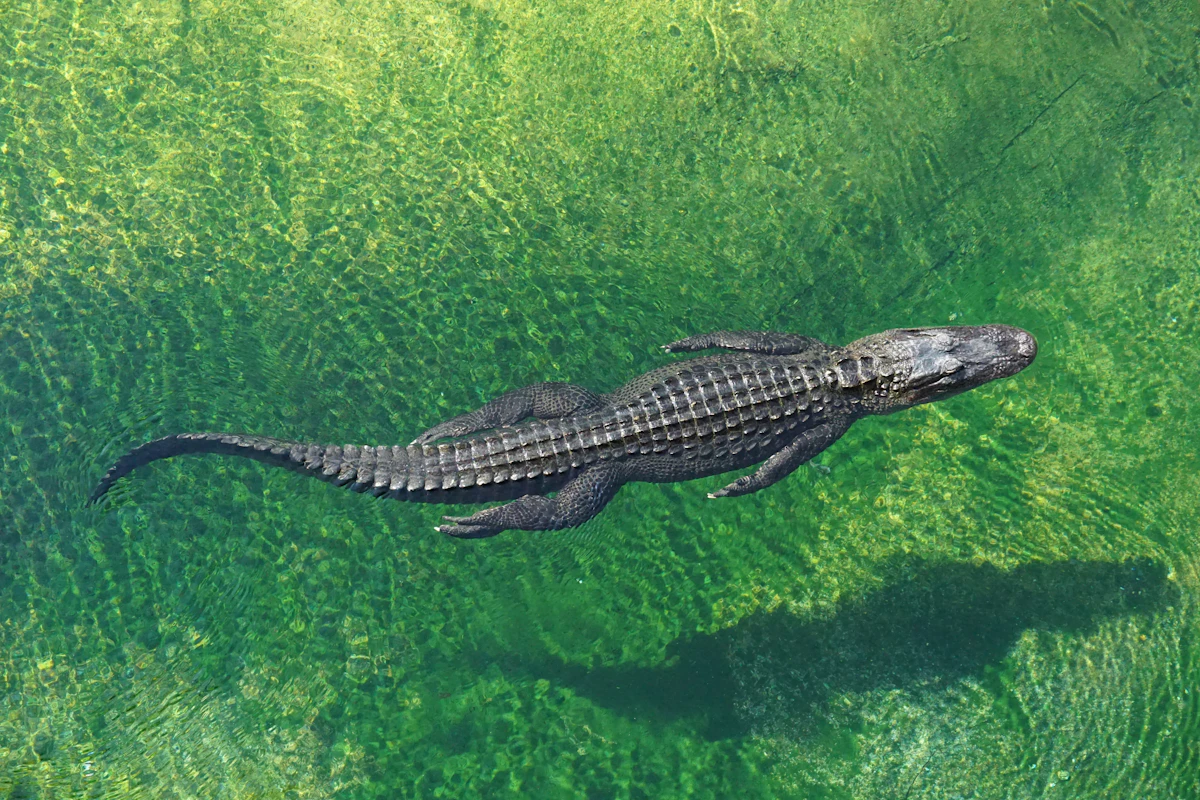
Alligator hunting presents a unique opportunity that splits sharply between two access models. Public water hunters enter state-managed draws for zones with varying tag allocations and competition levels. Private property hunters secure landowner permission or lease access, bypassing the draw entirely but facing different barriers. The path you choose determines not just your draw odds, but your entire hunt strategy from scouting to tag fill rates.
Most hunters assume public waters offer the only realistic shot at an alligator tag. The reality proves more nuanced. Private property access eliminates draw uncertainty but requires landowner relationships or financial investment. Public zones range from near-guaranteed draws to multi-year waits depending on state, zone popularity, and applicant pools. Neither option guarantees an easier hunt — each trades one set of challenges for another.
How Public Water Alligator Draws Work
Public water alligator hunting operates through state-managed lottery systems in Louisiana, Florida, Texas, South Carolina, Georgia, Mississippi, Alabama, and Arkansas. Each state divides public waters into management zones, allocates tags based on population surveys, and conducts annual draws. Louisiana offers the most tags nationwide with over 30,000 permits across multiple zones. Florida follows with roughly 7,000 statewide harvest permits. Texas and other states issue fewer tags concentrated in specific management units.
Draw odds vary dramatically by zone within each state. Louisiana's popular Lake Pontchartrain East zone draws heavy applications for limited tags, creating odds that can stretch to 10-20 applicants per tag. Meanwhile, remote coastal zones in Cameron Parish may offer near-guaranteed draws with odds favoring applicants. Florida's system separates applicants into quota and non-quota hunts, with quota permits requiring successful draws and non-quota areas operating first-come-first-served after quota fills.
Preference points do not exist in most alligator draw systems. Louisiana, Florida, and Texas treat each year's draw as independent — applying unsuccessfully one year provides no advantage the following season. This levels the playing field for first-time applicants but also means you could apply for a decade without drawing a competitive zone. The exception appears in states like South Carolina, which awards bonus points for unsuccessful applications that slightly improve future draw odds.
Private Property Alligator Access Options
Private property alligator hunting requires direct landowner permission or participation in commercial lease programs. Southern states with significant alligator populations allow landowners to harvest animals on their property under specific regulations. Louisiana issues Private Land Alligator Harvest tags separate from public water draws. Property owners receive tag allocations based on habitat acreage and can hunt themselves or grant permission to others. Florida operates a similar Alligator Trapping License system for private lands.
Securing private property access typically follows three paths. First, personal relationships with landowners who own suitable alligator habitat — farm ponds, private lakes, coastal marshes, or river frontage. Second, commercial alligator hunting leases where outfitters or landowners charge day rates or seasonal fees for guided or semi-guided hunts. Third, agricultural or cattle ranching properties where alligators present nuisance issues and owners welcome removal assistance.
Cost structures vary widely. Day hunts on private property through outfitters range from 1,500 to 5,000 dollars depending on state, property quality, and services included. Some operations charge per alligator harvested rather than flat day rates. Seasonal leases on private marsh or lake property can run 500 to 2,000 dollars for hunters willing to scout and hunt independently. Free access through landowner relationships obviously costs nothing but requires established connections and often reciprocal favors or maintenance work.
Draw Odds and Success Rates by State
Louisiana offers the most public water opportunity with over 30,000 tags across zones ranging from guaranteed draws to highly competitive. West Zone tags covering coastal marshes and Atchafalaya Basin frequently show odds better than 50 percent. East Zone locations near population centers like Baton Rouge and New Orleans draw heavier competition. Hunters applying for multiple zones increase overall draw chances significantly. Louisiana also allows party applications where groups apply together and hunt as a unit if drawn.
Florida divides opportunity between quota and non-quota hunts. Quota permits for prime areas like Lake Jesup, Lake George, and Everglades Water Conservation Areas require draw success. Non-quota areas open after quota harvests conclude, operating on availability rather than lottery. Draw odds for Florida quota permits vary from 10 percent to 40 percent depending on zone and year. Non-quota hunting provides backup opportunity but covers less prime habitat after quota hunters have already harvested accessible animals.
Texas issues roughly 2,000 alligator tags annually across limited public waters concentrated in Southeast Texas. Core counties like Chambers, Jefferson, and Orange see the heaviest applications. Texas draw odds typically range from 15 to 35 percent depending on specific lake or waterway. The state operates a simple random draw without preference points. Private property opportunity in Texas proves more abundant relative to public water access, making landowner connections particularly valuable for Texas hunters.
Habitat Quality and Hunt Difficulty Comparison
Public waters concentrate hunting pressure on accessible animals. Popular boat ramps, fishing piers, and designated hunting areas see repeated scouting and harvest attempts. Alligators in heavily hunted public zones become educated quickly, learning to avoid boats at night or retreat to inaccessible thick cover. Success rates on public water drop as the season progresses and easy animals get removed early. Late-season public water hunters often face significantly harder conditions than opening weekend.
Private property alligators typically experience less pressure and show more predictable behavior patterns. Secluded farm ponds or private marsh tracts may hold animals that have never been hunted. This translates to higher success rates for private property hunters willing to invest scouting time. However, private property does not guarantee easy hunting. Limited water acreage concentrates available animals, and some private tracts simply hold fewer gators than public waters despite less pressure.
Habitat access plays a major role in hunt difficulty beyond simple animal numbers. Public waters often require boat launches, navigation through unfamiliar territory at night, and competition for productive spots. Private property allows hunters to scout during daylight, mark specific animals, and return without competition. This scouting advantage proves particularly valuable for first-time alligator hunters learning technique. The tradeoff appears in habitat size — public zones offer thousands of acres to explore while private properties might cover only 50 to 500 acres.
Application Strategy for Public Draw States
Successful public water applicants typically employ zone-hedging strategies rather than focusing on single locations. Louisiana hunters maximize draw odds by applying for three or four zones including at least one or two less popular areas. The party application option in Louisiana allows hunting groups to apply together, ensuring everyone draws or everyone fails. This prevents the scenario where only some group members draw tags and others cannot participate.
Timing matters for application deadlines and hunt date selection. Louisiana typically opens applications in late May with draws conducted in June. Florida operates on a similar spring timeline. Early application proves critical as states conduct draws shortly after deadline closure. Missing application deadlines eliminates opportunity entirely for that year since no second chance draws occur.
Research before applying dramatically improves outcomes. Study zone harvest reports from previous years available through state wildlife agency websites. Zones showing high tag allocations relative to applications offer better odds. Areas with limited boat access or remote locations typically draw fewer applicants despite healthy alligator populations. Hunters willing to work harder physically often find better draw odds in zones requiring extensive paddling or shallow water navigation.
Cost Analysis: Public vs. Private Hunting
Public water alligator hunting costs include application fees, license requirements, tags if drawn, boat and equipment expenses, and processing. Louisiana charges 25 dollars for resident applications with additional tag fees of 25 dollars if drawn. Non-residents pay 150 for applications and 150 for tags. Florida resident applications cost 272 dollars including the trapping license and permit. Non-residents pay 1,022 dollars total. These fees represent sunk costs whether you harvest an alligator or not.
Equipment costs apply equally to public and private hunts. First-time alligator hunters need harpoons or bangsticks, heavy line, fishing rods capable of handling large alligators, headlamps, and processing tools. Quality equipment runs 300 to 800 dollars for hunters purchasing new gear. Boat requirements vary — johnboats, kayaks, or larger vessels all work depending on water type. Hunters who already own boats avoid this expense, while those renting or borrowing face additional costs.
Private property hunts through outfitters bundle most expenses into package pricing. A 3,000 dollar guided hunt typically includes tags, equipment use, boat and captain, and basic processing. Hunters pay more upfront but eliminate uncertainty around draw success and learning curve. Self-guided private property access through leases or landowner permission costs less but requires more hunter effort for scouting and harvest.
Regulations That Affect Location Choice
Hunting methods allowed on public waters differ from private property rules in some states. Louisiana restricts public water alligator hunting to hook and line methods — no firearms allowed for harvest. Private property hunters can use firearms under specific regulations. This method restriction makes public water hunting more challenging from a technique standpoint, requiring successful hooking and securing before dispatch.
Seasonal timing varies between public and private hunts. Louisiana opens public water hunting in late August through September, while private property seasons extend into October. Florida operates similar split seasons. This timing difference allows hunters to potentially hunt both public and private opportunities in the same year if they draw public tags and also secure private access.
Size restrictions and tag limits also impact location decisions. Most states implement minimum length requirements — typically 4 feet — and maximum tags per hunter. Louisiana allows one or two alligators per tag depending on zone. Florida permits two alligators per harvest permit. These regulations affect whether small private ponds holding only a few gators provide worthwhile opportunity compared to extensive public waters with larger populations.
Building Private Property Access
Hunters without existing landowner connections face challenges developing private property opportunity. Start by identifying property types that commonly hold alligators — cattle ranches with ponds, rice farms with irrigation reservoirs, coastal landowners with marsh access, or recreational property owners along rivers and bayous. Cold calling or door knocking rarely succeeds. Instead, leverage existing networks through hunting clubs, agricultural communities, or wildlife management professionals.
Offering value beyond just asking permission improves success rates. Property owners dealing with nuisance alligators welcome removal assistance. Others appreciate help with property maintenance, invasive species control, or access road upkeep. Frame private property access as mutual benefit rather than one-sided permission seeking. Document your hunting ethics and track record through references from other landowners or hunting lease operators.
Long-term private property access requires maintaining relationships through consistent communication and follow-through. Update landowners after hunts with harvest reports and photos. Offer processed meat if the landowner wants it. Respect property boundaries and other restrictions. The best private property access comes from multi-year relationships where landowners trust hunters to operate independently without constant supervision.
Which Option Suits First-Time Alligator Hunters
First-time hunters face a decision between accepting draw uncertainty for public water opportunity or paying premium prices for guaranteed private property hunts. Public water appeals to hunters comfortable with boat handling, night navigation, and self-guided learning. The draw system means you might apply multiple years before hunting, but the cost investment stays minimal. Successfully drawn public water hunters who harvest alligators gain confidence and skills for future hunts.
Private property guided hunts eliminate the learning curve and ensure opportunity regardless of draw outcomes. First-timers uncertain about technique, equipment, or alligator behavior benefit from experienced guides who handle the complex aspects of locating, hooking, and securing animals. The higher cost buys education and success probability. Hunters using guided private hunts as learning experiences can then transition to self-guided public water in subsequent years.
Geographic location influences this decision. Hunters living in Louisiana, Florida, or Texas with easy access to public waters can scout during the off-season and build local knowledge. Out-of-state hunters making single annual trips face higher travel costs that make guided private hunts more cost-effective when factoring in accommodation, travel time, and opportunity cost of failed public water hunts.
TAGZ Helps Plan Multi-State Alligator Strategies
Alligator hunting opportunity spans eight states with different draw systems, season dates, and application deadlines. Tracking these variables across multiple states while managing other big game applications creates complexity. TAGZ helps hunters compare draw odds across alligator zones, track application deadlines for Louisiana, Florida, and Texas simultaneously, and evaluate whether applying in multiple states increases overall success probability.
The platform maps alligator management zones with public access points, boat ramps, and habitat boundaries. Hunters researching which Louisiana zones offer better odds can view terrain, water types, and historical harvest data side by side. The unit filtering system lets you sort by draw odds, tag allocations, and season dates to identify opportunities matching your schedule and experience level.
Preference point tracking proves less relevant for alligator draws since most states operate random systems, but deadline management becomes critical. TAGZ sends reminders before application windows close so you never miss a Louisiana or Florida deadline. For hunters balancing alligator applications with elk, deer, and antelope draws across western states, the consolidated dashboard prevents overlooked opportunities and scheduling conflicts.
FAQ — Alligator Hunting Access
Can you hunt alligators without drawing a public water tag?
Yes, through private property access with landowner permission or commercial hunting leases. This bypasses the draw system entirely but typically requires payment or established relationships.
Which state offers the best odds for first-time alligator hunters?
Louisiana provides the most tags and best overall odds, particularly in West Zone areas. Some zones show draw odds better than 50 percent for resident hunters.
Do preference points matter for alligator draws?
No in most states. Louisiana, Florida, and Texas operate random draws where previous unsuccessful applications provide no advantage. South Carolina offers bonus points that slightly improve odds.
Is private property alligator hunting worth the cost?
For first-time hunters or those prioritizing success over cost, yes. Guided private hunts eliminate learning curve and draw uncertainty. Experienced hunters comfortable with self-guided hunting typically prefer public water cost savings.
Can you hunt both public and private property in the same year?
Yes in most states, subject to tag limits and season dates. Successfully drawing a public water tag does not prevent you from also hunting private property if you secure separate access.
What success rates should hunters expect on public waters?
Success rates vary dramatically by zone and hunter experience. Popular public zones see 40 to 60 percent success while remote areas with less pressure can exceed 80 percent. Private property success rates typically run 10 to 20 percent higher than comparable public waters.
Continue Planning Your Hunt
Alligator hunting represents just one opportunity in a diverse portfolio of big game pursuits across North America. Whether you are balancing gator draws with western elk applications or planning a mix of waterfowl and big game seasons, having the right tools simplifies decision-making.
TAGZ helps you manage draw applications across multiple states and species, tracking deadlines, comparing odds, and organizing your entire hunting calendar in one place. The platform's unit research tools work for alligator zones the same way they break down elk units — terrain maps, public access points, and historical data that answers your questions before you ever apply.
Explore more hunting strategies and application insights on the TAGZ Insights blog, where we break down draw systems, unit selection, and hunt planning across dozens of species and states. From your first alligator tag to your tenth elk hunt, the learning never stops.
Ready to take control of your hunt planning? Compare TAGZ pricing options and see how the platform streamlines applications, maximizes your draw odds, and helps you hunt more strategically every season. Start making smarter decisions today at getmytagz.com.
Was this article helpful?
Previous
7 Common Mistakes First-Time Elk Hunters Make (And How to Avoid Them)
Most first-time elk hunters make the same preventable errors that cost them opportunities. Learn the most common mistakes—from conditioning to calling—and how to hunt smarter from day one.
Next
Florida Black Bear Hunting: Complete Beginner's Guide
Florida's black bear season offers a rare opportunity for hunters willing to navigate a complex draw system and densely vegetated terrain. This guide covers everything from eligibility and draw odds to gear selection and field tactics for hunting one of the state's most elusive trophies.