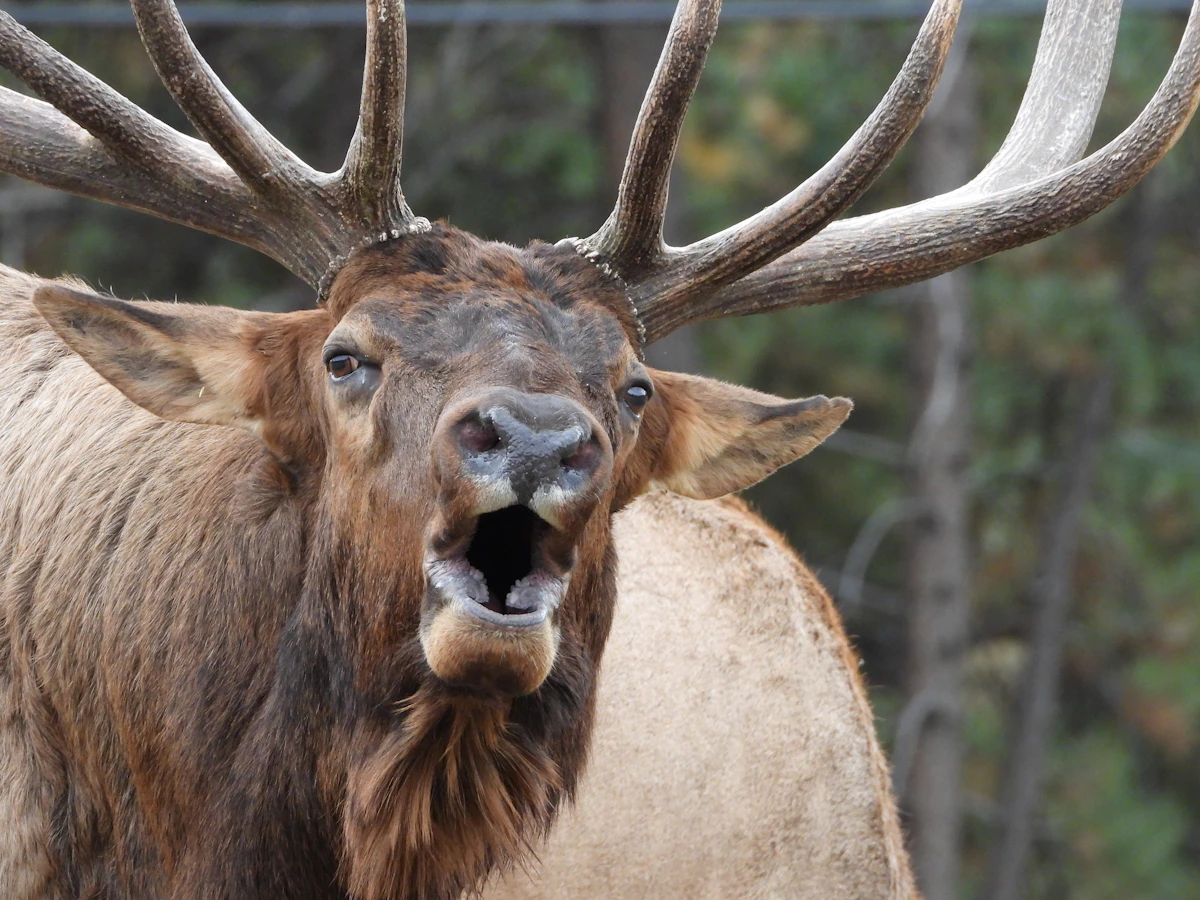
Public vs Private Land Bison Hunts 2027: Tags, Costs, Access & What to Compare
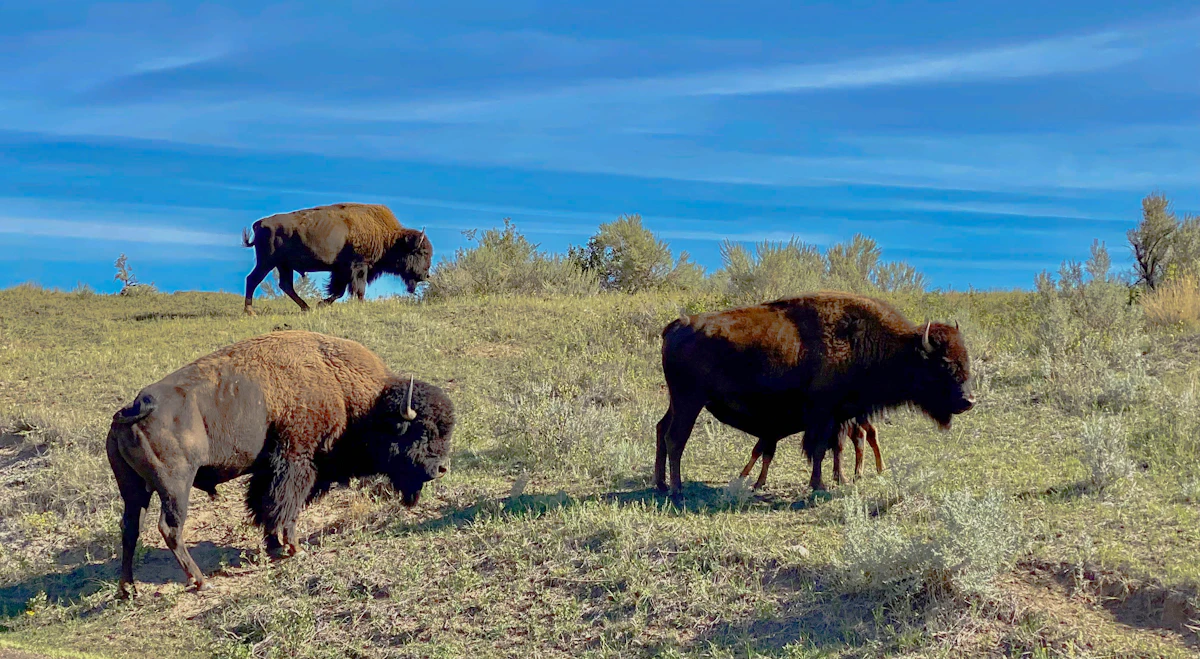
Public vs Private Land Bison Hunts 2027: What Hunters Should Compare Before Booking
Bison hunting offers one of the most distinctive big-game experiences in North America. Few animals combine the size, history, and physical presence of the American bison.
For hunters planning a bison hunt in 2027, one of the first decisions is whether to pursue an opportunity on public land or arrange a hunt on private property.
At first glance, the choice may seem straightforward. Public-land hunts often involve competitive drawings and relatively low government tag costs, while private-land hunts can offer more predictable scheduling and access.
But the differences go much deeper.
A public-land bison hunt may require years of applications, extensive scouting, difficult access, and a complicated meat-recovery plan. A private-land hunt may cost several thousand dollars, but the hunting experience can range from a large, free-ranging property to a managed ranch harvest.
The most important distinction is not simply public versus private ownership. It is whether the bison are free-ranging wildlife, how the hunt is legally regulated, and what kind of hunting experience is actually being offered.
Land ownership alone does not determine whether a bison hunt is fair chase, whether a state hunting tag is required, or whether an animal is classified as wildlife or livestock.
This guide explains the differences between public and private land bison hunts in 2027, including costs, tags, drawing odds, access, hunting conditions, meat recovery, and questions to ask before making a reservation.
What Is the Difference Between Public and Private Land Bison Hunting?
The primary difference is who controls access to the property.
However, access is only one part of the hunting equation.
Public-Land Bison Hunting
Public-land bison hunting generally involves pursuing state-managed wildlife on land administered by federal, state, or other public agencies where hunting is legally authorized.
These hunts may occur on national forests, Bureau of Land Management lands, state lands, or other designated areas.
Public-land bison opportunities commonly involve:
State-issued hunting permits.
Limited-entry drawings.
Specific hunt boundaries.
Designated seasons.
Mandatory reporting.
Rules governing weapons and harvest.
Restrictions near parks, roads, or other protected areas.
Significant scouting and meat-recovery responsibilities.
A public hunting permit does not automatically grant access to every public parcel or neighboring private property.
Private-Land Bison Hunting
Private-land bison hunting can involve several distinct situations.
Free-ranging wild bison on private property: Wild animals may move between public and private lands. State hunting laws and landowner permission requirements may apply.
Managed bison on large private properties: Animals may live across extensive acreage, sometimes with limited human intervention. The hunting experience depends on herd management, fencing, terrain, and the property's size.
Ranch-raised or domestic bison: Some operations raise bison as livestock and offer arranged harvest experiences. These may be governed by livestock and agricultural rules rather than conventional wildlife tag systems.
A private-land booking should never be assumed to represent a wild, free-ranging bison hunt without verifying the details.
Are Private-Land Bison Hunts Considered Fair Chase?
Some are, but not all.
Fair chase is determined by the circumstances of the hunt, not simply the ownership of the land.
A free-ranging bison hunted on private property with legal permission may provide a genuine fair-chase experience.
A bison confined within a small enclosure and harvested under controlled conditions is a different experience.
Hunters should evaluate:
Whether the herd is free-ranging.
Whether the property is fenced.
Total accessible acreage.
Whether animals can avoid hunters.
How animals are located.
Whether bait or feed is used.
Whether the hunter selects an individual animal in advance.
Whether the operator guarantees an opportunity or harvest.
Whether the animal is legally classified as wildlife or livestock.
What About High-Fence Bison Hunts?
A high-fence operation should be evaluated based on its actual conditions.
A large property with natural habitat and extensive room for animals to move may provide a different experience from a small holding pasture.
However, the presence of substantial acreage does not automatically establish fair-chase status.
Hunters who specifically want a fair-chase hunt should ask how the operation meets their chosen ethical standards.
Does Private Land Mean a Guaranteed Bison?
No.
Some private operations advertise guaranteed harvest arrangements, while others offer traditional hunts where success is uncertain.
A guarantee may indicate that the operator controls the animals, the harvest process, or both.
Before booking, hunters should understand exactly what is guaranteed.
How Much Does a Public-Land Bison Hunt Cost in 2027?
Public-land bison hunting can have a lower direct permit cost than a private bison package, but the overall trip may still be expensive.
Expenses depend on the state, residency, access, travel distance, and whether a guide is hired.
Typical Public-Land Bison Hunting Expenses
Hunters may need to budget for:
State hunting license.
Bison permit or tag.
Application fees.
Bonus or preference-point purchases.
Transportation.
Lodging.
Scouting trips.
Camping equipment.
Specialized meat-recovery equipment.
Meat processing.
Cold storage.
Meat transportation or shipping.
Guiding services, if used.
Example Public-Land Bison Hunt Budget
For planning purposes, consider an illustrative do-it-yourself hunt:
License, application, and tag: $500–$2,000.
Travel and fuel: $400–$1,500.
Lodging or camping: $300–$1,200.
Meat processing: $700–$2,000.
Meat transportation and cold storage: $300–$1,500.
Additional equipment and supplies: $200–$800.
Illustrative total: approximately $2,400–$9,000.
These amounts are budgeting assumptions, not verified statewide prices or official 2027 fees.
Some hunts may cost less, while remote hunts, expensive nonresident permits, long-distance travel, or professional guiding can increase expenses considerably.
A hunter should not assume that drawing a relatively inexpensive tag makes the entire trip inexpensive.
How Much Does a Private-Land Bison Hunt Cost in 2027?
Privately arranged bison hunts vary widely in price because they can involve very different animals, services, and experiences.
A meat-focused harvest of a ranch-raised animal is not directly comparable to a free-ranging wild bison hunt.
Illustrative Private-Land Bison Hunt Price Ranges
For preliminary budgeting:
Meat-focused ranch bison harvest: Approximately $3,000–$6,000.
Large managed-property bison hunt: Approximately $4,000–$8,000.
Mature bull bison package: Approximately $6,000–$12,000 or more.
Specialized free-ranging private-access hunt: Potentially $10,000 or more.
These are broad planning ranges, not verified 2027 market averages or quotes from specific operators.
Actual prices depend on the animal, property, services, location, and legal hunting arrangement.
What Affects Private Bison Hunt Prices?
Major pricing factors include:
Cow versus bull.
Animal age and size.
Herd classification.
Property acreage.
Free-ranging versus confined conditions.
Guide services.
Lodging and meals.
Field dressing.
Meat processing.
Transportation.
Trophy preparation.
Additional access or harvest fees.
Questions to Ask About Private Hunt Pricing
Before paying a deposit, ask:
Is the price per hunter or per animal?
Is the quoted price for a cow or bull?
Does the price change with animal size?
Is there a trophy or weight surcharge?
Are meat processing and packaging included?
Who owns the meat after harvest?
Are transportation and cold storage included?
What happens if no animal is harvested?
Are deposits refundable?
Are there additional taxes or service charges?
A lower advertised price does not always mean a lower final cost.
Public vs Private Bison Hunt Costs: Which Is More Affordable?
Public-land hunts often have a lower direct entry cost, but they may require significant investment in applications, travel, and recovery.
Private-land hunts may require a larger payment upfront but can offer more predictable access and scheduling.
Public Land May Be More Affordable When:
You draw a tag without years of application spending.
You already live near the hunting area.
You can scout independently.
You have access to recovery equipment.
You can process the meat yourself.
You do not require a guide.
Private Land May Be More Practical When:
You want a predictable hunting date.
You are primarily interested in obtaining bison meat.
You cannot wait for a highly competitive draw.
You need assistance with field care and recovery.
You want a hunt with fewer travel uncertainties.
You prefer established accommodations.
The better value depends on what you are paying for: the hunting experience, the animal, the meat, or a combination of all three.
Which States Offer Public-Land Bison Hunting Opportunities?
Several western states offer limited opportunities to hunt wild bison.
However, opportunities vary by state, residency, herd, and legal hunting boundaries.
Not every state offers a broadly accessible public-land nonresident bison tag.
Arizona Bison Hunts
Arizona manages limited bison hunting opportunities, including hunts associated with the House Rock herd and other designated hunt areas.
Hunters should understand that Arizona bison opportunities can have unusual access, season, and herd-management considerations.
Important factors include:
Hunt number and season.
Bull versus cow eligibility.
Resident and nonresident requirements.
Bonus points.
Application demand.
Bison movements.
Access restrictions.
Legal hunting boundaries.
Arizona uses a bonus-point drawing system for eligible big-game hunts.
Hunters should review the specific bison hunt regulations rather than assuming the state's deer or elk application strategies apply unchanged.
Official resource: Arizona Game and Fish Department.
Utah Bison Hunts
Utah offers limited-entry bison hunting opportunities associated with several managed herds.
Well-known areas include the Henry Mountains and Antelope Island, although the hunting framework and access conditions differ.
Utah bison hunting opportunities may involve:
Limited-entry permits.
Bonus points.
Specific hunt units.
Bull or cow permits.
Resident and nonresident eligibility.
Restricted access.
Specialized recovery logistics.
Some Utah bison hunts are exceptionally competitive.
Hunters should confirm current permit availability and whether nonresident permits are offered for the exact hunt.
Official resource: Utah Division of Wildlife Resources.
Wyoming Bison Hunts
Wyoming offers limited wild bison hunting opportunities in designated areas associated with the Jackson herd and surrounding landscapes.
Hunters must understand:
Hunt-area boundaries.
Permit eligibility.
Resident and nonresident allocations.
Season structure.
Public and private land access.
Bison distribution.
Park boundaries.
Harvest reporting.
Bison movement can influence where hunters have lawful access during a particular season.
Official resource: Wyoming Game and Fish Department.
Montana Bison Hunts
Montana offers highly regulated wild bison hunting opportunities associated with bison moving outside Yellowstone National Park.
These hunts are influenced by seasonal migration, wildlife management rules, and access conditions.
Important considerations include:
Designated hunt districts.
Permit eligibility.
State-managed hunt rules.
Bison migration.
Public and private land boundaries.
Park restrictions.
Seasonal access.
Harvest logistics.
Bison are protected within Yellowstone National Park, and a state hunting permit does not authorize hunting inside the park.
Official resource: Montana Fish, Wildlife & Parks.
Alaska Bison Hunts
Alaska offers drawing-permit opportunities for bison in designated areas.
However, Alaska's hunt structure differs substantially from many Lower 48 programs.
Hunters should research:
Residency restrictions.
Drawing permits.
Hunt areas.
Access methods.
Remote transportation.
Weather conditions.
Meat salvage requirements.
Species and herd-specific regulations.
Some Alaska bison opportunities involve remote travel and challenging logistics.
Official resource: Alaska Department of Fish and Game.
Are Public-Land Bison Tags Difficult to Draw?
Yes. Many public bison permits are highly competitive, particularly where very few tags are available.
However, drawing odds vary substantially by state and hunt.
Why Are Bison Tags So Competitive?
Common factors include:
Limited wild bison populations.
Restricted hunting areas.
Low annual quotas.
Strong interest from nonresident hunters.
Long-term bonus or preference-point participation.
Limited access to certain herds.
Demand for mature bull opportunities.
A hunt offering only a handful of nonresident permits may be extremely difficult to draw.
Can You Draw a Bison Tag With Zero Points?
In some drawing systems, yes.
Random-draw components may allow applicants without accumulated points to compete.
However, other hunts may have eligibility requirements or point structures that significantly affect access.
Hunters must research the exact state's drawing rules.
Does Applying Every Year Improve Your Chances?
It depends on the state.
Some programs award bonus points that improve drawing chances over time.
Others use different allocation methods.
Hunters should understand whether points are:
Squared.
Used for preference priority.
Applied in a random drawing.
Subject to species-specific rules.
Lost or reset after drawing.
Available for purchase without a hunt application.
Bison application strategies should be based on the actual state program, not assumptions from elk or deer drawings.
What Makes Public-Land Bison Hunting So Challenging?
Drawing a permit is only the first challenge.
Unlike deer or elk, bison may be concentrated in relatively small portions of a large hunting area.
In some locations, hunters depend on animals moving from protected land into areas where hunting is authorized.
Bison Migration and Access
Montana provides a particularly important example.
Bison moving outside Yellowstone National Park may become available to state-licensed hunters in designated Montana hunting districts.
However, their movements depend on weather, snow accumulation, forage availability, and other conditions.
A hunter can draw a valid permit and still encounter few or no bison in the legal hunting area.
Montana Fish, Wildlife & Parks explicitly cautions that a bison license does not guarantee a harvest.
Road Closures and Seasonal Conditions
Public-land bison hunts may involve:
Snow-covered roads.
Limited vehicle access.
Wilderness restrictions.
Long pack-outs.
Difficult winter travel.
Closed or restricted routes.
Private-land boundaries.
Protected areas where hunting is prohibited.
A hunt that appears accessible on a map may be difficult to reach during the actual season.
Hunting Pressure
Because permits are limited, public bison hunts do not always involve large numbers of licensed hunters.
However, hunters may concentrate in the same accessible areas when bison appear.
The number of hunters in a unit is only one factor affecting hunting pressure.
Access restrictions, herd movement, and the location of legal hunting boundaries can be equally important.
Does Private Land Offer Better Bison Hunting Success?
Private-land operations may offer more predictable access to bison, particularly when the animals remain on a managed property.
However, success depends on the type of hunt.
Free-Ranging Private-Land Hunts
Wild bison may move freely between private and public property.
Even with landowner permission, hunters may need to locate animals within the legal hunting area.
Success is not guaranteed.
Large Managed-Property Hunts
On large managed properties, operators may have more knowledge of herd locations.
However, animals can still move across extensive terrain.
The experience depends on property size, habitat, herd behavior, and the hunting method.
Ranch Bison Harvests
A managed livestock harvest may provide greater scheduling predictability.
But this is not necessarily equivalent to pursuing wild bison under state hunting regulations.
Hunters should understand whether they are booking a hunting opportunity or purchasing an animal for harvest.
How Should Hunters Compare Success Rates?
Ask:
Is the advertised success rate based on actual harvests?
Does it include every paying hunter?
Does it apply to bulls, cows, or both?
Is it based on multiple seasons?
Does the operator guarantee an animal?
Does the success rate apply to free-ranging animals?
What happens if the hunter does not harvest?
A high success rate is not automatically evidence of a better hunting experience.
It may reflect a fundamentally different type of operation.
Wild Bison vs. Ranch-Raised Bison: Why the Difference Matters
Wild and ranch-raised bison belong to the same species, but their management and legal status may differ.
Wild bison are generally managed under state wildlife laws.
Domestic or ranch-raised bison may be managed as agricultural livestock.
Wild Bison Hunts
A wild bison hunt may involve:
State-issued wildlife permits.
Limited-entry drawings.
Legal hunting seasons.
Wildlife management boundaries.
Harvest reporting.
Restrictions on weapons and methods.
Public or private land access.
Ranch-Raised Bison Harvests
A ranch-raised bison harvest may involve:
A privately owned animal.
An agreed harvest price.
A scheduled harvest date.
Agricultural or livestock rules.
Meat-processing arrangements.
Property-specific requirements.
Do not assume a ranch bison harvest is subject to the same laws as a wild bison hunt.
The exact classification depends on the jurisdiction and operation.
How Much Meat Can You Get From a Bison?
Bison are exceptionally large animals, and meat recovery is one of the most important planning considerations.
A mature bull can weigh well over 1,000 pounds, while cows are generally smaller.
However, live weight does not equal packaged meat weight.
The final amount depends on:
Animal size.
Sex and age.
Body condition.
Field dressing.
Bone-in versus boneless processing.
Amount of trim.
Processing preferences.
Meat loss or damage.
Illustrative Packaged Meat Yield
For planning purposes, a hunter might encounter yields such as:
Smaller cow or younger animal: Approximately 200–350 pounds of packaged meat.
Larger cow or moderate-sized bull: Approximately 300–450 pounds.
Large mature bull: Approximately 400–600 pounds or more.
These are broad illustrations, not guaranteed yields.
Actual recoverable meat can fall outside these ranges.
Why Meat Recovery Matters
A successful bison hunt can create an immediate logistical challenge.
Hunters may need to move several hundred pounds of meat from the field to refrigeration.
A single person may be unable to recover an entire bison safely or efficiently.
Before the hunt, arrange:
Adequate field assistance.
Appropriate knives and cutting equipment.
Game bags.
Meat sleds or pack frames where appropriate.
Heavy-duty lifting equipment if vehicle access is available.
Clean containers.
Refrigerated storage.
Commercial processing if needed.
Transportation for the finished meat.
Recovery planning should be completed before the hunt, not after the animal is down.
What Equipment Do You Need for a Bison Hunt?
Bison hunting equipment depends on the legal weapon, terrain, and recovery conditions.
Hunting Equipment
Hunters may need:
Legal rifle, muzzleloader, or archery equipment.
Appropriate ammunition or broadheads.
Quality binoculars.
Rangefinder.
Weather-appropriate clothing.
Navigation equipment.
First-aid supplies.
Reliable communication equipment.
Emergency supplies.
Always verify the state's weapon restrictions.
Meat-Recovery Equipment
For a large bison, consider:
Multiple sharp knives.
Knife sharpener.
Bone saw where appropriate.
Heavy-duty game bags.
Protective gloves.
Rope and lifting equipment.
Tarps for clean meat handling.
Pack frames or sleds.
Coolers or refrigerated transportation.
Adequate help for lifting and packing.
Montana's official bison regulations specifically caution hunters about the difficulty of field dressing and recovering these large animals.
Why Shot Placement Matters
Bison have substantial body mass and a different anatomy from deer or elk.
Hunters should study bison-specific anatomy and shot placement before the hunt.
Important considerations include:
The position of vital organs.
Appropriate equipment.
Shot angle.
Effective range.
Ethical shot selection.
Follow-up procedures.
Hunters should use official state wildlife guidance and practice with their chosen equipment.
How to Compare Public and Private Bison Hunting Access
Access is often the deciding factor in a bison hunt.
Public-Land Access Questions
Before applying, determine:
Is hunting authorized on the public land?
Are bison regularly present?
Are there protected areas nearby?
Are roads open during the season?
Is horseback or foot access required?
Are there seasonal closures?
Is private land permission necessary?
Can vehicles reach recovery locations?
Are there special restrictions on carcass handling?
Private-Land Access Questions
Before booking, ask:
How many acres are available?
Is the property fenced?
Are the bison free-ranging?
Can the animals leave the property?
Does the operator control the herd?
Is the hunt conducted entirely on private land?
Are additional properties involved?
Are there designated shooting locations?
Are vehicles used to locate animals?
Is the hunt guided or self-guided?
The answers can reveal more about the actual experience than the advertised hunt description.
What Does Fair Chase Mean for Bison Hunting?
Fair chase generally refers to the ethical pursuit of wild animals under conditions that allow a reasonable opportunity to evade the hunter.
However, definitions and eligibility standards can vary among wildlife agencies and hunting organizations.
Questions for Fair-Chase-Minded Hunters
Consider:
Is the animal genuinely wild?
Does it have a meaningful opportunity to escape?
Is the hunting area sufficiently large?
Is the animal accustomed to close human contact?
Is feeding used to influence the harvest?
Are animals selected or restrained before harvest?
Does the operation follow applicable hunting laws?
Is the hunt accurately represented?
Hunters who value a traditional wild bison hunt should verify these conditions before paying a deposit.
Public vs Private Bison Hunts for Meat Hunters
Not every bison hunter is primarily interested in a trophy.
For many, the main goal is obtaining high-quality meat.
Public-Land Meat Hunts
Potential advantages include:
Pursuing wild bison.
A traditional hunting experience.
Potentially lower direct permit costs.
Personal involvement in locating and harvesting the animal.
Challenges include:
Competitive drawings.
Uncertain success.
Difficult access.
Expensive recovery logistics.
Limited opportunities to choose animal size.
Private-Land Meat Hunts
Potential advantages include:
More predictable scheduling.
Opportunity to select a meat-focused animal.
Easier processing arrangements.
More convenient recovery.
Potentially reduced travel uncertainty.
Challenges include:
Higher upfront costs.
Different legal classifications.
Variation in animal management.
Different ethical considerations.
Potentially less of a traditional hunting experience.
Which Option Makes More Sense for Meat?
Hunters primarily interested in packaged bison meat should compare the total delivered cost rather than the advertised hunt price.
A useful calculation is:
Total hunt and processing cost ÷ packaged pounds of meat = cost per pound.
For example, if a private bison harvest costs $4,500 in total and produces 300 pounds of packaged meat:
$4,500 ÷ 300 = $15 per pound.
That figure includes the entire experience, not just the meat.
A public-land hunt may cost less per pound after a successful harvest, but unsuccessful trips and years of application expenses can change the calculation.
Public vs Private Bison Hunts for Trophy Hunters
Hunters interested in mature bulls should evaluate different factors.
Public-Land Trophy Considerations
Mature bull availability.
Herd age structure.
Drawing difficulty.
Season timing.
Access to hunting areas.
Ability to scout.
Physical demands.
Meat recovery.
Private-Land Trophy Considerations
Animal age.
Whether the herd is wild or managed.
Property size.
Natural movement.
Fencing.
Harvest guarantees.
Trophy pricing.
Fair-chase standards.
A mature bull on a managed ranch is not necessarily equivalent to a wild bull taken through a limited-entry public hunting program.
Hunters should decide which experience matters most before comparing prices.
Public vs Private Land Bison Hunts: 10 Things to Compare
Before deciding which hunt to pursue in 2027, compare these ten factors.
1. Legal Classification of the Bison
Determine whether the animals are:
State-managed wild bison.
Free-ranging wild bison using private property.
Privately managed bison.
Domestic livestock.
This distinction can affect permits, hunting methods, harvest requirements, and the entire experience.
2. Tag Requirements
Ask whether you need:
A state bison hunting permit.
A hunting license.
A limited-entry drawing.
Landowner permission.
Special access authorization.
A livestock harvest arrangement.
Never assume private property eliminates wildlife tag requirements.
3. Total Cost
Compare all expenses, including:
Application and license fees.
Tag charges.
Hunt package price.
Travel.
Lodging.
Guide services.
Meat processing.
Refrigeration.
Transportation.
Trophy care.
4. Drawing Probability
For public hunts, review official drawing results.
Determine whether:
Nonresidents can apply.
Bonus or preference points apply.
First-time applicants are eligible.
Cow permits are available.
Separate hunt categories exist.
5. Hunting Experience
Decide whether you want:
A remote wild bison hunt.
A guided free-ranging hunt.
A large-property managed hunt.
A meat-focused ranch harvest.
These experiences should not be treated as interchangeable.
6. Fair-Chase Conditions
Evaluate:
Property size.
Fencing.
Animal movement.
Human contact.
Hunting methods.
Whether harvest is guaranteed.
7. Access and Terrain
Review:
Legal hunting boundaries.
Road conditions.
Elevation.
Weather.
Private property restrictions.
Physical difficulty.
8. Success Expectations
Determine whether the hunt offers:
No harvest guarantee.
A guaranteed opportunity to locate animals.
A managed harvest arrangement.
A replacement hunt or refund policy.
These are different promises.
9. Meat Recovery
Confirm who is responsible for:
Field dressing.
Quartering.
Loading.
Transportation.
Refrigeration.
Processing.
Shipping.
10. Booking and Cancellation Policies
Before paying a deposit, obtain written confirmation of:
Hunt dates.
Tag eligibility.
Total charges.
Cancellation rules.
Weather-related changes.
Harvest-related charges.
Refund provisions.
How to Plan a Public-Land Bison Hunt for 2027
Public-land bison hunting usually requires more advance planning than a privately arranged harvest.
Fall 2026
Identify states offering wild bison hunting.
Confirm nonresident eligibility.
Research official drawing systems.
Review historical quotas.
Compare access and recovery requirements.
Establish a realistic budget.
Winter 2026–2027
Monitor official application calendars.
Review updated regulations.
Check bonus-point balances.
Research hunt boundaries.
Evaluate cow versus either-sex opportunities.
Spring 2027
Submit applications before the official deadlines.
Verify payment requirements.
Check drawing results.
Review any special orientation requirements.
Summer 2027
If successful:
Research access routes.
Arrange scouting.
Prepare recovery equipment.
Contact meat processors.
Confirm transportation.
Review harvest reporting requirements.
Fall and Winter 2027
Confirm the legal season.
Monitor weather and access.
Follow wildlife agency guidance.
Complete the hunt.
Recover meat promptly.
Satisfy all reporting and inspection requirements.
Some bison seasons extend across calendar years. Always use the dates printed for the specific hunt.
How to Plan a Private-Land Bison Hunt for 2027
Private-land hunting arrangements may offer more flexibility, but hunters should verify the operation carefully.
Before Booking
Ask the operator:
Are the animals wild or privately owned?
Is the property fenced?
How much land is available?
Is a state hunting permit required?
Is the hunt fair chase?
What animal is included in the quoted price?
Is meat processing included?
Are there additional harvest charges?
What happens if the hunt is unsuccessful?
Can I review the full agreement before paying?
Before Traveling
Confirm:
Exact property location.
Required licenses or documentation.
Legal weapon requirements.
Lodging arrangements.
Expected weather.
Meat pickup procedures.
Processor availability.
Transportation capacity.
A clear written agreement is particularly important when purchasing a privately arranged bison harvest.
Common Mistakes Hunters Make When Comparing Bison Hunts
Assuming Every Bison Hunt Is a Wild Hunt
Not every privately arranged bison harvest involves free-ranging wildlife.
Verify the animal's classification and hunting conditions.
Comparing Tag Fees With Complete Hunt Packages
A state tag fee is not comparable to a private package that includes access, guiding, and recovery.
Compare total costs.
Ignoring Meat Recovery
A successful bison hunt can create a much larger recovery challenge than a deer or elk hunt.
Plan for the full animal before hunting.
Assuming a Public Tag Guarantees Access to Bison
Bison may spend much of the season outside the legal hunting area.
Montana's migration-dependent hunts illustrate this problem particularly well.
Overlooking Nonresident Restrictions
Some public bison opportunities are extremely limited for nonresidents.
Others have specific eligibility conditions.
Always review the current hunt regulations.
Booking Based Only on a Guaranteed Harvest
A guaranteed harvest may be attractive to a meat hunter, but it may not represent the experience a fair-chase hunter wants.
Understand the actual arrangement.
Relying on Outdated Regulations
Bison hunting programs can change through wildlife management decisions, quotas, and access restrictions.
Use the final 2027 regulations, not assumptions based on previous years.
Frequently Asked Questions About Public vs Private Land Bison Hunts in 2027
Is public-land bison hunting cheaper than private-land bison hunting?
Public-land hunts often have lower direct permit costs, but travel, scouting, recovery, and processing can make the total trip expensive. Private hunts generally involve larger upfront payments but may include more services.
Can nonresidents hunt bison on public land?
Yes, in certain states and designated hunts. Eligibility, permit allocations, and application requirements vary by state.
What states offer wild bison hunting opportunities?
Arizona, Utah, Wyoming, Montana, and Alaska offer regulated wild bison hunting opportunities under different programs. Specific hunts and eligibility must be verified annually.
Can you hunt bison on private land without a tag?
Sometimes, if the animals are legally classified as domestic livestock and the harvest complies with applicable laws. Free-ranging wild bison on private property may still require a state hunting permit.
Are private-land bison hunts fair chase?
Some are. The answer depends on whether the animals are free-ranging, property conditions, fencing, hunting methods, and the ethical standard being applied.
How much does a private bison hunt cost?
Costs vary substantially. For preliminary planning, some ranch harvest arrangements may cost several thousand dollars, while specialized bull hunts can exceed $10,000. These are broad budget estimates, not verified 2027 quotes.
How much does a public-land bison hunt cost?
Total costs depend on state tag fees, travel, equipment, guiding, and meat processing. Hunters should budget for the entire trip rather than the tag alone.
Can you draw a bison tag with zero points?
Some state drawing systems provide opportunities for first-time applicants, but the rules vary by state and hunt. Zero-point eligibility does not imply favorable drawing odds.
Are public-land bison hunts difficult to draw?
Many are highly competitive because tag quotas are limited. Actual odds must be evaluated using state-specific historical drawing reports.
Does hiring a guide improve bison draw odds?
Not automatically. Hiring a guide generally does not change an applicant's position in a state drawing unless a specific, legally authorized program provides a separate allocation mechanism.
Are bison hunts harder than elk hunts?
They present different challenges. Bison hunts can be extremely difficult to draw and may require complicated access and meat recovery, while elk hunts often involve more extensive searching and pursuit.
How much meat can you get from a bison?
Depending on animal size and processing choices, hunters may recover several hundred pounds of packaged meat. Actual yields vary considerably.
Is a cow bison hunt cheaper than a bull hunt?
In some private operations, cow harvests cost less than mature bull packages. Public tag fees and hunt classifications depend on the state.
Can you hunt bison in Yellowstone National Park?
No. Recreational hunting is not authorized within Yellowstone National Park. State-managed bison hunting may occur outside the park where legally permitted.
Can you hunt bison in Montana in 2027?
Montana's 2026 bison season extends through February 28, 2027. Future seasons and application opportunities depend on subsequent regulations. Hunters should verify the exact license year and hunting district.
Is meat processing included in a guided bison hunt?
It depends on the package. Some arrangements include field care or processing, while others charge separately.
Is a guaranteed private bison hunt worth it?
That depends on the hunter's goals. A managed harvest may suit someone primarily interested in meat, while a hunter seeking a traditional wild hunt may prefer a different opportunity.
What is the most important thing to compare before booking?
Verify whether the animal is wild or privately owned, the legal tag requirements, the hunting conditions, the total cost, and the meat-recovery arrangements.
Plan Your 2027 Bison Hunt With TAGZ
Bison hunting requires a different approach from many other western big-game opportunities.
Public-land hunts can offer a chance to pursue wild bison through highly competitive state drawings, while privately arranged hunts may provide more predictable access and scheduling.
Neither option is automatically right for every hunter.
The important questions are whether the hunt matches your expectations, whether you understand the legal requirements, and whether you are prepared for the total cost and recovery responsibilities.
For hunters interested in state-managed bison permits, researching drawing systems, historical demand, application deadlines, and eligibility requirements is an essential first step.
TAGZ was founded by hunters, guides, and outfitters with roots in Idaho's backcountry.
Built around the challenges of western big-game planning, TAGZ helps hunters research supported hunting opportunities, compare available draw information, track applications, and organize their future hunts.
Before committing to a 2027 bison hunt, understand your options and make a plan that matches your goals.
Stop guessing. Start planning with TAGZ.
Explore TAGZ, read more hunting guides through TAGZ Insights, and learn about the people behind the platform at About TAGZ.
Official Bison Hunting Sources
The following government resources provide hunting regulations, licensing information, and species-specific guidance.
Arizona
Arizona Game and Fish Department — State wildlife regulations and application information.
Arizona Bison Hunting Information — Herd-specific hunting guidance, orientation information, and access considerations.
Arizona Hunting Regulations — Official hunting seasons and application requirements.
Utah
Utah Division of Wildlife Resources — State hunting information.
Utah Hunting Guidebooks — Official big-game application and hunting regulations.
Utah Bison Hunting Rule — State bison permit and hunting requirements.
Wyoming
Wyoming Game and Fish Department — Official hunting information.
Wyoming Wild Bison Hunting Information — Bison licenses, hunt requirements, and harvest guidance.
Wyoming Bison Hunt Planner — Hunt areas, drawing information, access, and harvest statistics.
Montana
Montana Fish, Wildlife & Parks — Official hunting information.
Montana Bison Hunting Regulations — Bison permits, hunting districts, application information, and harvest requirements.
Alaska
Alaska Department of Fish and Game — State hunting regulations and wildlife information.
Alaska Hunting Regulations — Drawing permits, hunt areas, and harvest requirements.
Editorial Note — October 18, 2026: This article compares public-land wild bison hunting with privately arranged bison hunts and livestock harvests. These opportunities may operate under different legal frameworks. State-specific 2027 quotas, fees, deadlines, and hunting requirements should be verified with the appropriate wildlife agency. Cost and meat-yield figures are illustrative planning estimates, not guaranteed prices or results. Hunters should also confirm the legal classification and harvest requirements for any privately owned bison before booking.
Was this article helpful?
Previous
Montana Deer Combination Draw Odds 2027: Nonresident Tags, Preference Points & Costs
License required: Most nonresidents must draw a Deer Combination License, Big Game Combination License, or another qualifying license to hunt Montana general-season deer. 2027 draw odds: Actual 2027 drawing results are not available before the drawing takes place. Preference-point allocation: Under published rules, approximately 75% of nonresident combination licenses go to applicants with preference points, prioritized by point total. Zero-point allocation: Approximately 25% are reserved for a random drawing among applicants holding no preference points. Preference points: A regular nonresident preference point costs $100 under the published 2026 rules. Point limit: Hunters may hold no more than three preference points. Outfitter provision: Eligible outfitter clients may purchase a second point during an application, subject to special restrictions. 2026 Deer Combination price: $760, excluding certain additional license charges and fees. 2026 application deadline: April 1, 2026. The exact 2027 deadline must be confirmed. General license versus special permit: Drawing a Deer Combination License does not automatically award a limited-entry deer permit. Alternate opportunity: Montana maintains a Nonresident Alternates List for certain returned combination licenses. Best strategy: Compare historical Deer Combination results at your actual preference-point level before deciding whether to purchase another point.
Related
Title: Utah General Deer Preference Point Strategy 2027: Draw Odds, Units & Nonresident Guide
Drawing system: Utah uses preference points for general-season buck deer permits, not the bonus-point system used for limited-entry buck deer. Highest points first: Applicants with the most preference points receive priority within the regular general-season drawing. Five hunt choices: Applicants can rank up to five hunt choices, but first choices are considered before later choices. Point reset: Drawing a general-season buck deer permit through any of the five choices causes the hunter to lose accumulated general deer preference points. Zero-point opportunity: Hunters with zero points can draw permits when their applications reach hunts with available permits. Nonresident permits: Nonresident opportunities depend on hunt-specific allocations and application demand. Youth allocation: Utah provides a separate youth drawing opportunity for eligible general-season deer applicants. Dedicated Hunter: This program has its own application process and separate preference points. Group applications: Group preference points are averaged and rounded down to the nearest whole number. Draw odds: Historical first-choice results are useful but do not fully represent second-through-fifth-choice outcomes. 2027 planning: Use the latest official drawing reports, hunt planner, and published permit quotas before submitting an application.
Next
Colorado Elk Draw Odds With Two Points 2027
Colorado elk hunters with two preference points in 2027 can draw several either-sex rifle, muzzleloader, and archery hunts based on 2026 results, though quotas and applicant pools shift yearly.