Montana Deer Combination Draw Odds 2027: Nonresident Tags, Preference Points & Costs
Montana Deer Combination Draw Odds 2027: Nonresident Tags, Preference Points & How to Draw
Montana remains one of the most attractive destinations for nonresident deer hunters pursuing mule deer and whitetails. From the agricultural river bottoms of eastern Montana to the foothills and mountain ranges of western Montana, the state offers a wide range of deer hunting opportunities.
But before a nonresident hunter can pursue deer under Montana's general-season framework, one important question must be answered:
What are the odds of drawing a Montana Deer Combination License in 2027?
Unlike states where most general deer tags can be purchased over the counter, Montana requires most nonresidents to obtain a Deer Combination License or another qualifying license through a drawing.
The drawing is unusual because Montana separates applicants with preference points from applicants who have zero preference points.
Under the published rules, approximately 75% of nonresident combination licenses are awarded through preference-point priority, while the remaining 25% are awarded randomly to applicants who hold no preference points.
That distinction creates a strategic decision. A hunter who purchases a preference point enters a different allocation pool from someone applying with zero points.
And more points do not always translate into better odds in every drawing year.
For 2027, hunters should understand the preference-point system, historical drawing statistics, application costs, and differences between general Deer Combination Licenses and limited-entry deer permits.
This guide explains how Montana's nonresident Deer Combination drawing works and how to evaluate your options before applying.
What Is a Montana Deer Combination License?
A Montana Deer Combination License is a general hunting license package available to eligible nonresident hunters through a drawing.
It is one of Montana's principal pathways for nonresidents who want to hunt deer during the state's general hunting seasons.
The package includes general deer hunting privileges, subject to applicable species, district, season, weapon, and license restrictions.
Montana's nonresident combination packages also include a season fishing license and an upland bird license.
However, the Conservation License, base hunting license fee, and Aquatic Invasive Species Prevention Pass are separate purchases.
What Does the Deer Combination License Allow You to Hunt?
A successful Deer Combination applicant can pursue deer under the applicable general-season rules.
Depending on the hunting district and regulations, opportunities may include:
Mule deer.
Whitetail deer.
General rifle seasons.
General archery seasons with the required archery eligibility.
Public-land hunting where access is legal.
Private-land hunting with permission.
The license does not override district-specific restrictions.
Some hunting districts have special limitations on mule deer bucks, antlerless deer, or legal hunting methods.
Always verify the exact regulations for the district you intend to hunt.
Does the Deer Combination License Include Elk?
No.
A Deer Combination License is intended for deer hunting privileges.
Nonresidents who want general elk hunting privileges should evaluate Montana's Elk Combination or Big Game Combination packages.
The Big Game Combination includes general deer and elk hunting privileges, subject to applicable regulations.
Montana Deer Combination Draw Odds for 2027
The exact odds of drawing a Montana Deer Combination License in 2027 are not yet known.
Drawing probability depends on several factors:
Number of licenses available.
Number of nonresident applicants.
Preference-point distribution.
Number of applicants with zero points.
Number of applicants holding higher point totals.
Party applications.
Changes to state regulations.
Demand from returning applicants.
Montana's drawing is not a simple lottery in which every applicant has the same chance.
The state's preference-point structure separates applicants into distinct allocation groups.
Why Your Preference-Point Total Matters
Montana prioritizes applicants with preference points for approximately 75% of nonresident combination licenses.
Applicants with higher point totals are considered before applicants with lower point totals within that allocation.
However, the remaining approximately 25% are reserved for applicants who hold zero preference points.
This means a hunter with zero points can have a meaningful random-draw opportunity even when some lower-point applicants in the preference pool are unsuccessful.
The important lesson is that Montana's zero-point drawing is a separate allocation, not simply the last group considered after everyone with points.
Are 2027 Draw Odds Guaranteed at Any Point Level?
No point total should be treated as a guaranteed 2027 result unless official rules and actual applicant demand support that conclusion.
A point level that drew successfully in one year may become more competitive in another.
Applicants should review several years of historical statistics instead of relying on a single previous drawing.
How Montana's 75% Preference-Point and 25% Zero-Point Drawing Works
Montana's nonresident combination drawing has a distinctive structure.
The 75% Preference-Point Allocation
Approximately 75% of nonresident combination licenses are awarded to applicants who have purchased preference points.
Within this allocation:
Applicants with higher point totals receive priority.
Applicants at the same point level compete when there are insufficient licenses for everyone in that group.
Applicants with lower point totals may not receive licenses if the quota is filled.
Party applications can produce fractional point averages.
This is a preference-based allocation rather than a conventional bonus-point lottery.
The 25% Zero-Point Allocation
Approximately 25% of nonresident combination licenses are awarded randomly to applicants who hold no preference points.
Important details include:
Only applicants with zero preference points participate in this allocation.
Applicants compete randomly within the zero-point group.
A first-time applicant may be eligible.
Historical odds depend on the number of zero-point applicants.
Purchasing a preference point changes which allocation the hunter enters.
The 25% allocation does not mean each zero-point hunter has a 25% chance of drawing.
For example, if a zero-point allocation has 1,000 licenses and receives 2,500 eligible applications, the simplified drawing rate would be 40%.
That example is hypothetical and is not a statement of Montana's actual Deer Combination odds.
Why Buying One Point Can Change Your Strategy
A hunter applying with zero points enters the random allocation.
A hunter applying with one point enters the preference-point allocation.
If the preference pool is heavily concentrated among applicants with two or more points, a one-point applicant could face difficult odds.
Meanwhile, the zero-point pool may still award a substantial share of its applicants.
That is why hunters should not automatically assume buying one preference point is the best strategy.
The correct decision depends on the actual historical drawing data and the hunter's existing point balance.
Montana Deer Combination Draw Odds by Preference Points
Montana Fish, Wildlife & Parks publishes Nonresident Combination Preference Point Statistics Reports.
These reports allow hunters to compare application outcomes by point level.
However, it is essential to select the correct report.
Montana's Big Game Combination and Elk Combination statistics are combined because those licenses share a quota. The Deer Combination has its own drawing statistics.
Do not use Big Game/Elk Combination percentages as if they were Deer Combination odds.
Zero Preference Points
Zero-point applicants participate in the separate random allocation.
Potential advantages:
No preference-point purchase is required.
First-time applicants can compete.
Hunters avoid paying for points they do not want to accumulate.
Limitations:
Selection is random.
Results can vary with applicant demand.
A zero-point strategy may not be suitable for someone who already holds points.
One Preference Point
One-point applicants participate in the preference allocation.
Potential advantages:
Priority over applicants with lower positive point totals.
Progress toward higher preference-point levels if unsuccessful.
Limitations:
Higher-point applicants receive priority.
One-point applicants may be unsuccessful in competitive years.
Purchasing a point removes a zero-point applicant from the random allocation.
Two Preference Points
Two-point applicants receive priority over applicants with lower positive point totals.
However, drawing success still depends on the number of applicants ahead of them and the available quota.
A two-point applicant should review the most recent report rather than assume a license is guaranteed.
Three Preference Points
Montana limits preference-point holdings to three.
A three-point applicant is positioned at the top of the ordinary preference-point scale.
However, special outfitter provisions and fractional party averages can affect how applications are represented.
Applicants should still verify the current rules and drawing results.
What About Fractional Preference Points?
Montana averages preference points for party applications.
The resulting average is rounded to the third decimal point.
For example:
Hunter A holds two points.
Hunter B holds one point.
The party average is 1.500 points.
That party competes at its averaged point level, not at the higher individual member's point total.
Party composition can therefore change the group's drawing position.
How Many Montana Deer Combination Licenses Are Available?
Montana's established nonresident General Deer Combination quota is 4,600 licenses.
This is separate from the combined 17,000-license quota for nonresident Big Game and Elk Combination packages.
That distinction is essential when researching draw odds.
How the 4,600-License Quota Is Divided
Using the statutory 75%/25% allocation as a simplified example:
75% preference-point allocation: 3,450 licenses.
25% zero-point allocation: 1,150 licenses.
Total: 4,600 licenses.
These figures illustrate how the established quota is divided under the standard allocation framework. They are not a verified final 2027 drawing report, and special license provisions or applicable adjustments must be considered when interpreting actual results.
Why the Deer Combination Quota Matters
Montana has a much larger combined quota for Elk and Big Game Combination Licenses.
Consequently, a hunter cannot compare the number of Deer Combination applicants with the 17,000-license Elk/Big Game quota.
For accurate analysis, use:
The General Deer Combination quota.
General Deer Combination applicant totals.
General Deer Combination preference-point distributions.
General Deer Combination zero-point results.
This avoids one of the most common errors in Montana nonresident draw-odds research.
Montana Deer Combination Historical Draw Odds: How to Read the Official Reports
Montana FWP's preference-point statistics are the most useful starting point for estimating your drawing chances.
The reports provide results from completed drawings rather than predictions.
What to Look For
Find the Deer Combination section and review:
Drawing year.
Preference-point level.
Total applications at that level.
Number of successful applications.
Percentage of applicants drawn.
Overall quota.
Whether a point level was fully or partially successful.
Example of Calculating Historical Odds
Suppose a historical drawing report shows:
800 applicants with a particular point total.
600 successful applications.
The historical drawing rate would be:
600 ÷ 800 × 100 = 75%.
That means 75% of applicants at that point level succeeded in that specific drawing.
It does not mean an applicant holding the same points has a guaranteed 75% chance in 2027.
The example is hypothetical.
Why Historical Odds Can Change
Drawing rates may change because:
More hunters enter the drawing.
Applicants accumulate points.
More hunters choose to apply with zero points.
License quotas change.
Hunting demand increases.
Group applications affect point distributions.
Applicants switch between license packages.
Even when the overall quota remains unchanged, the point distribution can shift.
Can You Use One Year's Odds to Predict 2027?
Historical results are useful, but one year is not enough to establish a dependable trend.
A better approach is to compare several completed drawings and ask:
Is the zero-point pool becoming more competitive?
How many applicants are accumulating two or three points?
Does the preference allocation fill before reaching one-point applicants?
Have applicants shifted between combination-license types?
Are there significant year-to-year changes?
This analysis provides more useful information than relying on an isolated percentage.
Montana Deer Preference Points vs. Bonus Points
Montana uses both preference points and bonus points, but they serve different purposes.
Confusing the two can lead to poor application decisions.
Preference Points: General Nonresident Combination Licenses
Preference points apply to the nonresident combination-license drawing.
They help determine priority for:
Deer Combination Licenses.
Elk Combination Licenses.
Big Game Combination Licenses.
Under the published system:
Higher point totals receive priority in the preference allocation.
Approximately 25% of licenses are reserved for zero-point applicants.
Preference points can be purchased during the application process.
Points are subject to accumulation and expiration rules.
Bonus Points: Certain Special Permit Drawings
Bonus points apply to eligible special drawings, including certain limited-entry deer permits.
Montana's bonus-point system increases the number of drawing chances.
For applicable drawings, the number of chances is calculated as:
1 + (bonus points × bonus points).
Examples:
0 bonus points: 1 chance.
1 bonus point: 2 chances.
2 bonus points: 5 chances.
5 bonus points: 26 chances.
10 bonus points: 101 chances.
Bonus points increase drawing weight but do not guarantee a permit.
Why This Matters for Deer Hunters
A hunter may need to make two separate decisions:
How to obtain a general nonresident deer hunting license.
Whether to apply for a special limited-entry deer permit.
The combination-license preference-point system and special-permit bonus-point system are not interchangeable.
Does Drawing a Montana Deer Combination License Guarantee a Special Deer Permit?
No.
A General Deer Combination License provides general deer hunting privileges, subject to Montana's regulations.
Some hunting districts require special permits for particular deer opportunities.
A hunter interested in a limited-entry mule deer hunt may need to draw the applicable special permit in addition to obtaining the necessary general license.
General Deer License vs. Special Deer Permit
General Deer Combination License
Provides general deer hunting privileges.
Obtained by most nonresidents through the combination drawing.
Uses the nonresident combination preference-point system.
Allows hunting under applicable general-season rules.
Special Deer Permit
Authorizes a specific limited-entry opportunity.
May be required for particular districts or hunting conditions.
Uses the applicable special-permit drawing rules.
Does not replace all underlying licensing requirements.
Why This Distinction Is Important
A hunter could draw a Deer Combination License but fail to draw a desired special mule deer permit.
That hunter may still have general deer hunting opportunities, subject to the license and applicable regulations.
The best strategy is to identify a suitable general-season alternative before applying for a limited-entry permit.
Montana Deer Combination Application Deadline for 2027
Montana's published 2026 application schedule provides the current planning reference.
Confirmed 2026 Schedule
Application opening: March 1, 2026.
Application deadline: April 1, 2026, at 11:45 p.m. Montana time.
Drawing results: Mid-April.
What About 2027?
Hunters should plan for a similar spring application period but must verify the official 2027 calendar.
Do not assume that the previous year's deadline automatically applies.
The official Montana FWP Application and Drawing Dates page should be checked before applying.
When Should You Start Planning?
A practical schedule is:
Fall 2026
Review existing preference points.
Research historical Deer Combination results.
Identify potential hunting regions.
Decide whether to pursue mule deer, whitetails, or both.
Winter 2026–2027
Monitor 2027 regulations.
Review nonresident license costs.
Confirm application requirements.
Research access and hunting districts.
Spring 2027
Submit the application before the official deadline.
Confirm point selections.
Save application records.
Monitor drawing results.
Summer 2027
Research remaining license opportunities if unsuccessful.
Review the Alternates List.
Finalize access and travel if successful.
Montana Deer Combination License Cost for 2027
Montana's published 2026 nonresident fee schedule lists the General Deer Combination at $760.
The 2027 price should be verified when the new licensing schedule is published.
Published 2026 Nonresident Combination Prices
General Deer Combination: $760.
General Elk Combination: $1,112.
General Big Game Combination: $1,312.
These figures come from Montana FWP's published nonresident fee schedule.
Additional Costs
Hunters should also consider:
Base hunting license fee: $50 under the published nonresident schedule.
Conservation License: Separate purchase.
Aquatic Invasive Species Prevention Pass: Separate purchase.
Application fee: Generally $5 for combination applications.
Preference point: $100 when purchased.
Additional outfitter preference point: $100 for eligible applicants.
Archery-related requirements: Additional costs may apply.
Special permit applications: Separate fees may apply.
The combination price alone is not necessarily the full amount required to apply and hunt.
Example Application Budget
A nonresident hunter applying for a Deer Combination License with a purchased preference point might account for:
Deer Combination package: $760.
Preference point: $100.
Base hunting license: $50.
Application fee: $5.
Conservation License and AISPP: Additional charges.
The subtotal of the listed amounts is $915 before the additional required charges.
This is a 2026-based illustration, not a final 2027 checkout total.
Hunters should also review refund rules and which fees are nonrefundable.
Can You Buy Montana Deer Preference Points Without Applying?
Yes, under the published rules.
Hunters who do not apply for a nonresident combination license may purchase one preference point during the designated point-only purchasing period.
Published Point-Only Purchase Period
Montana's established schedule allows eligible hunters to purchase a point:
July 1 through December 31.
The preference-point fee is $100 under the published rules.
Important Point-Purchase Restrictions
A hunter who applies for a combination license cannot purchase another ordinary preference point later in the same year.
Applicants must make their point-purchase decision during the application.
Accumulated preference points are used in the current drawing.
Point balances are subject to Montana's consecutive-application requirements.
Hunters cannot accumulate more than three preference points.
Do Montana Preference Points Expire?
Yes.
Montana's rules provide that accumulated preference points are lost if:
The hunter successfully obtains a nonresident combination license.
The hunter fails to apply for a nonresident combination license in consecutive years, as required by the program.
This makes Montana different from some states where applicants can hold points for extended periods without applying.
A hunter building points should understand the obligation to continue applying.
Montana's Outfitter Preference-Point Option
Montana has a special preference-point provision for eligible nonresident hunters using a licensed outfitter.
Under the published rules, qualifying outfitter clients may purchase a second preference point for an additional $100 during the application process.
How the Outfitter Point Works
Important conditions include:
The applicant must qualify under the outfitter provision.
The additional point is purchased during the application.
The hunter must provide the required outfitter information.
A license obtained using the outfitter point is valid only for hunting with an outfitter under the applicable rules.
The overall three-point limit still applies.
Does Hiring an Outfitter Guarantee a Deer Combination License?
No.
The outfitter provision can affect an eligible applicant's point total, but it does not create a universal guarantee.
Hunters should review the exact conditions before using this option.
Is the Outfitter Point Worth Purchasing?
That depends on:
Your existing preference points.
The current drawing competition.
Whether you intend to hunt with a licensed outfitter.
Total hunt cost.
Applicable license restrictions.
A hunter planning a self-guided public-land hunt should not assume the outfitter point is appropriate.
Montana Deer Combination Party Applications
Montana allows eligible hunters to apply as a party.
Party applications can be useful for friends or family members who want to hunt together.
However, they require additional consideration.
How Party Preference Points Are Calculated
Montana averages the preference points held by party members and rounds the result to the third decimal place.
Example:
Hunter A: 2 points.
Hunter B: 2 points.
Hunter C: 0 points.
Party average:
(2 + 2 + 0) ÷ 3 = 1.333 points.
The party's averaged point level can differ substantially from that of its highest-point member.
Advantages of Applying as a Party
Hunters can coordinate a shared trip.
A successful party can plan around the same license outcome.
Group logistics may be easier.
Potential Disadvantages
Lower-point members can reduce the average.
The group's point position may become less competitive.
Available license quantities and party rules can affect selection.
All members must understand the financial implications.
Before applying as a group, calculate the average preference-point total and review the official party rules.
Montana Deer Combination Alternates List: A Second Chance After the Draw
Hunters who do not obtain a nonresident combination license may have another opportunity through Montana's Nonresident Alternates List.
The program redistributes certain licenses that become available after the original drawing.
How the Alternates List Works
Under the published 2026 process:
Hunters could register from May 1 through June 1.
Registration took place through MyFWP.
Applicants could join only one combination-license alternate list.
The lists were randomized after registration closed.
Hunters were contacted if a license became available.
Payment was not required simply to join the list.
Obtaining a license through this process does not affect existing preference points under the published rules.
Are Alternates List Licenses Guaranteed?
No.
Availability depends on returned or otherwise reissued licenses.
The number available can change substantially from year to year.
Montana FWP notes that availability often increases closer to the general hunting season, but there is no guarantee a particular applicant will receive an offer.
What Should Unsuccessful Applicants Do?
After an unsuccessful primary drawing:
Check the official Alternates List schedule.
Register during the authorized period.
Monitor your MyFWP account.
Keep contact information current.
Review other lawful hunting opportunities.
Avoid making nonrefundable travel commitments without a valid license.
The Alternates List is a useful backup, but it should not replace a realistic primary application strategy.
Montana Mule Deer vs. Whitetail Hunting With a Deer Combination License
A Deer Combination License can support different hunting goals.
Montana's mule deer and whitetail opportunities vary by habitat, district, access, and hunting pressure.
Montana Mule Deer Hunting
Mule deer hunting is especially associated with eastern Montana's prairie breaks, badlands, sagebrush country, and agricultural landscapes.
Hunters should evaluate:
District-specific mule deer regulations.
Public-land availability.
Private-land access.
Buck harvest restrictions.
Population trends.
Hunting pressure.
Seasonal deer movement.
Legal weapon and season dates.
Mule deer opportunities should be researched carefully because general-license privileges may be restricted in particular districts.
Montana Whitetail Hunting
Whitetail deer occur in river bottoms, agricultural regions, foothills, and other suitable habitat across Montana.
Important considerations include:
Riparian corridors.
Agricultural land.
Private-property access.
Public-land parcels.
Hunting pressure.
Seasonal rut activity.
Antlerless restrictions.
District-specific regulations.
Hunters who prioritize whitetails may evaluate different regions than those primarily interested in mule deer.
Which Species Is Easier to Hunt?
There is no universal answer.
Access, local deer populations, season timing, and hunter experience matter more than a statewide generalization.
A productive whitetail property may provide better opportunities than a heavily pressured mule deer area, while a well-researched public-land mule deer hunt may offer a rewarding alternative.
Does a Montana Deer Combination License Guarantee Access to Public Land?
No.
A license provides hunting privileges but does not grant access across private property.
Montana contains extensive public lands, but ownership patterns vary substantially by region.
Public-Land Access Considerations
Research:
Bureau of Land Management lands.
National forests.
State trust lands.
Legal public roads.
Public access easements.
Seasonal road closures.
Block Management opportunities.
Private-property boundaries.
Montana's Block Management Program
Montana's Block Management Program provides public hunting access to participating private lands under specified conditions.
Access may require:
Permission procedures.
Reservation systems.
Sign-in requirements.
Restrictions on hunting methods.
Designated access points.
Specific season dates.
Participation and access conditions can change annually.
Hunters should verify the current property rules before traveling.
Why Access Matters More Than a Statewide Deer Population Estimate
A district may support substantial deer populations while offering limited practical public access.
Conversely, an area with lower deer densities may have extensive public hunting opportunities.
Hunters should evaluate both biological conditions and legal access.
How to Improve Your Montana Deer Combination Application Strategy for 2027
No strategy can guarantee a license, but better research can help hunters avoid common mistakes.
Strategy 1: Compare Zero-Point and Preference-Point Results
Before purchasing a point, review the latest official Deer Combination statistics.
Ask:
What percentage of zero-point applicants drew?
How did one-point applicants perform?
What happened at two points?
Was the highest point level fully successful?
How did results change over several years?
The separate zero-point allocation makes this comparison especially important.
Strategy 2: Know Your Existing Point Balance
If you already hold preference points, understand that they are used in the drawing.
Simply declining to purchase another point does not place an applicant with accumulated points into the zero-point allocation.
Hunters should verify their actual account balance before applying.
Strategy 3: Do Not Confuse General Licenses With Special Permits
A General Deer Combination License and a special deer permit are separate opportunities.
Research both if your preferred hunting district requires a special permit.
Strategy 4: Consider a General-Season Backup
Hunters pursuing special mule deer opportunities should identify suitable general-season alternatives.
A successful combination-license draw can still provide hunting opportunities even if a separate limited-entry permit is unsuccessful, subject to applicable rules.
Strategy 5: Plan for the Alternates List
If unsuccessful, review Montana's official Alternates List rather than assuming every opportunity has ended.
Strategy 6: Budget Beyond the License
Account for:
Application and point fees.
Travel.
Lodging.
Fuel.
Meat processing.
Access costs where applicable.
Equipment.
Time away from work.
Strategy 7: Review Multiple Years of Data
One drawing year may be unusually favorable or unfavorable.
Use historical trends to understand competition, but recognize that future applicant behavior remains uncertain.
Common Montana Deer Combination Application Mistakes
Buying a Point Without Checking the Zero-Point Pool
Montana's 25% random allocation can make zero-point results different from what hunters expect.
Always compare the two allocations.
Using Elk Combination Odds for Deer Combination Applications
The General Deer Combination has a separate quota and drawing statistics.
Do not substitute Big Game/Elk Combination data.
Confusing Preference Points With Bonus Points
Preference points govern nonresident combination-license priority.
Bonus points apply to eligible special permit drawings.
They do not serve the same purpose.
Forgetting the Consecutive-Application Rule
Accumulated preference points can be lost if the hunter fails to apply as required.
Assuming Two Points Guarantee a License
Historical outcomes do not guarantee future drawing results.
Forgetting Additional License Fees
The advertised combination price may not include all required purchases.
Assuming a General Deer License Covers Every District
Some districts have special permits or restrictions.
Always verify the hunt-specific regulations.
Missing the Alternates List Registration Period
Returned licenses can create additional opportunities, but hunters must follow the program's registration rules.
Frequently Asked Questions About Montana Deer Combination Draw Odds 2027
What are the Montana Deer Combination draw odds for 2027?
Actual 2027 odds are not yet available. Hunters should review the latest completed Montana FWP Deer Combination preference-point statistics to understand historical success rates.
How many Montana Deer Combination Licenses are available?
Montana's established nonresident General Deer Combination quota is 4,600 licenses. Confirm the applicable 2027 allocation before applying.
Can you draw a Montana Deer Combination License with zero points?
Yes. Under the published system, approximately 25% of nonresident combination licenses are awarded randomly to applicants holding zero preference points.
Is one preference point better than zero points?
Not necessarily. One-point applicants compete in the preference allocation, while zero-point applicants have a separate random allocation. Historical odds can differ between these groups.
How many preference points guarantee a Montana deer tag?
No point level should be described as a guaranteed 2027 draw without supporting official information. Montana allows a maximum of three preference points.
How much does a Montana Deer Combination License cost in 2027?
The published 2026 General Deer Combination price is $760. Hunters must verify the final 2027 fee and account for additional required charges.
When is the Montana Deer Combination application deadline for 2027?
The confirmed 2026 deadline was April 1. The official 2027 application deadline must be verified through Montana FWP.
How much does a Montana deer preference point cost?
The published preference-point price is $100.
Can I buy a preference point without applying?
Yes, under the published rules, eligible hunters who do not apply can purchase a point during the designated July 1–December 31 period.
Do Montana deer preference points expire?
Yes. Points are lost after successfully obtaining a qualifying combination license or failing to apply in consecutive years as required.
Does the Montana Deer Combination License include elk?
No. Hunters seeking general elk privileges should review the Elk Combination or Big Game Combination options.
Can I hunt both mule deer and whitetail with a Deer Combination License?
A General Deer Combination License provides general deer hunting privileges, but species, district, season, and permit restrictions determine what may legally be harvested.
Is a Montana Deer Combination License the same as a limited-entry deer permit?
No. The combination license provides general deer hunting privileges, while certain limited-entry opportunities require a separate special permit.
Does hiring an outfitter improve Montana Deer Combination draw odds?
Eligible outfitter clients may purchase a second preference point under a special provision. Licenses obtained using that point carry outfitter-related restrictions.
Can I apply for more than one Montana nonresident combination license?
Montana generally allows a nonresident to apply for only one combination-license package per year.
Can I apply with friends as a party?
Yes, subject to Montana's party application rules. Preference points are averaged among party members and rounded to the third decimal place.
What happens if I do not draw a Montana Deer Combination License?
Hunters may be eligible to register for the Nonresident Alternates List and should review any other lawful opportunities available under current regulations.
Does joining the Montana Alternates List affect preference points?
Under the published program rules, being on the Alternates List or obtaining a license through it does not affect existing preference points.
Plan Your 2027 Montana Deer Hunt With TAGZ
Montana's nonresident Deer Combination drawing is more complicated than a typical general deer license application.
The state's 75% preference-point and 25% zero-point allocation creates important differences between applicants.
For some hunters, accumulating points may provide a useful long-term strategy.
For others, the separate zero-point drawing deserves serious consideration.
But the right decision depends on your actual point balance, the latest drawing statistics, and your hunting goals.
A successful application is only the beginning. Hunters also need to research deer populations, district regulations, public access, and the differences between general licenses and special permits.
TAGZ was founded by hunters, guides, and outfitters with roots in Idaho's backcountry.
Built from firsthand western hunting experience, TAGZ helps hunters research supported hunting opportunities, compare available draw information, track applications, and organize future hunts.
Whether you're planning an eastern Montana mule deer hunt or a whitetail hunt along one of the state's river systems, informed application planning can help you make better decisions.
Stop guessing. Start planning with TAGZ.
Explore TAGZ, find additional hunting guides at TAGZ Insights, and learn about the team at About TAGZ.
Official Montana Deer Hunting Sources
Montana Fish, Wildlife & Parks — Official wildlife management and hunting information.
Montana FWP Deer Hunting Regulations — Deer licenses, seasons, hunting districts, and regulations.
Montana Nonresident License Fees — Published combination-license prices and additional fee requirements.
Montana Application and Drawing Dates — Official application windows and drawing schedules.
Montana Drawing Statistics — Historical nonresident combination-license preference-point reports.
Montana FWP Drawing Statistics Search — Official hunt-specific drawing data.
Montana Preference and Bonus Point Information — Point rules, allocation procedures, and purchasing requirements.
Montana Nonresident Alternates List — Returned combination-license opportunities.
Montana Hunters First Act Information — Official information about combination-license quotas and related legislation.
Editorial Note — October 18, 2026: This article uses Montana FWP's published nonresident combination-license rules, established quotas, and 2026 fee and application information as its planning baseline. Actual 2027 Deer Combination drawing results are not available. No numerical draw percentages by preference-point level are presented without verification from the corresponding official Deer Combination report. Hunters should confirm final 2027 regulations, fees, deadlines, and application eligibility directly with Montana FWP before applying.
Was this article helpful?
Previous
Public vs Private Land Bison Hunts 2027: Tags, Costs, Access & What to Compare
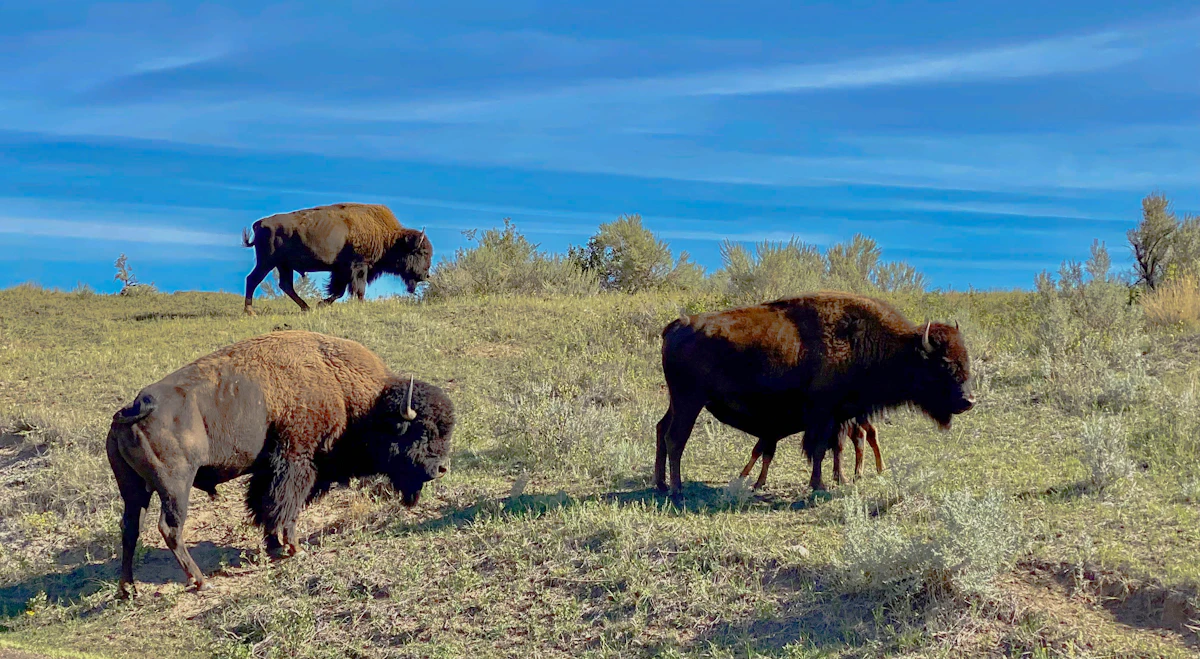
Public-land bison hunts: Often involve state-managed wildlife, limited tags, and competitive application processes. Private-land bison hunts: May involve free-ranging wildlife, managed herds, or domestic livestock, depending on the property and jurisdiction. Public-land tag costs: Can be relatively low compared with the total price of a privately arranged hunt, but vary by state and residency. Private-land hunt costs: Can range from several thousand dollars to substantially more for large bulls, specialized access, or premium hunting packages. Draw odds: Public bison permits can be among the most difficult big-game tags to obtain. Zero-point opportunities: Some random drawing systems allow first-time applicants to draw, although probabilities may be extremely low. Access: Public land does not always mean bison are present or accessible during the hunting season. Fair chase: A hunt on private property can be fair chase, while a fenced ranch harvest may involve a different experience and legal framework. Guided hunts: Guides can assist with access, scouting, field care, and recovery but do not automatically improve public drawing odds. Meat recovery: A mature bison can yield hundreds of pounds of packaged meat, making transportation and processing essential planning considerations. 2027 regulations: Hunters must verify the exact season, legal classification, tag requirements, and harvest rules before applying or booking.
Related
Title: Utah General Deer Preference Point Strategy 2027: Draw Odds, Units & Nonresident Guide
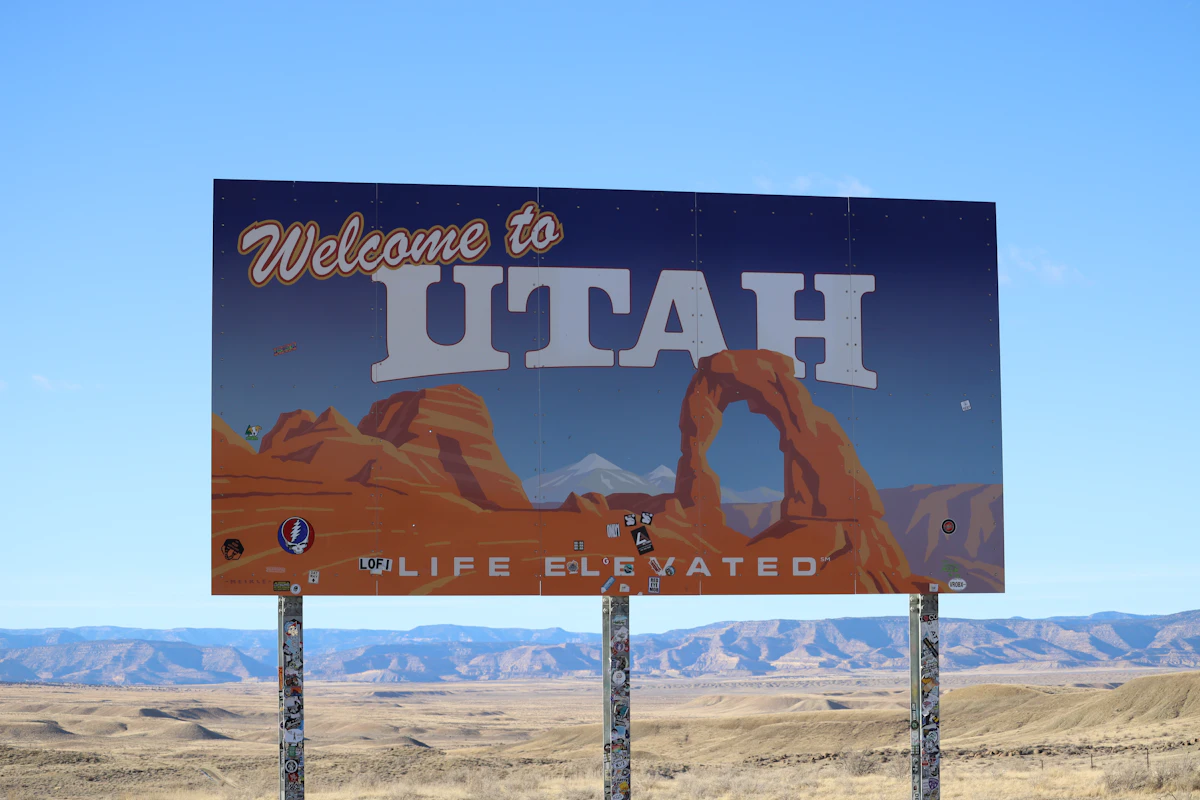
Drawing system: Utah uses preference points for general-season buck deer permits, not the bonus-point system used for limited-entry buck deer. Highest points first: Applicants with the most preference points receive priority within the regular general-season drawing. Five hunt choices: Applicants can rank up to five hunt choices, but first choices are considered before later choices. Point reset: Drawing a general-season buck deer permit through any of the five choices causes the hunter to lose accumulated general deer preference points. Zero-point opportunity: Hunters with zero points can draw permits when their applications reach hunts with available permits. Nonresident permits: Nonresident opportunities depend on hunt-specific allocations and application demand. Youth allocation: Utah provides a separate youth drawing opportunity for eligible general-season deer applicants. Dedicated Hunter: This program has its own application process and separate preference points. Group applications: Group preference points are averaged and rounded down to the nearest whole number. Draw odds: Historical first-choice results are useful but do not fully represent second-through-fifth-choice outcomes. 2027 planning: Use the latest official drawing reports, hunt planner, and published permit quotas before submitting an application.
Next
Colorado Elk Draw Odds With Two Points 2027
Colorado elk hunters with two preference points in 2027 can draw several either-sex rifle, muzzleloader, and archery hunts based on 2026 results, though quotas and applicant pools shift yearly.