Public Land Mule Deer Hunting in Idaho 2027: Strategies and Insights
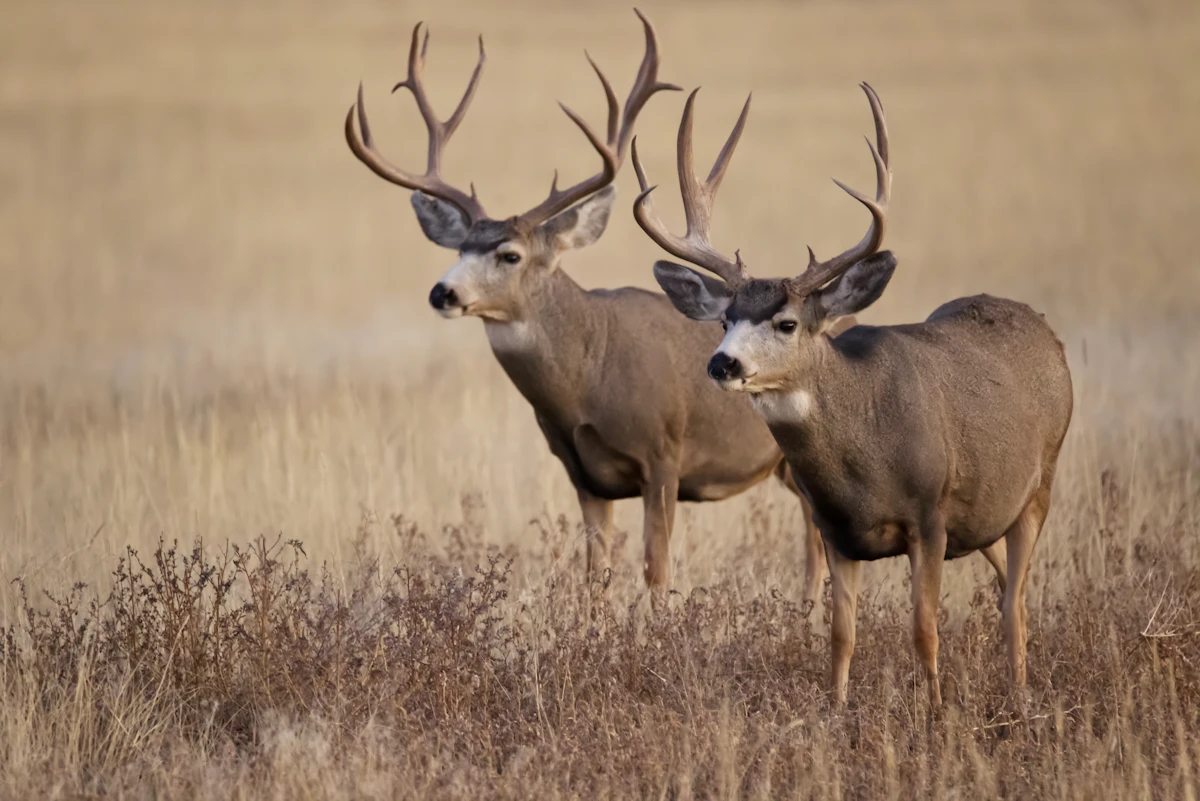
Idaho offers some of the West's most accessible public-land mule deer hunting, from high mountain basins to desert foothills. For 2027, both general-season and controlled hunts are available, but nonresident general tags are limited by unit and controlled hunts do not use points. Understanding how the tag system works before you scout a specific area can save you from researching a unit you cannot hunt.
Planning an Idaho mule deer hunt starts with understanding how tags work, not just picking a famous unit. The state manages deer hunting through two systems, and nonresidents face different rules than residents. Many hunters assume "general season" means unlimited tags, but Idaho caps nonresident numbers and requires you to commit to a specific GMU when you buy the tag.
How Idaho Deer Tags Work
Idaho provides mule deer opportunities through general-season hunts and controlled hunts. General-season deer hunts are available in many GMUs, but nonresidents cannot treat them as unlimited over-the-counter tags. Idaho limits nonresident general deer tags statewide, and you must select your unit when purchasing. That means checking tag availability should happen before you spend weeks scouting a particular mountain range.
Controlled deer hunts require an application and a successful draw. Idaho does not use preference points or bonus points for deer, so an unsuccessful application does not build equity for future years. Compare draw odds, tag quotas, and historical harvest data rather than assuming every controlled hunt offers better bucks or easier hunting than general seasons.
For more on how western states structure their draw systems, see Idaho mule deer draw odds and tag guide 2027.
Choosing Between General and Controlled Hunts
A controlled hunt tag does not automatically mean bigger bucks. Compare draw odds, tag numbers, season dates, historical harvest, hunter numbers, public-land access, terrain, weapon restrictions, and mule deer population trends. Some general-season units with higher tag quotas can provide better opportunities than low-odds controlled hunts if you are willing to work harder for less hunting pressure.
Idaho's mule deer population and harvest trends change over time. A unit that produced excellent bucks five years ago may have seen declining harvest success or increased pressure. Research multiple years of data rather than relying on a single standout season or internet reputation.
Scouting Idaho Public-Land Mule Deer
Successful mule deer hunting often starts months before opening day. Look for terrain that provides deer with access to feed, water, bedding cover, escape terrain, security from roads, and seasonal movement routes. The exact combination of those features can change dramatically between August, October, and November as weather and hunting pressure shift deer behavior.
In open Idaho mule deer country, quality optics can save enormous amounts of unnecessary hiking. Locate productive vantage points that allow you to examine multiple slopes, basins, burns, sagebrush pockets, and canyon systems without walking miles each day. Spend enough time behind the glass to pick apart shadows, brush, and small openings; mature bucks can be surprisingly difficult to see even in relatively open terrain.
E-scout before you arrive. Identify multiple glassing locations, potential bedding areas, water sources, access routes, and backup areas before leaving home. Do not wait until you are standing at the trailhead to figure out where you want to hunt. For additional western hunting planning strategies, explore public land elk hunting in Idaho 2027 strategies and insights.
Early-Season Mule Deer Strategy
During late summer and early fall, bucks may still be associated with summer ranges and predictable feeding patterns. Focus on high-elevation feeding areas, alpine and subalpine basins, burns, open slopes, water, and bedding cover near feed. Glassing during the first and last hours of daylight can be particularly important.
Once you locate a mature buck, avoid unnecessarily disturbing the area. Repeatedly bumping deer from bedding cover or feeding areas can push them into different drainages or basins. If you find a good buck during a pre-season scouting trip, resist the urge to check on him every few days. Give the deer space and wait for your hunt to start.


Free to join
Download mobile app
- Detailed draw odds
- Point tracking
- Deadline reminders
- 19 states covered





Free to join
Download mobile app
- Detailed draw odds
- Point tracking
- Deadline reminders
- 19 states covered






Free to join
Download mobile app
- Detailed draw odds
- Point tracking
- Deadline reminders
- 19 states covered

October Mule Deer Strategy
October can be a transitional period. Weather, elevation, hunting pressure, and seasonal movement can all influence where deer are located. Instead of assuming bucks will remain where you found them during summer scouting, continue searching different elevations and habitat types. Opening-weekend pressure can push mature bucks toward thicker cover and more difficult terrain, sometimes miles from where they spent the summer.
November and the Mule Deer Rut
November can create entirely different mule deer behavior. As does approach estrus, bucks become increasingly focused on finding and tending females. Rather than searching exclusively for individual bucks, hunters can begin concentrating on groups of does. Find the does and keep watching them; a mature buck can appear seemingly overnight as rut activity increases.
However, do not assume every Idaho deer season overlaps meaningful rut activity. Always compare rut timing against the actual dates of your hunt. For more on how timing affects Idaho hunts, see best Idaho mule deer hunts for nonresidents 2027.
Spot-and-Stalk Mule Deer Hunting
Spot-and-stalk remains one of the most effective strategies for hunting mule deer in open Idaho terrain. The process is straightforward: locate deer from a distant vantage point, determine where the buck is feeding or bedding, study the wind, identify terrain that hides your approach, move slowly into a shooting position, and wait for a high-percentage shot opportunity.
The hardest part is often resisting the urge to move too quickly. If a buck is bedded and unaware of you, time is usually on your side. Moving too fast increases the chance of spooking deer or creating noise that alerts other animals in the area. Use terrain features, brush, and slow deliberate movement to close the distance without being detected.
Use Historical Data, Not Unit Reputation
One of the biggest mistakes mule deer hunters make is searching for the "best Idaho mule deer units" and choosing whichever unit appears most often. Instead, compare multiple years of applicant numbers, draw odds, tag quotas, harvest success, buck harvest, hunter numbers, season dates, public-land availability, access, and population trends.
A unit that produced excellent bucks five years ago may have experienced declining deer numbers, increased hunting pressure, or changes in habitat conditions. Research trends rather than relying on a single standout year or forum recommendations.
Public-Land Access
Idaho contains enormous amounts of public land, but hunters still need to verify legal access. Research BLM land, National Forest land, state land, private-property boundaries, motorized travel restrictions, seasonal road closures, wilderness boundaries, and trail systems. Never assume that a public parcel is legally accessible simply because it appears on a map.
Some Idaho units contain checkerboard patterns of public and private land that complicate access. Others have large roadless areas that require significant hiking or backpacking. Understanding access limitations before your hunt can prevent wasted days and frustration.
How TAGZ Fits Into Idaho Mule Deer Planning
TAGZ helps hunters research Idaho mule deer opportunities by organizing unit data, draw odds, harvest statistics, and season information in one place. Rather than spending hours searching multiple state websites and forums, you can compare units side by side and identify realistic tag opportunities based on your residency status and application strategy.
For hunters planning 2027 Idaho mule deer hunts, TAGZ provides the foundation for smarter research and better decisions. Explore units, compare data, and build your hunting strategy before committing to an application or purchasing a tag.
FAQ — Idaho Public-Land Mule Deer Hunting 2027
Does Idaho have general-season mule deer hunts?
Yes, Idaho offers general-season deer hunting opportunities in numerous GMUs, although exact seasons and restrictions vary by unit.
Are Idaho nonresident general deer tags unlimited?
No, nonresident general-season deer tags are limited, and nonresident hunters must select a specific GMU when purchasing a general deer tag.
Does Idaho use preference points for mule deer?
No, Idaho does not use preference or bonus points for its controlled deer hunts.
Do some Idaho mule deer hunts require a draw?
Yes, Idaho offers numerous controlled deer hunts that require hunters to apply and successfully draw a tag.
When is the Idaho mule deer rut?
Rut activity generally increases during November, although timing varies by location, weather, and individual animals.
Is spot-and-stalk effective for Idaho mule deer?
Yes, spot-and-stalk hunting can be highly effective in Idaho's open mountain, sagebrush, and canyon terrain.
Was this article helpful?
Previous
Backcountry Elk Hunting in Idaho 2027: Essential Strategies and Updates
Explore Idaho's 2027 backcountry elk hunting opportunities with expert tips, new regulations, and unit insights to maximize your wilderness hunt.
Related
Can Nonresidents Hunt Wolves in Idaho in 2027?
Discover if nonresidents can hunt wolves in Idaho in 2027, including licensing requirements, season dates, and how to plan your wolf hunt in the Gem State.
Next
DIY Elk Hunting in Idaho 2027: Strategies and Tips for Success
Master Idaho's 2027 DIY elk hunt with expert strategies, scouting tips, and terrain insights to maximize your chances on public land in Idaho.