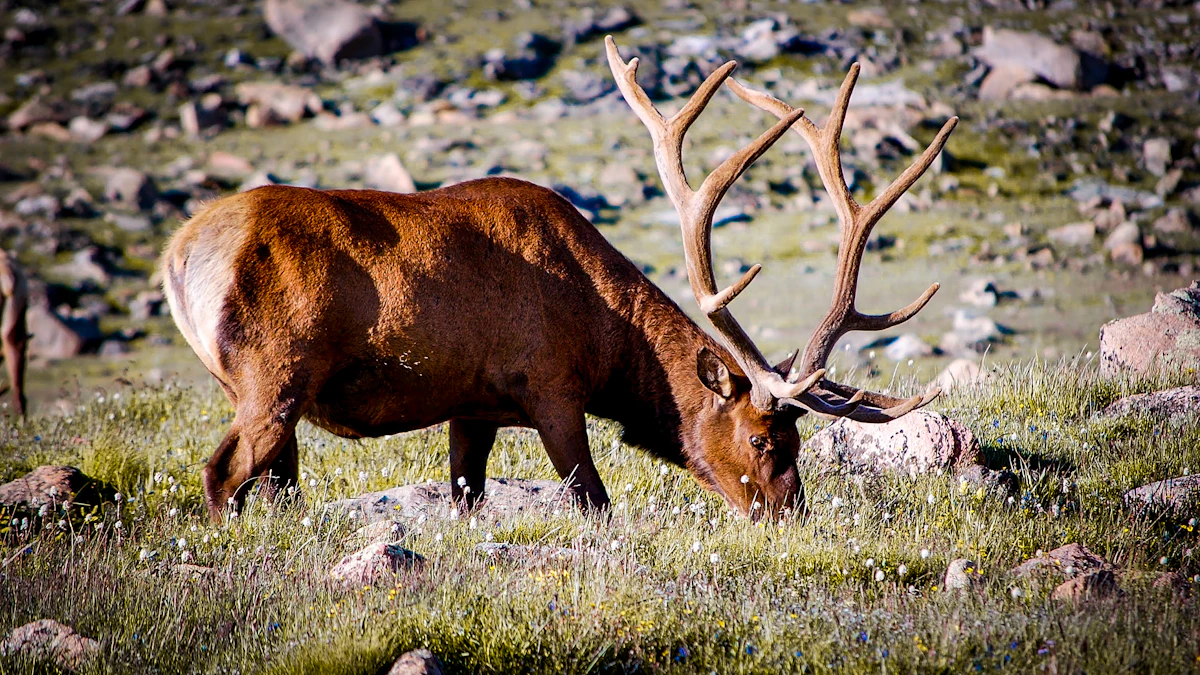
Idaho Mule Deer Draw Odds and Tag Guide 2027
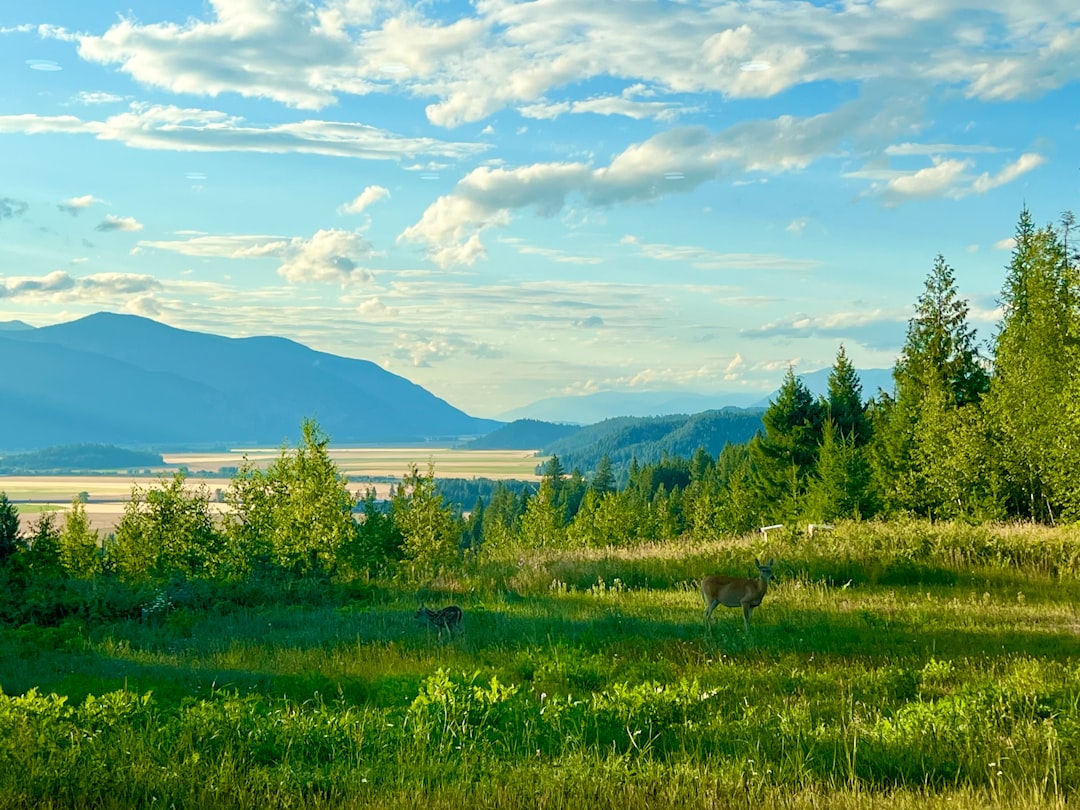
Idaho offers some of the West's most underrated mule deer hunting, with vast stretches of public land and a mix of general-season and controlled hunt opportunities. The 2027 draw cycle includes rifle, muzzleloader, and archery controlled hunts across units that range from desert sage country to high-elevation alpine basins. Understanding how Idaho structures its mule deer tags — and where odds favor your application — makes the difference between a wasted preference point and a quality hunt in the field.
How Idaho Structures Mule Deer Tags
Idaho divides mule deer hunting into two categories: general tags and controlled hunts. General tags allow hunting across multiple units during the general season, while controlled hunts restrict access to specific units with limited permits. Residents can purchase general tags over the counter for most of the state. Nonresidents face caps on general tag availability and must enter the draw for controlled hunts with significantly longer odds than residents.
Controlled hunts use a preference point system for residents and a true random draw for nonresidents. Residents accumulate points each year they apply unsuccessfully, which increases their odds in future draws. Nonresidents do not build points — every application is a fresh lottery entry. This structure means nonresident strategy centers on identifying units where tag allocations remain high enough to offer realistic draw chances without requiring years of waiting.
General Season Tags vs. Controlled Hunts
General mule deer tags in Idaho grant access to most of the state during the fall general season, which typically runs from mid-October through late November. These tags work well for hunters who value flexibility and can scout multiple units before committing to a hunting area. The tradeoff is hunting pressure — general units see more hunters than controlled hunt areas, and buck quality varies widely depending on terrain access and distance from roads.
Controlled hunts offer shorter seasons, lower hunter density, and often better buck-to-doe ratios. Units like 66 and 73 in the Owyhee region, or 27 and 36A in the Boise River drainage, draw heavy interest because they balance tag availability with quality hunting. Rifle controlled hunts typically run seven to ten days in October or early November. Muzzleloader hunts overlap with the rut in late September, which draws interest despite harder odds. Archery controlled hunts open in late August and close in early September, offering dry, hot conditions but less competition from other hunters.
2027 Draw Odds by Weapon and Residency
Idaho Fish and Game publishes controlled hunt statistics annually, and 2027 odds will mirror recent trends unless tag quotas shift. Residents with zero preference points draw many rifle controlled hunt tags at 25% to 40% odds in mid-tier units. Units with larger tag allocations — such as Unit 32 or Unit 45 — can exceed 50% draw odds for residents. Nonresidents face 5% to 15% odds in those same units, with premium rifle hunts like Unit 66 or 73 dropping below 5% for nonresidents.
Muzzleloader hunts draw fewer applicants overall, but odds remain tighter because tag quotas shrink compared to rifle hunts. Resident muzzleloader odds in popular units hover around 15% to 25% with zero points. Nonresidents see 3% to 8% odds in the same hunts. Archery controlled hunts offer the best nonresident odds — some units exceed 20% to 30% draw rates because fewer hunters apply and tag allocations remain generous. Units like 32A, 40, and 45 issue dozens of archery permits and draw fewer applications than their rifle counterparts.
Top Units for Nonresident Applicants
Nonresidents hunting Idaho mule deer should target controlled hunts with at least 30 to 50 tags and recent draw odds above 10%. Unit 32A archery controlled hunt consistently issues over 100 archery permits and draws nonresidents at 25% to 35% odds. The unit covers sage desert and broken lava rock foothills south of the Snake River, with good public land access through BLM ground. Bucks average 150 to 165 inches, and spot-and-stalk hunting works well in September heat.
Unit 45 rifle controlled hunt offers similar odds for nonresidents — recent years show 12% to 18% draw rates — and provides alpine hunting in the Boise National Forest. Bucks here run slightly larger than lowland desert units, with mature animals pushing 170 to 180 inches. The terrain is steep and requires backpack camps or stock to access the best ridges, which filters casual hunters and reduces pressure even during controlled hunts.
Unit 66 and 73 remain the top-tier desert hunts, but nonresident odds sit below 5% for rifle tags. Residents with two or three points draw these hunts regularly. Nonresidents should consider these units only if willing to gamble on a low-odds tag or if planning a multi-year strategy that includes applying alongside other Western states.
Resident Strategy and Point Creep
Residents building preference points should track which units require two to four points for reliable draws. Unit 27 rifle controlled hunt, which covers the lower Boise River drainage and sage foothills, requires two to three resident points for better than 50% odds. Unit 36A in the South Fork Boise drainage needs three to four points for similar confidence. Both units offer October rifle hunts with good road access and productive glassing ridges.
Point creep in Idaho remains modest compared to Nevada or Arizona, but popular units like 66 and 73 have crept from one or two resident points to three or four over the past five years. Residents applying with zero points should focus on units issuing 50 or more tags and drawing at least 30% to 40% odds. Units like 32, 40, and 45 fit this profile and provide solid hunting without multi-year waits.
Application Deadlines and Logistics
Idaho's 2027 controlled hunt application period opens in early January and closes in early February. Residents and nonresidents apply through the Idaho Fish and Game online licensing system. The application fee is $6.50 for residents and $26.50 for nonresidents. Preference points cost an additional $6.50. Draw results post in mid-March.
Nonresidents must purchase a nonresident hunting license before applying, which costs $154.75 for 2027. If drawn, the nonresident mule deer tag costs an additional $301.75. Residents pay $13.50 for the general deer tag and $26.50 for controlled hunt tags. Nonresidents who do not draw a controlled hunt can still purchase leftover general tags if available, though quotas often fill quickly after the draw.
How TAGZ Simplifies Idaho Mule Deer Applications
Idaho's controlled hunt system spreads across dozens of units with varying terrain, access, and tag allocations. TAGZ helps hunters compare units side by side using terrain maps, unit boundaries, and historical draw data. Track your preference points and bonus points across multiple states so you never miss a draw deadline. Whether you are chasing general tags or planning a controlled hunt, TAGZ gives you the tools to make smarter decisions before you ever step into the field.
Filter Idaho mule deer hunts by weapon, season, and draw odds to find units that match your application strategy. View public land boundaries, access points, and terrain breakdowns to assess which units fit your hunting style. TAGZ consolidates Idaho Fish and Game data into one decision-making platform so you spend less time researching and more time preparing for the hunt itself.
Terrain and Hunting Conditions Across Idaho Units
Idaho mule deer habitat varies dramatically from south to north. Southern desert units like 32A, 40, and 66 feature sage flats, juniper ridges, and broken lava rock. These areas offer excellent glassing from ridge tops, with bucks bedding in draws and shadowed coulees during daylight. Water sources are sparse, and bucks concentrate near creeks or stock tanks. October rifle hunts in the desert can be cold and windy, while September archery hunts are hot and dry.
Central Idaho units like 27, 36A, and 45 transition into mixed conifer forests with higher elevation. These units require more hiking and less glassing, but bucks grow larger on average due to better nutrition and cover. Hunters here should plan for steep terrain, early snowfall in November, and limited road access beyond main drainages. The South Fork Boise River drainage in Unit 36A offers particularly good alpine glassing during October hunts, but expect to backpack or use horses to reach the best basins.
Northern Idaho units receive less application pressure but also hold lower mule deer densities. Whitetail dominate the Panhandle, and mule deer occupy open south-facing slopes and ridgelines. Hunters targeting northern controlled hunts should expect lower tag allocations and odds comparable to premium southern units despite fewer bucks in the field.
Scouting and E-Scouting Idaho Mule Deer Units
Idaho's abundance of BLM and national forest land makes e-scouting straightforward. Start by identifying glassing knobs and ridge systems visible on terrain maps. Mule deer in Idaho feed on open slopes at dawn and dusk, then bed in shadowed draws or timber pockets during midday. Mark water sources — creeks, springs, stock tanks — and glass nearby ridges during evening sessions.
Most Idaho mule deer units allow vehicle access on maintained Forest Service or BLM roads, but the best hunting lies beyond the first ridge visible from the truck. Plan to hike one to three miles from roads to escape pressure. Units with limited road networks — like the wilderness portions of Unit 27 or backcountry zones in Unit 45 — require stock or backpack camps but reward effort with lower hunter density.
Physical scouting trips in August or early September reveal where bucks summer and which ridges hold fresh sign. Idaho's general season opens in mid-October, so bucks may shift to lower elevations by opening day. Controlled hunts in October catch deer in transition, which makes glassing migration routes and saddles productive. Muzzleloader hunts in late September overlap with the rut, and bucks respond to rattling and decoying during this window.
Weather and Timing Considerations
Idaho's October weather swings from warm Indian summer days to early winter storms. Southern desert units rarely see snow before November, but wind and rain can make glassing difficult. Central Idaho units above 7,000 feet often receive the first snow in mid to late October, which pushes deer lower and concentrates them near feed. Hunters drawn for late October rifle hunts should monitor weather forecasts and plan for sudden temperature drops.
Archery hunters face hot, dry conditions in late August and early September. Temperatures in southern units can exceed 90°F during midday, and water sources shrink to seasonal creeks and stock tanks. Bucks bed early and move little until evening. Glassing at dawn and dusk from shaded vantage points works better than midday stillhunting. Rattling and decoying during the September muzzleloader rut hunts can pull bucks from cover, especially in units with good buck-to-doe ratios like 66 or 73.
Leftover Tags and Reissue Opportunities
Idaho reissues unclaimed controlled hunt tags in late spring and summer. These tags become available when hunters do not purchase their drawn permits or when Fish and Game adds tags after the initial draw. Leftover tags post on the Idaho Fish and Game website, and hunters can purchase them first-come, first-served. Most leftover muzzleloader and archery tags remain available longer than rifle tags, and some units with poor access or low harvest rates offer leftover rifle tags into August.
Nonresidents should check the leftover list weekly starting in April. Popular units sell out within hours of posting, but obscure units with tough access or low deer densities linger. Leftover tags do not require preference points and offer a way to hunt Idaho mule deer without waiting for the draw. Combine a leftover controlled hunt tag with a general tag to hunt multiple units during the same trip.
FAQ — Idaho Mule Deer Draw Odds
Do nonresidents need preference points for Idaho mule deer controlled hunts?
No. Idaho does not award preference points to nonresidents. Every nonresident application is a random draw entry regardless of how many years you have applied.
What are the best Idaho mule deer units for first-time nonresident applicants?
Units 32A, 40, and 45 offer archery controlled hunt odds above 20% to 30% for nonresidents. These units issue dozens of tags and receive fewer applications than premium rifle hunts.
Can I buy an Idaho general mule deer tag as a nonresident?
Yes, but nonresident general tags are capped and may sell out quickly after controlled hunt results post. Check availability in mid-March and purchase immediately if you did not draw a controlled hunt.
How many preference points do Idaho residents need for top mule deer units?
Units like 66 and 73 require three to four resident preference points for better than 50% draw odds. Mid-tier units like 27 or 36A require two to three points.
When do Idaho mule deer controlled hunt applications open for 2027?
Applications open in early January and close in early February. Draw results post in mid-March. Apply early to avoid missing the deadline.
Are Idaho muzzleloader mule deer hunts worth applying for?
Yes, especially for residents. Muzzleloader hunts overlap with the late September rut, and bucks respond to rattling and calling. Odds are tighter than rifle hunts but still reasonable for residents with one or two points.
Continue Planning Your Hunt
Idaho's 2027 mule deer draw offers opportunities across weapon types and units for hunters willing to match their application strategy to realistic odds. Use TAGZ to compare Idaho controlled hunt units side by side, filter by draw odds and weapon type, and track application deadlines across multiple states. Explore additional Western hunting insights and unit breakdowns on the TAGZ Insights blog, or review pricing options to unlock full draw data and unit maps. Start planning your Idaho mule deer hunt with the TAGZ platform and make confident decisions backed by terrain analysis and historical odds.
Was this article helpful?
Previous
Idaho Controlled Elk Draw Odds 2027: Hunt Units, Success Rates & Application Strategy
Idaho's 2027 controlled elk hunt draw offers trophy opportunities across premier units like the Frank Church Wilderness and Island Park. Understanding draw odds, preference points, and unit-specific strategies helps nonresidents and residents maximize their chances at Idaho's best elk tags.
Next
Best Colorado Elk Hunts With Zero Points in 2027
Looking for Colorado elk hunts with zero points in 2027? Learn how to find realistic elk opportunities by unit, season, weapon and draw history.