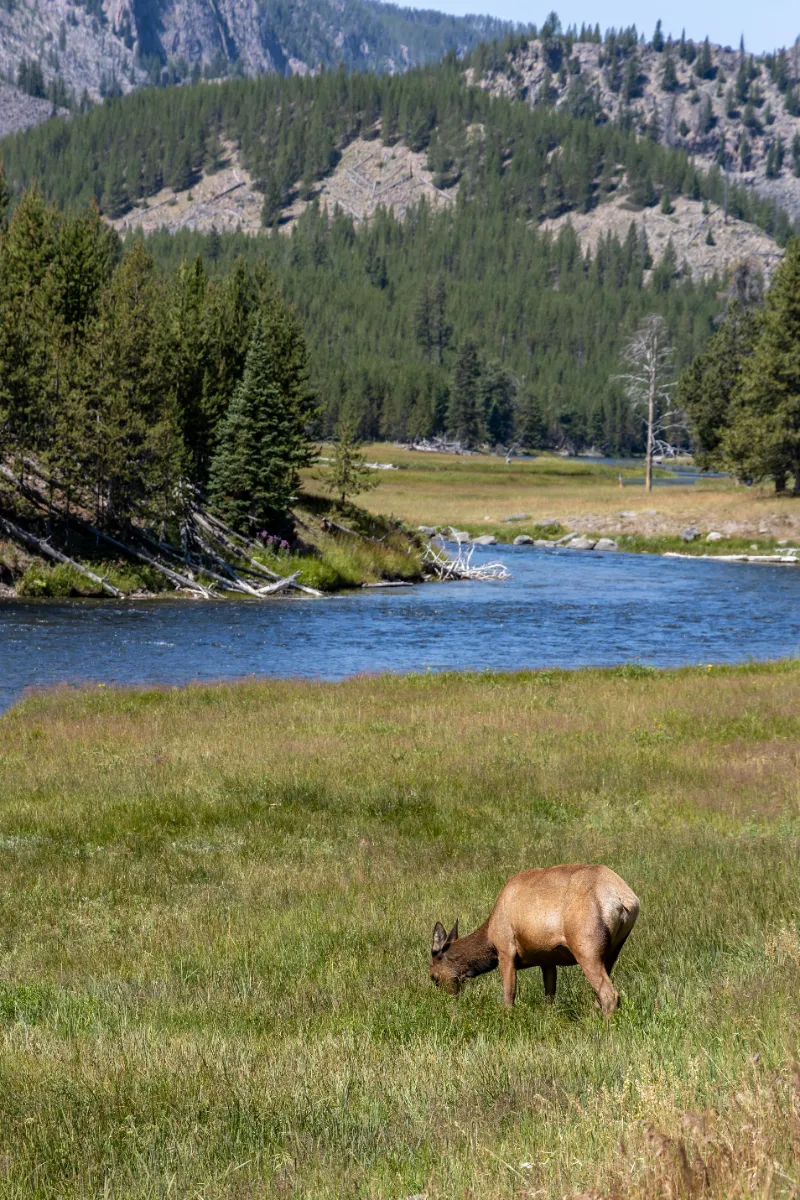
Public Land Access Strategy: Real Tactics for 2026 Western Hunts
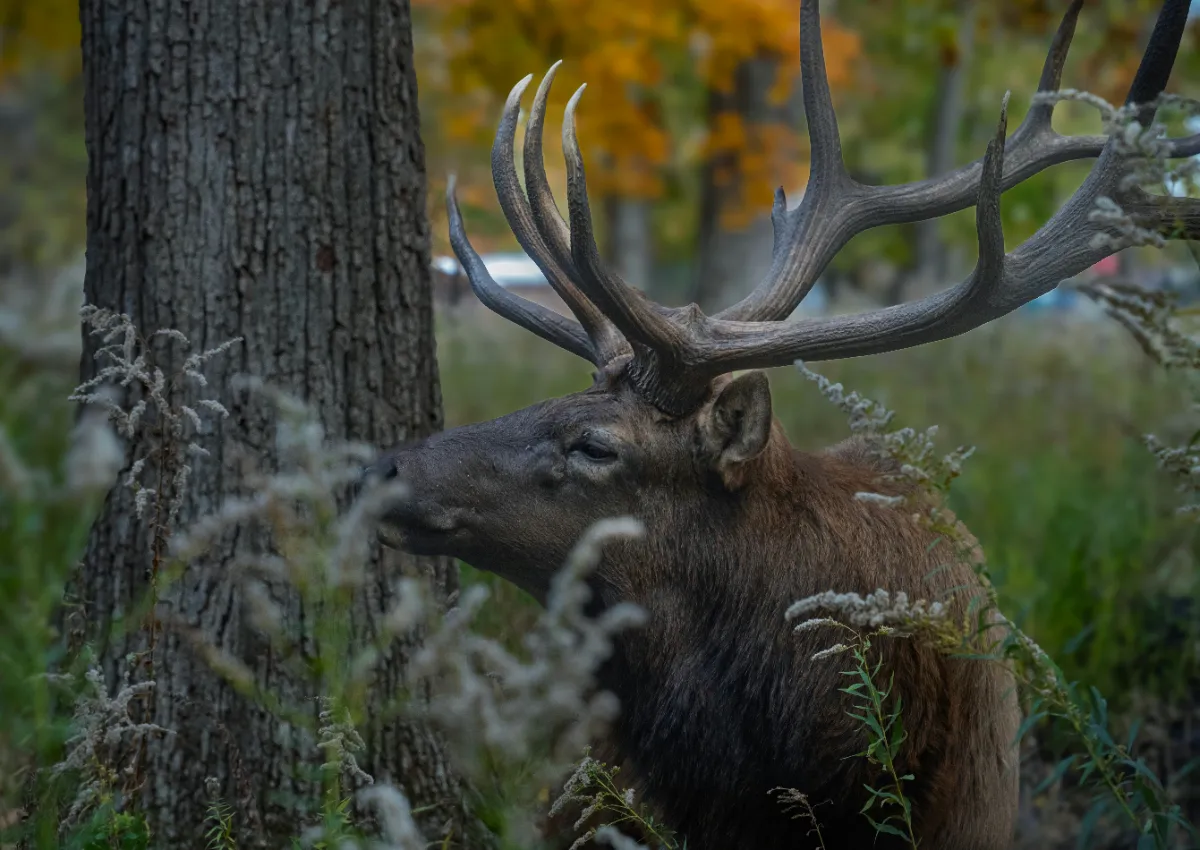
Getting away from crowds and finding good hunting on public land in 2026 isn’t easy, but it’s doable if you’re willing to put in the work. Every year, more hunters are looking for adventure on public ground. Here’s how I approach access, pressure, and planning in the modern West.
Why Public Land Keeps Getting Tougher
Everyone wants a piece of the public land pie. Apps have made it easier to find boundaries and trailheads, but that also means more trucks at every pullout. In 2026, expect more boots on the same ridges, especially in over-the-counter (OTC) and easy-to-draw units. There’s no secret shortcut anymore, but there are still smart ways to tip the odds.
Realistic Access Tactics for 2026
Think Beyond the Trailhead
If you can see a trail on a map, so can everyone else. I look for overlooked spots — maybe a nasty draw between popular drainages, or a patch of timber that’s hard to reach. Sometimes, it’s as simple as walking a mile farther or sidehilling into a pocket most folks ignore.
Roadless Isn’t Always Better
We all dream about untouched wilderness, but some of the best elk and mule deer I’ve found were within earshot of a road. The trick is to pay attention to how animals use the country after hunters push in. Elk especially will stack up in overlooked fringes or private-public corners that most guys drive past.
Pressure, Terrain, and Hunter Behavior
Adapt to the Pressure
In 2026, expect pressure. What matters is how you respond. When you see other hunters, don’t get discouraged. Watch what they do — most folks are creatures of habit. I’ll glass from a distance, pay attention to where pressure is going, and shift my approach. Sometimes, sitting tight and letting the crowd move through is better than racing to the next drainage.
Terrain Dictates Opportunity
Steep, brushy, or burned country weeds out the crowd. That’s where I focus my efforts. Use terrain to your advantage: ridges for glassing, benches for bedding, and thick cover for mid-day still-hunting. Don’t overlook small, overlooked habitat patches either — deer and elk don’t read the same playbook as us.
Scouting and Planning with TAGZ
I used to spend hours poring over maps, but tech like TAGZ has streamlined my preseason. Now I can compare units, overlay access points, and see real hunter data side by side. It’s not just about finding a spot, but understanding how pressure and terrain interact so you’re not caught off guard opening morning.
Frequently Asked Questions
How do I avoid crowds on public land?
Get off the main trails, hunt during the week, and look for overlooked or physically challenging areas. Sometimes a short, tough hike puts you in a pocket everyone else ignores.
What’s the best way to scout new units?
Start with digital scouting: check access, terrain, and recent hunter activity. Then put boots on the ground in summer or the week before the season if possible.
How does pressure affect animal movement?
Expect elk and deer to move into thicker, steeper, or overlooked cover after pressure ramps up. They’ll change routines quickly, so adapt your plan accordingly.
Final Thoughts
No public land hunt in 2026 is going to be easy or empty, but that’s part of the challenge. If you’re willing to adapt, outwork the crowd, and use modern tools like TAGZ for planning, you’ll always have a shot at success.
Looking for more detailed unit breakdowns? Check out our Ultimate Guide to Western Elk Hunt Planning and How to Use Draw Odds for Smarter Applications.
Was this article helpful?
Previous
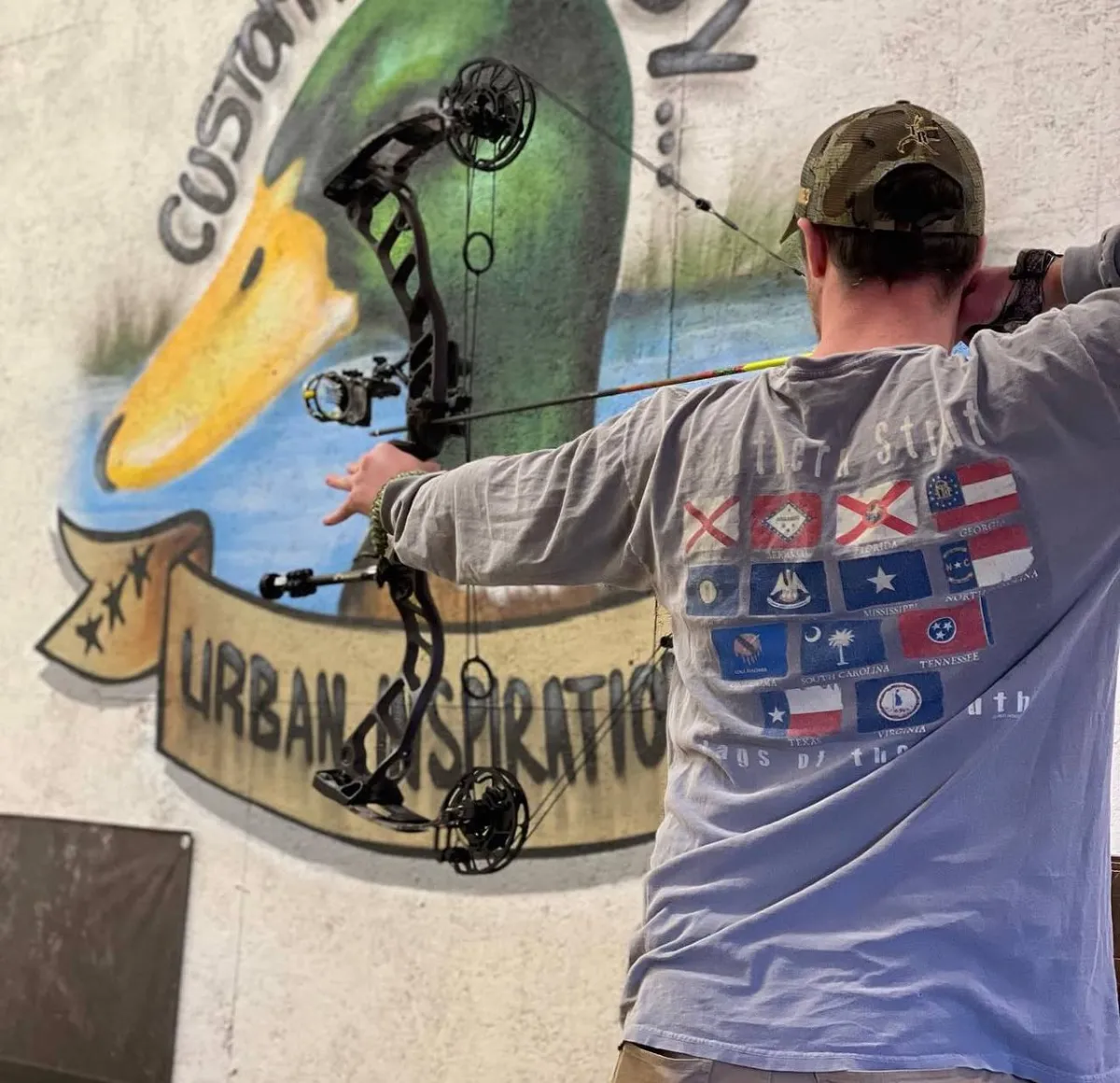
Best Arrow Weight for Elk Hunting — Complete Arrow Setup Guide
Most elk hunters achieve the best results with arrows weighing 475–550 grains. This range balances speed, penetration, momentum, and broadhead performance while providing the forgiveness needed for real-world elk hunting situations.
Next
Summer Scouting for Elk in 2026: Realistic Strategies for Western Hunters
Get a practical breakdown of summer elk scouting in 2026, from boots-on-the-ground tactics to honest expectations and planning tools that actually help.