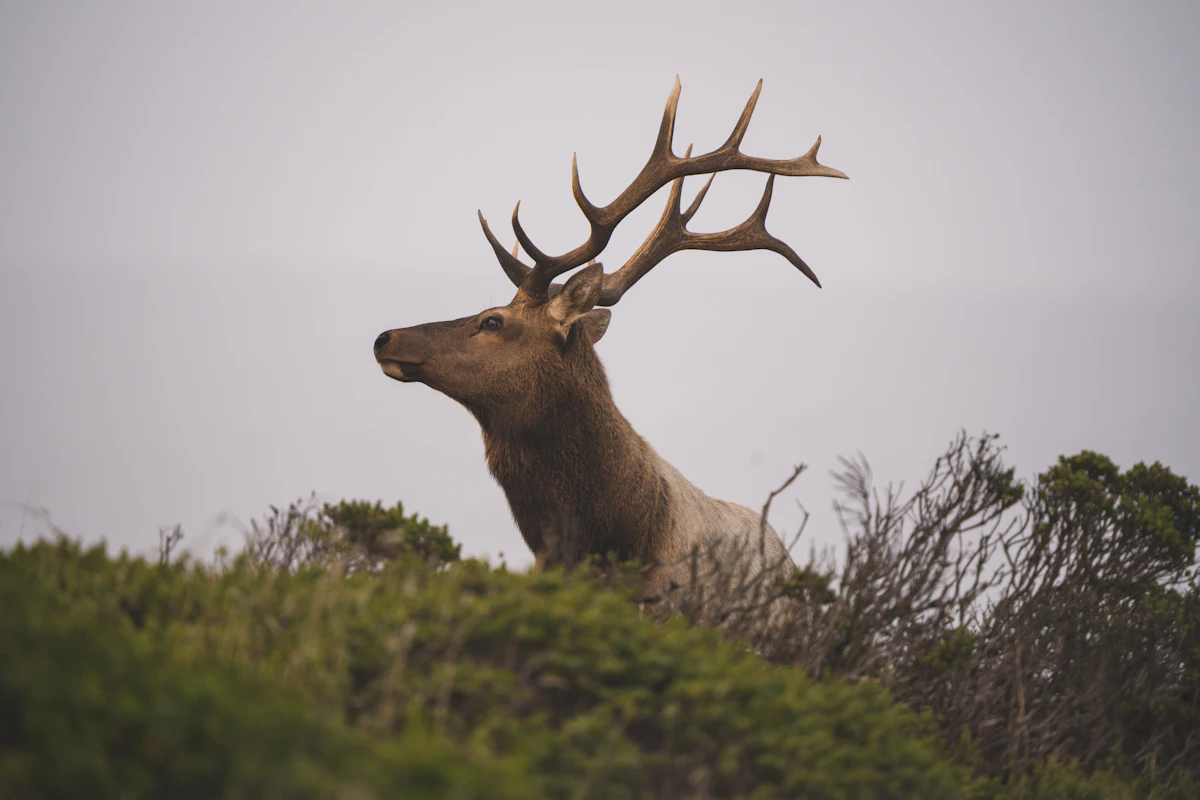
Hunting North-Facing Slopes: Why Shade, Security, and Strategy Matter in 2026
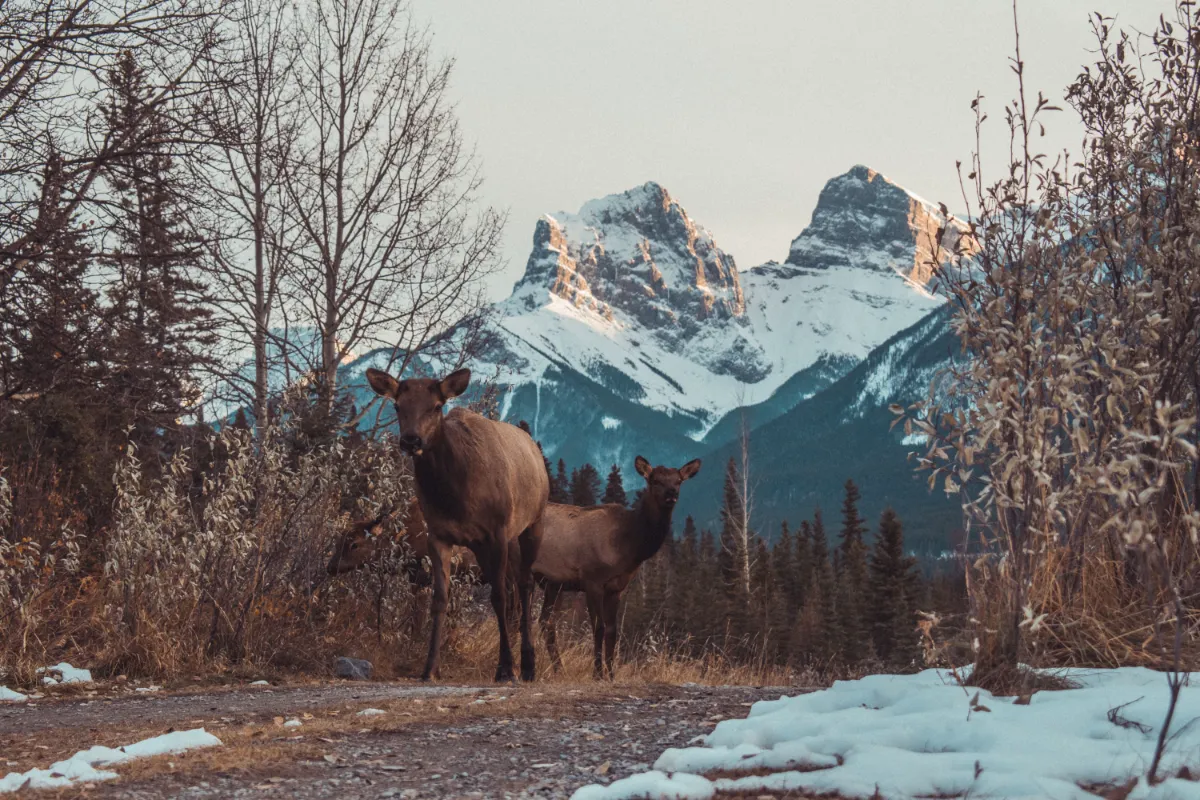
North-facing slopes are classic for a reason. If you want to consistently find elk or mule deer in the West, especially when the pressure’s on, you need to understand why these slopes matter and how to hunt them right.
Why North-Facing Slopes Hold Game
North slopes get less sun, so they stay cooler and hold more moisture. That means thicker, greener feed well into archery and rifle seasons, plus better bedding cover. Elk and deer know it’s a safe bet for shade and security when temps climb or pressure picks up. In dry years, these slopes often have the only decent habitat left. If you’ve ever wondered why you keep bumping animals off the shadowy side of a ridge, this is why.
Terrain, Access, and Pressure: What to Expect
Hunting north-facing slopes isn’t a secret, and plenty of other hunters know to check them too. The trick is finding pockets others overlook, or slopes that take real effort to reach. Steep, timbered north faces above 8,000 feet can be nasty to access but almost always hold critters if there’s decent feed and water nearby. Expect blowdowns, tangled timber, and limited shooting lanes. It’s tough country — bring your patience and be ready to glass from multiple angles.
Access is everything. If there’s a trail or ATV path running right across the slope, odds are animals will shift to the next, less-bothered north face. Pay attention to how people move through the unit. Sometimes the best stuff is just one ridge farther than most are willing to hike.
Scouting and Reading the Sign
Summer and early fall scouting will show you how animals use these slopes, but be flexible — pressure changes everything after opening day. Look for beds and heavy trails under the shade. If you glass elk or deer in the evening, watch where they slip into cover as shooting light fades. That’s usually the north slope they’ll bed on come daylight.
Trail cameras can help, but don’t rely on them. Focus on learning the terrain, getting a sense for travel corridors, and finding those overlooked benches or small pockets of habitat that get skipped by most.
Hunting Strategy: Play the Shade, Play the Wind
Morning thermals usually pull your scent downhill, and north faces often have swirling winds. Set up to glass the edges at first light, then still-hunt slowly along the top or sidehill in the shade, always keeping the wind in mind. Midday, animals hole up in the thickest shade, so you have to get tight or wait for them to stretch out in the evening.
Don’t expect easy shots. Plan for quick windows through timber, and practice shooting from awkward positions. If you bump game, note where they escape to; odds are, they’ll circle to another north face nearby.
How TAGZ Makes North-Face Planning Simpler
It can be tough to pick which north slopes are worth the work, especially in big, unfamiliar units. That’s where TAGZ comes in handy. You can use it to compare unit terrain, overlay access points, and even scout pressure trends based on past draw odds. TAGZ helps narrow down where you should spend your boot leather, saving time and showing you the details that matter most.
Frequently Asked Questions
How do I identify north-facing slopes on a map?
Look for topo maps or digital tools with aspect layers. North-facing slopes are those that face between northwest and northeast — usually marked as being opposite the direction of the sun’s arc.
Are north-facing slopes always better than south-facing?
Not always, but they’re more consistent for bedding and cool-season feed. South faces can be great in early season or for glassing, but animals usually retreat to the north when pressured or when it heats up.
What’s the best way to hunt thick timber on north slopes?
Still-hunt quietly, glass benches and openings, and focus on wind. Sometimes, sitting a well-used trail at first or last light is your best move. Don’t bust through blindly.
Does hunting pressure push animals off north slopes?
Yes, but usually only if pressure is intense or access is easy. Animals will relocate to more remote or steeper north faces if they’re bumped repeatedly.
For more on picking productive terrain, check out our guide to hunting dark timber and scouting western elk units.
Was this article helpful?
Previous
Why Most Hunters Fail Out West: Hard Truths and Smart Strategies
Western hunting is tough. Here’s why most hunters strike out, what the real challenges look like, and how to stack the odds in your favor.
Next
DIY Elk Hunt Planning: Real-World Strategies, Pitfalls, and Honest Expectations
Cut through the noise and get a boots-on-the-ground look at planning your own elk hunt—honest talk about pressure, access, and getting it done DIY.