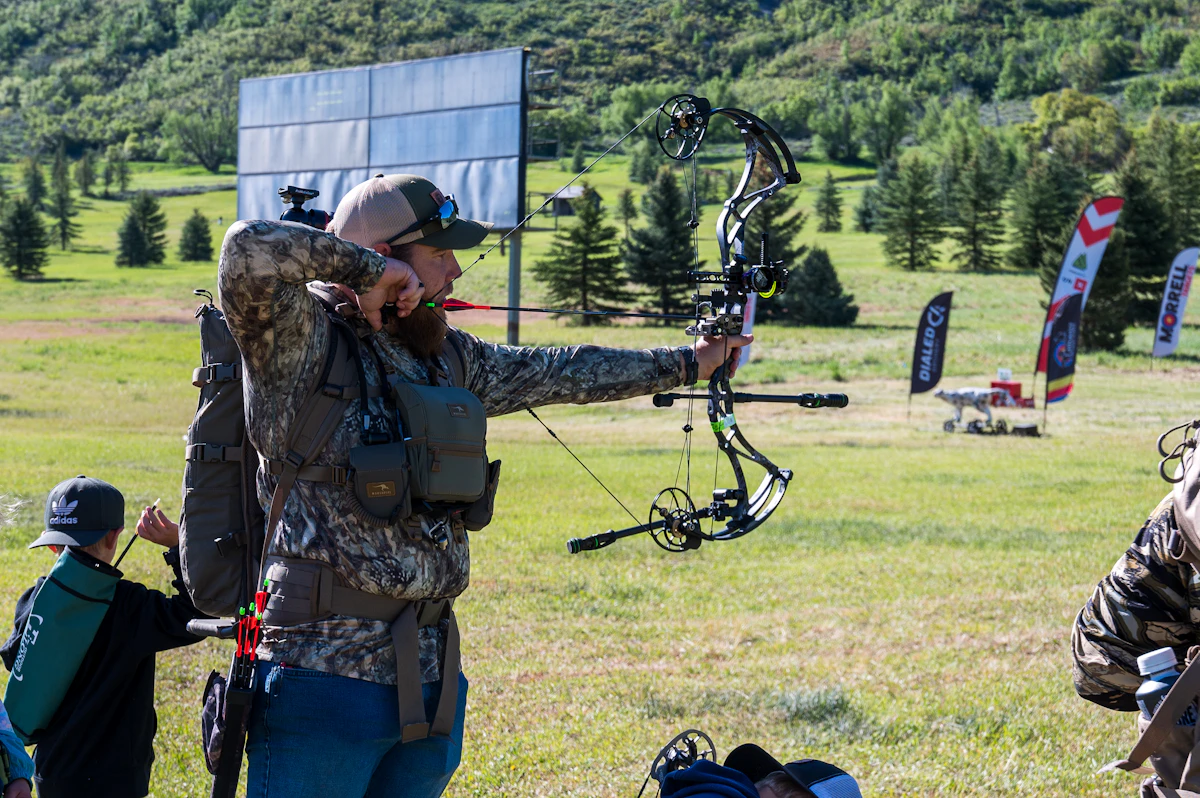
PSE vs Hoyt: Which Hunting Bow Is Better in 2026?
PSE and Hoyt have dominated the compound bow market for decades, and 2026 models continue that legacy. Both brands build reliable hunting bows, but they take different approaches to speed, forgiveness, and price. Understanding those differences helps you pick the bow that matches your hunting style and budget.
This comparison focuses on flagship hunting models from both brands — the bows serious western hunters actually use on elk, mule deer, and pronghorn hunts. We'll cover speed and kinetic energy, accuracy and forgiveness, build quality and durability, price and value, and real-world hunting performance.
Speed and Kinetic Energy
PSE builds some of the fastest production bows on the market. The 2026 PSE Levitate pushes 350 fps IBO with a 30-inch draw and 70-pound draw weight. That speed translates to flatter trajectories and more kinetic energy at extended ranges — a real advantage when you're shooting across a canyon at a mule deer buck or settling your pin on a bull at 60 yards.
Hoyt prioritizes balance over raw speed. The 2026 Hoyt RX-9 clocks around 335 fps IBO in similar configurations. That's still plenty fast for any western hunting scenario, and Hoyt engineers argue the slightly slower speed allows for a smoother draw cycle and better accuracy off the shelf. Most hunters won't notice 15 fps in the field, but if maximum speed matters for your setup, PSE wins this category.
Kinetic energy favors PSE slightly due to higher arrow speeds, but both brands deliver more than enough punch for ethical kills on North American big game. A well-tuned PSE or Hoyt shooting a 450-grain arrow generates over 80 foot-pounds of energy — enough to drive a broadhead through both lungs on an elk.
Accuracy and Forgiveness
Hoyt builds bows known for exceptional accuracy and forgiveness. The RX-9 uses Hoyt's In-Line System, which centers the riser, cam, and grip on the same vertical plane. That design reduces torque and makes the bow easier to shoot consistently, especially under pressure. Western guides and backcountry hunters who need one-shot reliability often choose Hoyt for this reason.
PSE bows tend to be slightly less forgiving due to their aggressive cam systems and focus on speed. The Levitate shoots fast, but it demands better form and follow-through to achieve the same group sizes as a comparable Hoyt. Experienced archers often prefer PSE because they can handle the bow's demands and benefit from the extra speed. Newer bowhunters or those who shoot less frequently might struggle with consistency.
Both brands offer adjustable draw lengths and draw weights, making it easier to dial in a perfect fit. A bow that fits you well will always shoot more accurately than a flagship model that doesn't match your draw length or anchor point.
Build Quality and Durability
Hoyt bows are built like tanks. The machined aluminum risers feel solid in hand, and Hoyt's quality control is among the best in the industry. You rarely hear about catastrophic failures on Hoyt bows, and many hunters run the same Hoyt for a decade or more without issues. The RX-9 features Hoyt's HyperZS cam system, which uses sealed bearings and a split-yoke cable system that runs quietly and requires minimal maintenance.
PSE also builds durable bows, but their focus on speed sometimes means lighter components that see more wear over time. The Levitate uses PSE's Evolve Cam System, which is fast and efficient but can be noisier than Hoyt's cam setups. PSE's customer service is excellent, and warranty support is solid, but Hoyt's reputation for long-term reliability gives it a slight edge in this category.
Both brands hold up well in backcountry conditions. You can trust either bow on a week-long elk hunt in rough terrain, extreme temperatures, and high altitudes. Hoyt edges ahead for hunters who want a bow they can pass down to their kids.
Price and Value
PSE bows cost less than comparable Hoyt models. The 2026 PSE Levitate retails around $1,100 to $1,300 depending on configuration and dealer. That's significantly cheaper than the Hoyt RX-9, which starts around $1,700 and can push $2,000 with upgraded accessories and finishes.
If you're on a budget, PSE delivers serious performance per dollar. You can buy a PSE flagship, a quality sight, a drop-away rest, and a half-dozen high-end arrows for what you'd spend on a bare Hoyt riser. That matters for hunters who need to allocate funds toward tags, travel, and gear instead of dumping everything into the bow.
Hoyt's higher price reflects tighter tolerances, premium materials, and better resale value. A five-year-old Hoyt in good condition sells for 60 to 70 percent of its original price. PSE bows depreciate faster, though they still hold value better than budget brands.


Free to join
Download mobile app
- Detailed draw odds
- Point tracking
- Deadline reminders
- 18 states covered





Free to join
Download mobile app
- Detailed draw odds
- Point tracking
- Deadline reminders
- 18 states covered






Free to join
Download mobile app
- Detailed draw odds
- Point tracking
- Deadline reminders
- 18 states covered

Real-World Hunting Performance
Both PSE and Hoyt bows kill elk, mule deer, and pronghorn effectively when paired with sharp broadheads and accurate shooting. The bow brand matters far less than your ability to judge distance, control your breathing, and execute clean releases under pressure.
PSE bows excel for hunters who prioritize speed and flat trajectories. If you hunt open country where shots past 50 yards are common, the extra speed helps you hold tighter groups at distance and reduces the need for perfect range estimation. Western rifle hunters transitioning to archery often like PSE because the speed feels more forgiving on longer shots.
Hoyt bows shine for hunters who value consistency and forgiveness. If you're spot-and-stalk hunting in timber where shots come fast at close range, or you're hunting elk during the rut where you might bugle in a bull at 15 yards, Hoyt's smooth draw cycle and quiet operation give you an edge. Hoyt also excels in high-pressure situations — the bow's forgiving nature helps you execute when a bull steps into a shooting lane and your heart is pounding.
Both brands work well with mechanical and fixed-blade broadheads. Tuning a PSE for broadhead flight takes slightly more effort due to the aggressive cams, but once dialed in, both brands group tight with field points and broadheads.
TAGZ Helps You Plan Your Archery Hunt
Whether you shoot PSE or Hoyt, success on western archery hunts depends on drawing the right tag and hunting the right unit. TAGZ gives you the tools to compare archery draw odds across multiple states, track deadlines, and research units using terrain maps and public land boundaries. Filter hunts by weapon type, season, and species to find archery opportunities that match your points and preferences. Track your bonus points and preference points in one dashboard so you never miss a draw deadline or waste points on a low-odds application.
TAGZ helps you identify early-season archery hunts with better draw odds than rifle seasons, spot OTC archery units with quality public land access, and plan multi-state strategies that maximize your chances of hunting every fall. The platform's unit comparison tools let you evaluate terrain, elevation, and historical harvest data before you ever apply — critical information for bowhunters who need to close the distance and get within ethical shooting range.
Which Bow Should You Choose?
Choose PSE if you want maximum speed at a lower price point and you're confident in your shooting ability. The Levitate and other PSE flagship models deliver serious performance for hunters who practice regularly and can handle a less forgiving bow. PSE is also the better choice if you're budget-conscious and want to allocate more money toward hunts, tags, and travel.
Choose Hoyt if you prioritize forgiveness, build quality, and long-term reliability. The RX-9 and other Hoyt models cost more upfront but hold value better and require less maintenance over time. Hoyt is the better choice for hunters who shoot less frequently, hunt in high-pressure situations, or want a bow they can trust for a decade without upgrades.
Both brands build excellent hunting bows. Shoot both at a pro shop before deciding — the bow that feels better in your hands and groups tighter at 40 yards is the right choice regardless of brand loyalty or online reviews.
FAQ — PSE vs Hoyt Hunting Bows
Which bow is faster, PSE or Hoyt? PSE flagship models like the Levitate shoot 10 to 15 fps faster than comparable Hoyt bows. PSE prioritizes speed, while Hoyt focuses on balance and forgiveness.
Is Hoyt more accurate than PSE? Hoyt bows tend to be more forgiving and easier to shoot accurately due to their In-Line System and smoother cam designs. PSE bows can be just as accurate but require better shooting form.
Are PSE bows cheaper than Hoyt? Yes. PSE flagship bows retail $400 to $600 less than comparable Hoyt models. PSE offers better performance per dollar for budget-conscious hunters.
Which bow holds value better, PSE or Hoyt? Hoyt bows hold resale value better. A used Hoyt in good condition sells for 60 to 70 percent of its original price, while PSE bows depreciate faster.
Do PSE bows require more maintenance than Hoyt? PSE's aggressive cam systems can be noisier and may need tuning more often than Hoyt's sealed bearing cams. Hoyt bows generally require less maintenance over time.
Which bow is better for elk hunting? Both work well for elk. Choose PSE if you hunt open country and take longer shots. Choose Hoyt if you hunt timber or high-pressure situations where forgiveness matters more than speed.
Continue Planning Your Hunt
Comparing bows is only one piece of planning a successful western archery hunt. TAGZ helps you research draw odds, track preference points, and compare units across multiple states so you can focus on hunting instead of navigating confusing application systems. Whether you're chasing early-season velvet bulls or targeting mule deer during the rut, TAGZ gives you the data and tools to make smarter decisions before you ever draw your bow. Explore hunt options and start building your strategy at TAGZ.
Ready to dive deeper into hunt planning? Check out more strategies and state-specific breakdowns on the TAGZ Insights blog. Compare draw systems, research OTC opportunities, and learn from experienced western hunters who have been where you're going.
If you're serious about maximizing your draw odds and hunting the best units for your points and budget, see how TAGZ simplifies multi-state applications and unit research on the Product page. Track deadlines, compare terrain, and filter hunts by weapon type and season — all in one platform built specifically for western big-game hunters.
Was this article helpful?
Previous
Best Bear Archery Bows for Hunting in 2026
Bear Archery's 2026 lineup delivers proven performance for western big-game hunters. From the flagship Redemption EKO to budget-friendly options, these bows combine forgiveness, speed, and field-tested reliability.
Related
Best Hoyt Bows for Hunting in 2026: Top Picks for Western Big Game
Hoyt's 2026 lineup delivers proven accuracy and reliability for western hunters. From the flagship RX-9 to budget-friendly options, we break down which Hoyt bow fits your hunt.
Next
Best Mathews Bows for Hunting in 2026: Top Models Compared
Mathews continues to dominate the bowhunting world in 2026 with flagship models that balance forgiveness, speed, and silent operation. From the all-new Phase4 38 to the compact Lift 33, we break down which Mathews bow fits your hunting style and budget.