Best Mathews Bows for Hunting in 2026: Top Models Compared
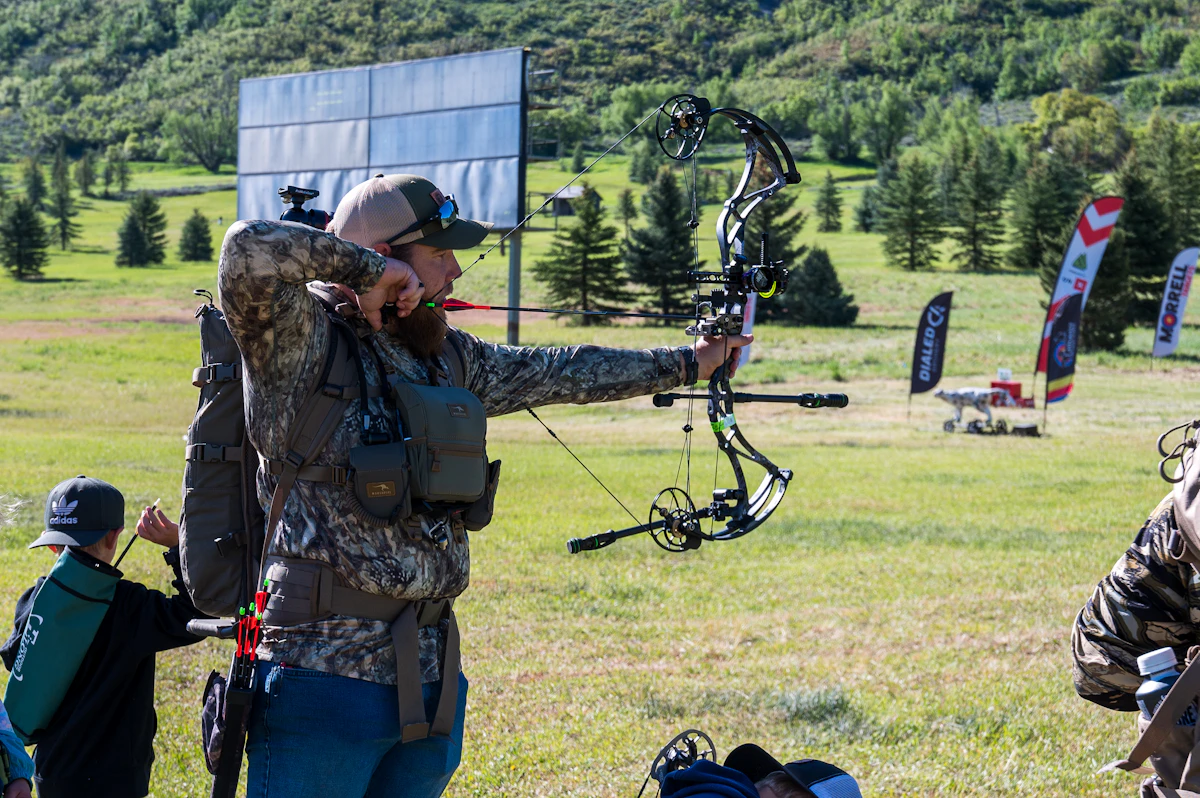
Mathews Archery has earned its reputation as the premium American bow manufacturer through relentless innovation and field-proven performance. For 2026, the lineup includes refinements to flagship models and the continued success of platforms introduced over the past two years. Whether you are stalking elk through dark timber, sitting whitetail in the Midwest, or spot-and-stalk hunting mule deer in the high desert, Mathews offers a bow engineered for your hunt.
This guide evaluates the top Mathews models for 2026 based on real-world hunting performance, covering speed, forgiveness, noise signature, and versatility across species and terrain.
Phase4 38: The Flagship for Western Hunters
The Phase4 38 represents Mathews' commitment to long-range accuracy and stability. With a 38-inch axle-to-axle measurement, this bow delivers the forgiveness Western hunters need when shots stretch beyond 60 yards or when steep angles demand perfect form.
Key Specs:
- Axle-to-axle: 38 inches
- Brace height: 6.5 inches
- IBO speed: 343 fps
- Draw weights: 50, 60, 70, 80 lbs
- Let-off: 80% or 85%
The Phase4 38 uses Mathews' Switchweight Technology, allowing you to adjust peak draw weight in 5-pound increments without a bow press. This matters in the field when conditioning changes or altitude affects your shooting form. The longer axle-to-axle creates a smooth draw cycle and rock-solid hold at full draw, critical advantages when your pin settles on a bull at last light.
The Bridge-Lock Sight System eliminates flexing and vibration transfer common with traditional sight mounts. Combined with the Engage Grip, which positions your hand consistently shot after shot, the Phase4 38 groups arrows tighter at extended range than shorter platforms.
Best for: Elk and mule deer hunters who prioritize accuracy over packability. Western terrain demands, spot-and-stalk situations, and hunters who regularly shoot beyond 50 yards.
V3X 33: Balanced Performance for All-Around Hunting
The V3X 33 occupies the sweet spot between maneuverability and stability. At 33 inches axle-to-axle, it handles well in ground blinds and tight timber while retaining enough mass to steady your pin in wind or when shooting from uneven terrain.
Key Specs:
- Axle-to-axle: 33 inches
- Brace height: 6 inches
- IBO speed: 346 fps
- Draw weights: 50, 60, 70, 80 lbs
- Let-off: 80% or 85%
The V3X platform introduced significant improvements to string angle geometry and cam timing. The result is exceptional arrow speed without sacrificing shootability. At 346 fps IBO, the V3X 33 generates enough kinetic energy for complete pass-throughs on elk with proper shot placement while maintaining a draw cycle that builds smoothly to a well-defined back wall.
Mathews equipped the V3X 33 with the integrated Centerguard Cable Containment System, which routes cables inside the riser to eliminate interference with clothing or brush. This design also improves tuning stability over thousands of shots. The bow ships with the new SL (Silent Lethal) string stop system, which nearly eliminates post-shot vibration and noise, a critical advantage for Western hunts where second and third shot opportunities on the same animal are common.
Best for: Hunters who want one bow for multiple species and terrain types. Whitetail hunters who also chase elk or mule deer, or anyone prioritizing versatility over specialization.
Lift 33: Compact Power for Technical Terrain
The Lift 33 delivers Mathews performance in a more compact package designed for treestand hunters, backcountry stalkers, and anyone who values maneuverability. Despite its shorter length, the Lift 33 does not sacrifice speed or shootability.
Key Specs:
- Axle-to-axle: 33 inches (shorter effective riser geometry than V3X)
- Brace height: 6 inches
- IBO speed: 343 fps
- Draw weights: 40, 50, 60, 70 lbs
- Let-off: 80%
The Lift 33 uses a fixed 80% let-off and offers a 40-pound draw weight option, making it accessible to younger hunters, smaller-framed shooters, or anyone recovering from injury. The bow features Mathews' Focus Grip, which promotes consistent hand placement and reduces torque during the shot sequence.
What separates the Lift 33 from other compact bows is its mass weight distribution. Mathews engineered additional weight into the riser to improve balance and reduce hand shock. The result is a bow that feels stable at full draw despite its shorter length. For hunters navigating thick cover or shooting from confined spaces, the Lift 33 offers the best combination of speed, accuracy, and handling.
Best for: Treestand whitetail hunters, backcountry elk hunters who prioritize packability, and hunters who need a shorter axle-to-axle for shooting from ground blinds or dense timber.
Atlas: Speed and Stealth for Aggressive Hunters
The Atlas delivers blistering arrow speed for hunters who prioritize flat trajectory and maximum kinetic energy. This bow is built for aggressive shot placement and extended range.
Key Specs:
- Axle-to-axle: 30 inches
- Brace height: 6 inches
- IBO speed: 350 fps
- Draw weights: 60, 70, 80 lbs
- Let-off: 80% or 85%
At 350 fps IBO, the Atlas sits at the top of the speed chart for 2026 Mathews models. This translates to flatter arrow flight, reduced wind drift, and more margin for error on range estimation. For Western hunters who regularly engage targets at 70-plus yards, every foot per second matters.
The Atlas uses the same Bridge-Lock system and Engage Grip as the Phase4, ensuring consistent accuracy despite the shorter platform. The 30-inch axle-to-axle makes the Atlas nimble in technical terrain but requires disciplined shooting form to maximize accuracy potential. Shooters with longer draw lengths may find the shorter brace height less forgiving than the Phase4 or V3X platforms.
Mathews designed the Atlas for hunters who train regularly and shoot year-round. The bow rewards perfect form with exceptional downrange performance but punishes inconsistency more than longer, more forgiving models.
Best for: Experienced archers who prioritize speed and practice frequently. Spot-and-stalk hunters who need flat trajectory for long-range shots on pronghorn, mule deer, or open-country elk.

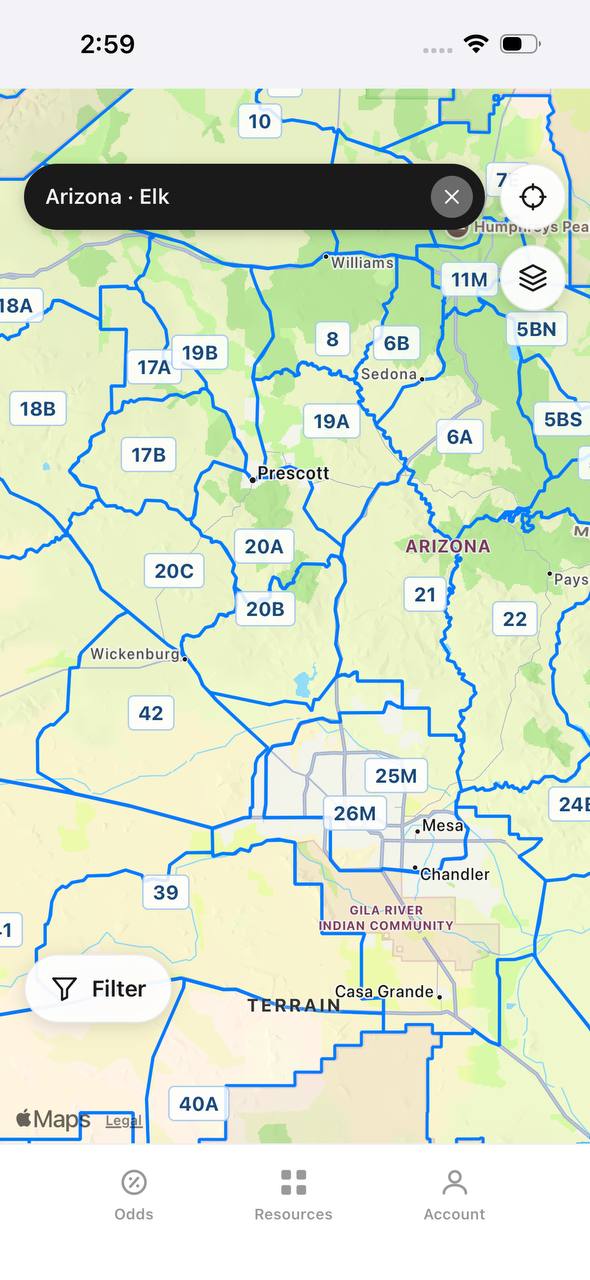
Free to join
Download mobile app
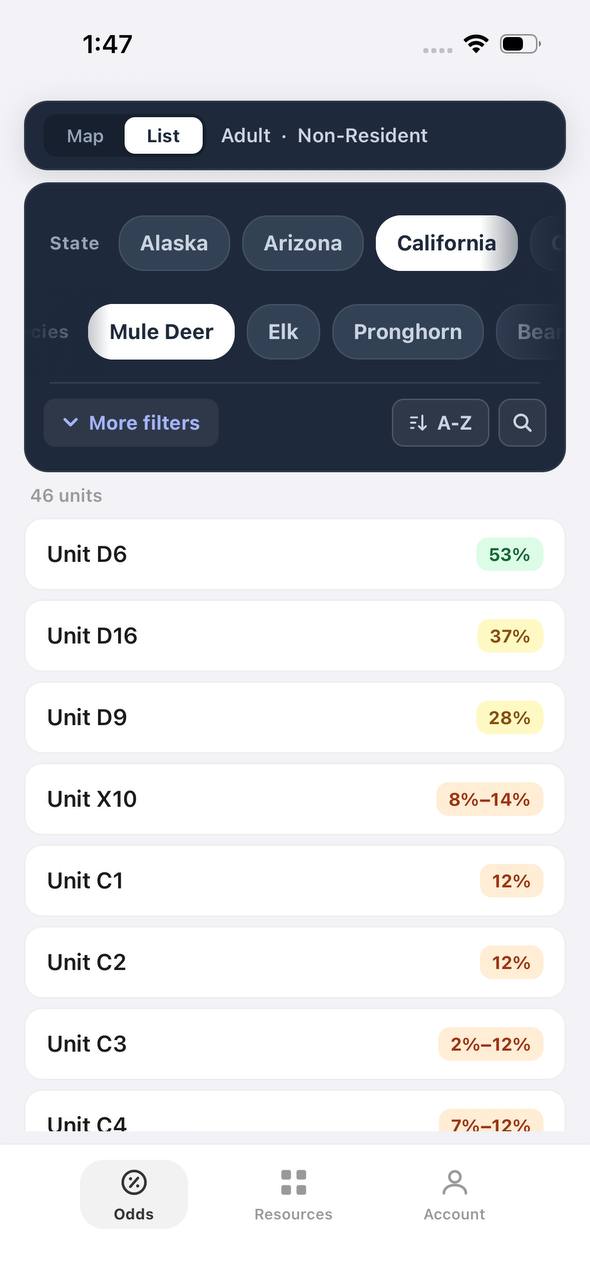
- Detailed draw odds
- Point tracking
- Deadline reminders
- 18 states covered



Free to join
Download mobile app
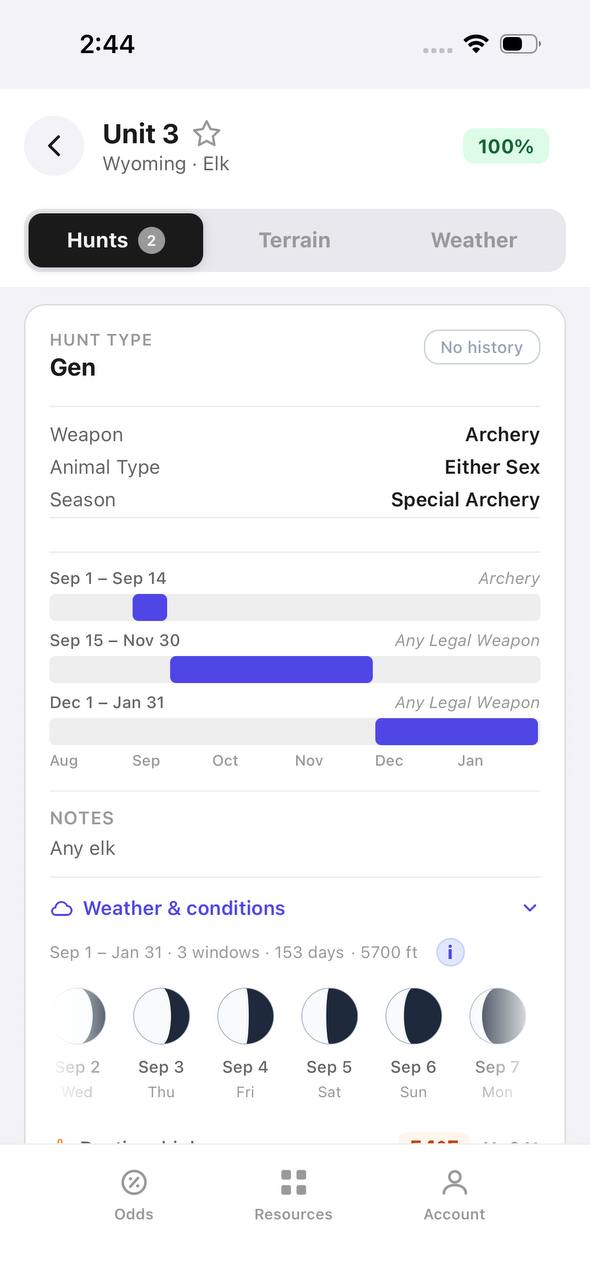
- Detailed draw odds
- Point tracking
- Deadline reminders
- 18 states covered


Free to join
Download mobile app
- Detailed draw odds
- Point tracking
- Deadline reminders
- 18 states covered

How to Choose Your Mathews Bow
Selecting the right bow depends on your hunting style, physical build, and the species you pursue most often. Consider these factors:
Hunting environment: Thick timber and treestand hunters benefit from shorter axle-to-axle models like the Lift 33 or Atlas. Western hunters who shoot across canyons or alpine basins gain accuracy from longer platforms like the Phase4 38.
Draw length and build: Taller hunters with longer draw lengths (29 inches and up) often shoot longer bows more accurately due to improved string angle geometry. Shorter draw lengths (27 inches and under) may find compact models more comfortable.
Shot distance: If most of your shots occur inside 40 yards, prioritize maneuverability and silence over raw speed. If you regularly shoot beyond 60 yards, invest in the stability and flat trajectory that longer, faster bows provide.
Species considerations: Elk hunters need enough kinetic energy for deep penetration on heavy-boned animals. Any Mathews bow in the lineup delivers adequate energy with proper arrow setup, but higher IBO speeds provide more margin for error. Whitetail and mule deer hunters can prioritize silence and forgiveness since these animals typically offer closer shots.
TAGZ Helps You Plan More Than Just Gear
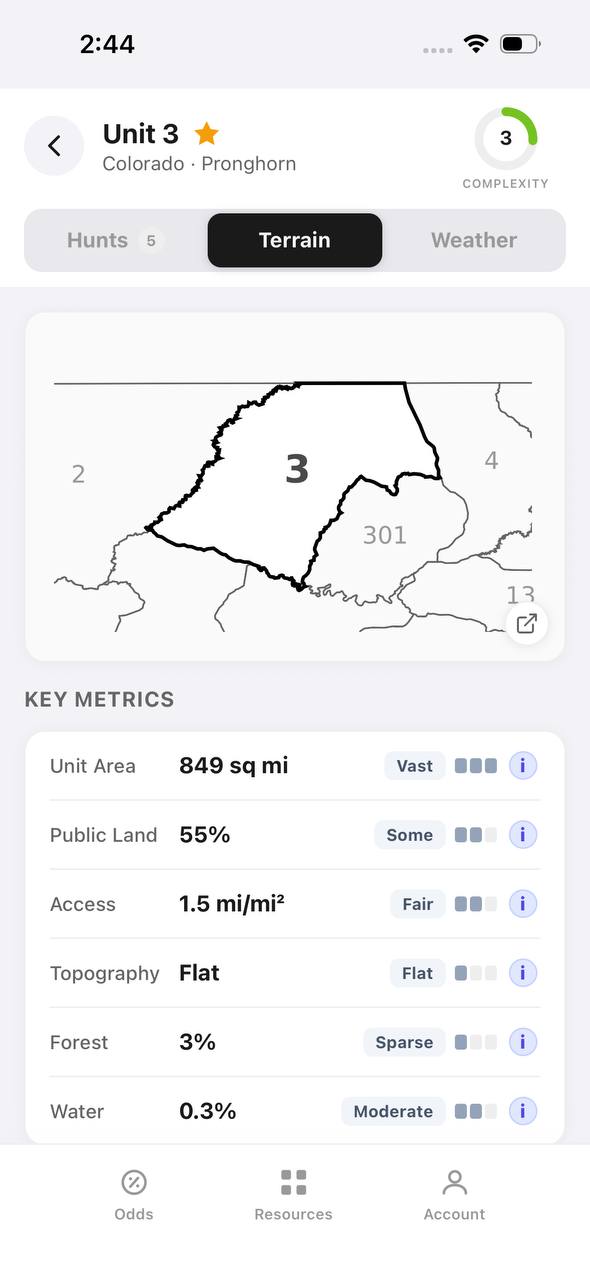
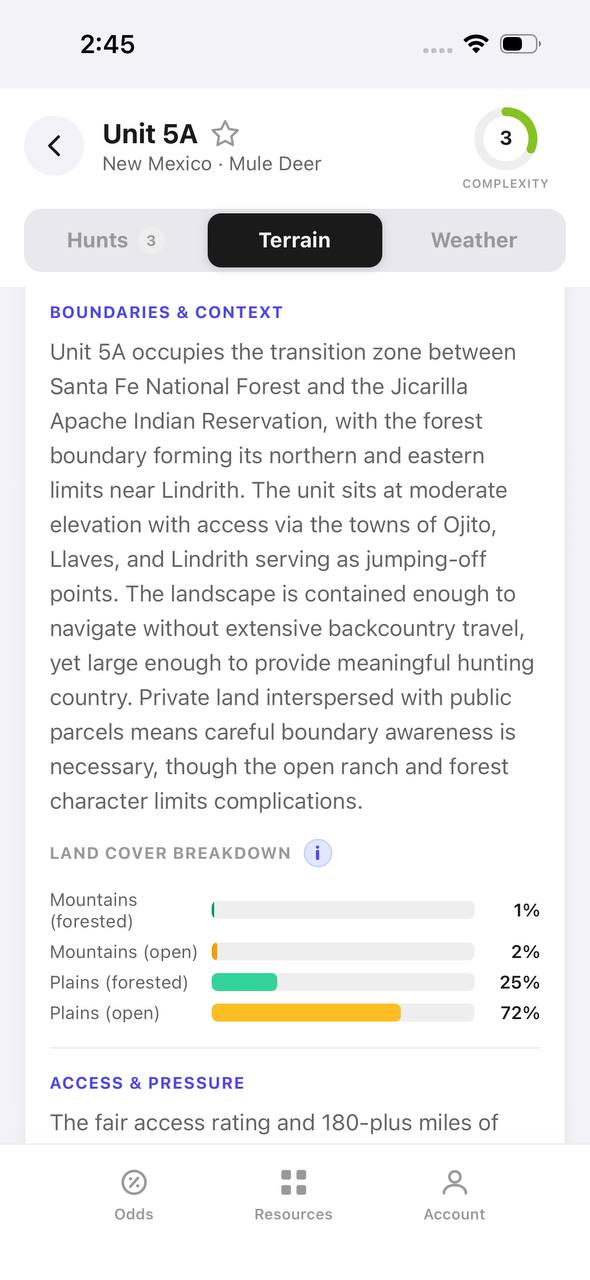
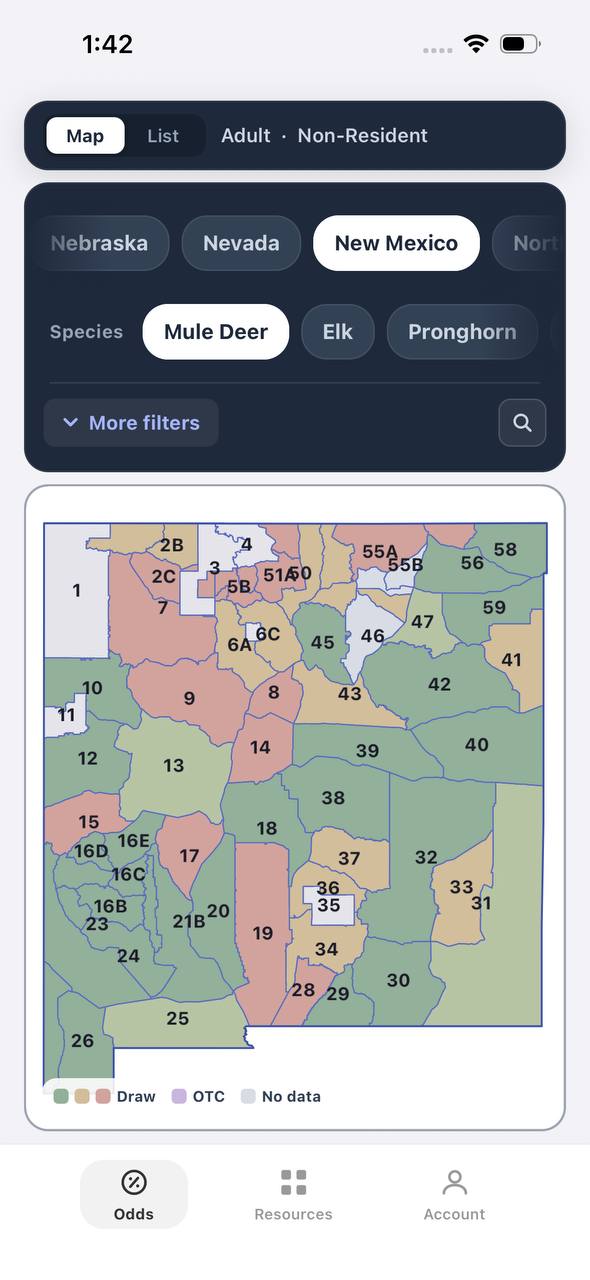
Choosing the right bow is one piece of your hunting preparation. TAGZ helps you make smarter decisions about where to hunt, when to apply, and how to maximize your draw odds across multiple states. Track your preference points and bonus points, compare units side by side using terrain maps and historical draw data, and never miss an application deadline. Whether you are chasing OTC tags or planning a once-in-a-lifetime limited-entry hunt, TAGZ gives you the tools to turn your new Mathews bow into tagged animals.
Mathews Bow Pricing and Value
Mathews bows command premium prices, typically ranging from $1,099 to $1,299 for flagship models in 2026. This positions Mathews above mid-tier manufacturers but below custom boutique brands. The value proposition rests on three pillars: American manufacturing quality, comprehensive dealer support, and resale value retention.
Mathews bows depreciate more slowly than competitors. A well-maintained three-year-old Phase4 still commands 60-70% of its original retail price on the used market. This matters for hunters who upgrade frequently or want to recoup investment when switching platforms.
Factory warranty coverage includes lifetime limb replacement for the original owner. Mathews dealers offer professional setup, tuning, and ongoing service that matters when your bow needs adjustment mid-season or fails in the field. This dealer network separates Mathews from direct-to-consumer brands that offer lower prices but limited hands-on support.
Setup and Tuning Considerations
Every Mathews bow ships ready to shoot with factory strings, cables, and basic accessories. However, optimizing performance requires professional setup and tuning specific to your draw length, arrow selection, and hunting style.
Critical setup steps:
Draw length verification: Most hunters shoot draw lengths 0.5 to 1 inch too long. Proper draw length improves accuracy and reduces fatigue during long sits or stalks.
Arrow selection: Mathews publishes recommended arrow spine charts for each model. Underspined or overspined arrows degrade accuracy and may cause dangerous dry-fire conditions.
Rest and sight installation: The Bridge-Lock system simplifies sight mounting but requires proper torque specifications. Cable-driven rests like the QAD Integrate or Hamskea Hybrid Hunter work well with Mathews cam systems.
Paper tuning and walk-back tuning: Even minor tuning errors compound at extended range. Professional bow shops perform both tests to ensure perfect arrow flight.
Broadhead tuning: Fixed-blade broadheads expose tuning flaws that field points hide. Confirm your hunting arrows group with broadheads before season.
Most Mathews dealers include basic setup in the purchase price. Advanced tuning services typically cost $50-$100 but deliver measurable accuracy improvements that matter when your tag depends on one perfect shot.
Continue Planning Your Hunt
The right bow gives you confidence when the moment arrives, but successful Western hunts require months of planning before opening day. Understanding draw odds, managing preference points across multiple states, and selecting units that match your hunting style separate tagged animals from stories about the one that got away.
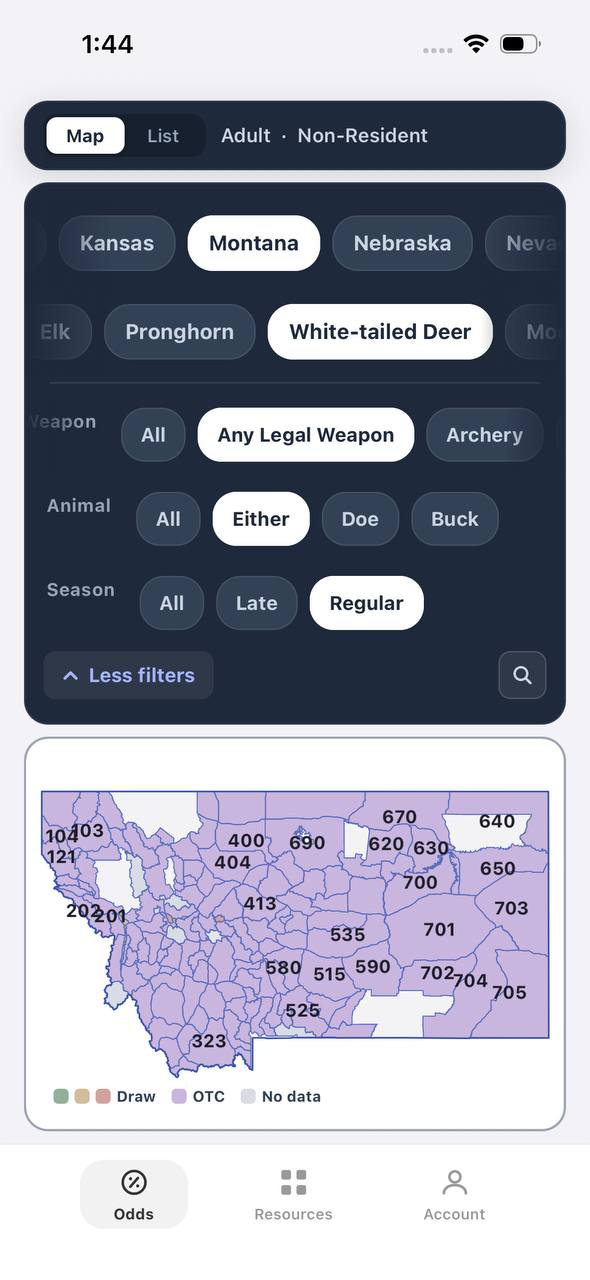
TAGZ provides the research tools Western hunters need to maximize draw opportunities and make confident unit selections. Compare units side by side using terrain maps, public land boundaries, and historical draw data. Track application deadlines across every Western state so you never miss a draw. Filter hunts by weapon, season, and species to find opportunities that match your Mathews setup.
Explore the TAGZ platform at getmytagz.com/product to see how thousands of hunters are using data to hunt smarter. Browse proven hunt strategies and unit breakdowns on the TAGZ Insights blog, or review membership options at getmytagz.com/pricing to find the plan that fits your hunting goals.
FAQ — Best Mathews Bows 2026
What is the most accurate Mathews bow for 2026?
The Phase4 38 delivers the best long-range accuracy due to its 38-inch axle-to-axle length and longer brace height, which improve forgiveness and stability at full draw. Western hunters shooting beyond 60 yards benefit most from this platform.
Which Mathews bow is best for elk hunting?
Both the Phase4 38 and V3X 33 excel for elk. The Phase4 offers superior stability for longer shots common in open Western terrain, while the V3X 33 balances accuracy with better maneuverability in timber. Either bow generates sufficient kinetic energy for complete pass-throughs with proper arrow setup.
Is the Mathews Atlas too fast to be accurate?
No, but the Atlas requires disciplined shooting form. At 350 fps and 30 inches axle-to-axle, the Atlas rewards consistent anchor points and follow-through. Shooters who practice regularly will see excellent accuracy, but the shorter platform is less forgiving than the Phase4 or V3X for inconsistent form.
How much does a new Mathews bow cost in 2026?
Mathews flagship models range from $1,099 to $1,299 depending on the model and included accessories. Prices include basic setup at most dealers. Budget an additional $300-$500 for a quality sight, rest, stabilizer, and arrows to build a complete hunting setup.
Can I use the same Mathews bow for whitetail and Western big game?
Yes. The V3X 33 and Lift 33 both handle whitetail treestand hunting and Western spot-and-stalk situations. The V3X 33 offers slightly better long-range performance for open-country mule deer and elk, while the Lift 33 excels in tight quarters and backcountry packability.
Do Mathews bows hold their value?
Yes. Mathews bows retain 60-70% of original retail value after three years when well-maintained. This makes them among the best long-term investments in the archery market and allows hunters to upgrade more affordably by selling previous models.
Was this article helpful?
Previous
Best Bear Archery Bows for Hunting in 2026
Bear Archery's 2026 lineup delivers proven performance for western big-game hunters. From the flagship Redemption EKO to budget-friendly options, these bows combine forgiveness, speed, and field-tested reliability.
Related
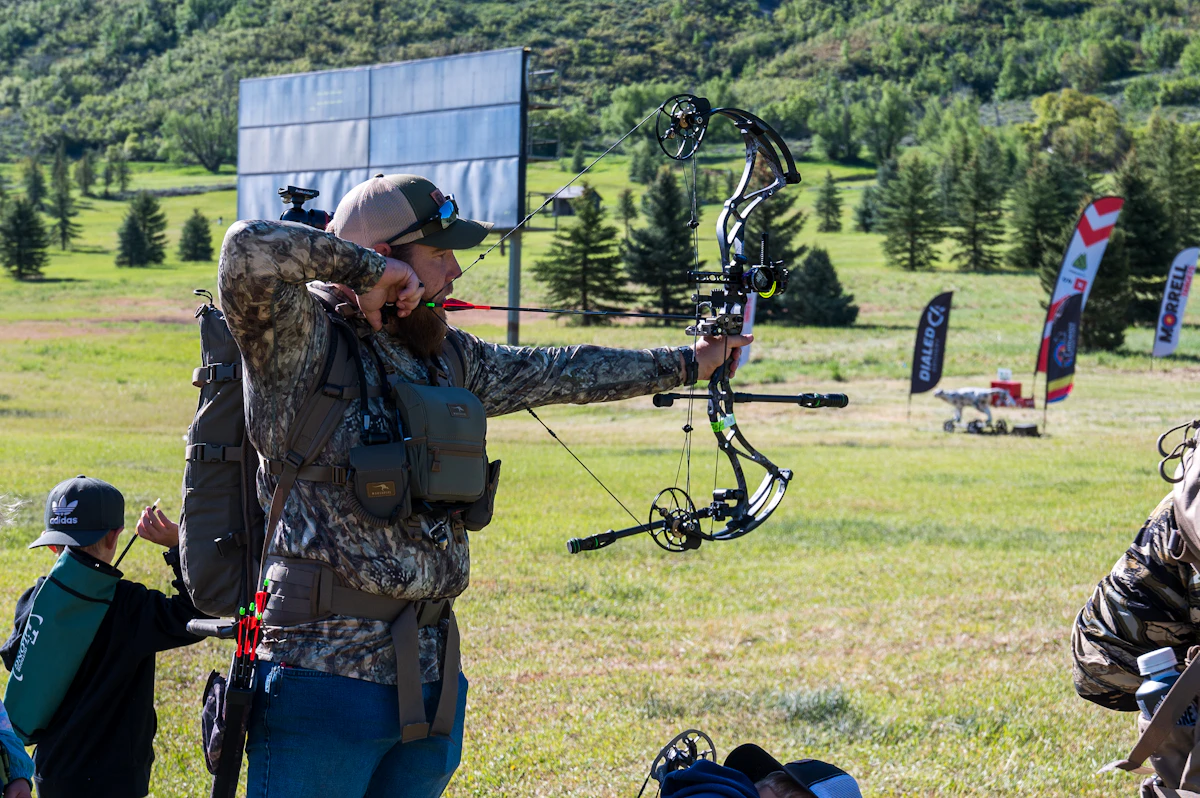
Best Hoyt Bows for Hunting in 2026: Top Picks for Western Big Game
Hoyt's 2026 lineup delivers proven accuracy and reliability for western hunters. From the flagship RX-9 to budget-friendly options, we break down which Hoyt bow fits your hunt.
Next
Hoyt vs Mathews: Which Hunting Bow Is Better in 2026?
Hoyt and Mathews dominate the hunting bow market with different philosophies—Hoyt prioritizes adjustability and durability while Mathews focuses on smooth draw cycles and quiet operation. Your choice depends on whether you value tunability or out-of-the-box performance.