Best Hoyt Bows for Hunting in 2026: Top Picks for Western Big Game
Hoyt has earned its reputation in the western hunting world by building bows that perform when it matters. Whether you are arrowing a bull at 60 yards on public land or making a tight-window shot on a bedded muley, the right bow can make the difference between punching a tag and eating one. Hoyt's 2026 lineup continues that tradition with refinements that address real-world hunting scenarios, not just range performance.
This breakdown focuses on the models that matter most for western big-game hunters — the flagship RX-9, the proven Carbon RX-8, the Alpha X-Series, and the value-oriented Torrex — along with what each brings to the field and which hunters they fit best.
Hoyt RX-9: The Flagship Built for Precision
The RX-9 represents Hoyt's top-tier offering for 2026, built around the HBX Pro Cam system that delivers a smooth draw cycle and a back wall you can lean into with confidence. The riser is machined aluminum with Hoyt's In-Line System technology, which centers the cam and limb load for improved forgiveness on less-than-perfect shots — critical when you are twisted behind a tree or drawing from an awkward sitting position.
Speed ratings sit around 340 fps IBO, competitive with other flagship models but not the fastest on the market. What the RX-9 prioritizes is accuracy and shootability. The draw cycle is dead smooth with a gentle valley, making it easier to hold at full draw during extended glassing-and-waiting scenarios. The let-off options (80% or 85%) give you flexibility based on whether you prioritize a rock-solid back wall or maximum holding comfort.
This bow excels for western hunters who value precision over raw speed. If you are the type who passes on marginal shots and waits for the perfect broadside presentation, the RX-9 rewards that discipline. It is also forgiving enough for hunters transitioning from older equipment or those who do not shoot year-round but want a bow that performs when September rolls around.
Weight and balance: At 4.4 pounds, the RX-9 is not the lightest in the class, but the balance point sits naturally in the hand. For spot-and-stalk hunts where you are covering miles with a bow in hand, that extra few ounces becomes noticeable by day three. For treestand or blind hunting, it is a non-issue.
Customization: Hoyt offers the RX-9 in multiple draw length and draw weight configurations, with a wide adjustment range that accommodates most adult hunters without needing new modules. The grip is the Hoyt X-Act grip system, which some shooters love for its low-profile design and others find too narrow. Plan on shooting one before committing if you have larger hands.
Carbon RX-8: Lightweight Performance for Backcountry Hunts
The Carbon RX-8 returns for 2026 with the same carbon fiber riser construction that cuts weight without sacrificing rigidity. At 3.9 pounds, this is Hoyt's answer to hunters who need a bow that disappears on your back during long approach hikes but still delivers downrange when you finally get within range.
Carbon fiber construction provides vibration dampening that translates to a quieter shot — a real advantage when you are hunting pressured public land elk that have heard every call and every bow twang by mid-September. The RX-8 uses the same HBX cam system as the RX-9, so you get the same smooth draw and solid back wall in a lighter package.
Speed and energy: The RX-8 pushes arrows around 335 fps IBO, slightly slower than the RX-9 due to the lighter mass weight. For most western hunting situations inside 70 yards, the difference is negligible. Where the RX-8 shines is in situations where bow weight directly impacts your effectiveness — high-country mule deer hunts above treeline, early-season elk hunts where you are covering serious elevation, or any hunt where you are packing camp on your back and every ounce counts.
Durability considerations: Carbon fiber is tough, but it does not respond to abuse the same way aluminum does. If you hunt in heavy timber where you are pushing through blowdowns or you tend to be hard on equipment, aluminum might serve you better long-term. For hunters who take care of their gear and prioritize weight savings, the RX-8 is hard to beat.
Alpha X-Series: The Workhorse for Serious Hunters
The Alpha X-Series (including the X33 and X35 models) represents Hoyt's mid-tier offering that delivers flagship-level performance at a lower price point. These bows use an aluminum riser with Hoyt's proven cam systems and are built to the same manufacturing tolerances as the RX line.
The X33 offers a 33-inch axle-to-axle measurement that balances maneuverability with stability, while the X35 stretches to 35 inches for hunters who prioritize a longer sight radius and increased forgiveness on longer shots. Both models push speeds around 330-335 fps IBO and feature let-off options up to 85%.
Value proposition: The Alpha X-Series costs several hundred dollars less than the RX-9 while delivering 90% of the performance. For hunters who shoot frequently enough to notice the difference but do not need every cutting-edge feature, this is where the value peaks. The money saved can go toward better arrows, a quality release, or upgraded optics — all of which impact your success rate more than the marginal gains from a flagship bow.
Who should choose the X-Series: If you are hunting multiple species across multiple states each year and your bow sees regular field use, the X-Series holds up to that workload without the premium price. It is also a strong choice for hunters who are upgrading from budget bows and want to step into Hoyt quality without committing to flagship pricing.
Torrex: Budget-Friendly Entry Point
The Torrex is Hoyt's answer to hunters who want the Hoyt name and build quality without the flagship price tag. This bow uses a simplified cam system and a more basic riser design, but it still delivers accuracy and reliability for hunters on a budget.
Speed sits around 320 fps IBO, which is adequate for western hunting inside 60 yards but leaves less margin for error on longer shots or less-than-perfect shot placement. The draw cycle is functional but not as refined as the RX or Alpha series — you will notice more hump in the draw and a slightly less defined back wall.
Best use case: The Torrex works for hunters who are new to archery, shoot primarily during hunting season, or need a second bow for loaner purposes. It is also a solid choice for younger hunters who are still growing and will outgrow draw length or draw weight within a few years. Spending flagship money on a bow you will replace in two seasons makes less sense than starting with the Torrex and upgrading once your shooting form and physical development stabilize.
Free to join
Download mobile app
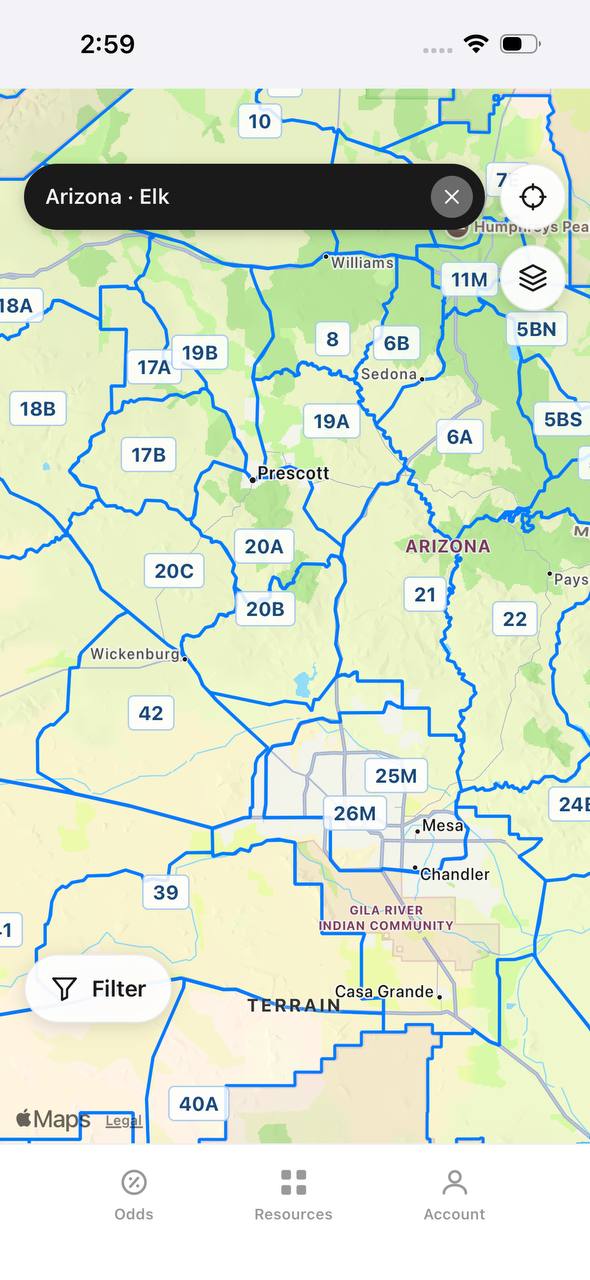
- Detailed draw odds
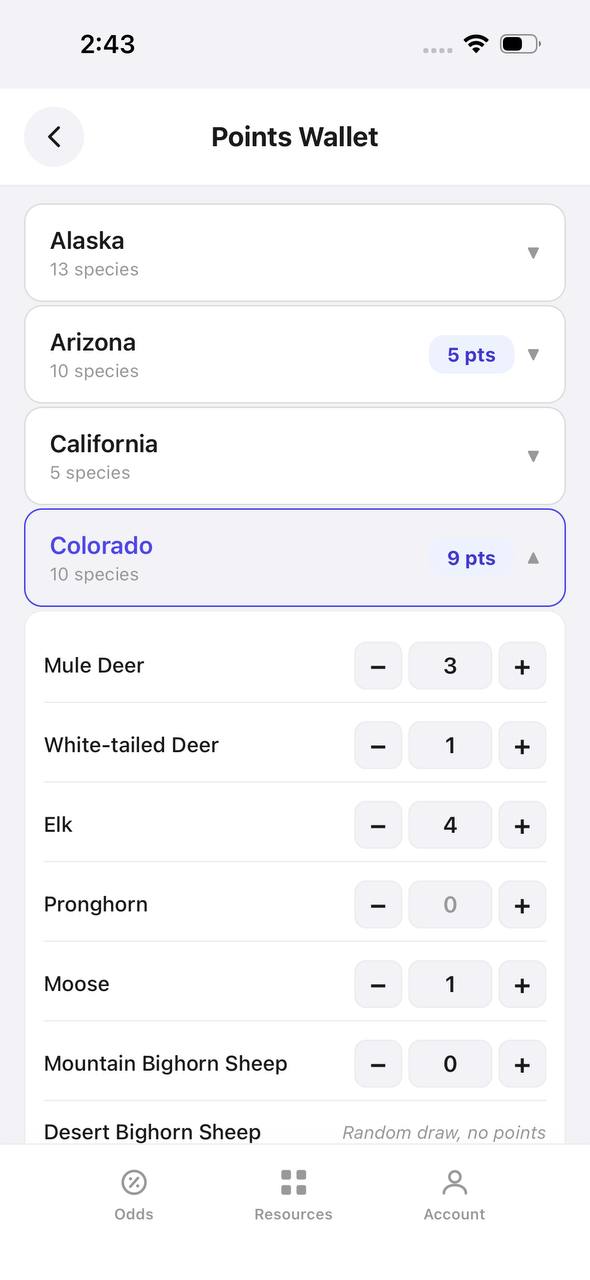
- Point tracking
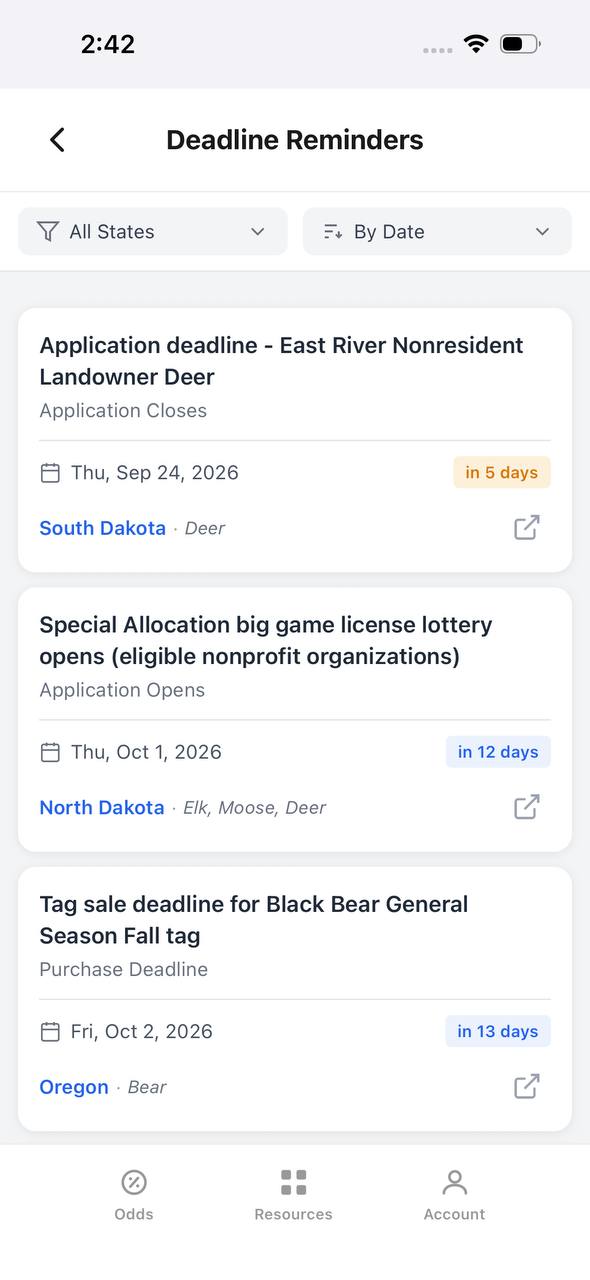
- Deadline reminders
- 18 states covered

Free to join
Download mobile app
- Detailed draw odds
- Point tracking
- Deadline reminders
- 18 states covered
Free to join
Download mobile app
- Detailed draw odds
- Point tracking
- Deadline reminders
- 18 states covered

Choosing Based on Your Hunting Style
Your hunting style should drive your bow choice more than specs on paper. A spot-and-stalk mule deer hunter covering 10 miles a day values weight savings differently than a treestand whitetail hunter who walks 200 yards to the stand. An elk hunter who calls bulls into 20 yards needs maneuverability in tight timber, while a pronghorn hunter taking 70-yard shots on the open prairie prioritizes a longer axle-to-axle measurement for stability.
For backcountry hunters: The Carbon RX-8 delivers the weight savings that matter when you are at 10,000 feet on day five of a sheep hunt. The reduced mass weight also makes it easier to shoot accurately when you are gassed from the climb.
For all-around western hunters: The RX-9 or Alpha X-Series provide the best balance of accuracy, forgiveness, and versatility. These bows perform equally well on a September elk hunt and a November whitetail sit, and they hold value better if you decide to upgrade down the line.
For hunters on a budget: The Torrex or a used Alpha X-Series from the previous model year gives you Hoyt reliability without stretching your wallet. The archery industry refreshes models annually, but a well-maintained two-year-old bow shoots just as accurately as the current flagship.
Setup and Tuning Considerations
Even the best bow requires proper setup to perform in the field. Hoyt bows ship with factory specs that get you close, but final tuning makes the difference between good groups and great groups.
Arrow selection matters: Hoyt bows are forgiving, but they still reward proper arrow spine and total arrow weight. For western big game, aim for a finished arrow weight of 450-500 grains minimum. Heavier arrows (500-550 grains) deliver better penetration on elk and moose, while lighter setups (425-450 grains) work for deer and pronghorn where flat trajectory matters more than bone-crushing energy.
Sight setup: A single-pin slider sight pairs well with the longer Alpha X35 or RX-9 for maximum accuracy at varying distances. Multi-pin fixed sights work better on shorter axle-to-axle bows like the X33 or in thick timber where quick shooting opportunities are common. Whichever system you choose, practice out to 80 yards even if you limit shots to 60 — knowing your equipment's capabilities builds confidence when a 50-yard shot presents itself.
Release and trigger: A quality release matters more than many hunters realize. A thumb-button release with adjustable trigger travel gives you control over the shot execution and reduces the tendency to punch the trigger on high-pressure shots. Back-tension releases eliminate target panic issues but require more practice to master.
Accessories That Matter
Hoyt bows are sold bare or as packages that include basic accessories. In most cases, upgrading key components delivers better field performance than the stock package.
Stabilizers: A quality stabilizer system (front bar plus side bar or V-bar configuration) reduces pin float and absorbs shot vibration. For western hunting, a front bar in the 8-10 inch range balances weight savings with effectiveness. Longer bars improve accuracy on the range but become cumbersome when stalking through timber.
Rests: The drop-away rest is standard for hunting setups. Models with silent operation and full arrow containment prevent issues when drawing down on game. The rest should drop completely out of the way before the arrow clears the riser — partial contact causes erratic flight and wasted opportunities.
Sights: Budget $200-400 for a quality hunting sight with micro-adjustments, a solid mounting system, and a pin size that matches your shooting distances. .019 or .010 pins work for most western hunting, with larger pins for low-light situations and smaller pins for maximum precision at longer distances.
Maintenance for Long-Term Performance
Hoyt bows are built to last, but proper maintenance extends their lifespan and prevents field failures. Check string and cable wear every 30 days during hunting season. Look for fraying, separation, or worn serving at contact points. Replace strings and cables every two years or sooner if you shoot frequently — a $150 string replacement beats a blown string on a bull at 40 yards.
Limb inspection: Check limb pockets and limb bolts for cracks or loosening. Hoyt limbs are durable, but hard impacts from truck beds or falls can create stress fractures that fail under draw weight. If you notice any cracking or splintering, retire the bow immediately.
Cam timing: Cams can slip out of time over the course of a season, especially if you adjust draw length or draw weight mid-season. A bow press and 20 minutes with a qualified bow technician gets you back to factory specs. Out-of-time cams cause poor arrow flight and wasted practice sessions chasing groups that will never tighten.
How TAGZ Helps You Make the Most of Your Equipment
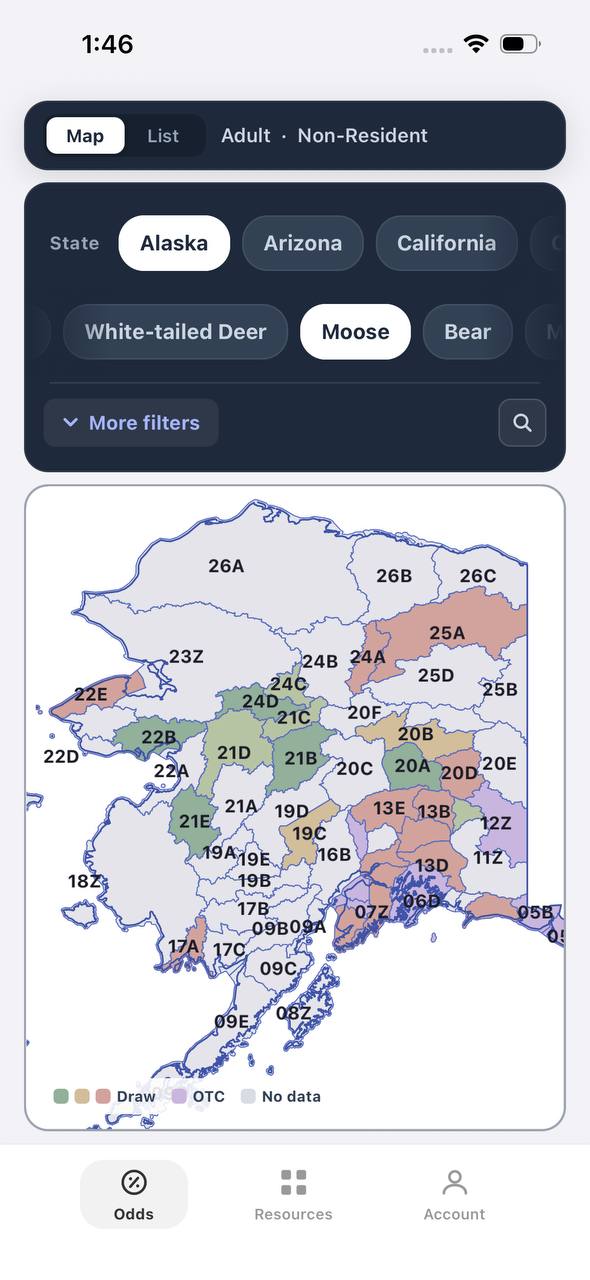
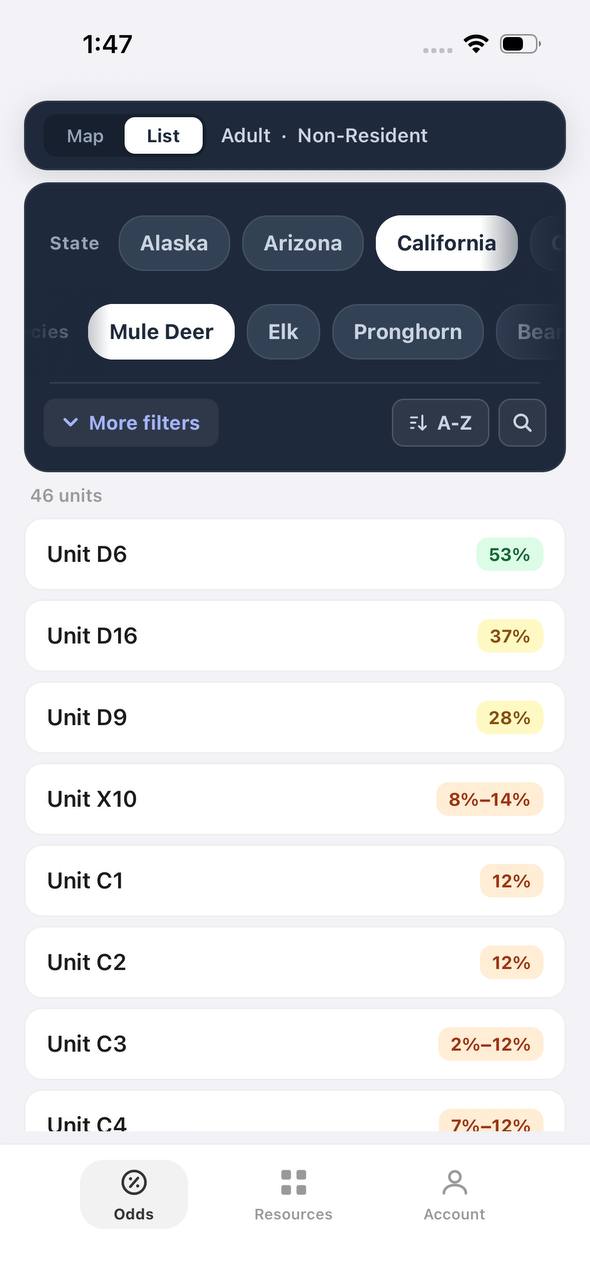
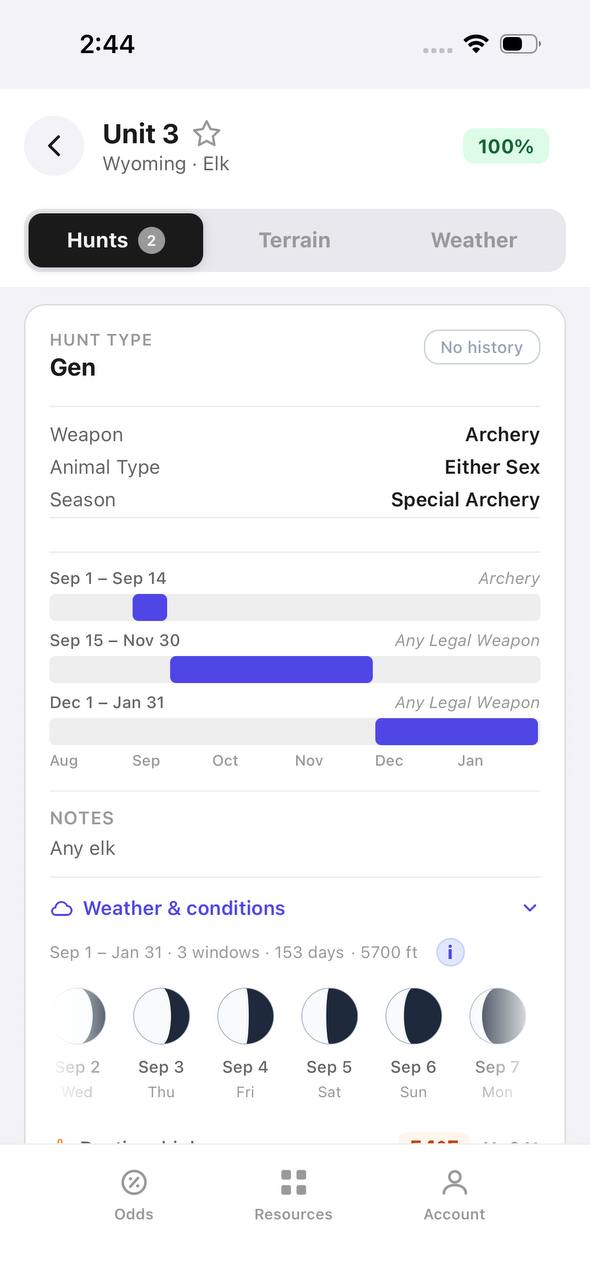
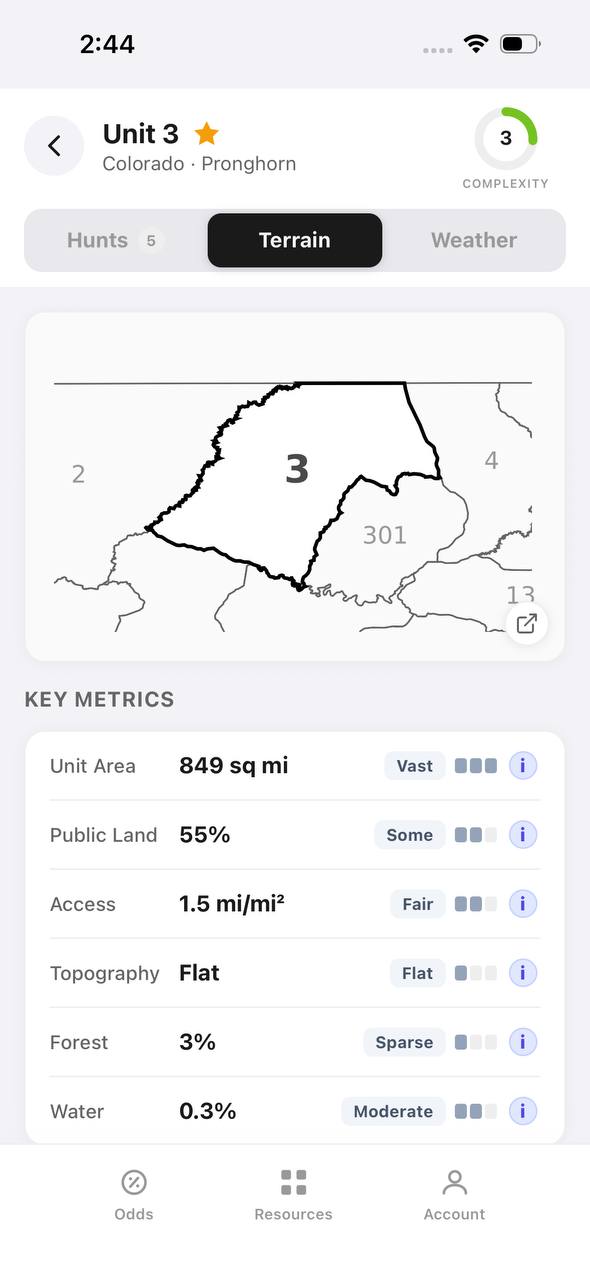
The bow you choose matters, but so does the hunt you are planning. TAGZ helps western hunters research units, compare draw odds, and track preference points across multiple states so you can focus on hunts that match your equipment and skill level. Whether you are chasing OTC elk tags in Colorado or building points for a limited-entry mule deer hunt in Nevada, TAGZ gives you the tools to plan smarter hunts that put you in position to use that new Hoyt bow on a punched tag.
Track draw deadlines, compare units side by side using terrain maps and historical success data, and filter hunts by weapon type, season, and species. The platform organizes your multi-state application strategy so you never miss a deadline or waste points on units that do not match your hunting style. When you have invested in quality equipment, hunting the right units at the right time maximizes your return on that investment.
FAQ — Hoyt Bows for Hunting
What is the best Hoyt bow for elk hunting?
The RX-9 and Carbon RX-8 both excel for elk. The RX-9 offers slightly better accuracy for longer shots, while the Carbon RX-8 saves weight on backcountry hunts. Either model delivers the penetration and accuracy needed for quartering-away shots on heavy-bodied bulls.
Are Hoyt bows worth the extra cost compared to budget brands?
Yes, if you hunt regularly and value reliability. Hoyt bows hold resale value better, require less tuning to maintain accuracy, and are backed by better customer service. For hunters who shoot once a year, a budget bow might suffice. For those hunting multiple states or species, Hoyt quality pays off.
How fast should my bow be for western hunting?
Speed above 320 fps IBO is adequate for most western hunting inside 70 yards. Faster bows (340+ fps) flatten trajectory and reduce pin gaps, but accuracy and kinetic energy matter more than raw speed. A 500-grain arrow at 280 fps penetrates better than a 400-grain arrow at 340 fps.
Can I hunt with a used Hoyt bow or should I buy new?
Used Hoyt bows from recent years (2022-2025 models) perform nearly identically to 2026 models and cost 30-40% less. Inspect limbs and cams for damage, replace strings and cables, and have a shop verify draw weight and cam timing. A well-maintained used Hoyt often outperforms a new budget bow.
What draw weight do I need for elk?
Most western states require 40 pounds minimum for big game. A 60-70 pound draw weight is ideal for elk, providing enough energy for complete pass-throughs on quartering shots without requiring Olympic-level strength. Shoot the heaviest draw weight you can handle accurately for 20+ shots in a practice session.
How often should I replace my bow strings?
Every two years for regular shooters, sooner if you notice fraying or serving separation. Strings lose elasticity over time even without visible damage, which affects arrow speed and consistency. Mark your calendar when you install new strings so you remember the replacement schedule.
Continue Planning Your Hunt
Choosing the right bow is one piece of a successful western hunt. The other piece is choosing the right unit and timing your application correctly. TAGZ helps hunters compare draw odds, research terrain, and track points across every western state so you can hunt units that match your equipment and skill level. Whether you are building points for a trophy unit or chasing OTC opportunities this fall, the platform gives you the data to make smarter decisions. Explore the TAGZ product at https://www.getmytagz.com/product to see how the platform simplifies multi-state hunt planning, or check the pricing options at https://www.getmytagz.com/pricing to find the plan that fits your hunting goals. For more western hunting insights, visit the TAGZ blog at https://www.getmytagz.com/insights or start planning your next hunt at https://www.getmytagz.com/.
Was this article helpful?
Previous
Best Bear Archery Bows for Hunting in 2026
Bear Archery's 2026 lineup delivers proven performance for western big-game hunters. From the flagship Redemption EKO to budget-friendly options, these bows combine forgiveness, speed, and field-tested reliability.
Related
Best Mathews Bows for Hunting in 2026: Top Models Compared
Mathews continues to dominate the bowhunting world in 2026 with flagship models that balance forgiveness, speed, and silent operation. From the all-new Phase4 38 to the compact Lift 33, we break down which Mathews bow fits your hunting style and budget.
Next
Hoyt vs Mathews: Which Hunting Bow Is Better in 2026?
Hoyt and Mathews dominate the hunting bow market with different philosophies—Hoyt prioritizes adjustability and durability while Mathews focuses on smooth draw cycles and quiet operation. Your choice depends on whether you value tunability or out-of-the-box performance.