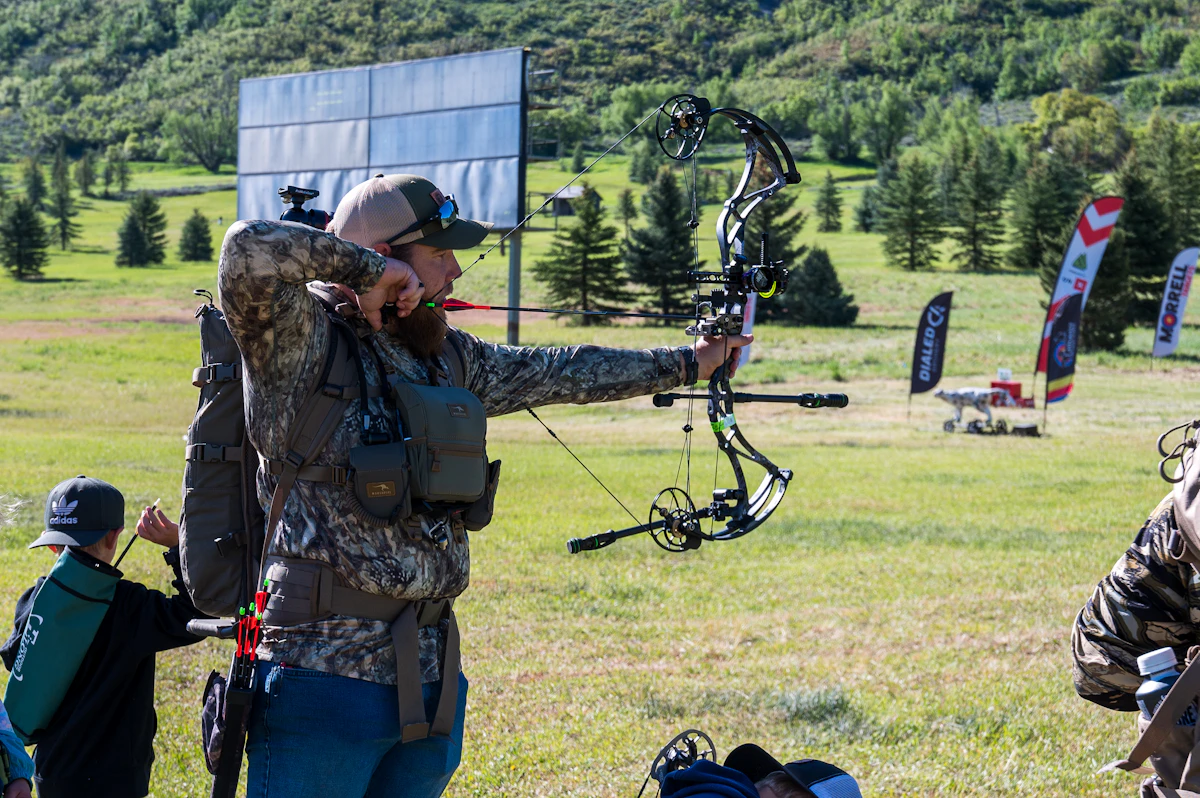
Prime and Mathews represent two of the most respected names in hunting bows, and both deliver flagship models capable of taking any North American game. The question is not which brand builds a better bow in absolute terms, but which design philosophy matches your shooting style, physical abilities, and hunting situations. Prime bows are known for incredibly smooth draw cycles, aggressive valley control, and modular adjustability. Mathews bows emphasize refinement, forgiveness, and a shooting experience that feels effortless even under pressure. Understanding these core differences will help you choose the platform that performs best when a bull steps into the clearing at 40 yards.
Flagship models for 2026
Prime's 2026 flagship is the Nexus 7, a parallel-limb single-cam bow with a 33-inch axle-to-axle measurement and a brace height of 7 inches. The Nexus 7 uses Prime's Swerve Cam system, which delivers a buttery draw with a firm back wall and minimal hand shock. Advertised IBO speed sits at 340 fps, which puts it in the high-performance category without sacrificing shootability. The bow is also highly adjustable, with modules that allow draw length changes without a bow press and let-off options ranging from 80% to 85%.
Mathews counters with the Phase4 35, a 35-inch axle-to-axle bow built around the brand's Crosscentric Cam system. The longer axle-to-axle length creates a forgiving platform that is stable at full draw and easier to shoot accurately under field conditions. Advertised IBO speed is 343 fps, slightly faster than the Nexus 7, though real-world speeds with hunting setups are nearly identical. The Phase4 35 features Mathews' signature Engage Grip, which reduces torque and improves shot consistency. The bow also includes the Silent Connect System, which dampens vibration and noise better than most competitors.
Both bows weigh around 4.5 pounds bare and accept standard accessories. Neither platform gives up anything in terms of build quality or component selection. The differences come down to how they feel in your hands and how they perform during the shot sequence.
Draw cycle and shootability
Prime bows are famous for their draw cycles, and the Nexus 7 lives up to that reputation. The Swerve Cam pulls smoothly from the start, builds resistance gradually through the middle of the draw, and then drops into a deep valley with a rock-solid back wall. The transition into the valley is more pronounced than most Mathews bows, which gives you clear feedback about where you are in the draw cycle. Shooters who like to feel the bow work and appreciate a defined stopping point will prefer this design. The firm back wall also makes it easier to anchor consistently, which improves accuracy in high-pressure situations.
Mathews bows, by contrast, emphasize a seamless draw that feels effortless. The Crosscentric Cam on the Phase4 35 does not have the dramatic valley drop of the Swerve Cam. Instead, it transitions smoothly into the holding position without a hard stop. The back wall is present but softer, and the overall experience feels more refined. Some shooters describe the Mathews draw as almost invisible, meaning the bow does not demand attention during the draw cycle. This can be an advantage in spot-and-stalk situations where you need to draw quickly and quietly without overthinking the mechanics.
Neither approach is objectively better. If you value tactile feedback and a firm stopping point, Prime delivers. If you prefer a draw that gets out of the way and lets you focus entirely on aiming, Mathews is the better choice.
Speed, energy, and trajectory
Both bows deliver similar real-world performance when set up with hunting arrows in the 450-grain range. The Phase4 35 has a slight edge in advertised speed, but the Nexus 7 is efficient enough that the difference disappears once you account for arrow weight and draw length variations. At typical western hunting distances of 40 to 60 yards, neither bow gives you a meaningful advantage in trajectory.
What matters more is energy delivery. Both platforms push arrows well over 70 foot-pounds of kinetic energy at 40 yards, which is more than enough for elk-sized game with a well-placed shot. The parallel-limb design on both bows reduces vibration and hand shock, which makes them pleasant to shoot during practice sessions and keeps noise levels low in the field. Neither bow suffers from accuracy problems caused by excessive vibration or torque.
If speed is your primary concern, the Phase4 35 technically wins, but the margin is small enough that most hunters will not notice a difference in the field. Focus instead on which bow you shoot more accurately under real hunting conditions.
Forgiveness and accuracy
The Phase4 35 has a clear advantage in forgiveness. The 35-inch axle-to-axle measurement creates a longer sight radius, which makes it easier to hold steady at full draw and reduces the impact of small errors in form. The longer brace height (7.125 inches versus 7 inches on the Nexus 7) also provides more margin for error if your release execution is not perfect. Hunters who struggle with target panic or who shoot better with a forgiving platform will find the Phase4 35 easier to master.
The Nexus 7 is more compact, which makes it easier to maneuver in thick cover and tight shooting situations. The shorter axle-to-axle measurement does not make the bow less accurate, but it does require cleaner form to achieve the same level of consistency. Experienced shooters who have solid fundamentals will not notice a difference, but newer bowhunters may find the Phase4 35 more forgiving during the learning curve.
Both bows benefit from modern grip designs that reduce torque. Prime's GripLock system allows you to adjust the grip angle, which helps you find the most natural hand position. Mathews' Engage Grip is fixed but designed to promote consistent hand placement and minimize torque. Neither grip is objectively better, but the adjustability of the GripLock system gives Prime an edge if you have specific hand size or wrist angle preferences.

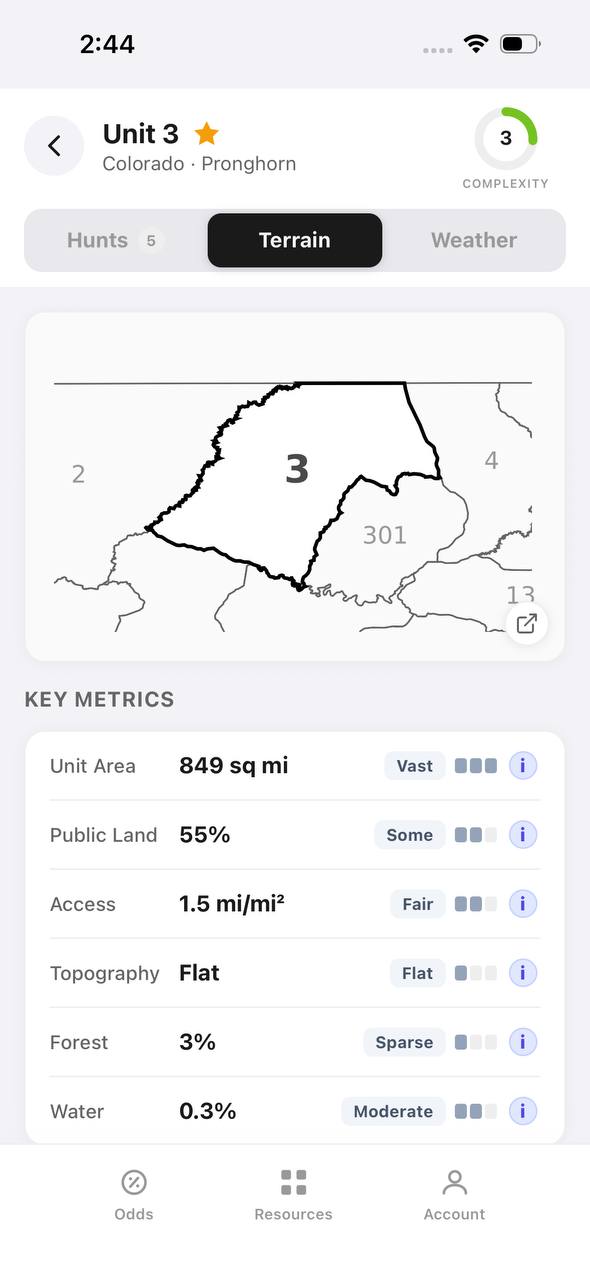
Free to join
Download mobile app
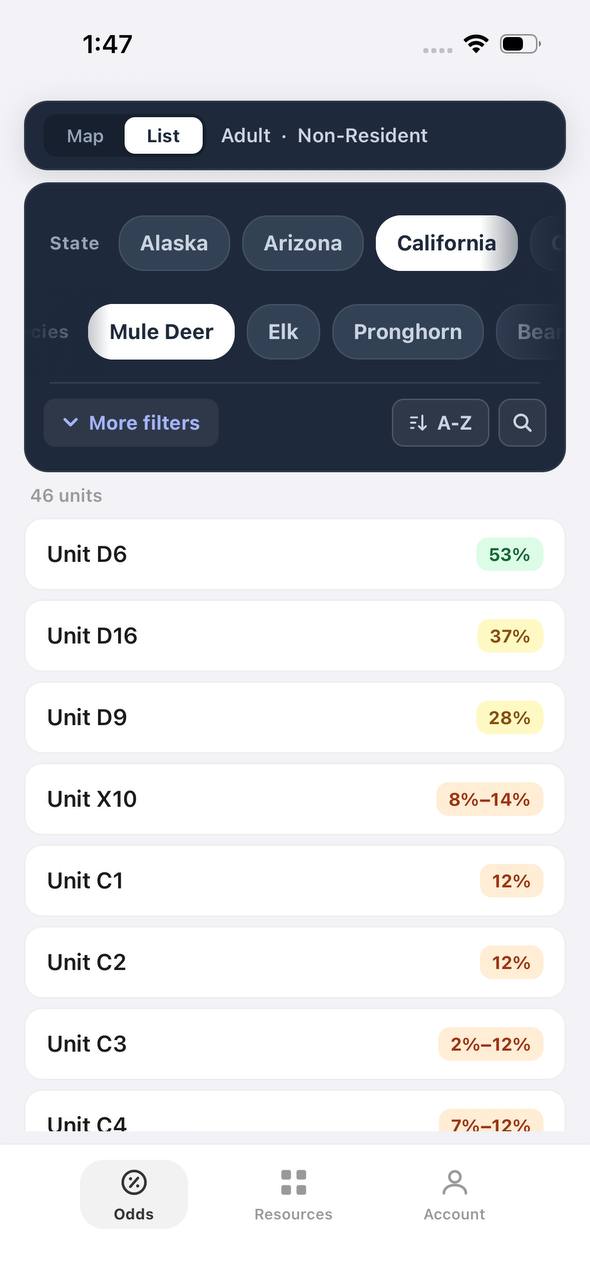
- Detailed draw odds
- Point tracking
- Deadline reminders
- 18 states covered



Free to join
Download mobile app
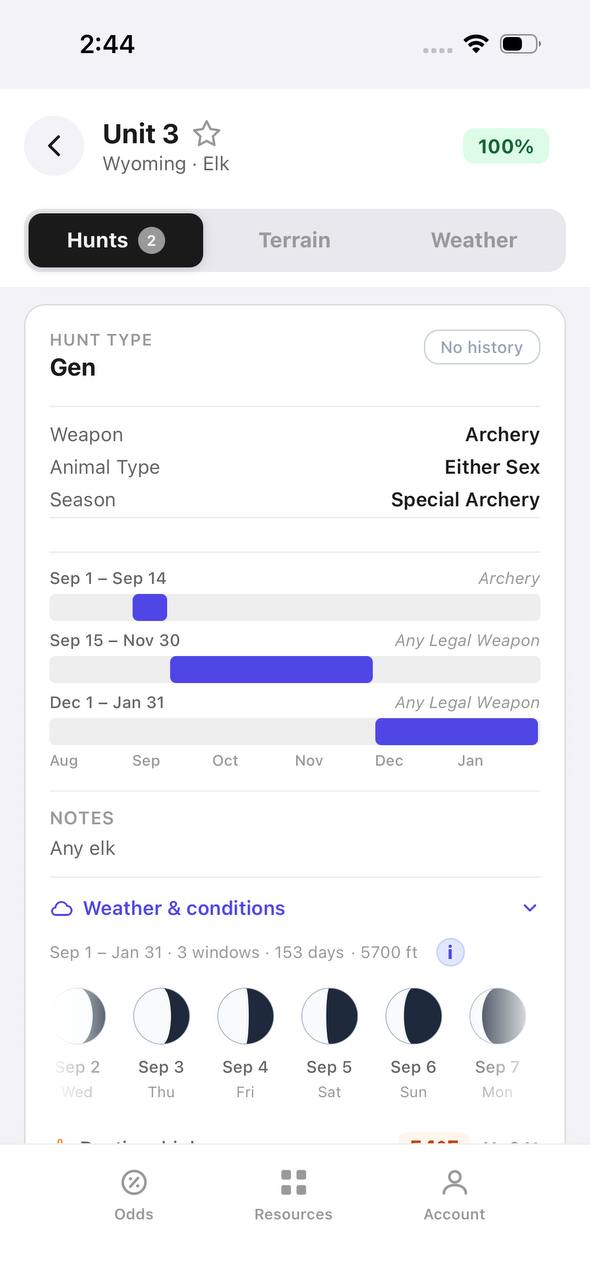
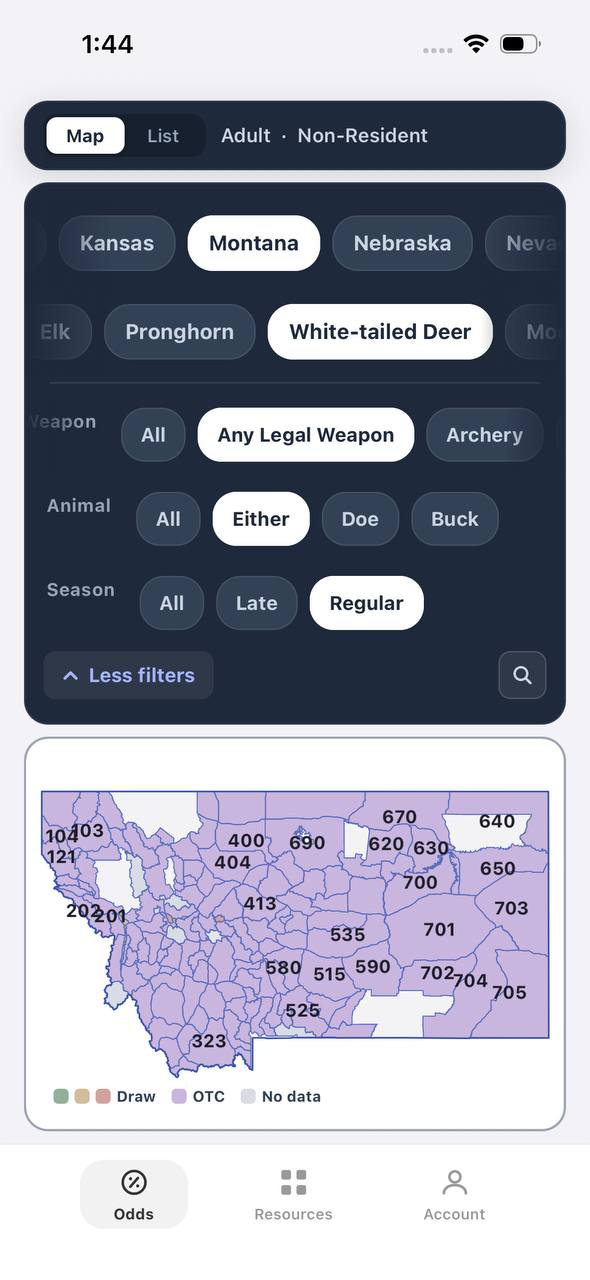
- Detailed draw odds
- Point tracking
- Deadline reminders
- 18 states covered
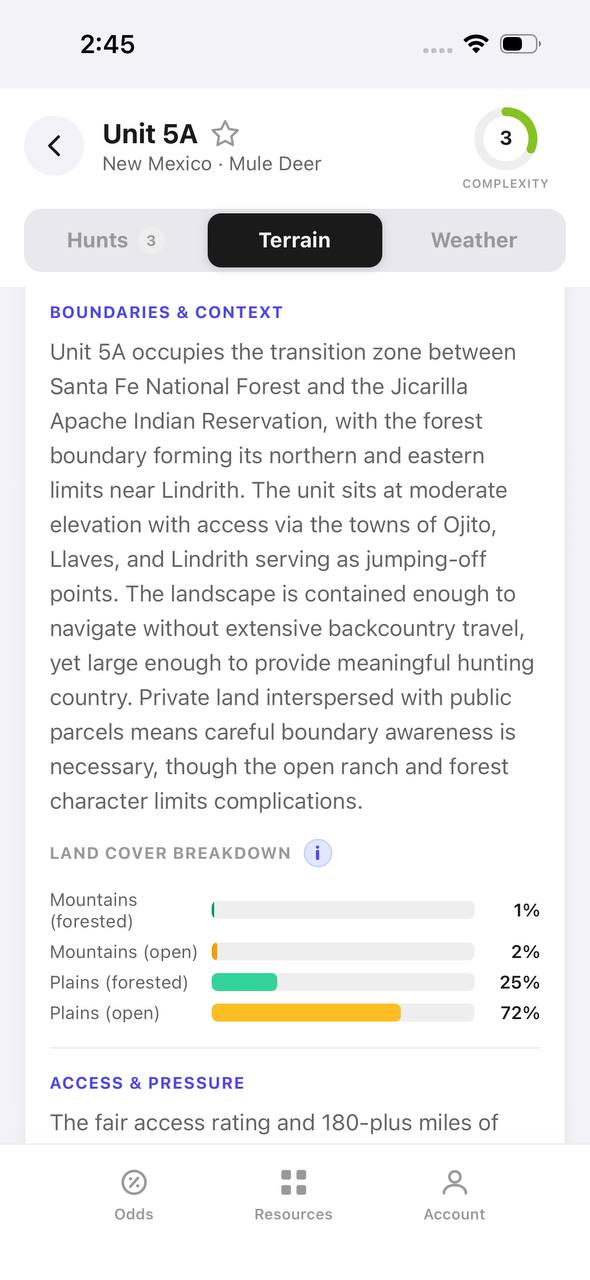

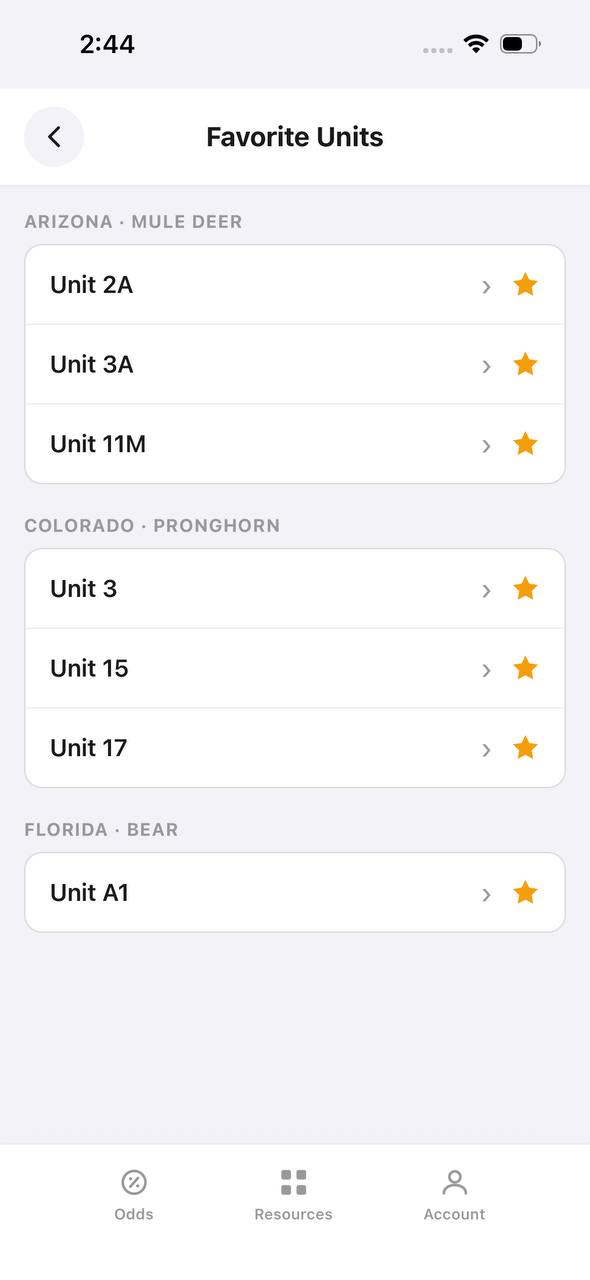

Free to join
Download mobile app
- Detailed draw odds
- Point tracking
- Deadline reminders
- 18 states covered

Adjustability and customization
Prime bows are built for adjustability. The Nexus 7 uses a modular cam system that allows draw length changes without a bow press, which is a significant advantage if you share your bow with other hunters or if your draw length changes over time due to injury or form adjustments. The let-off is also adjustable, which lets you fine-tune the holding weight to match your shooting style. Hunters who value the ability to tweak and customize their setup will appreciate this level of control.
Mathews bows are less modular but still offer reasonable adjustment ranges. The Crosscentric Cam requires a bow press to change draw length modules, which is standard for most high-performance bows. The let-off is fixed at 80%, which works for the majority of hunters but does not give you the flexibility to experiment with different holding weights. The trade-off is that Mathews bows tend to feel more dialed-in out of the box, with less need for tinkering to achieve good performance.
If you like to experiment with different setups or if you need a bow that can adapt to changing circumstances, Prime gives you more options. If you prefer a bow that shoots well with minimal adjustment and does not require constant tuning, Mathews is the better fit.
Noise and vibration
Both bows are exceptionally quiet when properly tuned and equipped with quality accessories. The Nexus 7 uses Prime's Centergy Stabilization System, which isolates the riser from vibration and reduces felt recoil. The Silent Connect System on the Phase4 35 performs a similar function, dampening string vibration before it reaches the riser. In side-by-side testing, most hunters cannot detect a meaningful difference in noise levels between the two platforms.
What matters more is how the bow is set up. A poorly tuned bow with cheap accessories will be louder than a well-tuned bow regardless of brand. Both Prime and Mathews provide solid foundations for a quiet hunting setup, but you will still need to invest in a good string stop, quality limb dampeners, and a properly weighted stabilizer to achieve the best results.
Price and value
Both bows are premium products with premium price tags. The Nexus 7 retails for around $1,299, while the Phase4 35 retails for around $1,199. Neither bow is a budget option, but both deliver performance that justifies the cost if you are serious about bowhunting. The resale market for both brands is strong, which means you can recoup a reasonable percentage of your investment if you decide to upgrade or switch platforms in the future.
Accessory costs are similar for both bows. Neither brand requires proprietary components, so you can use standard sights, rests, stabilizers, and releases. The main cost difference is in tuning and maintenance. Prime bows are easier to adjust at home, which can save you money on pro shop fees if you are comfortable making your own draw length changes. Mathews bows typically require a bow press for most adjustments, which means more trips to the pro shop unless you have your own press.
Which bow is better for western hunting?
If you hunt in steep, brushy terrain where maneuverability matters, the Nexus 7's compact design and smooth draw cycle give it an edge. The adjustability also makes it a better choice if you plan to use the bow in multiple situations or if you want the flexibility to experiment with different setups. The firm back wall and defined valley make it easier to anchor consistently under pressure, which is a significant advantage during high-stress encounters with elk or other game.
If you prioritize forgiveness and want a bow that feels effortless to shoot, the Phase4 35 is the better choice. The longer axle-to-axle measurement and longer brace height create a more forgiving platform that is easier to shoot accurately, especially at longer distances. The refined draw cycle and softer back wall make it easier to stay calm and focused during the shot sequence, which can improve accuracy when a bull is bugling 50 yards away.
Both bows are capable of taking any western big game animal with proper shot placement. The choice comes down to personal preference and shooting style. Spend time shooting both platforms if possible, and pay attention to how each bow feels during the draw cycle and at full draw. The bow that feels most natural in your hands is the one that will perform best when it matters most.
FAQ — Prime vs Mathews Bows
Which bow has a smoother draw cycle?
Prime bows are known for exceptionally smooth draw cycles with a firm back wall and deep valley. Mathews bows also draw smoothly but with a softer back wall and more seamless transition into the valley.
Is the Mathews Phase4 35 more forgiving than the Prime Nexus 7?
Yes. The Phase4 35's longer 35-inch axle-to-axle measurement and longer brace height create a more forgiving platform that is easier to shoot accurately, especially for hunters with less experience.
Can you adjust Prime bows without a bow press?
Yes. Prime bows use a modular cam system that allows draw length changes without a bow press, which is a significant advantage for hunters who need flexibility or who share their bow with others.
Which bow is quieter?
Both bows are exceptionally quiet when properly tuned. The Prime Nexus 7 uses the Centergy Stabilization System, while the Mathews Phase4 35 uses the Silent Connect System. Real-world noise levels are nearly identical.
Which bow is better for elk hunting?
Both bows deliver more than enough speed and energy for elk. The Prime Nexus 7 is more compact and maneuverable in thick cover, while the Mathews Phase4 35 is more forgiving at longer distances. Choose based on your hunting style and shooting preference.
Do Prime and Mathews bows hold their value?
Yes. Both brands have strong resale markets, and you can typically recoup 50% to 70% of your original investment if you sell a bow in good condition after a few seasons.
Was this article helpful?
Previous
Best Bear Archery Bows for Hunting in 2026
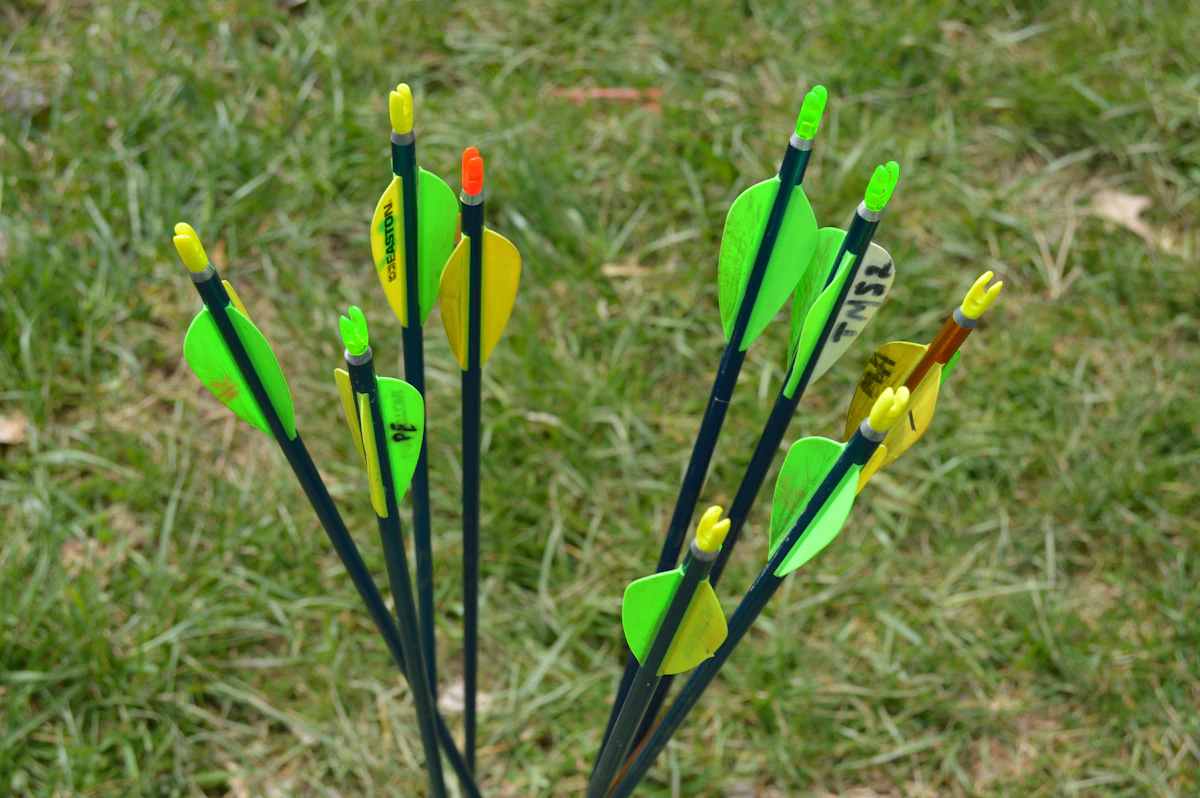
Bear Archery's 2026 lineup delivers proven performance for western big-game hunters. From the flagship Redemption EKO to budget-friendly options, these bows combine forgiveness, speed, and field-tested reliability.
Related
Best Hoyt Bows for Hunting in 2026: Top Picks for Western Big Game
Hoyt's 2026 lineup delivers proven accuracy and reliability for western hunters. From the flagship RX-9 to budget-friendly options, we break down which Hoyt bow fits your hunt.
Next
Best Mathews Bows for Hunting in 2026: Top Models Compared
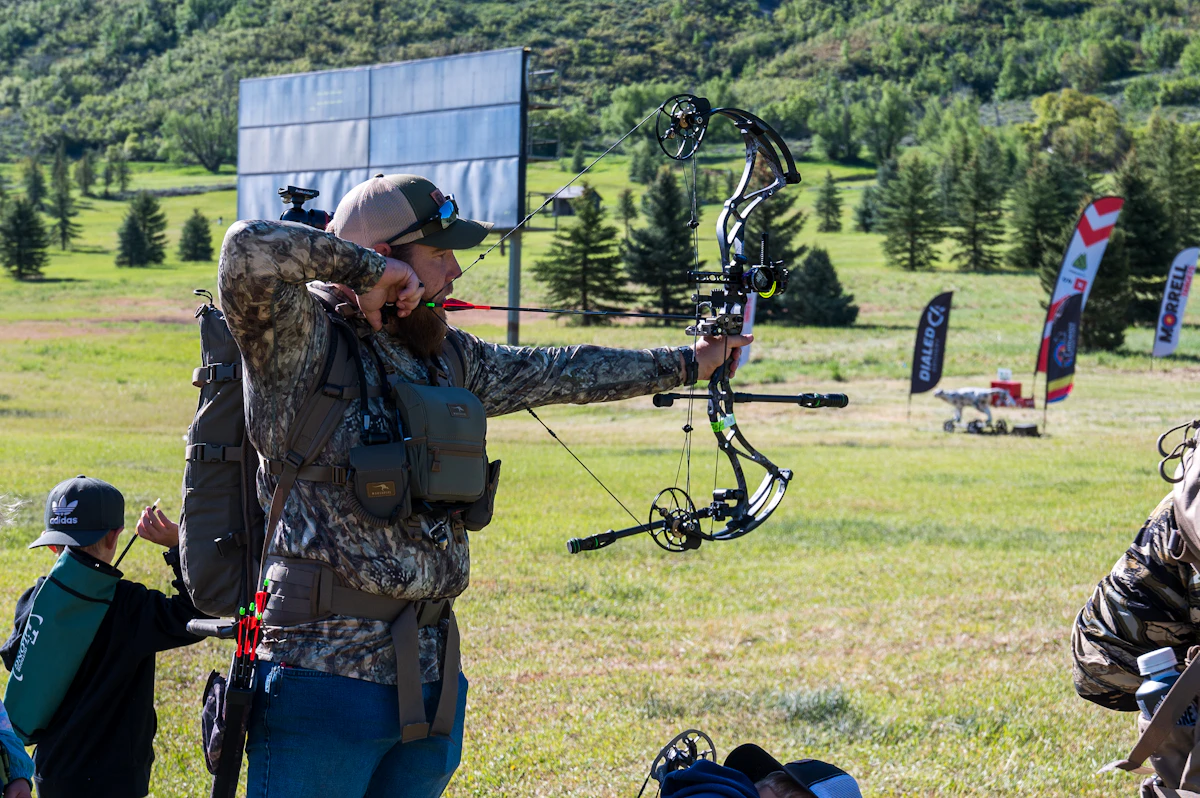
Mathews continues to dominate the bowhunting world in 2026 with flagship models that balance forgiveness, speed, and silent operation. From the all-new Phase4 38 to the compact Lift 33, we break down which Mathews bow fits your hunting style and budget.