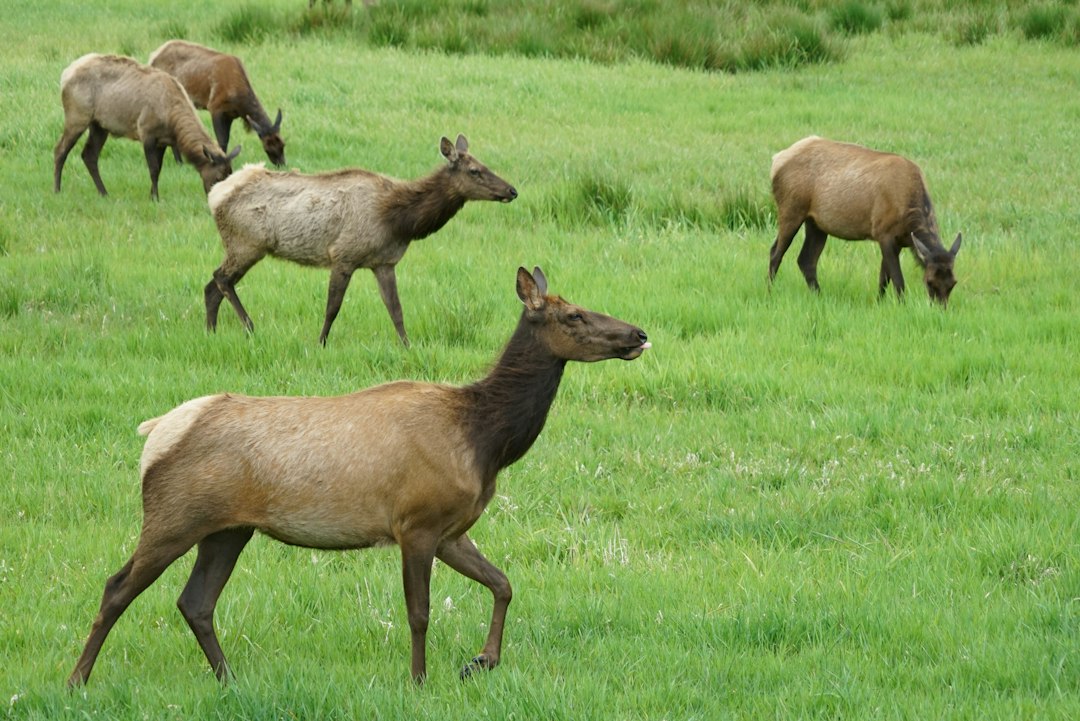
Oregon Guided Mule Deer Hunts 2027: Points, Tags & Costs

Oregon offers some of the West's most underrated mule deer hunting, particularly in the high desert and Blue Mountains of the eastern part of the state. Nonresident hunters targeting controlled hunts for 2027 need to understand Oregon's preference point system, mandatory guide requirements in certain areas, and the realistic costs of securing a quality tag. Most premium rifle mule deer tags require multiple points, and nonresidents hunting wilderness areas must hire an outfitter.
Oregon's Preference Point System for Deer
Oregon uses a preference point system for controlled hunts, meaning applicants accumulate points each year they apply unsuccessfully, and tags are awarded to those with the most points first. You earn one point per species per year when you don't draw. For mule deer, this means your odds improve incrementally with each application cycle, though the best units can require five to ten or more points for nonresidents.
Preference points are species-specific but not unit-specific. Points earned applying for deer can be used on any controlled deer hunt. Oregon allows you to apply for up to five hunt choices in order of preference. If you don't draw your first choice, the system considers your second choice using the same points, and so on. Purchasing a point without applying for a hunt is also an option if you want to build points without risking drawing a tag in a year you can't hunt.
Points are purchased during the application period, which typically runs from mid-January through late May for the main controlled hunt drawing. Oregon does not have a bonus point system — it's pure preference points, so the applicant pool with the most points draws first until tags are exhausted.
Nonresident Guide Requirements
Nonresidents planning to hunt mule deer in Oregon wilderness areas must be accompanied by a licensed guide or hunting with a resident family member. This applies to all big game hunting in designated wilderness, not just controlled hunts. The Eagle Cap, Gearhart Mountain, Strawberry Mountain, and other wilderness areas fall under this rule. If your controlled hunt overlaps wilderness, hiring an outfitter is mandatory unless you qualify for the family-member exception.
The family-member exception allows nonresidents to hunt wilderness areas with an Oregon resident who is their spouse, parent, grandparent, child, grandchild, or sibling without a guide. This relative must accompany you in the field. The exception does not extend to friends or distant relatives.
Most eastern Oregon mule deer units do not contain significant wilderness acreage, so many hunts are accessible to DIY nonresidents hunting public land outside wilderness boundaries. Always verify the wilderness status of your intended hunt area before applying. The Oregon Department of Fish and Wildlife provides maps showing wilderness boundaries on its website.
Tag Costs and Application Fees for 2027
Oregon hunting licenses and tag fees are set by the state and published annually. Based on current pricing, nonresidents can expect the following costs for 2027 mule deer controlled hunts. A nonresident hunting license is required before applying and costs $186.50. The controlled hunt application fee is $8 per species. If you draw, the deer tag itself costs $321.50 for nonresidents.
Preference points cost $6.50 per species and are purchased automatically when you apply or can be bought separately if you choose not to apply in a given year. There is no refund for unused preference points, and they carry forward indefinitely as long as you maintain an active account with ODFW.
Residents pay significantly less: $42 for the hunting license, $8 for the application, and $62 for the deer tag. This pricing disparity reflects Oregon's allocation structure, which heavily favors residents in controlled hunts. The total nonresident outlay, including license, application, and tag, is approximately $516 before adding the cost of an outfitter for wilderness hunts.
Top Controlled Mule Deer Units in Oregon
Eastern Oregon holds the state's premier mule deer hunting. Unit Maury in the Blue Mountains is among the most coveted, producing mature bucks and requiring significant points for nonresidents to draw rifle tags. Steens Mountain hunts in Units Beatys Butte and South Steens also attract serious applicants due to quality bucks and vast high-desert habitat.
Unit Northside is another consistent producer, with rifle hunts drawing competitive interest. The Owyhee units in the southeast offer good buck-to-doe ratios and are slightly easier to draw than top-tier Blue Mountain units, making them a strategic choice for hunters with fewer points. Archery hunts generally require fewer points than rifle hunts in the same units, though success rates are lower.
Western Oregon's Cascade units see less nonresident pressure but also produce smaller bucks on average. Blacktail deer dominate the west side, while mule deer hunting is concentrated east of the Cascades. Rifle seasons typically run in October, with archery seasons starting in late August. Each hunt code has specific season dates, weapon restrictions, and tag quotas published in the controlled hunt regulations.


Free to join
Download mobile app
- Detailed draw odds
- Point tracking
- Deadline reminders
- 19 states covered





Free to join
Download mobile app
- Detailed draw odds
- Point tracking
- Deadline reminders
- 19 states covered






Free to join
Download mobile app
- Detailed draw odds
- Point tracking
- Deadline reminders
- 19 states covered

Planning Your 2027 Application Strategy
The 2027 controlled hunt application period will open in mid-January and close in late May, with the drawing results typically released in late June. Hunters should review the 2027 Big Game Hunting Regulations when they are published, usually in December 2026, to confirm point requirements, hunt codes, and any regulation changes.
Applying with realistic point expectations is critical. Nonresidents with zero to two points should focus on units with lower point creep, such as Owyhee, Murderers Creek, or archery-only hunts. Hunters with five or more points can compete for premium rifle tags in Maury, Steens, or Northside. Oregon's five-choice system allows you to list a dream hunt as your first choice, a realistic hunt as your second or third, and easier draws lower down to maximize your chances.
Because Oregon awards tags by points first, there's no randomization if the tag quota is met before reaching applicants with your point total. This makes point research essential. ODFW publishes draw odds showing the minimum points required to draw each hunt in previous years. Use this data to estimate your realistic shot at each hunt code.
Outfitter Costs for Wilderness Hunts
Hiring a licensed outfitter for a wilderness mule deer hunt in Oregon typically costs $4,500 to $8,000 for a five- to seven-day fully guided hunt. This includes lodging, meals, field transportation, and guide services but not the hunting license, tag, or travel to Oregon. Higher-end operations may charge more for premium units or one-on-one guide-to-hunter ratios.
DIY nonresidents hunting outside wilderness boundaries can cut costs significantly by self-guiding on public land. Eastern Oregon has extensive BLM and national forest acreage open to public hunting. Scouting ahead of the season, securing camping or lodging independently, and hunting without a guide is legal and common for units without wilderness restrictions.
If you draw a tag that includes wilderness and don't want to pay for an outfitter, you can hunt only the non-wilderness portions of the unit. This requires careful map work to avoid violations. Alternatively, you can return the tag for a refund minus administrative fees, though this forfeits your points and wastes the application cycle.
Leftover Tags and Second Draws
Oregon sometimes has leftover mule deer tags available after the main controlled hunt drawing. These are offered in a second draw or sold first-come, first-served. Leftover tags do not require preference points, but they are typically for less desirable hunts or units with lower buck quality. The second draw usually occurs in late July, with results in early August.
First-come, first-served leftover tags go on sale online immediately after the second draw, often selling out within hours for any hunt with reasonable odds. Nonresidents can purchase leftovers if still available, but competition is fierce for anything resembling a quality hunt. Monitoring the ODFW website and acting quickly is essential if targeting leftovers.
Leftover tags do not refund preference points if you drew in the main drawing. If you drew your first-choice hunt in the primary draw, you cannot apply for a leftover tag for the same species in the same year. Planning around the main draw is almost always the better strategy for serious mule deer hunters.
Weapon Restrictions and Season Timing
Oregon controlled mule deer hunts are split into archery, muzzleloader, and rifle seasons, each with separate hunt codes and point requirements. Rifle hunts are most popular and competitive, typically running in October during the pre-rut or early rut. Archery hunts start in late August and run into September, with some units offering multi-week seasons.
Muzzleloader hunts are less common for mule deer than for elk but exist in select units. Weapon restrictions are strict: archery means no crossbows for able-bodied hunters, and muzzleloaders must meet specific ignition and projectile standards outlined in the regulations. Rifle hunts allow any centerfire rifle legal for deer, with no caliber minimum beyond humane harvest standards.
Some controlled hunts are designated for youth, disabled hunters, or other special categories. These hunts have separate draw pools and often better odds, but eligibility requirements are strict. Review the controlled hunt table carefully to confirm you meet all requirements before applying.
Building Points vs. Hunting Sooner
The decision to build points or apply for an easier hunt in 2027 depends on your timeline and goals. If you want to hunt mule deer in Oregon within the next two to three years, applying for a unit requiring zero to three points makes sense. If you're willing to wait five to ten years for a top-tier tag, banking points annually without applying for a tag is a valid strategy.
Oregon's point system has experienced creep in recent years, meaning the number of points needed to draw premium hunts has increased as more hunters accumulate points. Waiting too long can backfire if point creep outpaces your accumulation rate. Balancing patience with realistic expectations is key.
Applying for a hunt you can draw with your current points also allows you to gain experience in Oregon's terrain and hunting culture. A mid-tier hunt now can build knowledge that improves your odds of success when you draw a premium tag years later. There's no single right answer — it depends on your priorities.
FAQ — Oregon Mule Deer Hunts
Do nonresidents need a guide for all Oregon mule deer hunts?
No. Guides are required only in designated wilderness areas. Many eastern Oregon mule deer units have little or no wilderness, making DIY hunts legal for nonresidents on public land outside wilderness boundaries.
How many preference points does it take to draw a good mule deer tag in Oregon?
Top rifle hunts in units like Maury or Steens typically require six to twelve points for nonresidents. Mid-tier hunts in units like Owyhee or Murderers Creek may draw with two to five points. Archery hunts generally require fewer points.
Can I buy a preference point without applying for a hunt?
Yes. Oregon allows point-only purchases during the application period. This is common for hunters building points for future hunts or unable to hunt in a given year.
What is the application deadline for Oregon's 2027 controlled hunts?
The application period typically runs from mid-January through late May, with the exact deadline published in the 2027 Big Game Hunting Regulations. Drawing results are released in late June.
Are there over-the-counter mule deer tags in Oregon?
Yes, but they are limited to eastern Oregon general rifle deer seasons in select units. These tags sell out quickly and do not guarantee mule deer access in premium areas, which require controlled hunt tags.
What happens to my points if I draw a mule deer tag?
Your preference points reset to zero once you draw a controlled mule deer tag. Oregon's system does not allow you to keep points after drawing, so strategic hunt selection is critical to maximizing the value of accumulated points.
Was this article helpful?
Previous
How Much Does a Mule Deer Hunt Cost in 2027?
Mule deer hunting costs range from $50 to $15,000+ depending on whether you hunt OTC public land, draw a trophy unit, or book a guided hunt. Most DIY Western hunts cost $300-800 for tags and licenses.
Related
Oregon Mule Deer Draw Odds With Five Points: What 2027 Applicants Need to Know
Five preference points unlock moderate to high draw odds for Oregon's premium mule deer controlled hunts, including Steens Mountain, Silvies, and select Cascade units, but competition continues to rise as point creep narrows opportunity.
Next
Oregon Elk Draw Odds With Five Points: 2027 Application Strategy
Five preference points unlock several quality Oregon elk units with draw odds between 20-60%, including premium archery hunts in the Cascades and rifle hunts in northeastern Oregon.