Rifle Elk Hunting in Montana: Units, Draws, and OTC Strategies for 2025
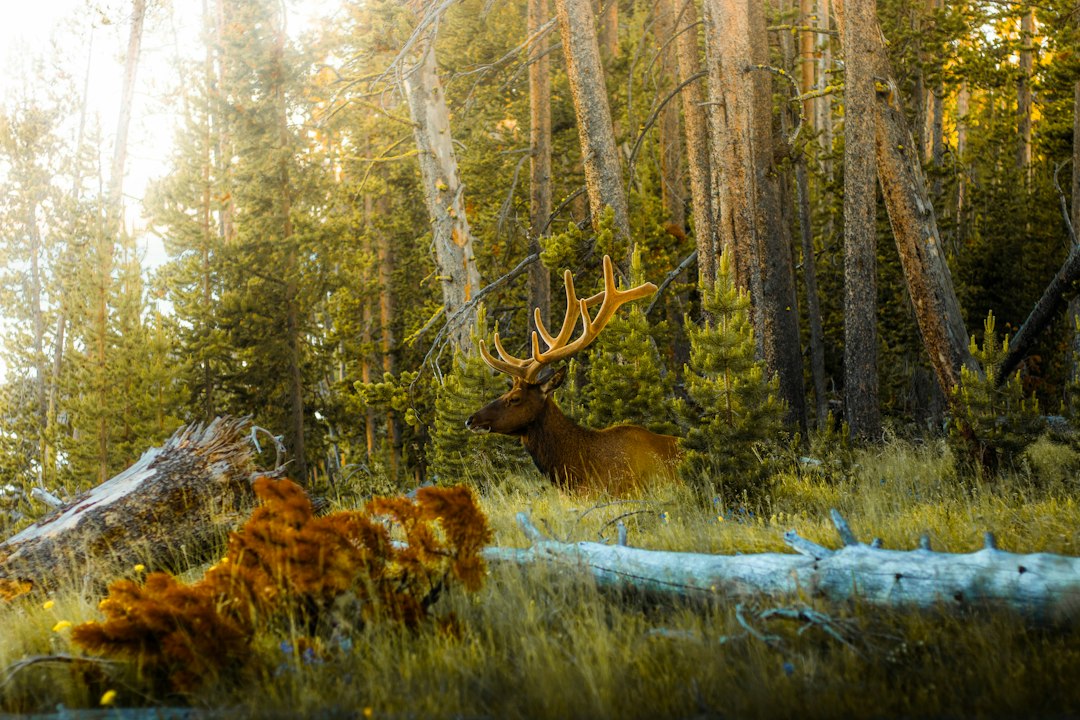
Montana remains one of the West's premier rifle elk destinations, blending accessible general-season opportunities with trophy-caliber limited-entry hunts. The state's combination license unlocks thousands of square miles of public land, but navigating Montana's draw system, unit structure, and season timing requires planning. Whether you chase bugling bulls in September or glass snowy ridges in November, understanding how tags work and where pressure concentrates separates successful hunts from long drives home.
Montana's general rifle elk season runs five weeks in the fall, typically opening the last Saturday in October and closing the Sunday after Thanksgiving. This extended window lets you hunt the rut's tail end, peak breeding activity, and post-rut migration. Limited-entry permits add earlier archery and rifle dates in premium units, but the general season offers the most flexibility and the widest geographic range.
Montana's Combination License System
Nonresidents must draw a combination license to hunt general elk and deer. Montana sells roughly 17,000 Big Game Combo licenses annually, allocated through a preference-point draw that opens in January and closes in late March. Each unsuccessful year earns one preference point, improving odds incrementally. First-time applicants can draw — odds hover near 50 percent — but top-point holders have near-certain success.
The combo license itself does not guarantee an elk tag in limited-entry units. It unlocks general units statewide and lets you apply separately for controlled permits like those in the Breaks, Elkhorns, and scattered trophy areas. Residents buy general tags over the counter and enter separate drawings for limited hunts. This two-tier system means nonresidents face an entry gate (the combo) plus a secondary draw for premium tags, while residents access general ground freely but compete in the same LE pools.
Montana does not use points for limited-entry elk permits. Every applicant has equal odds in those drawings, which close in mid-March. If you draw a limited permit, you can still hunt general units during their open dates — the LE tag does not replace your combo license. Plan your application around the units you can realistically hunt and the weapon you prefer, since limited-entry hunts often restrict rifle dates or require archery gear.
General Units vs. Limited Entry
General units cover most of Montana's elk range. Region 2 near Missoula, Region 3 in southwest Montana, and the sprawling eastern breaks in Regions 6 and 7 all offer combo-license hunting. Terrain varies from steep timbered drainages to rolling sagebrush ridges, and access ranges from roadless wilderness to walk-in parcels near ranches. Pressure peaks near trailheads and along major highways during opening weekend, then thins as casual hunters leave. Plan to hike past the first mile of trail, glass side drainages, and hunt weekdays when possible.
Limited-entry units concentrate trophy potential. HD 380 (Missouri Breaks) produces mature bulls in broken coulees and island mountain ranges, but rifle tags require years of applications for nonresidents in the random draw. HD 100 near Helena and scattered Elkhorn units offer earlier rifle hunts with controlled pressure. These permits often come with weapon restrictions — muzzleloader or archery only in some areas — and tighter season windows. Odds vary, but expect single-digit draw rates for rifle tags in top units.
Choosing between general and LE hunting depends on your timeline and goals. If you want to hunt this year or next with flexibility to move units, buy a combo and focus on general ground. If you are willing to wait and want a less-pressured hunt for a bigger bull, apply for limited tags and hunt general units while you wait. Many hunters do both — hunt general ground every few years and build an application history for a future limited-entry hunt.
Best General Units for Rifle Hunters
Region 2's Bitterroot and Blackfoot drainages hold healthy elk populations in thick timber. Access is excellent on national forest, but vegetation and steep terrain limit glassing. Success comes from calling during the rut's tail end in early November, finding fresh wallows, or glassing burns and clearcuts at dawn. Pressure is moderate to heavy near roads but drops quickly with elevation gain. Consider units like 240, 250, and 261 if you can backpack.
Region 3's Madison, Gravelly, and Tobacco Root ranges offer more open terrain and better glassing. Units 302, 319, and 328 see moderate pressure but hold good bull-to-cow ratios. Snow arrives earlier here than in western Montana, pushing elk lower and concentrating herds near private land by late November. Plan your hunt for the first three weeks of the season before migration complicates access. The terrain rewards spot-and-stalk hunters willing to cover miles on foot.
Eastern Montana's Regions 6 and 7 feature rolling prairie, pine breaks, and isolated mountain islands. Units 630, 652, and 700 offer vast landscapes with fewer hunters than western units. Access requires Block Management Area coordination and permission from ranchers who control critical winter range. Bulls here are not as large on average as western Montana bruisers, but draw odds are better and crowding is rare. Late-season rifle hunting after the first snowstorm concentrates elk in predictable feeding areas.
Timing Your Hunt Around the Rut and Weather
Montana's rifle season spans the transition from active breeding to post-rut recovery. The rut peaks in mid to late September, but bulls remain vocal and responsive to calls into early November. Opening weekend in late October often catches the last wave of breeding, especially in higher elevations where the rut runs a week or two later. Bulls are still cruising, bugling sporadically, and defending cows. Glass clearcuts and meadows at dawn, listen for bugles, and move toward vocal bulls before full light.
By mid-November, most bulls have broken away from cows and begin feeding heavily to recover body condition. Calling success drops, but bulls are predictable and concentrate near food. Glass south-facing slopes, recent burns, and meadows with forbs and grasses. Snow pushes elk lower and tighter, turning scattered groups into concentrated herds. Late-season hunters should focus on migration routes and transition zones between summer and winter range.
Weather drives elk behavior more than dates. A hard freeze or early snowstorm triggers immediate movement. Bulls that were high and scattered will drop 1,000 feet overnight and bunch near timber edges. Monitor forecasts and be ready to adjust plans. If a storm hits mid-week, take time off work. If opening weekend is warm and dry, consider waiting a week for weather to push elk into huntable country.


Free to join
Download mobile app
- Detailed draw odds
- Point tracking
- Deadline reminders
- 19 states covered





Free to join
Download mobile app
- Detailed draw odds
- Point tracking
- Deadline reminders
- 19 states covered






Free to join
Download mobile app
- Detailed draw odds
- Point tracking
- Deadline reminders
- 19 states covered

Public Land Access and Strategy
Montana offers millions of acres of national forest, BLM land, and state trust parcels open to hunting. Western units are dominated by Forest Service ground, while eastern units mix BLM, state lands, and private ranches enrolled in Block Management. Download the Montana Hunt Planner app or OnX to identify boundaries and walk-in areas. Many productive units have landlocked public parcels accessible only by foot, limiting pressure and improving elk distribution.
Block Management Areas (BMAs) grant free access to private land enrolled in the state program. Some require reservations, others operate first-come, first-served. Check the Montana Fish, Wildlife & Parks website for BMA maps and rules before hunting. BMAs often border public land, creating travel corridors and access points. Elk move freely between public and private, so a BMA can unlock miles of productive habitat that sees minimal hunting.
Pressure management is critical on general units. Opening weekend sees the highest hunter density, especially near roads and popular trailheads. Hike at least two miles past parking areas, focus on north-facing timbered slopes where elk hide during daylight, and hunt weekdays when possible. Elk pushed off ridges early in the season relocate to thick cover and shift to nocturnal movement. Find fresh sign — rubs, wallows, tracks — and set up before dawn where you expect elk to return from feeding areas.
Gear and Physical Preparation
Rifle elk hunting in Montana demands fitness and layered clothing. Elevation ranges from 3,000 to 10,000 feet, and daily temperature swings can reach 40 degrees. Pack a lightweight puffy jacket, rain shell, and insulating layers. Boots must handle scree, downed timber, and snow. Expect to hike five to ten miles daily in steep terrain if you hunt backcountry units.
Optics matter more than rifle caliber. Spend money on quality binoculars (10x42 minimum) and a spotting scope if you hunt open country. Elk blend into timber and sagebrush at 400 yards, and glassing saves miles of walking. Carry a rangefinder, shooting sticks, and a pack capable of hauling 60 pounds of deboned meat. Elk quarters are heavy, and most kills happen miles from roads. Plan for multiple trips or recruit help.
Rifle choice is personal, but 7mm magnums, .300 Win Mags, and 6.5 PRCs dominate Montana elk camps. Expect shots from 50 to 400 yards depending on terrain. Practice prone, kneeling, and offhand shooting before the season. Zero at 200 yards, confirm drops at 300 and 400, and know your maximum ethical range. Wounded elk cover miles, and tracking in timber is difficult. Wait for a broadside or quartering-away shot and aim for the crease behind the shoulder.
Limited-Entry Elk Permit Considerations
Montana's limited-entry elk permits fall into two categories: coveted rifle hunts in trophy units and weapon-restricted hunts in areas managing elk numbers. HD 380 (Missouri Breaks) is the most famous rifle permit, offering September and October dates in broken, glassable terrain. Bulls average 300-320 inches, but nonresident rifle odds are under 2 percent. Residents face better odds but still compete. Consider archery or muzzleloader permits in the same unit for higher draw success.
Other limited hunts target specific objectives. Early rifle hunts in the Elkhorns reduce pressure on private land, while antlerless permits in overpopulated units offer near-certain draws. Some permits allow hunting during the general season but restrict weapon or area, creating opportunity without overcrowding. Read permit descriptions carefully — a limited-entry archery tag in October may overlap the general rifle season, letting you hunt twice on a single combo license.
Drawing a limited permit does not prevent you from hunting general units. If you draw HD 380 in September but want to hunt the Gravellys in November, you can do both. Plan around dates and logistics, but do not skip the general season waiting for a limited hunt. Many hunters draw a permit, hunt it hard for a week, then switch to general units for the rest of the fall. This approach maximizes field time and increases odds of filling a tag.
Montana Rifle Elk Shot Opportunities and Shot Placement
Montana's varied terrain creates diverse shooting scenarios. Western timber hunts often present quick shots at close range — 50 to 150 yards — in downed logs and thick cover. Eastern breaks and prairie units offer longer shots across coulees and open ridges, sometimes exceeding 300 yards. Practice both scenarios. Elk are tough animals with thick hides, heavy bones, and deep chests. Marginal hits result in long tracking jobs or lost animals.
Aim for the crease behind the shoulder, one-third up the body. This targets both lungs and often the top of the heart. A double-lung shot drops elk within 100 yards. Avoid shoulder shots unless you are shooting a heavy magnum — the scapula is thick and can deflect bullets. Quartering-toward shots risk gut hits; wait for the elk to turn or reposition. Elk often stand still for minutes while feeding or watching other animals. Patience leads to better angles and cleaner kills.
After the shot, mark the spot and wait. Elk can absorb punishment and appear uninjured. Watch through binoculars for 30 seconds, note the last place you saw the animal, and do not rush the follow-up. If the elk ran, give it 30 minutes before tracking. Pushing a wounded elk turns a 200-yard recovery into a mile-long ordeal. Blood trails in thick timber or snow are easier to follow than in dry grass or pine needles. Bring flagging tape, mark each blood spot, and track systematically.
Processing and Packing Out Your Bull
Elk quarters weigh 60 to 100 pounds each. Debone in the field to reduce weight and preserve meat. Montana law requires you to remove all edible meat from the carcass, including tenderloins, neck meat, and rib meat. Pack game bags, a sharp knife, and a bone saw. Hang quarters in shade and let them cool before packing out. If temperatures exceed 50 degrees, prioritize getting meat to a cooler or processor within 24 hours.
Most hunters quarter an elk into five loads: two front shoulders, two hindquarters, and backstraps plus neck and rib meat. The hide stays in the field. Expect each load to weigh 50 to 70 pounds depending on bull size and how much bone you remove. If you are solo, plan for three to five trips. Many hunters recruit friends or hire packers with horses or llamas. Know the outfitter regulations if you hire help — some areas restrict commercial packing.
Processing elk at home saves money but requires equipment. You will need a large cooler, freezer space, grinder, and vacuum sealer. Debone all quarters, separate muscle groups, and trim silver skin. Grind trim for burger, cut steaks from the backstrap and hindquarters, and save shanks for roasts. If you lack space or time, deliver the meat to a processor within 24 hours of recovery. Montana has processors in most towns near elk country, but call ahead during the season — they book up quickly.
Nonresident Planning Timeline
Nonresidents should apply for the Big Game Combo license as soon as the Montana FWP draw opens in January. The deadline falls in late March. Apply early to avoid missing cutoff dates. Combo odds are roughly 50 percent for first-time applicants and climb with each preference point. If you draw, you can apply separately for limited-entry elk permits by the same March deadline. If you do not draw the combo, your limited-entry applications are voided.
Book lodging and travel by summer. Western Montana motels near Missoula, Hamilton, and Bozeman fill during rifle season. Eastern Montana offers fewer options but less competition. If you plan to backpack, scout trailheads on Google Earth and confirm trail conditions with district ranger offices. Some high-country trails close early due to snow or fire.
Scout in late summer or early September if possible. Elk are high and visible before the rut scatters them. Glass from roads, mark fresh sign, and identify access points. Take photos of trailheads, landmarks, and potential camping spots. If you cannot scout in person, study OnX maps and talk to biologists. Montana FWP regional offices provide harvest data, elk distribution reports, and access updates. Use those resources to refine your unit choice before the season opens.
FAQ — Montana Rifle Elk Hunting
Does Montana have preference points for elk?
Yes, but only for the nonresident combination license that unlocks general elk and deer hunting. Each unsuccessful year earns one preference point. Limited-entry elk permits are random draws without points.
Can I hunt general units after drawing a limited-entry permit?
Yes. A limited-entry elk permit does not replace your combination license. You can hunt general units during their open dates even if you draw a limited permit for a different unit or season.
What is the best time to hunt Montana's rifle elk season?
Opening weekend in late October often catches the rut's tail end. Mid-November hunting is best after the first snowstorm pushes elk lower and concentrates herds near winter range.
How hard is it to draw a nonresident combo license?
First-time applicants have roughly 50 percent odds. With two or three preference points, odds approach 75-90 percent. Montana sells about 17,000 Big Game Combo licenses annually.
Are Montana's general elk units crowded?
Opening weekend sees heavy pressure near roads and popular trailheads. Pressure thins after the first week. Hike at least two miles from parking areas and hunt weekdays to avoid crowds.
What rifle caliber is best for Montana elk?
7mm Rem Mag, .300 Win Mag, and 6.5 PRC are popular choices. Shots range from 50 to 400 yards depending on terrain. Practice prone and kneeling positions and know your maximum ethical range before hunting.
Was this article helpful?
Previous
Alaska Wolf Hunting 2027: Regulations, Seasons, and Where to Hunt
Alaska offers some of North America's most accessible wolf hunting, with generous bag limits, long seasons, and no drawing required. Here's what hunters need to know for 2027.
Related
Utah Rifle Elk Hunting 2027: Draw Odds, Units, and Strategy
Utah's 2027 rifle elk hunts offer some of the West's best trophy opportunities through limited-entry draws and general-season any-bull tags. Here's how to navigate both systems.
Next
Public Land Elk Hunting in Oregon: 2027 Units, Tags & Draw Strategy
Oregon offers 450,000+ acres of public elk habitat spanning general and controlled hunt units. Success hinges on weapon choice, unit selection, and understanding Oregon's preference point system for premium tags.