How Much Does a Desert Bighorn Sheep Hunt Cost in 2027?
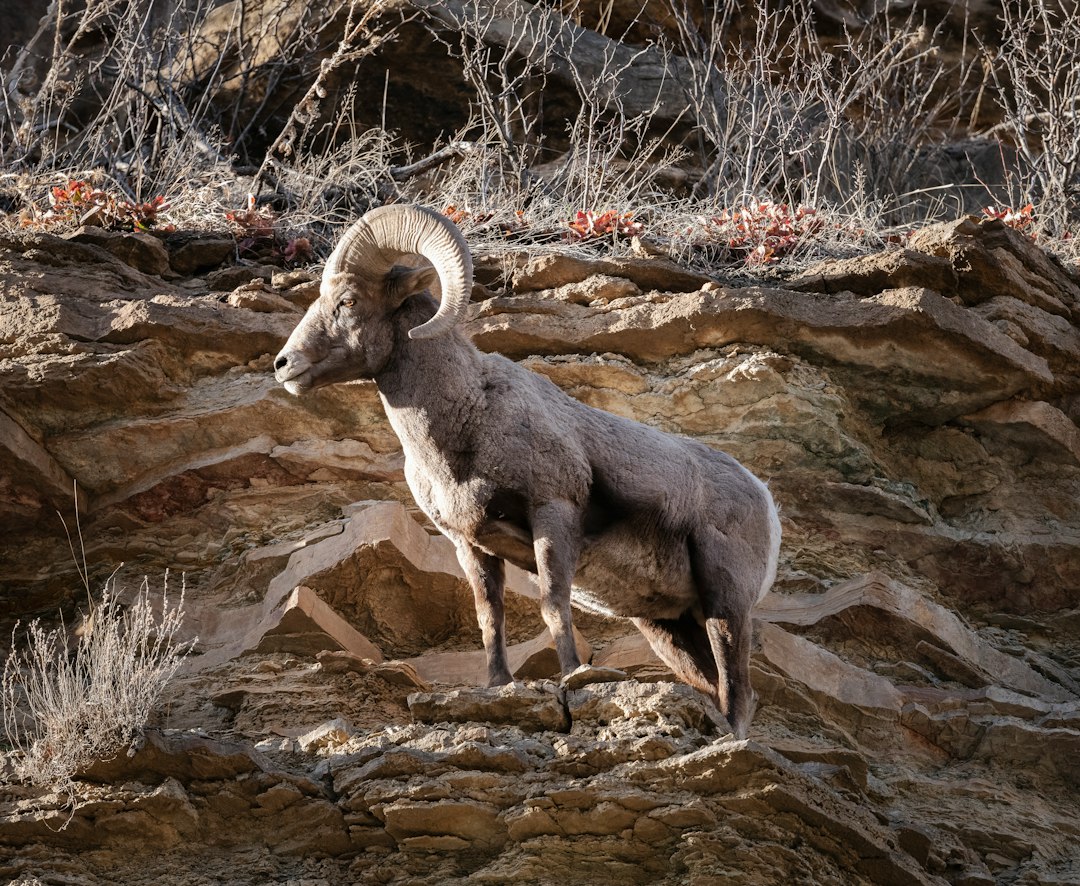
A desert bighorn sheep hunt in 2027 will cost anywhere from $5,000 to $400,000+ depending on whether you draw a resident tag, buy a raffle or auction tag, or book a guided hunt in Mexico. Resident lottery tags in Nevada and Arizona carry the lowest total cost at $5,000–$15,000 when you factor in the tag, license, and DIY expenses. Nonresident tags obtained through raffles or auctions start around $30,000 and climb rapidly. Fully guided hunts in Mexico for world-class Sonoran desert bighorns begin at $100,000 and can exceed $150,000 for premium outfitters. Conservation auction tags that fund state wildlife programs routinely sell for $200,000–$400,000 or more.
Understanding the cost structure means separating the tag itself from the hunt. The tag is your legal permission to hunt. The hunt is everything else — guides, accommodations, transportation, trophy fees, and taxidermy. Most U.S. desert bighorn tags are issued through state lottery systems with extremely low draw odds, making the tag cost predictable but access nearly impossible without decades of applying. Alternative entry points like raffles, auction tags, and Mexican concessions bypass the wait but carry a steep price premium.
Resident lottery tags — the lowest-cost option
If you're a resident of Nevada, Arizona, Utah, California, or New Mexico and draw a desert bighorn tag through the state lottery, your tag cost will be $150–$500 depending on the state. Nevada residents pay around $240 for a bighorn tag. Arizona residents pay approximately $160. Utah residents pay $303. California residents pay $450. New Mexico residents pay $293. These figures reflect 2026–2027 season pricing and include the hunting license and application fees required to enter the draw.
Draw odds for resident desert bighorn tags are brutal. Nevada's best units hover around 1–3% draw odds even with maximum bonus points. Arizona's top units require 15–20+ bonus points and still offer no guarantees. You could apply for 20 years and never draw. When you do draw, the tag itself is cheap, but you'll still spend $5,000–$15,000 on a DIY hunt when you account for travel, lodging, gear, optics, pack-out equipment, and taxidermy. A shoulder mount runs $1,200–$2,000. A full-body mount can exceed $5,000.
Most residents who draw a desert bighorn tag hire a guide even though it's not required. A guided hunt in Nevada or Arizona costs $8,000–$15,000 on top of the tag. The guide fee covers scouting, transportation, glassing, spotting, field care, and local expertise. It does not include the tag, license, taxidermy, or travel to the trailhead. Total cost for a resident who draws a tag and hires a guide typically lands between $10,000 and $18,000.
Nonresident lottery tags — nearly impossible
Nonresident desert bighorn tags issued through state lotteries are vanishingly rare. Nevada allocates up to 10% of tags to nonresidents, but with only 50–120 desert bighorn tags issued statewide each year, nonresident odds are often below 0.1%. Arizona does not offer nonresident desert bighorn tags through the standard draw. California and New Mexico issue extremely limited nonresident sheep tags with similarly microscopic odds. Utah offers a handful of nonresident tags for bighorn sheep, but desert bighorn units are rare and odds remain under 1% even with maximum bonus points.
For nonresidents, the lottery is not a viable path. You would need to apply for decades with no realistic expectation of drawing. Most nonresidents pursue desert bighorns through raffles, governor's tags, conservation auction tags, or Mexican hunts instead.
Raffle tags — $20 to $50,000+
Many western states offer raffle tags for desert bighorn sheep as fundraisers for wildlife conservation. Raffle tickets cost $5–$150 per entry depending on the state and raffle. You can buy as many tickets as the rules allow. Nevada's Silver State Tag raffle for bighorn sheep allows unlimited $25 entries. Arizona offers the Wildlife for Tomorrow raffle with $20 entries and a cap on total entries. Utah offers the Sportsman for Wildlife Conservation raffle with similar pricing. New Mexico runs the Habitat Stamp Bighorn Raffle.
If you win a raffle tag, you still pay the nonresident tag fee, which varies by state but typically runs $1,200–$2,000. You then hire a guide. Guided hunts for nonresident raffle-tag holders in Nevada and Arizona cost $15,000–$30,000. Total cost for a raffle tag hunt, including raffle entries, tag fee, and guide, generally lands between $20,000 and $50,000. Raffle odds are far better than lottery odds but still tough — often 1 in 2,000 to 1 in 10,000 depending on the raffle and total entries sold.
Raffle tags often come with special privileges. Nevada's Silver State Tag allows the winner to hunt any open bighorn unit in the state, including premium areas otherwise requiring decades of bonus points. Arizona's raffle tags similarly unlock top-tier units.
Governor's tags and conservation auction tags — $200,000 to $400,000+
Conservation auction tags are sold at fundraising banquets hosted by groups like the Wild Sheep Foundation, Safari Club International, and Mule Deer Foundation. Proceeds fund habitat projects, wildlife research, and transplant programs. These tags are governed by state wildlife agencies but sold to the highest bidder.
Desert bighorn sheep auction tags routinely sell for $200,000–$400,000. In recent years, Nevada desert bighorn tags have sold for $250,000–$350,000. Arizona desert bighorn tags have sold for $200,000–$280,000. New Mexico desert bighorn tags have sold for $210,000–$300,000. These figures represent the winning bid for the tag alone. The buyer still pays the state tag fee, hires a guide, and covers all hunt expenses.
Guided hunts for auction-tag holders often cost $20,000–$40,000 because outfitters provide concierge-level service, extended scouting, and access to the best units. Total cost for an auction-tag hunt typically exceeds $250,000 and can approach $450,000 when you include taxidermy, travel, and trophy fees.
Auction tags offer the best access to trophy-quality rams. Tag holders can hunt the entire state or select units with the highest Boone and Crockett potential. Success rates approach 100%, and rams scoring 170+ B&C are common.


Free to join
Download mobile app
- Detailed draw odds
- Point tracking
- Deadline reminders
- 19 states covered





Free to join
Download mobile app
- Detailed draw odds
- Point tracking
- Deadline reminders
- 19 states covered






Free to join
Download mobile app
- Detailed draw odds
- Point tracking
- Deadline reminders
- 19 states covered

Guided hunts in Mexico — $100,000 to $150,000+
Mexico's Sonoran desert is home to the largest and most sought-after desert bighorn rams in the world. Mexican desert bighorns routinely score 180–200+ B&C, with exceptional rams exceeding 210. Guided hunts in Mexico are sold as all-inclusive packages by licensed outfitters operating on ejidos (communal land concessions). The Mexican government issues a limited number of tags annually, and outfitters control access.
A fully guided Mexican desert bighorn hunt costs $100,000–$150,000 for a 7–10 day hunt. This includes the tag, permits, guide fees, accommodations, meals, in-country transportation, and field care. It does not include international airfare, taxidermy, or trophy import/export fees. Premium outfitters with access to top concessions charge $125,000–$150,000. Budget outfitters may offer hunts for $90,000–$110,000, but quality varies significantly.
Mexican hunts are physically demanding. You'll glass for hours each day, hike steep desert terrain, and potentially stalk for miles in extreme heat. Success rates on reputable hunts are 80–95%. Rams are typically larger than U.S. desert bighorns, and the experience is exclusively guided — DIY hunting is not permitted in Mexico.
Taxidermy for a Mexican desert bighorn is expensive due to import regulations and CITES permits. Expect to pay $2,000–$3,500 for a shoulder mount and $6,000–$10,000 for a full-body mount. Trophy export fees and Mexican taxidermy permits add another $500–$1,500.
Landowner tags and private-land hunts — $40,000 to $100,000
Some southwestern states issue landowner tags for desert bighorn sheep to private ranches that provide critical habitat. These tags are sold by the landowner, not the state, and bypass the public draw. Availability is extremely limited. New Mexico issues a small number of landowner bighorn tags. Texas offers a limited number of desert bighorn hunts on large private ranches where transplanted populations exist.
Landowner desert bighorn hunts in New Mexico cost $40,000–$80,000 depending on the ranch and ram quality. Texas desert bighorn hunts on private ranches cost $50,000–$100,000. These hunts are fully guided and typically last 5–7 days. Success rates are high — often 90%+ — because ranches manage sheep populations and limit hunter pressure.
Landowner tags are controversial. Critics argue they privatize public wildlife. Supporters point out that landowners provide habitat and accept sheep-related property impacts in exchange for hunting revenue.
Hidden costs and budget considerations
Beyond the tag and guide, desert bighorn hunts carry additional costs that add up quickly. Taxidermy is the biggest post-hunt expense. A shoulder mount costs $1,200–$3,500. A full-body mount costs $5,000–$10,000. European skull mounts cost $300–$600. Cape and skull shipping from the field costs $150–$400.
Travel expenses vary by hunt location. Flights to Nevada, Arizona, or New Mexico typically cost $300–$800 round-trip. Rental vehicles cost $400–$800 for a week. Lodging before and after the hunt costs $100–$200 per night. Guided hunts usually include field lodging, but you'll still need a hotel for arrival and departure nights.
Gear costs can exceed $3,000 if you're starting from scratch. Quality optics are non-negotiable — a spotting scope runs $1,000–$3,000, and binoculars run $500–$2,500. A reliable rifle costs $800–$2,500. A good pack costs $300–$500. Boots, clothing, and desert-specific gear add another $500–$1,000.
Tips for guides are customary. Budget $1,000–$2,000 for the guide and assistant guide on a successful hunt. Some hunters tip 10% of the guide fee. Others tip a flat amount based on effort and success.
How to reduce costs without compromising quality
The most cost-effective path to a desert bighorn is a resident lottery tag in Nevada or Arizona. If you live in one of those states, apply every year and accumulate bonus points. Draw odds improve slightly with points, and the tag cost remains under $500. A DIY hunt on a resident tag can be done for $5,000–$8,000 if you already own optics and gear.
Raffle tags offer better odds than the lottery and cost far less than auction tags. Buy raffle tickets every year in multiple states. A $500–$1,000 annual raffle budget across five states gives you a realistic chance of winning a tag within 10–15 years. If you win, a guided hunt will still cost $20,000–$40,000 total, but that's a fraction of the auction-tag price.
Avoid budget Mexican hunts unless you've vetted the outfitter thoroughly. Cheap hunts often involve poor concessions, low ram quality, and questionable success rates. Spend $110,000–$130,000 on a reputable Mexican outfitter rather than $90,000 on an unknown operation. The $20,000–$40,000 difference is meaningless if you don't see legal rams.
Book hunts 12–18 months in advance to lock in pricing. Outfitter rates increase annually. A deposit made in early 2026 for a 2027 hunt may save $5,000–$10,000 compared to booking six months out.
What you get for the money
Desert bighorn sheep hunts are expensive because sheep are rare, difficult to hunt, and managed under strict quotas. Tags are limited to ensure sustainable populations. Guided hunts are expensive because desert bighorns inhabit remote, rugged terrain that requires specialized knowledge, advanced optics, and days of glassing to locate a legal ram.
Success rates vary by tag type. Resident DIY hunts have success rates around 50–70% depending on the unit. Guided hunts for raffle and auction-tag holders have success rates of 85–95%. Mexican guided hunts have success rates of 80–95%. Landowner hunts often exceed 90%.
Ram quality depends on genetics, age, and hunting pressure. U.S. desert bighorns typically score 150–175 B&C. Exceptional U.S. rams score 175–185. Mexican desert bighorns typically score 170–190 B&C. Trophy-class Mexican rams score 190–210+. The current world-record desert bighorn scores 205-1/8 B&C and was taken in Mexico.
The experience itself is the real product. Desert bighorn hunts involve glassing from high points at dawn, spotting rams at extreme distances, planning complex stalks across broken terrain, and closing the distance on one of North America's wariest animals. Rams live in waterless, near-vertical country. They bed in cliffsides where predators can't reach them. They detect movement at 1,000+ yards. A successful stalk often takes hours and covers miles.
FAQ — Desert Bighorn Sheep Hunt Costs
What is the cheapest way to hunt desert bighorn sheep? Apply for resident lottery tags in Nevada, Arizona, or Utah every year and accumulate bonus points. If you draw, the tag costs $150–$500 and a DIY hunt costs $5,000–$8,000 total.
How much does a Mexican desert bighorn hunt cost? Guided Mexican desert bighorn hunts cost $100,000–$150,000 for a 7–10 day all-inclusive package. Premium outfitters charge $125,000–$150,000.
How much do desert bighorn auction tags sell for? Conservation auction tags for desert bighorn sheep sell for $200,000–$400,000 at fundraising banquets. Recent Nevada and Arizona tags have sold for $250,000–$350,000.
Are desert bighorn raffle tags worth buying? Yes. Raffle tickets cost $5–$150, and winning a raffle tag gives you access to a $20,000–$40,000 guided hunt instead of a $250,000+ auction tag. Odds are long but far better than lottery odds.
Do I need a guide for a desert bighorn hunt? No for most U.S. resident tags, but most hunters hire one. Guides cost $8,000–$30,000 depending on the state and tag type. Mexican hunts and most landowner hunts require a guide.
How much does desert bighorn taxidermy cost? A shoulder mount costs $1,200–$3,500. A full-body mount costs $5,000–$10,000. European skull mounts cost $300–$600. Mexican rams require CITES permits and may cost more to import and mount.
Was this article helpful?
Previous
Washington Mule Deer Draw Odds 2027: Full Analysis & Application Strategy
Washington mule deer controlled hunts require anywhere from 0 to 15+ preference points in 2027, with eastern units seeing the heaviest competition and Columbia Basin hunts offering the best odds for newer applicants.
Related
Nevada Guided Bighorn Sheep Hunts 2027: Bonus Points & Costs
Nevada's bighorn sheep draw uses bonus points and costs $3,000+ for nonresidents. Here's how the system works, what guided hunts cost, and your realistic odds of drawing.
Next
Utah Nonresident Mule Deer Draw Odds 2027: Units, Points & Strategy
Utah's 2027 nonresident mule deer draw offers premium limited-entry units requiring 15+ points alongside general-season options accessible with zero points. Understanding both pathways is key to tag success.