Mobile Hunting Strategy: Real-World Lessons for Western Big Game
If you want more tags, fewer crowds, and better shot opportunities in the West, a mobile hunting strategy is your best bet. But there’s a lot more to it than just hiking farther or bouncing between camp spots. Here’s how I approach mobile hunting after years of chasing elk, mule deer, and pronghorn all over the Rockies and Great Basin.
Why Mobile Hunting Works in the West
Western public land is big country, and animals use it on their own schedule. If you’re glued to one drainage, you’ll probably miss out. Over the years, I’ve found that being mobile—willing to move camp, switch trailheads, or hike over the next ridge—pays off more than sticking with a single spot just because you scouted it once.
Reading Pressure and Adjusting Plans
Most hunters set up once and hope the animals come to them. Problem is, so does everyone else. If I find fresh boot tracks, lots of camps, or glass hunters on every knob, I’m gone. Mobile hunting means you’re always looking for the next pocket where animals get pushed by pressure—or where other hunters overlook entirely.
Terrain, Access, and Realistic Mobility
It’s easy to talk about moving, but the West makes you earn every mile. I use maps and satellite imagery before a hunt, but once boots are on the ground, I’m always thinking about:
- Access points: Which roads or trails are open? Are there overlooked walk-in areas?
- Escape cover: Where will elk or deer bail out when pushed?
- Glassing knobs: Can I move quickly between vantage points?
Sometimes mobility means packing up a wall tent. Other times, it’s just tossing a spike camp in the truck bed and bombing up a new draw at daylight. The key is not getting locked into a routine. If you’re not seeing fresh sign after a day or two, it’s time to shift.
Scouting: Before and During the Season
I scout as much as possible in the summer, but I don’t get married to what I see. Animals move when hunting pressure hits or feed changes. Mobile hunting means scouting on the fly—reading new sign, glassing fresh country, and not being afraid to pivot.
If you hunt with a group, everyone needs to buy into this mentality. It’s not always easy to leave a comfortable camp, but it’s often the difference between a filled tag and eating tag soup.
Gear and Mindset for Staying Mobile
You don’t need ultralight everything, but you do need to be organized. My basics:
- Backpack that can carry a day’s needs and meat if I kill far from the truck
- OnX, TAGZ, or whatever mapping tool you trust for real-time decisions
- Flexible camp setup—truck, tent, or bivy
- A plan for processing and packing meat on the move
The mental part is just as important. Don’t get stubborn about one spot. Trust your instincts, hunt the sign, and don’t be afraid to burn a day moving if it means better odds tomorrow.
Free to join
Download mobile app
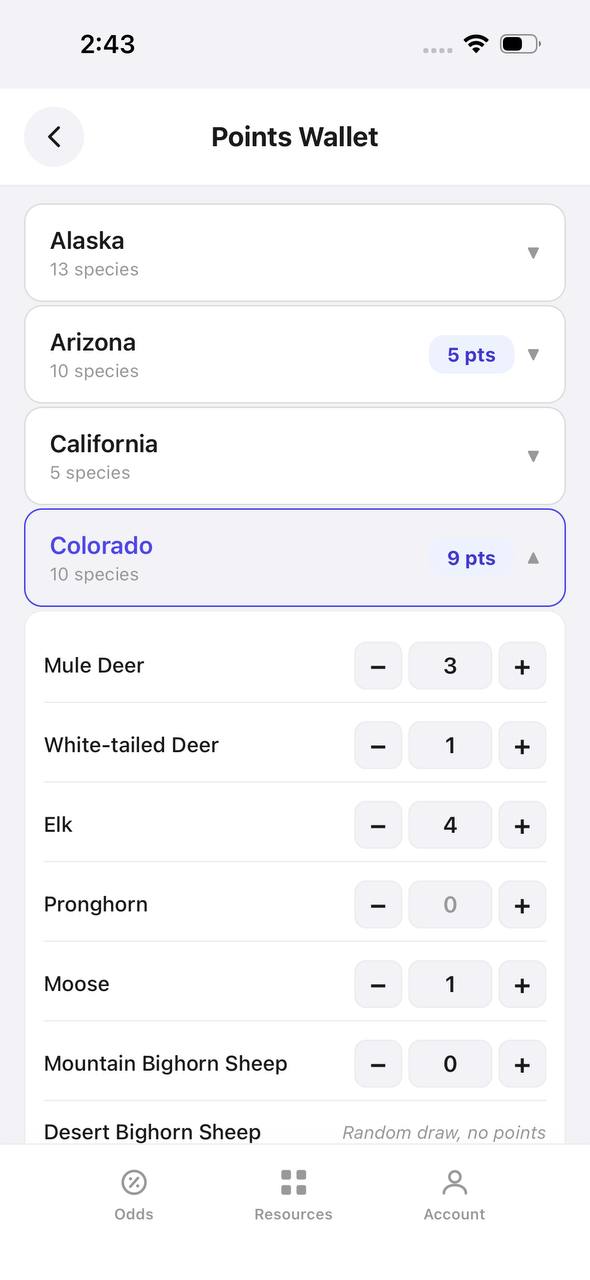
- Detailed draw odds
- Point tracking
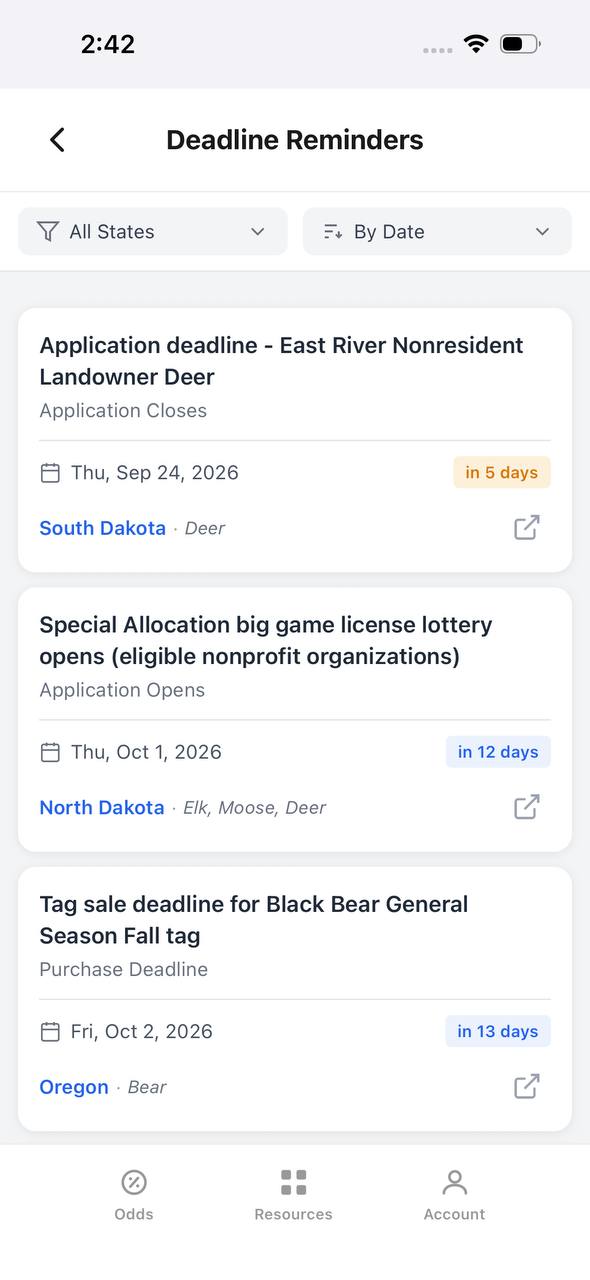
- Deadline reminders
- 18 states covered

Free to join
Download mobile app
- Detailed draw odds
- Point tracking
- Deadline reminders
- 18 states covered
Free to join
Download mobile app
- Detailed draw odds
- Point tracking
- Deadline reminders
- 18 states covered
How TAGZ Simplifies Mobile Hunt Planning
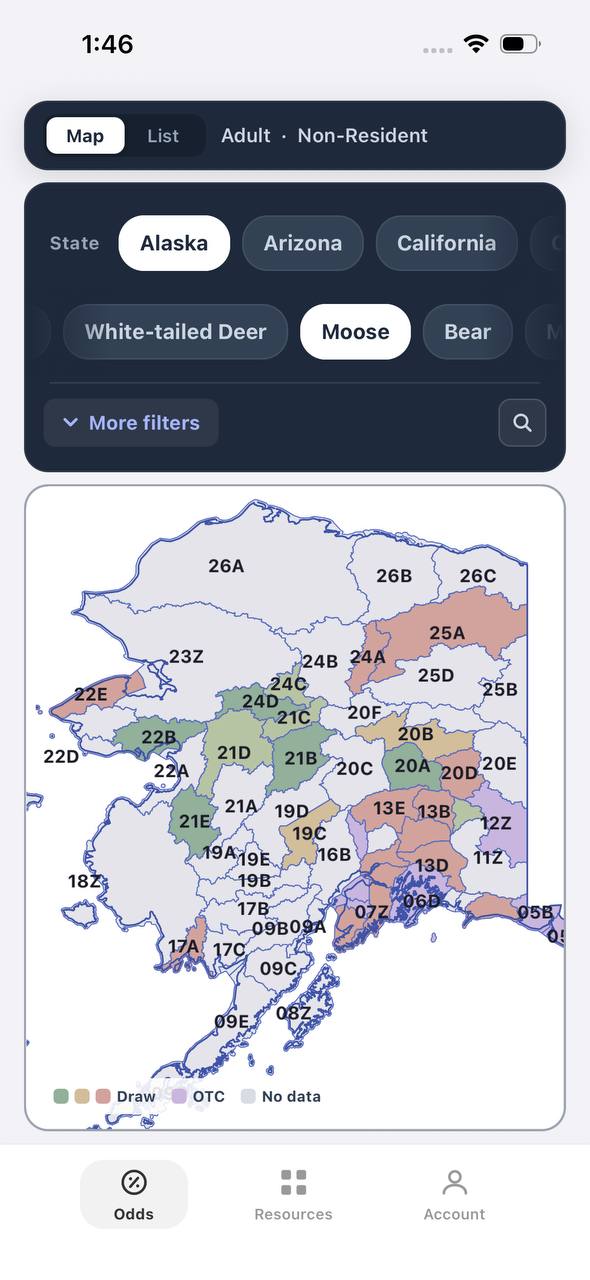
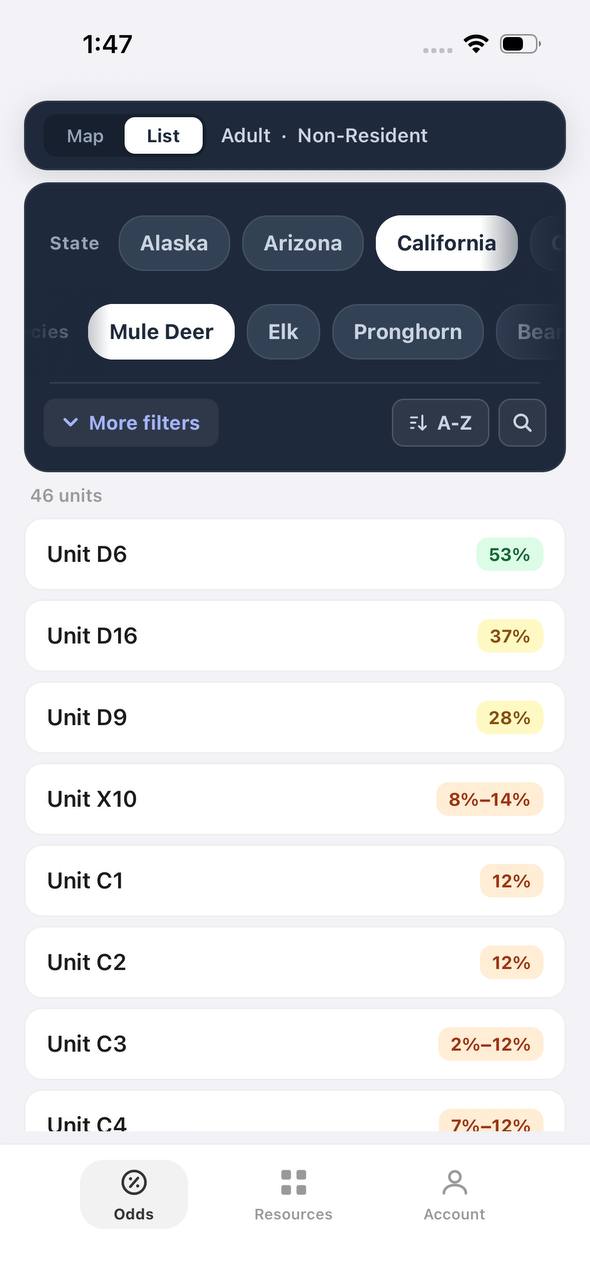
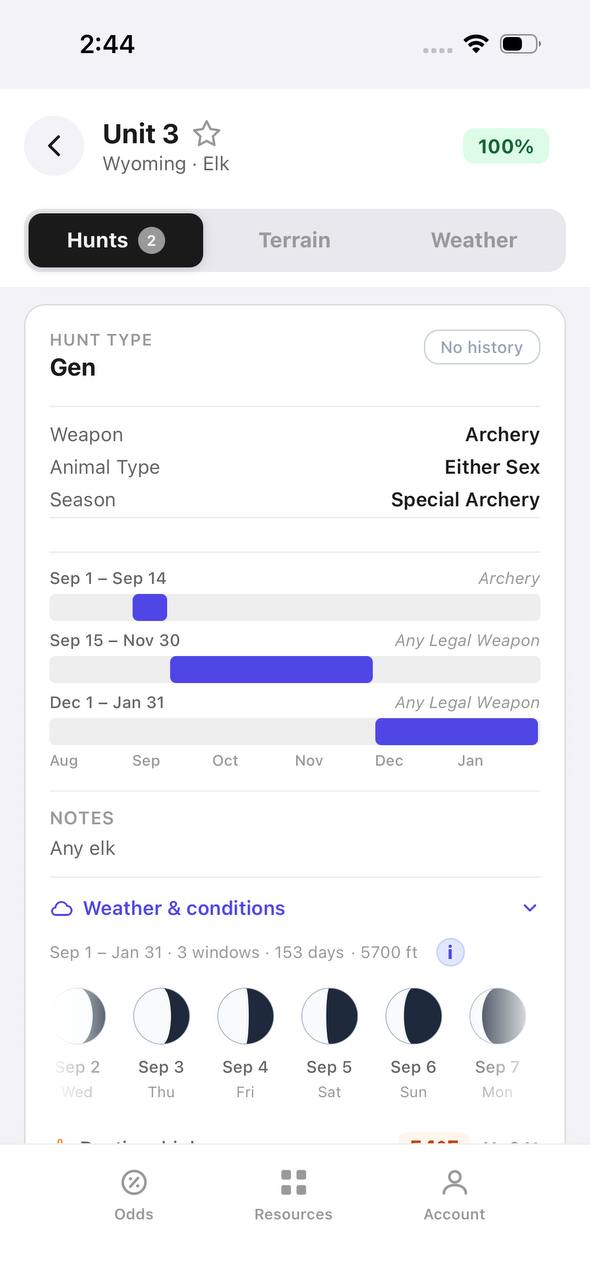
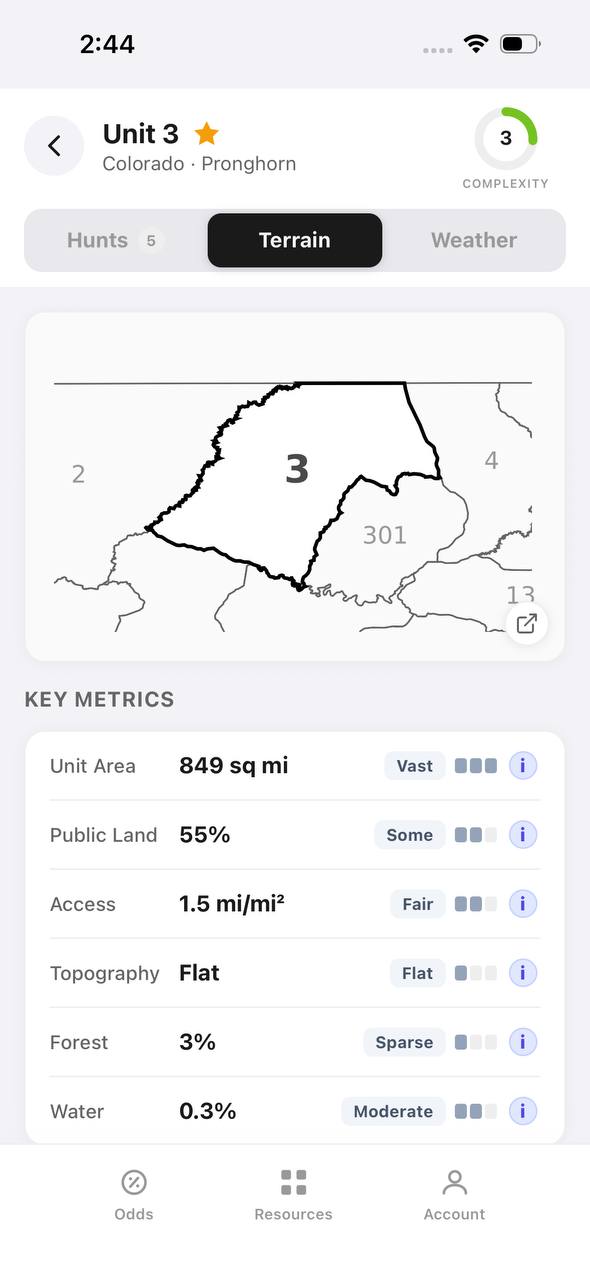
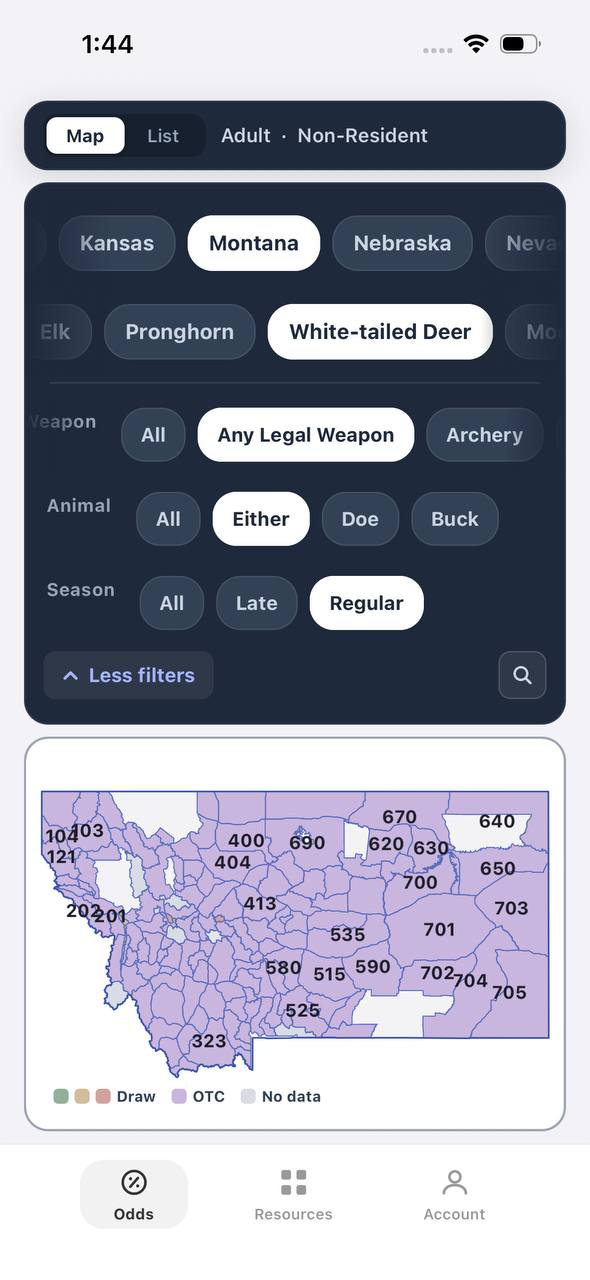
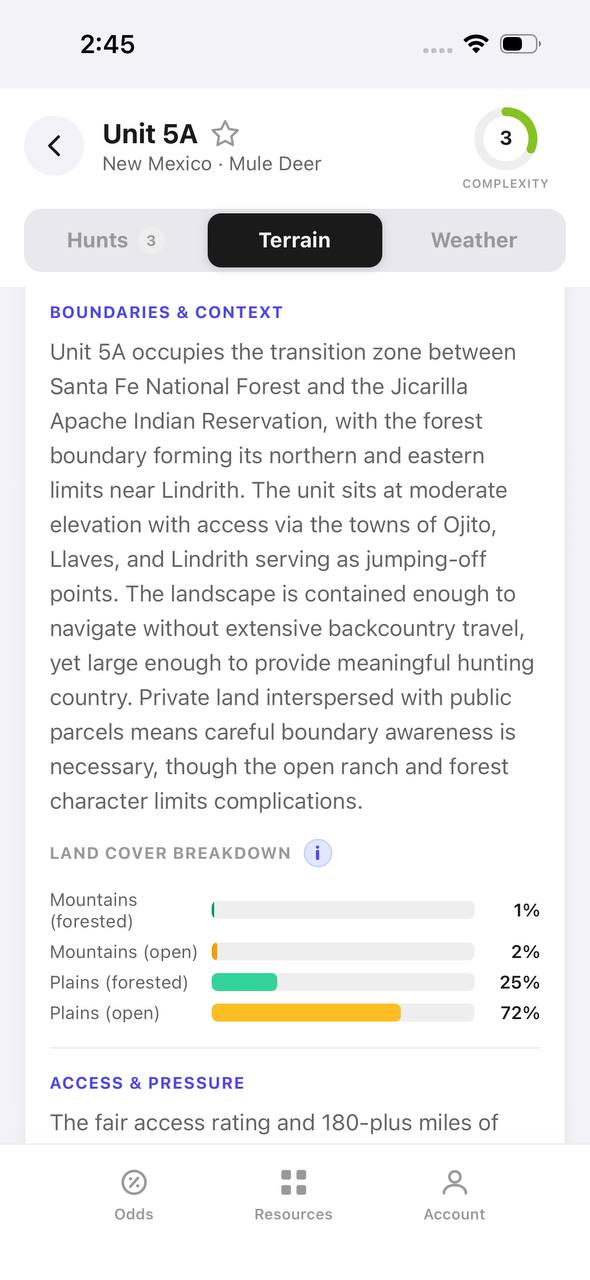
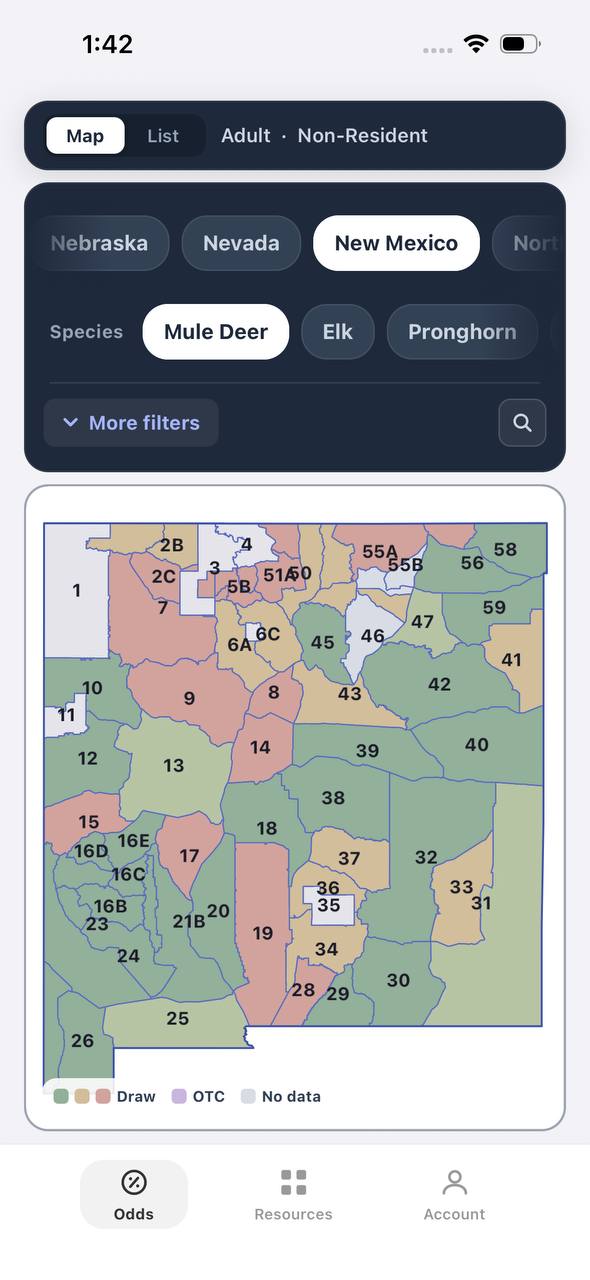
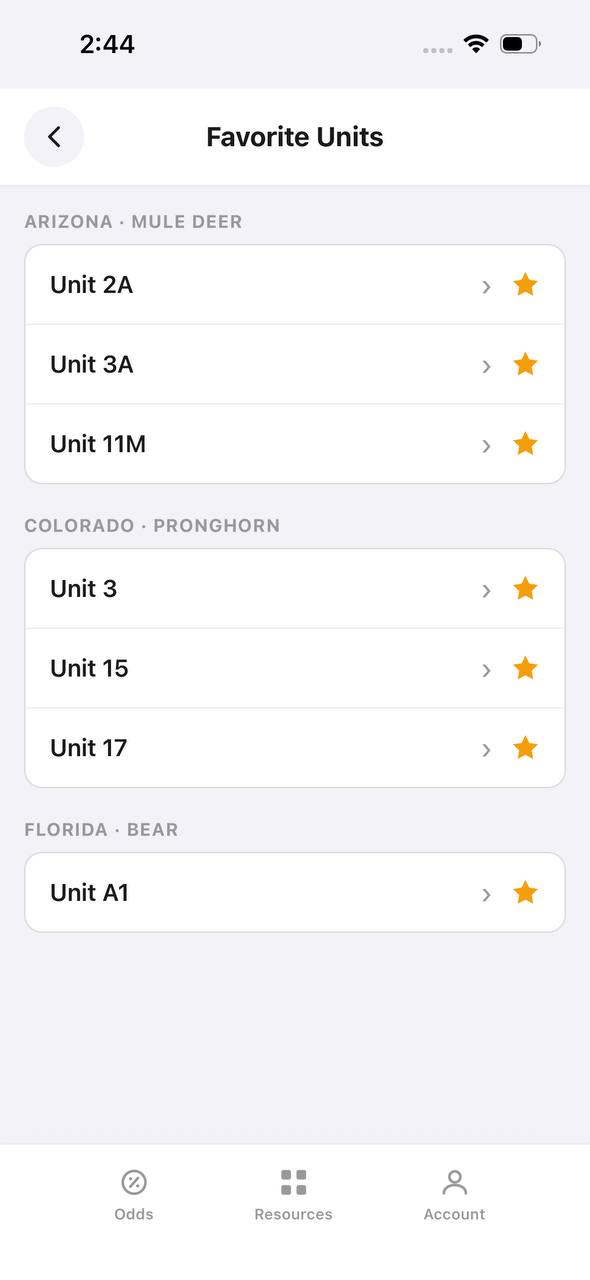
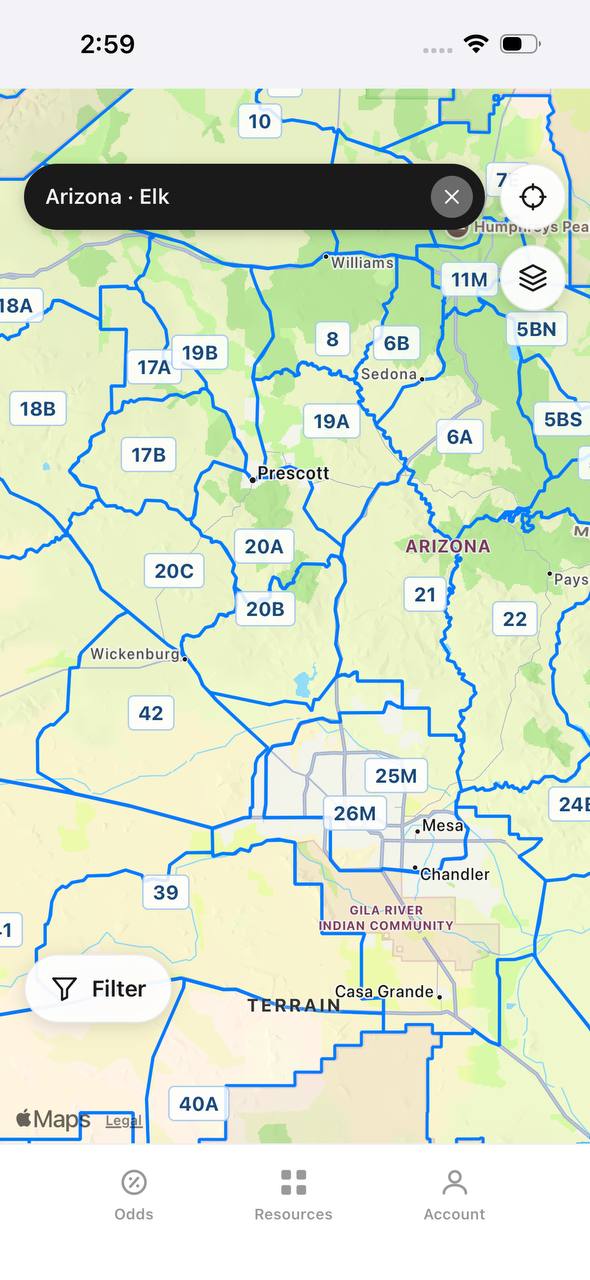
When I’m picking units or prepping backup areas, TAGZ makes it easy to compare draw odds, access, and pressure points. I build a hunt plan with multiple options, so if Plan A is a bust, I’m not wasting time wondering where to go next. It’s the simplest way to stay flexible, and it cuts down on guesswork when you’re burning daylight.
FAQ: Mobile Hunting Strategy in the West
Q: How far should I move if I’m not seeing animals? A: Sometimes just over the next ridge gets you away from pressure. Other times, you may need to drive an hour or more and start over. Trust sign and your gut.
Q: Isn’t mobile hunting tough in big wilderness areas? A: It can be, but you can still move camp within a basin or jump trailheads. The key is not camping on top of other hunters.
Q: What’s the biggest mistake hunters make? A: Getting stuck in one spot and hoping things will change. Animals respond to pressure—so should you.
Q: How do I scout for a mobile hunt? A: Build several backup plans using tools like TAGZ. Mark access points, glassing spots, and possible camps before you ever leave home.
If you want to dig deeper on picking backup units or understanding pressure, check out our guides on choosing backup units and reading hunting pressure.
Was this article helpful?
Previous
Best OTC Rifle Hunts
Best OTC Rifle Hunts breaks down realistic big game planning around terrain, access, pressure, scouting, and hunter behavior so TAGZ readers can build a practical western hunt plan instead of chasing hype.
Related
Hunting Mid-Week vs Weekends: The Real Differences for Western Big Game Hunters in 2026
Mid-week hunts mean less pressure, but are weekends really that bad? Here’s what experienced western hunters should know about timing their 2026 hunts.
Next
Understanding G1-G6 Measurements — Elk & Deer Scoring Guide
G1-G6 measurements identify individual antler points used in Boone & Crockett and Pope & Young scoring systems. Understanding these measurements helps hunters field judge animals more accurately and better evaluate trophy potential in the field.