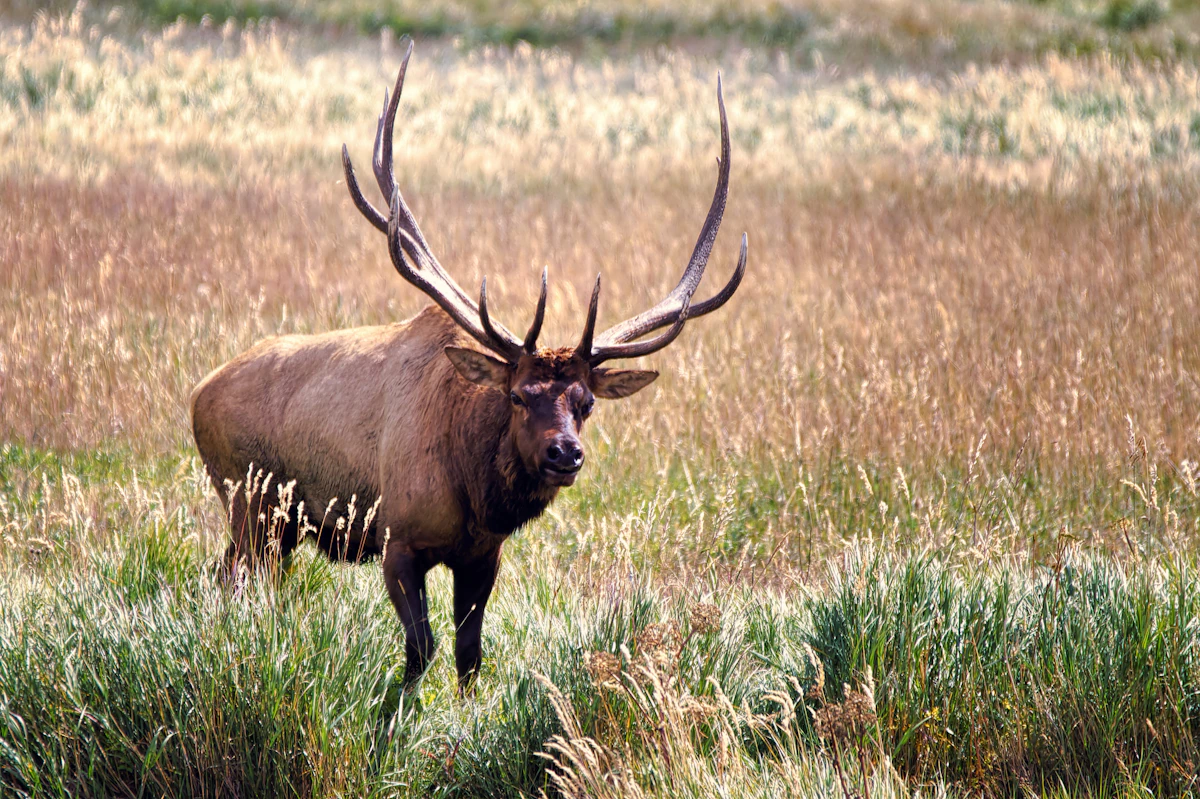
Midday Elk Hunting Tactics: How to Stay in the Game When Others Head Back to Camp
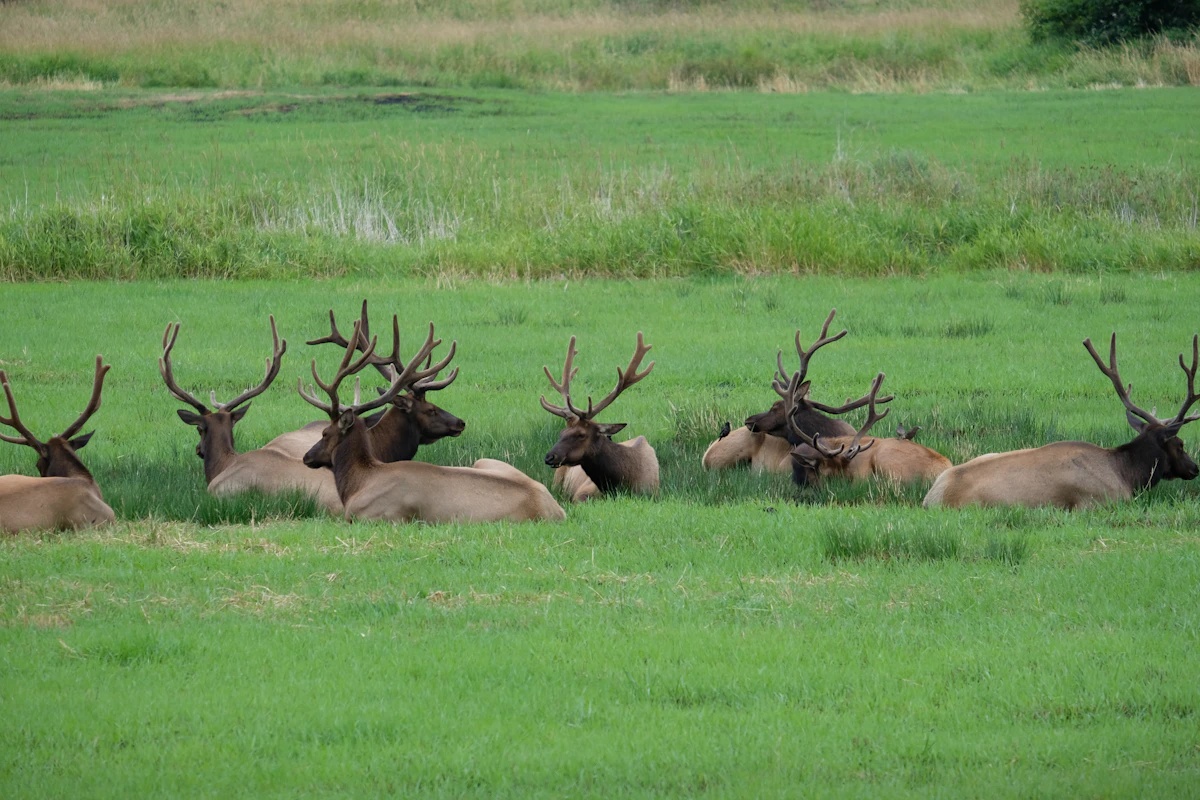
The woods go quiet around 10 a.m. Bugles stop. Elk disappear into the timber. Most hunters head back to camp for lunch and a nap, assuming the action is over until evening. But midday is not dead time — it is opportunity time for hunters willing to stay in the field and adapt their tactics.
Elk do not vanish at midday. They bed down, chew cud, and move between bedding areas and water. Hunting pressure drops to nearly zero. If you understand how elk behave during these hours and adjust your approach, midday can produce some of the best encounters of your hunt.
Why Midday Elk Hunting Works
Elk are most vocal and active at dawn and dusk, but that does not mean they are unhuntable during the middle of the day. Midday offers three key advantages.
First, hunting pressure disappears. Public land elk get hammered during morning hours. By 10 a.m., most hunters are out of the woods. Elk relax. They stop reacting to every sound and scent like they do during peak pressure hours.
Second, elk settle into predictable patterns. Bedded elk are not wandering randomly. They choose specific terrain features — north-facing slopes, dense timber, ridge benches — and they use the same spots repeatedly if undisturbed. Once you find these bedding areas, you can hunt them with precision.
Third, bulls are catchable. A bedded bull is not screaming his location every five minutes, but he is also not covering ground. If you locate a bull and move carefully, you can get within range without the chaos of a moving herd or competing hunters blundering through the area.
Locating Bedded Elk
Finding elk at midday starts with reading terrain and sign, not calling or covering miles. Elk bed in specific types of cover where they feel secure and can monitor their surroundings.
Look for north-facing slopes with thick timber or dense oak brush. These areas stay cooler during the day and offer cover from above and below. Elk bed where they can see downhill and smell uphill, usually on benches or just below ridgelines.
Fresh sign is your roadmap. Tracks heading uphill in the morning lead to bedding areas. Droppings that are still moist and shiny tell you elk were there within the last few hours. Beds in the dirt or flattened grass confirm you are in the right zone.
Glass likely bedding cover from a distance before you move in. Use your optics to scan shaded pockets of timber, saddles, and benches. Look for horizontal lines, the flick of an ear, or the white rump patch of a bedded cow. If you spot elk before you spook them, you control the encounter.
Water sources also matter midday. Elk often move to water between late morning and early afternoon, especially in warm weather. Small creeks, seeps, and wallows in thick cover are high-percentage spots to set up and wait.
Slow Down and Hunt Sign
Midday elk hunting is not about covering ground. It is about moving slowly, reading sign, and staying ready. Most hunters move too fast and spook elk they never see.
Track quietly through likely bedding areas. Step carefully, pause often, and glass ahead every few yards. Elk bed in thick cover where visibility is limited. You might only see a patch of hide or the curve of an antler at 40 yards. If you are moving fast, you will walk past or spook them.
Pay attention to fresh rubs and scrapes. Bulls are still marking territory during midday, especially in the rut. A fresh rub with wet bark and dirt kicked up around it means a bull was there recently. Follow the direction of the rub line to get closer to his bedding area.
Listen for subtle sounds. Bedded elk are not silent. You might hear a branch snap as a cow shifts position, the soft grunt of a calf, or the rustle of a bull standing to stretch. These sounds are easy to miss if you are moving too fast or talking.
Calling Tactics for Midday
Calling works midday, but it requires a different approach than morning and evening setups. Bulls are less likely to scream back and come charging in, but they will respond to the right sounds in the right situations.
Use soft cow calls and mews to sound like a small group of elk feeding or moving through bedding cover. This is non-threatening and might pull a bull out of his bed to investigate. Keep the calling subtle and infrequent. One or two calls every 10 minutes is enough.
If you locate a bedded bull, try a soft challenge bugle or chuckle from a satellite bull. Mature bulls are territorial even when bedded. A quiet, non-aggressive challenge might bring him to his feet to defend his space, especially during peak rut.
Avoid loud, aggressive calling midday unless you know exactly where a bull is and can close distance quickly. A screaming bugle in the middle of the day sounds out of place and might send elk deeper into cover.
Set Up Ambushes on Travel Routes
Elk use the same trails to move between bedding areas, water, and feeding zones. Midday is prime time to set up on these travel corridors and let elk come to you.
Look for well-worn trails with fresh tracks heading both directions. Elk often move to water or shift bedding areas midday, especially if they were pressured in the morning. Find a pinch point — a saddle, a bench, a creek crossing — and set up downwind with good visibility.
Stay still and stay patient. Elk moving midday are not in a hurry. They might take an hour to cover 200 yards, feeding and pausing as they go. If you picked the right spot, they will eventually walk into range.
This tactic works especially well on pressured public land. Elk that get hammered every morning learn to move midday when hunters are gone. If you are the only hunter in the woods at 1 p.m., you have the advantage.
Stalking Bedded Bulls
If you locate a bedded bull and the wind is right, a careful stalk can put you in bow or rifle range. This is one of the highest-skill tactics in elk hunting, and it requires patience and precision.
Approach from downwind and uphill if possible. Elk bed where they can see downhill and smell uphill, so coming from above puts you in their blind spot. Move only when the elk are looking away or have their eyes closed. Use cover — trees, rocks, brush — to break up your outline.
Go slow. Take one or two steps, then pause and glass. Bedded elk are constantly scanning their surroundings. If you move too fast or make noise, they will catch you before you ever see them.
Be ready for a close shot. Bedded elk often stand and bolt the moment they detect danger. If you are within range when the bull stands, you might only have a few seconds for a shot. Know your yardage, have your release clipped in, and be ready to draw and shoot in one motion.
Midday Gear and Strategy
Hunting midday requires different gear and tactics than morning hunts. You are in the field longer, the sun is higher, and elk behavior is different.
Carry water and snacks. Midday hunts mean you are not coming back to camp until evening. Dehydration and low energy kill your focus. Pack enough water to stay sharp and a high-calorie snack to keep your body fueled.
Shed layers as the day warms up. Start the morning bundled, but strip down to base layers midday to stay comfortable and quiet. Sweaty, uncomfortable hunters make noise and miss opportunities.
Have a plan for packing meat if you connect midday. Killing an elk at 1 p.m. in warm weather means you are racing the clock to cool the meat. Carry game bags, a tarp, and paracord so you can quarter and hang the animal quickly. If possible, hunt within range of a water source where you can cool meat in bags submerged in a creek.
Why Most Hunters Quit Too Early
The biggest mistake elk hunters make is leaving the woods when the action slows. Morning bugles are exciting, but they are also crowded. By the time most hunters head back to camp, the best opportunities are just starting.
Elk are creatures of habit. If you put in the time to learn where they bed, how they move, and what terrain they prefer midday, you gain an edge that most hunters never discover. The hunter who stays in the field from dawn to dusk, who adapts tactics to the time of day, and who hunts smart instead of hard is the one who fills tags consistently.
Midday is not dead time. It is decision time. Will you head back to camp with everyone else, or will you stay in the field and hunt elk when the pressure is off and the woods are yours?
FAQ — Midday Elk Hunting
Where do elk go at midday?
Elk bed in thick cover on north-facing slopes, ridge benches, and dense timber where they can monitor their surroundings and stay cool. They also move to water sources between late morning and early afternoon.
Is calling effective during midday?
Yes, but use soft cow calls and mews instead of aggressive bugles. Bedded elk respond to subtle, non-threatening sounds that mimic a small group moving nearby. Loud calling sounds out of place and often pushes elk deeper into cover.
What is the best way to locate bedded elk?
Read terrain and fresh sign. Look for tracks heading uphill in the morning, fresh droppings, and beds in thick cover. Glass likely bedding areas from a distance before moving in. Fresh rubs and trails also point to bedding zones.
Can you stalk a bedded bull?
Yes. Approach from downwind and uphill if possible, move slowly, and use cover to stay hidden. Bedded elk are constantly scanning, so take one or two steps, pause, and glass before moving again. Be ready for a quick shot when the bull stands.
Why do most hunters quit midday?
Most hunters assume the action is over when bugles stop. They head back to camp for lunch and rest, missing the period when hunting pressure drops and elk settle into predictable patterns. Staying in the field midday gives you less competition and more focused hunting.
How do you stay comfortable hunting all day?
Carry enough water and high-calorie snacks. Shed layers as the day warms to stay comfortable and quiet. Plan your route to stay near water sources where you can refill and cool down. Hunt smart instead of covering miles aimlessly.
Continue Planning Your Hunt
Midday elk hunting is just one piece of a successful western hunt. TAGZ helps you research units, compare draw odds, and track your preference points across multiple states so you can plan smarter hunts from application season through the field. Whether you are chasing OTC tags or planning a limited-entry trophy hunt, TAGZ gives you the tools to make confident decisions before you ever step into the woods.
Explore more elk hunting strategies and hunt planning resources on the TAGZ Insights page. Ready to start planning your next hunt? Check out TAGZ pricing and see how the platform helps hunters maximize draw opportunities and research units with terrain maps, historical data, and deadline tracking.
Was this article helpful?
Previous
Afternoon Elk Bedding Patterns: Where Bulls and Cows Rest During Midday
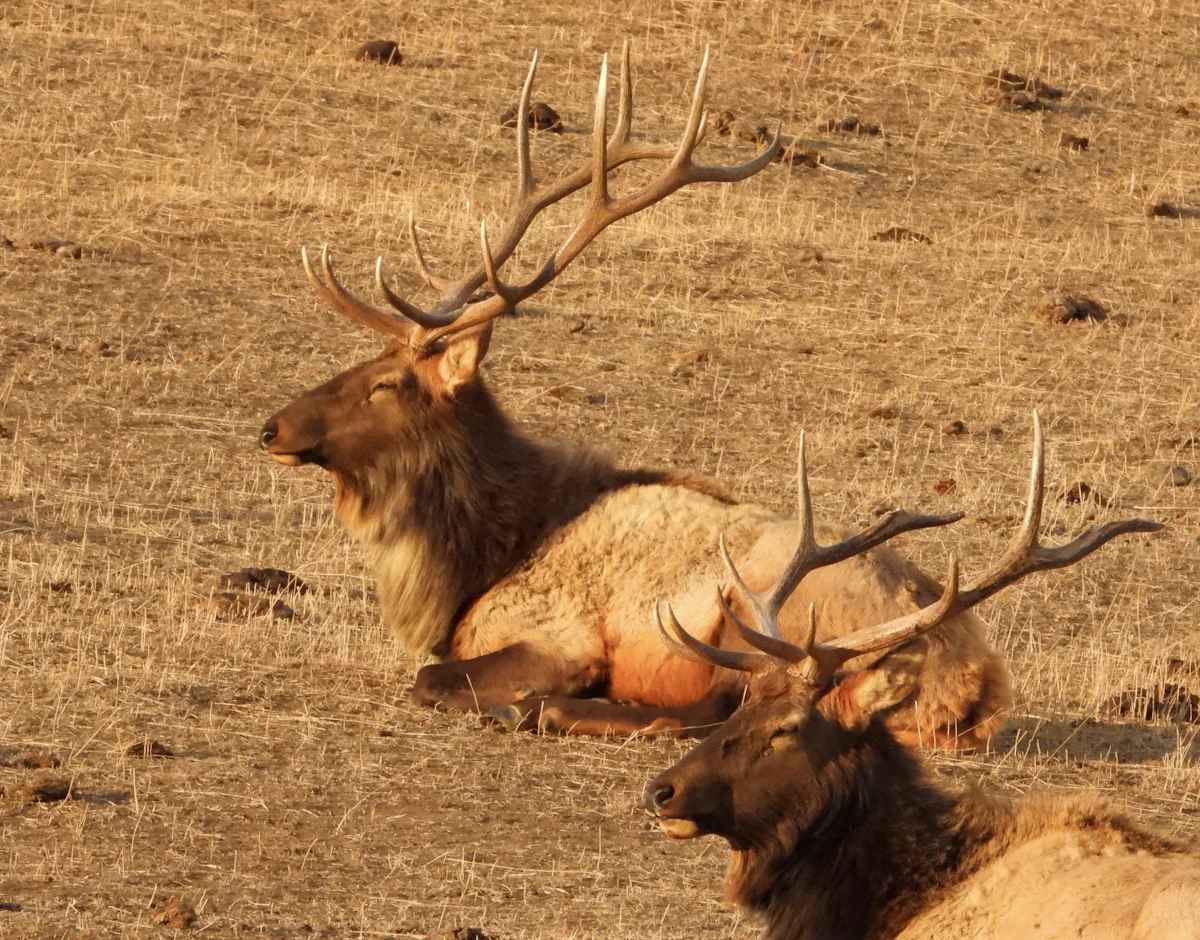
Elk retreat to predictable bedding areas during afternoon hours to ruminate and escape midday heat. Understanding these patterns helps hunters position for evening movements and increases success during midday stalks.
Next
Best Draw Weight for Elk Hunting: What You Really Need
Choosing the right draw weight for elk hunting balances arrow energy, accuracy, and shooter comfort. Most adult hunters succeed with 60-70 pounds, but your ideal weight depends on draw length, shooting form, and practice commitment.