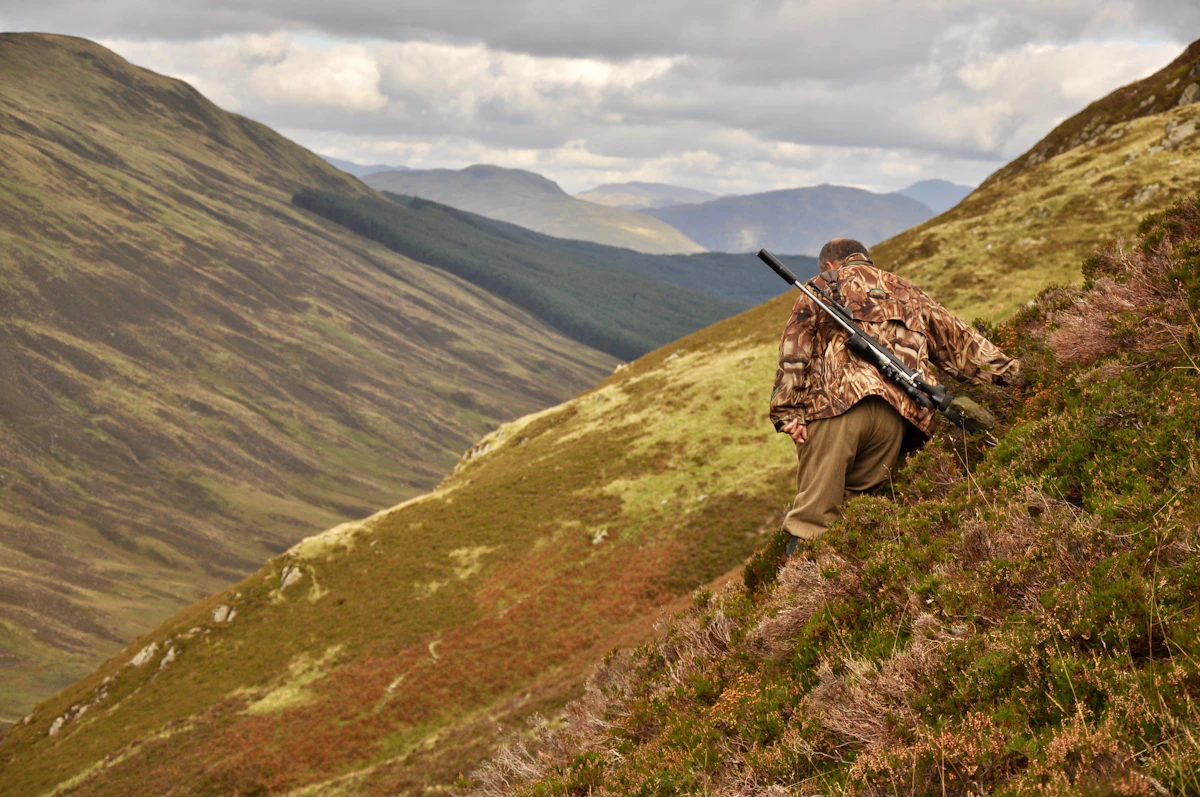
You're glassing a ridge at first light when the wind shifts. Sweat from the climb chills against your skin. Your base layer either keeps you warm and focused, or it fails and the hunt suffers. Western hunters live in their base layers from September elk bugling through late-season mule deer, and the merino versus synthetic debate shapes every packout, every glassing session, and every mile you cover.
Both materials work. The question is which one works better for how you hunt.
Why Base Layers Matter in the Mountains
Western hunting means temperature swings from 20°F mornings to 70°F afternoons. You hike steep terrain, glass for hours in wind, and pack meat in conditions that swing from bone-dry to soaking wet. Your base layer sits against your skin managing moisture, regulating temperature, and either amplifying or eliminating scent.
Cotton fails immediately—it absorbs moisture, loses insulating value when wet, and takes hours to dry. Merino wool and synthetic fabrics both wick moisture away from skin and maintain warmth when damp, but they achieve these results through completely different mechanisms. Understanding those differences determines whether you stay comfortable or suffer through a hunt.
How Merino Wool Performs in Hunting Conditions
Merino wool comes from merino sheep raised primarily in New Zealand and Australia. The fibers are finer than traditional wool—17 to 24 microns compared to 30+ microns for coarse wool—which eliminates the scratchy feel and makes merino soft enough to wear against bare skin.
Merino regulates temperature through a combination of crimp (the natural waviness in each fiber) and moisture absorption. The crimp creates air pockets that trap body heat. When you start sweating, merino absorbs up to 30% of its weight in moisture before feeling wet. As it absorbs moisture, a chemical reaction releases heat—merino actually warms you as it wets out. When conditions cool, that same moisture evaporates slowly, preventing the clammy chill synthetics can produce.
The odor resistance is real. Merino contains natural lanolin and a protein structure that prevents bacteria from colonizing the fabric. You can wear the same merino base layer for a week-long backcountry hunt without offensive smell. For elk hunters working close to bedding areas or bowhunters who need every advantage, this matters more than any other fabric feature.
Merino stretches and moves naturally. It doesn't bind across shoulders when you draw a bow or bunch up under a pack waistbelt. The fabric breathes without feeling clingy, and it maintains its shape after repeated wear better than most synthetics.
Where Merino Struggles
Merino dries slower than synthetics. After a creek crossing or surprise storm, merino holds moisture longer. It continues insulating while damp, but it won't dry on your body during a hard climb the way polyester will. If you're hunting wet coastal blacktails or dealing with constant precipitation, slow dry times become a liability.
Durability is merino's weakness. The fine fibers snag on brush, develop holes from pack straps, and pill after a season of hard use. A $120 merino base layer might last two seasons of aggressive backcountry hunting before needing replacement. Careful washing in cold water and air drying extends life, but merino demands more care than synthetics.
Cost runs higher. Quality merino base layers start around $80 and climb past $150 for premium weight and construction. Budget-conscious hunters building a layering system feel that price difference immediately, especially when outfitting for multiple seasons and temperature ranges.
How Synthetic Base Layers Perform
Synthetic base layers use polyester, nylon, or polypropylene fibers engineered to move moisture away from skin through capillary action. The fibers themselves don't absorb water—they're hydrophobic—so moisture spreads across the fabric surface and evaporates quickly. This makes synthetics the fastest-drying base layer option available.
When you're climbing hard in cold weather, synthetics move sweat away from your core faster than merino. They dry on your body during exertion, which prevents the soaked-shirt feeling that can happen with natural fibers during high-output mountain hunts. After river crossings or rain storms, synthetics dry in minutes once you start moving again.
Durability favors synthetics. The fibers resist abrasion from pack straps and brush. A quality synthetic base layer survives multiple seasons of hard hunting with minimal pilling or degradation. You can wash synthetics in warm water, throw them in the dryer, and they maintain performance. This resilience matters for hunters who put gear through genuine abuse.
Cost runs significantly lower. Solid synthetic base layers start around $30-40. Premium options with flatlock seams and athletic cuts reach $70-80, but you're still spending half what merino costs. For hunters building complete layering systems across lightweight, midweight, and heavyweight options, synthetics make multiple layers affordable.
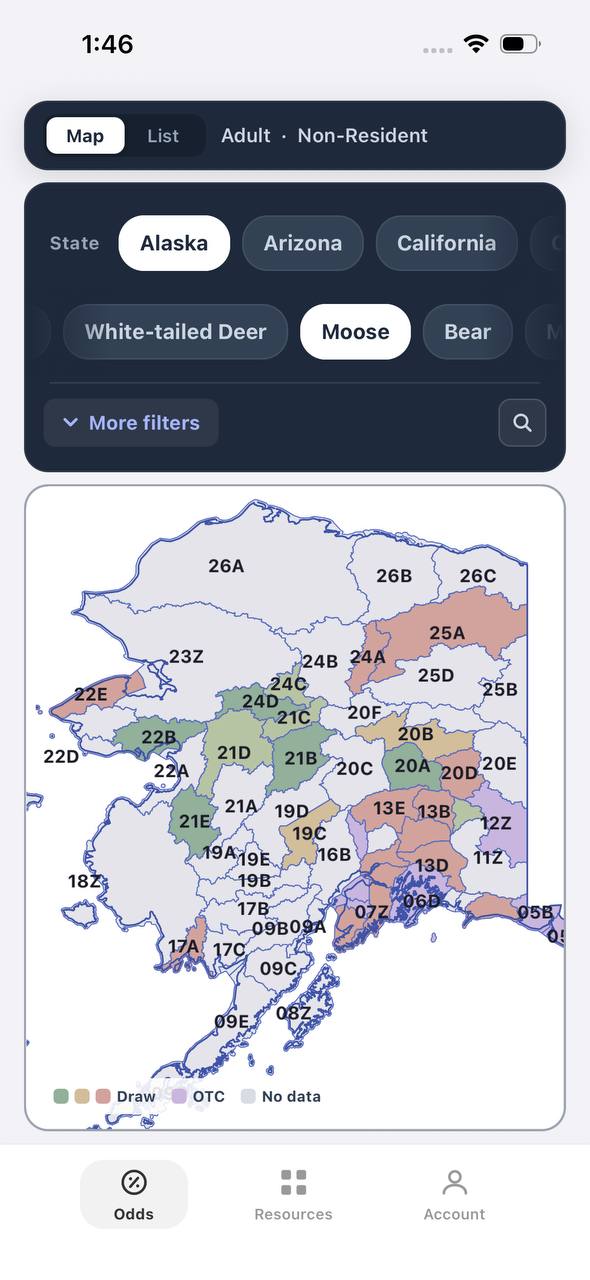

Free to join
Download mobile app
- Detailed draw odds
- Point tracking
- Deadline reminders
- 18 states covered



Free to join
Download mobile app
- Detailed draw odds
- Point tracking
- Deadline reminders
- 18 states covered

Free to join
Download mobile app
- Detailed draw odds
- Point tracking
- Deadline reminders
- 18 states covered

Where Synthetics Fall Short
Odor is the deal-breaker for many hunters. Synthetic fibers provide perfect habitat for odor-causing bacteria. After one hard day of hunting, synthetics smell like a locker room. Some manufacturers treat synthetics with antimicrobial chemicals like silver, but these treatments wash out over time and never match merino's natural odor resistance.
For whitetail and elk hunters who hunt the same areas repeatedly and need to minimize scent, synthetics create problems. You can wash synthetics daily, store them in scent-free bags, and spray them with scent eliminers, but you're fighting the material's fundamental properties. Merino simply doesn't hold human scent the same way.
Temperature regulation feels less natural. Synthetics move moisture quickly, which is excellent during exertion but can leave you feeling clammy when you stop to glass. The fabric doesn't moderate temperature swings the way merino does—you're either sweating or chilled, with less middle ground. Experienced hunters compensate by adding or removing layers more frequently, but merino handles variable conditions with less fussing.
Comparing Weight and Fabric Options
Both merino and synthetics come in lightweight (150-200 gram), midweight (200-260 gram), and heavyweight (260+ gram) options. The weight refers to grams per square meter of fabric and determines warmth and versatility.
Lightweight works for early-season hunts, high-exertion days, and as a sleeping layer in warm conditions. Midweight handles September elk through November deer seasons across most western states. Heavyweight suits late-season hunts, extreme cold, and glassing sessions in wind.
Merino blends—fabrics that combine merino with synthetic fibers—attempt to capture benefits from both materials. A 70% merino, 30% polyester blend dries faster than pure merino while maintaining better odor control than pure synthetic. These blends represent smart compromises for hunters who want merino's temperature regulation and scent control with improved durability and dry time.
Free to join
Download mobile app
- Detailed draw odds
- Point tracking
- Deadline reminders
- 18 states covered
Free to join
Download mobile app
- Detailed draw odds
- Point tracking
- Deadline reminders
- 18 states covered
Free to join
Download mobile app
- Detailed draw odds
- Point tracking
- Deadline reminders
- 18 states covered
Real-World Hunting Scenarios
For September backcountry elk hunts with major elevation changes, merino excels. You'll climb 2,000 vertical feet before dawn, glass in cold wind, and spike camp for a week without laundry access. Merino's odor control and temperature regulation matter more than fast drying.
For late-October mule deer in wet coastal mountains, synthetics win. You're hiking through rain, crossing creeks, and glassing in damp conditions. Fast drying keeps you functional when weather turns, and you can wash the base layer at camp or in a hotel room between hunt days.
For whitetail hunters still-hunting bedding areas or working close to deer, merino's scent control provides a measurable advantage. Deer survival depends on detecting predators, and minimizing human odor gives you a better chance at close encounters.
For budget-conscious hunters building their first western layering system, start with synthetics. Spend $40 on a synthetic base layer and $80 on a quality mid-layer rather than $120 on merino and $30 on a cheap puffy jacket. You'll stay warmer overall.
Washing and Care Best Practices
Merino requires cold water washing with gentle or wool-specific detergent. Never use fabric softener—it coats fibers and reduces performance. Air dry or use the lowest dryer heat setting. Store merino loose, not compressed, to maintain loft.
Synthetics tolerate warm water and standard detergent. Some hunters add baking soda or sports-specific detergent to combat odor. Machine drying on low heat works fine. For scent control, wash synthetics in scent-free detergent and store them in sealed bags between hunts.
Both materials benefit from minimal washing during multi-day hunts. Merino can go a week between washes. Synthetics need washing every 2-3 days to control odor, but you can extend this by wearing them only during active hunting and switching to camp clothes at night.
Making the Right Choice for Your Hunting
Choose merino if you hunt elk or deer at close range, spike camp for multiple days without washing access, hunt across wide temperature swings, or prioritize scent control above all else. Accept the higher cost and slower drying as tradeoffs for superior odor control and natural temperature regulation.
Choose synthetics if you hunt wet environments, need fast-drying performance, operate on a tight budget, or hunt from a vehicle where you can wash gear daily. Accept the odor issue as manageable through frequent washing and focus on the durability and moisture management benefits.
Many experienced western hunters own both. They wear merino for multi-day backcountry hunts and close-range elk encounters, and they wear synthetics for wet-weather mule deer hunts and high-exertion pack-outs where fast drying matters more than scent control.
Free to join
Download mobile app
- Detailed draw odds
- Point tracking
- Deadline reminders
- 18 states covered
Free to join
Download mobile app
- Detailed draw odds
- Point tracking
- Deadline reminders
- 18 states covered
Free to join
Download mobile app
- Detailed draw odds
- Point tracking
- Deadline reminders
- 18 states covered
Using TAGZ to Plan Hunts That Match Your Gear
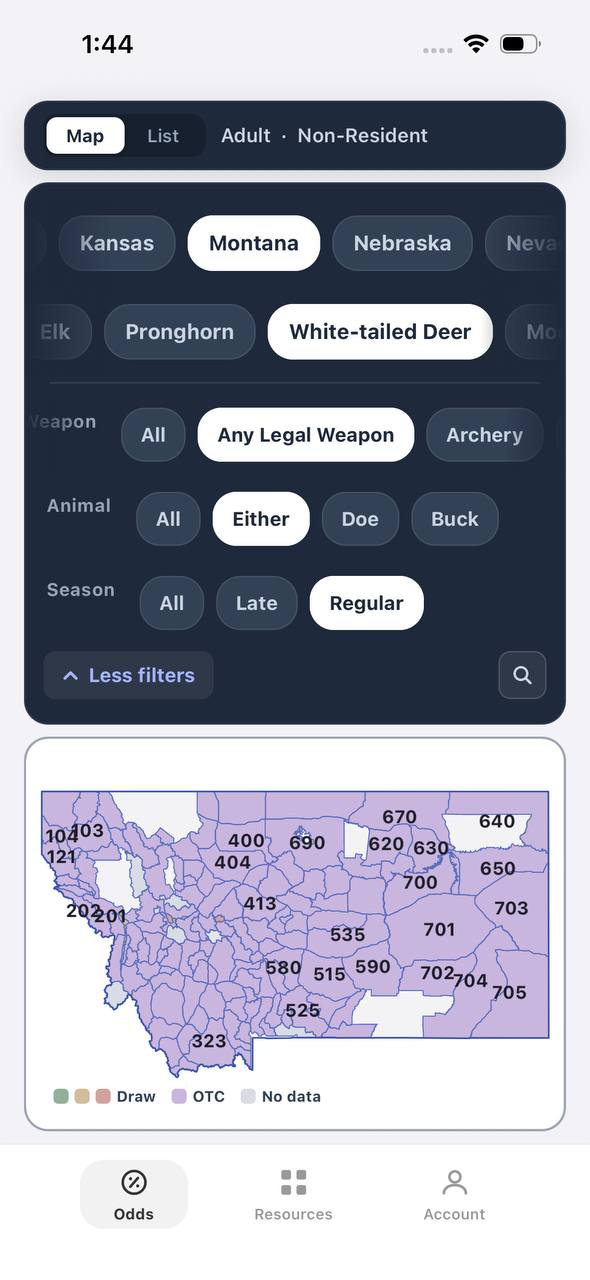
Your base layer choice connects directly to the type of hunt you're planning. TAGZ helps you filter hunt opportunities by season, terrain, and hunting style so you can match your layering system to actual conditions.
If you've invested in merino for scent-sensitive elk hunting, use TAGZ to identify units with high bugling activity and backcountry access where your gear investment pays off. Compare September versus October seasons across different states to find hunts where temperature swings and multi-day camping reward merino's temperature regulation.
If you're running synthetics for budget reasons, TAGZ helps you find OTC opportunities and lower-point draws that get you hunting without breaking the bank on tags and gear. Track your preference points across multiple states and plan hunts that fit your current gear setup rather than forcing expensive upgrades before you're ready.
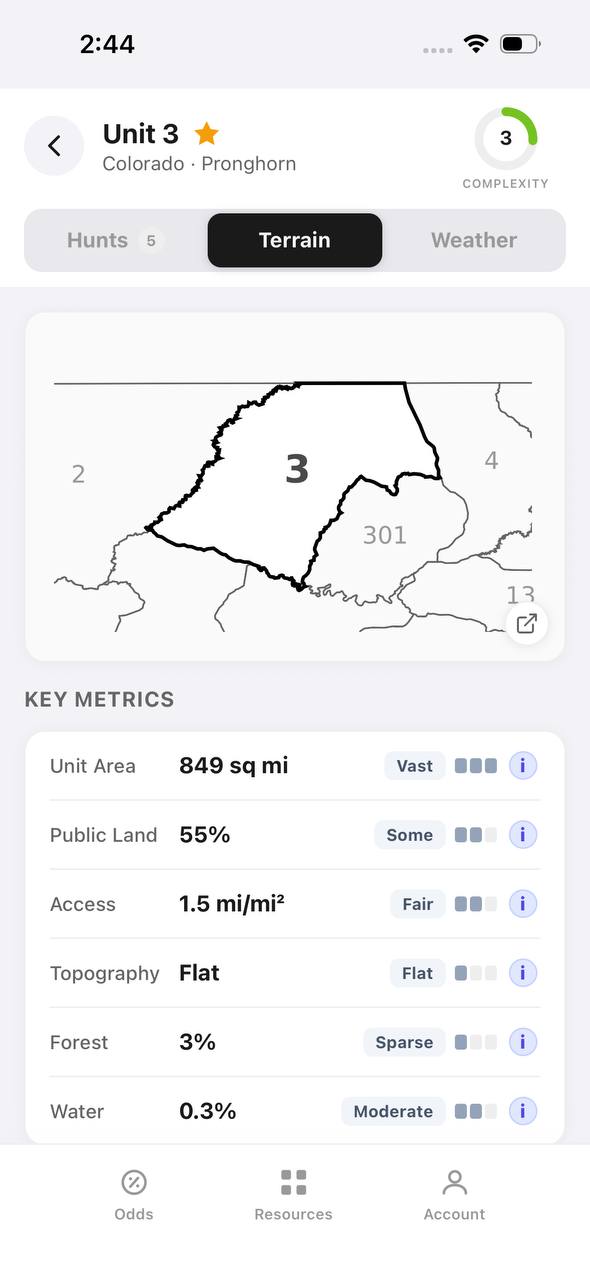
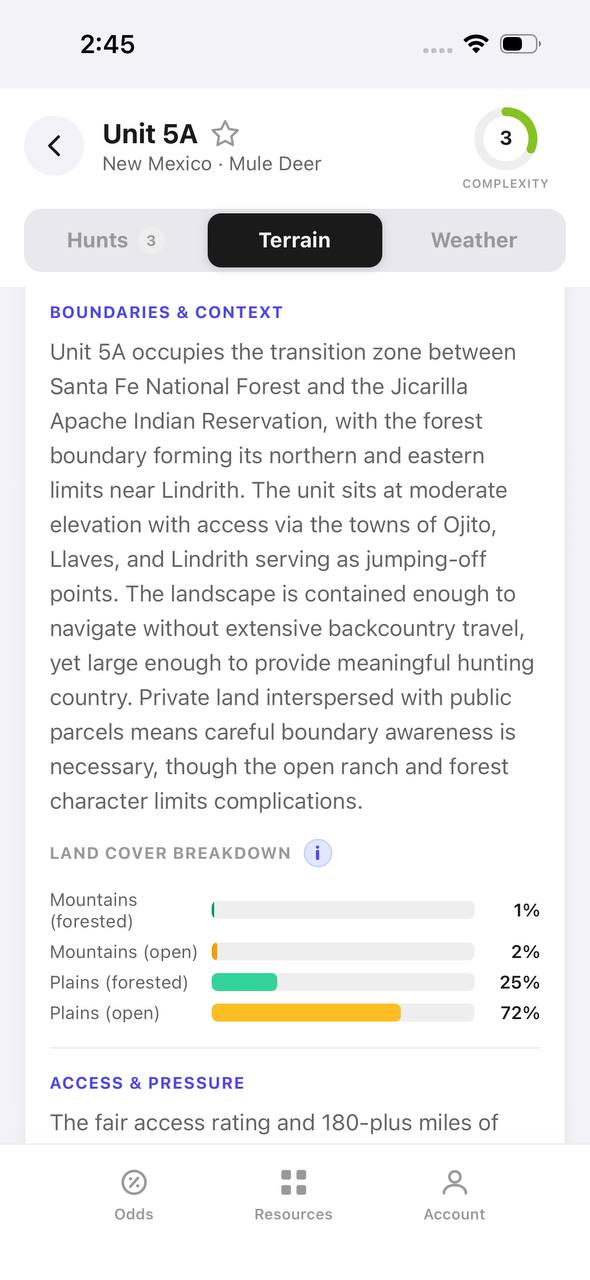
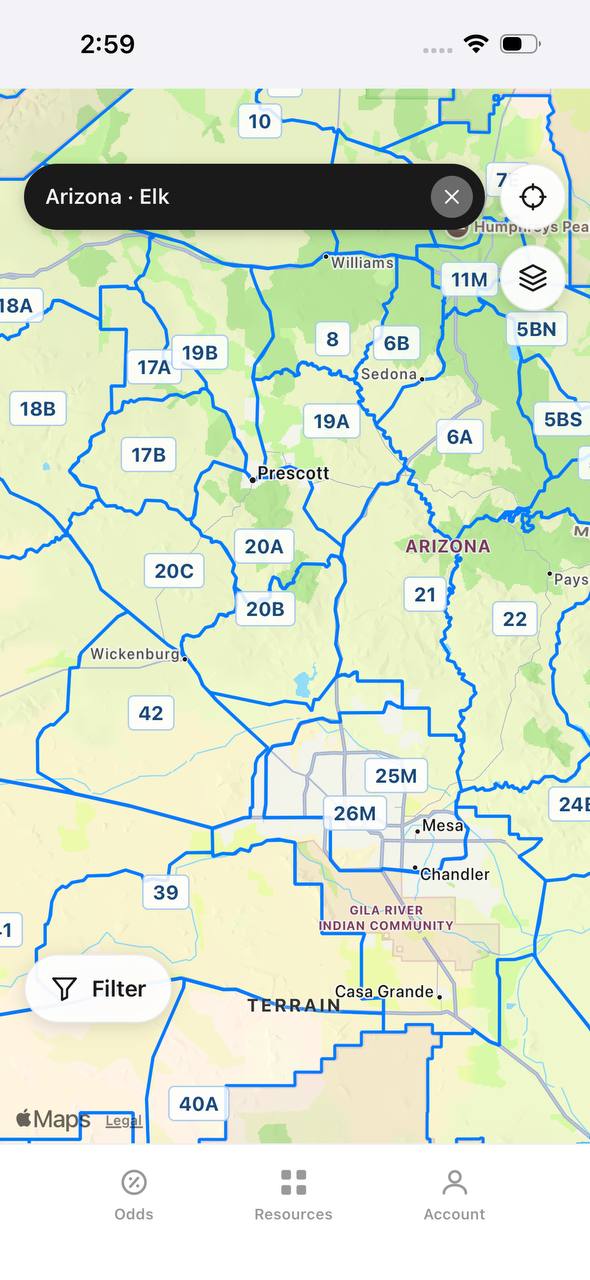
TAGZ provides terrain maps and unit boundaries so you can evaluate whether a unit involves steep climbs (where fast-drying synthetics shine) or patient glassing (where merino's comfort during stationary periods matters more). Understanding the physical demands of a hunt before you apply helps you choose the right base layer for the job.
FAQ — Merino Wool vs Synthetic Base Layers
Does merino wool really not smell after multiple days of hunting?
Yes. Merino's natural lanolin and protein structure prevent bacteria growth that causes odor. You can wear the same merino base layer for 5-7 days of hard hunting before it develops noticeable smell, though individual body chemistry affects results.
How much warmer is merino compared to synthetic base layers?
At the same fabric weight, merino and synthetics provide similar insulation. The difference is temperature regulation—merino moderates body heat across wider temperature swings and feels warmer when wet because it releases heat as it absorbs moisture.
Can I put merino base layers in the dryer?
You can use low heat, but air drying extends the life of merino significantly. High heat can shrink merino and damage the fine fibers. Most manufacturers recommend air drying to preserve performance and fit.
Do synthetic base layers work for elk hunting where scent matters?
Synthetics can work if you wash them daily in scent-free detergent and store them in sealed bags. However, merino provides superior scent control without the extra effort, which matters most during close encounters in bedding areas or during the rut.
How long do merino base layers last compared to synthetics?
Synthetics last 3-5 seasons of hard use. Merino lasts 1-3 seasons depending on care and abrasion from packs and brush. Merino's higher upfront cost is partially offset by synthetics' longer lifespan, though odor issues may retire synthetics before they physically wear out.
Are merino and synthetic blends worth buying?
Yes for hunters who want a middle-ground option. A 70/30 merino-synthetic blend dries faster than pure merino while maintaining better odor control than pure synthetic. Blends cost less than pure merino and offer a practical compromise for variable western hunting conditions.
Continue Planning Your Hunt
The right base layer keeps you focused on hunting rather than fighting your gear. Whether you choose merino, synthetic, or a blend of both, matching your layering system to the hunts you're pursuing makes every day in the field more effective.
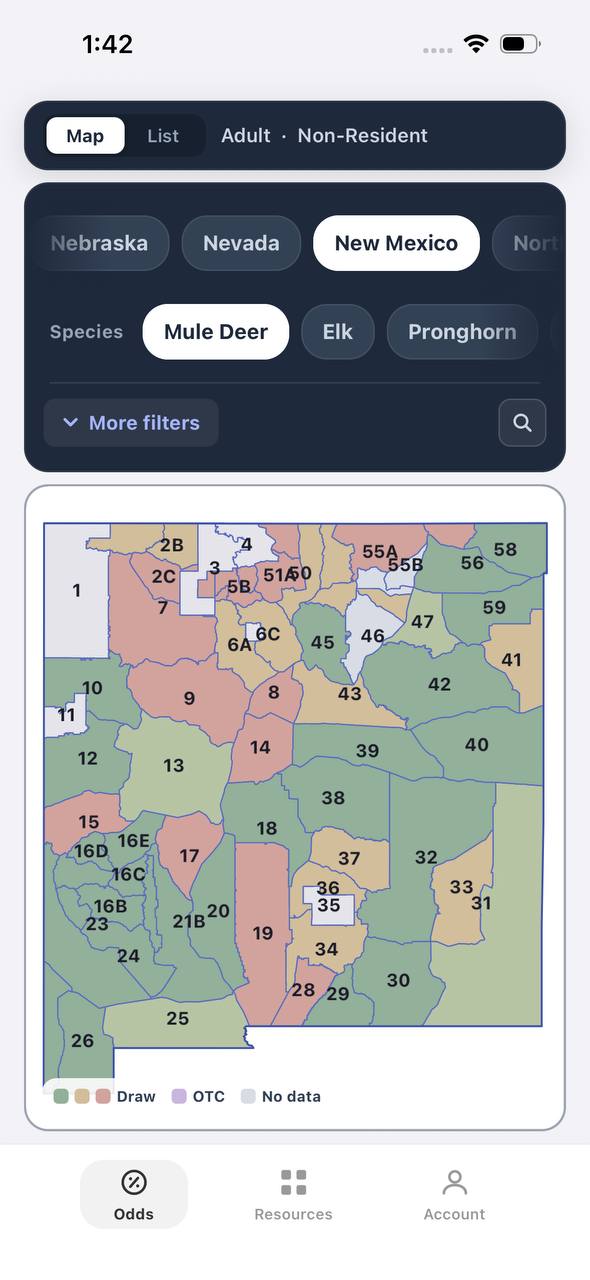
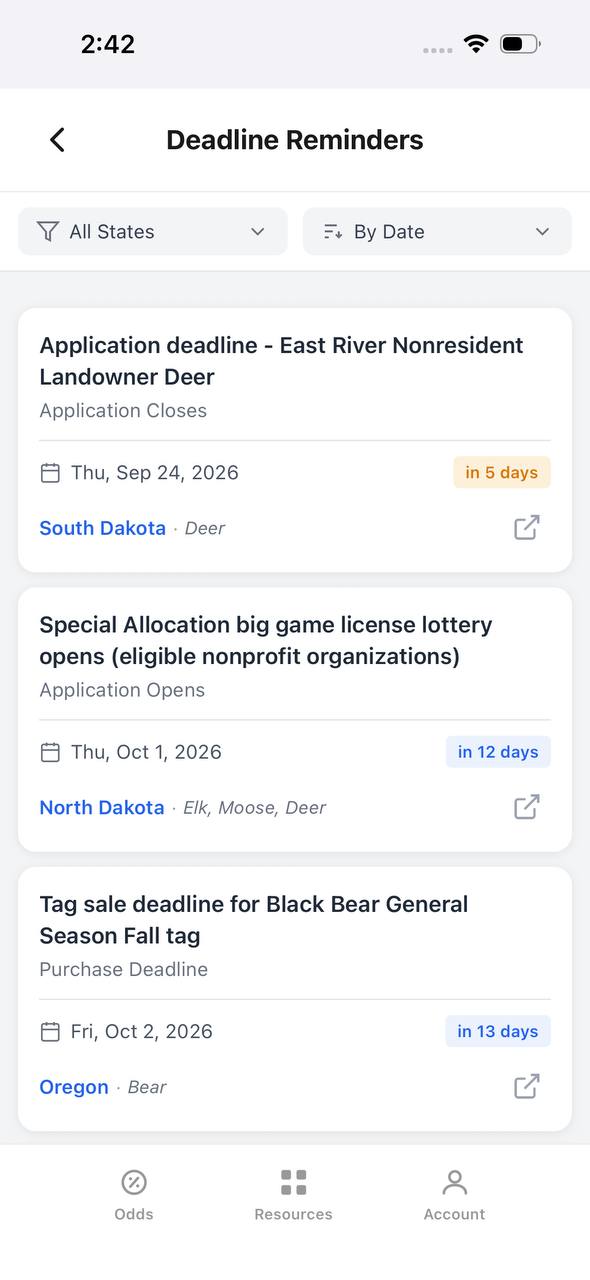
TAGZ gives you the tools to plan western hunts that match your gear and hunting style. Compare units side by side using terrain maps and historical draw data. Track your preference points and bonus points across multiple states so you never miss application deadlines. Filter hunts by season, weapon type, and terrain to find opportunities that reward the layering choices you've already made.
Western hunting success depends on preparation—from choosing the right base layer to selecting units where your skills and gear give you the best chance at filling a tag. Create your free TAGZ account and start building hunts that put you in position to succeed before you ever submit an application.
Explore more western hunting strategies on the TAGZ Insights blog, review our pricing options for premium draw odds data, or dive into the TAGZ platform to start comparing units and tracking your points today.
Was this article helpful?
Previous
Best Budget Mule Deer Rifles for Western Hunters in 2026
From open sage flats to steep alpine basins, mule deer hunting demands accurate rifles that won't break the bank. This guide covers the top budget-friendly bolt-actions, chamberings, and optics combinations that serious hunters rely on across the West.
Related
Best Budget Mule Deer Rifles: Top Affordable Picks for Western Hunters
Quality mule deer rifles don't require a $2,000 price tag. We break down the best budget-friendly rifles that deliver accuracy and reliability across Western terrain, from open sage flats to high-elevation timber.
Next
Best Remington 700 Calibers for Elk Hunting: Cartridge Comparisons for Western Mountains
The Remington 700 remains the most popular elk rifle platform among western hunters, but choosing the right caliber matters more than the action. This guide compares proven elk cartridges chambered in the 700, from the .270 Winchester to magnum options, with real-world field performance data.