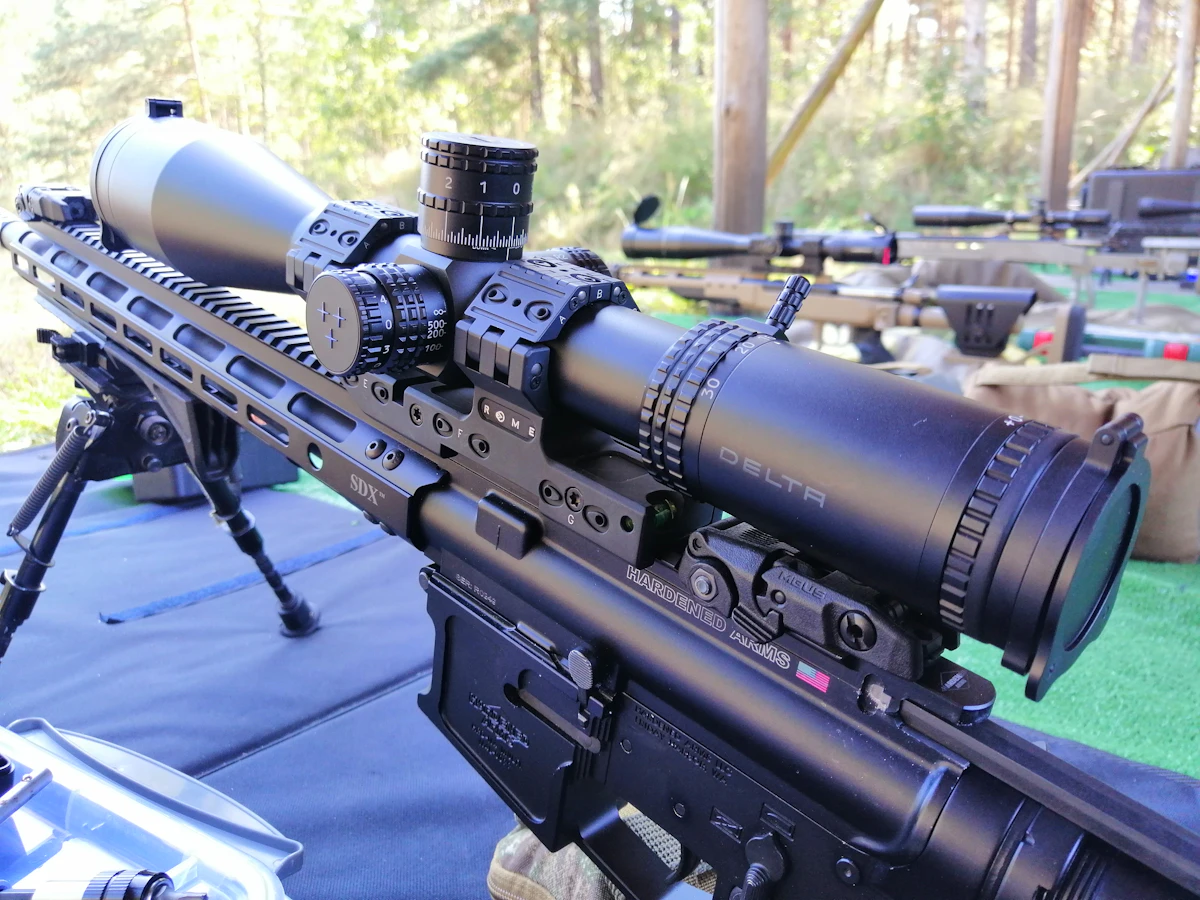
Best Remington 700 Calibers for Elk Hunting: Cartridge Comparisons for Western Mountains

The Remington 700 has anchored more elk across the West than any other rifle platform. Walk into any Colorado, Montana, or Wyoming elk camp and you will find multiple 700s leaning against tent walls. The action is proven. The accuracy is reliable. But the caliber chambered in that 700 determines whether you have enough gun for a quartering-away shot at 350 yards on a 700-pound bull.
Choosing the right Remington 700 caliber for elk hunting means balancing terminal ballistics, recoil management, and the shooting distances typical of western public land hunts. A timber hunter in Oregon has different needs than a hunter glassing open basins in central Idaho. This guide breaks down the most effective elk calibers available in the 700 platform, with real-world performance comparisons to help you choose the right cartridge before you ever fill out a draw application.
Why the Remington 700 Dominates Elk Country
The Remington 700 has been the foundation of American hunting rifles since 1962. Its controlled-round-feed action, factory accuracy, and aftermarket support make it the default choice for hunters who need one rifle that works in all conditions. Elk hunters favor the 700 because it handles heavy recoiling magnums without complaint, maintains zero after bumping around in a truck or on a pack frame, and shoots accurately enough for long-range mountain shots.
Every major ammunition manufacturer loads factory ammo optimized for the 700's standard 24-inch barrel. Custom gunsmiths know the platform inside and out. Replacement parts are available in every western town with a gun shop. When you build an elk rifle around a Remington 700, you are investing in a system that will last decades and shoot consistently year after year.
.270 Winchester: The Minimum Effective Elk Caliber
The .270 Winchester sits at the lower edge of acceptable elk calibers, but thousands of western hunters have killed elk cleanly with well-placed .270 shots. Federal and state wildlife agencies consider the .270 legal for elk, and it remains popular among hunters who value low recoil and flat trajectory over raw stopping power.
Loaded with 140-grain or 150-grain bullets designed for controlled expansion, the .270 delivers enough energy for broadside shots on elk at ranges under 300 yards. Nosler Accubonds, Barnes TTSX, and Swift Sciroccos perform well on elk-sized game when launched from a .270 at typical western hunting distances. The cartridge shines in timber hunts where shots come fast at closer range.
The limitation is bullet weight and retained energy at distance. A .270 loses velocity faster than heavier calibers, and the lighter bullets struggle with deep penetration on quartering shots. If your elk hunt involves open country glassing or shots beyond 350 yards, you need more gun.
.30-06 Springfield: The Proven All-Around Choice
The .30-06 Springfield has killed more North American elk than any other cartridge, and for good reason. It delivers 2,700 foot-pounds of energy at 300 yards with 180-grain bullets, handles every shot angle elk present, and recoils manageably enough that most hunters shoot it accurately without flinching.
Factory ammunition options for the .30-06 are endless. You can load 165-grain bullets for lighter recoil and flatter trajectory, or step up to 180-grain and 200-grain options for deeper penetration on heavy-boned bulls. Premium bullets like the Nosler Partition, Hornady ELD-X, and Federal Terminal Ascent all perform exceptionally well in the .30-06 when matched to a Remington 700's 24-inch barrel.
The .30-06 works across every western elk habitat. It hits hard enough for timber hunting in Washington, shoots flat enough for ridge-to-ridge shots in New Mexico, and carries enough energy for high-country Colorado hunts above timberline. If you only own one elk rifle, the .30-06 chambered in a Remington 700 is the most versatile choice.
7mm Remington Magnum: Long-Range Performance With Manageable Recoil
The 7mm Remington Magnum delivers magnum-level performance with less recoil than comparable .300 magnums. Loaded with modern 160-grain or 175-grain bullets, the 7mm Rem Mag maintains 2,000 foot-pounds of energy past 500 yards, making it ideal for western hunts where long shots across canyons are common.
Bullet selection matters with the 7mm Rem Mag. The 160-grain Nosler Accubond launched at 2,950 fps offers an exceptional balance of flat trajectory and terminal performance on elk. The 175-grain options provide deeper penetration but give up some velocity. Either way, the 7mm Rem Mag hits harder at distance than the .30-06 while recoiling roughly 15% less than a .300 Win Mag.
The cartridge excels in open-country units where glassing ridges and making calculated long shots define the hunt. Idaho's River of No Return Wilderness, Wyoming's high desert basins, and Nevada's alpine hunts all favor the 7mm Rem Mag's combination of reach and shootability. The Remington 700's action length was designed around belted magnums like the 7mm Rem Mag, so the cartridge feeds flawlessly and cycles smoothly.
Free to join
Download mobile app
- Detailed draw odds
- Point tracking
- Deadline reminders
- 18 states covered

Free to join
Download mobile app
- Detailed draw odds
- Point tracking
- Deadline reminders
- 18 states covered
Free to join
Download mobile app
- Detailed draw odds
- Point tracking
- Deadline reminders
- 18 states covered

.300 Winchester Magnum: Maximum Stopping Power for Any Shot Angle
The .300 Winchester Magnum is the choice when you need absolute confidence that your rifle will punch through heavy bone and deliver a quick kill on any shot angle. Loaded with 180-grain or 200-grain premium bullets, the .300 Win Mag delivers over 3,000 foot-pounds of muzzle energy and retains killing power past 600 yards.
Recoil is the tradeoff. A Remington 700 chambered in .300 Win Mag kicks noticeably harder than a .30-06 or 7mm Rem Mag. Hunters who do not practice regularly often develop a flinch, which destroys accuracy. If you choose the .300 Win Mag, invest in a quality recoil pad, practice with reduced-recoil loads during the off-season, and commit to becoming proficient with the rifle before the hunt.
The .300 Win Mag earns its place when the stakes are high. Limited-entry trophy hunts where you draw once in a decade justify the extra recoil. Hunts in grizzly country where a wounded elk could mean tracking into thick cover with a dangerous animal nearby demand maximum stopping power. Backcountry hunts where packing out an elk means a 10-mile packout and you only get one shot justify the confidence that comes with a .300 Win Mag.
Bullet Selection Matters More Than Caliber
Choosing between a .30-06 and a 7mm Rem Mag matters less than selecting the right bullet for elk. Elk are tough animals with heavy bone structure and thick hides. They absorb poor bullet placement better than deer or antelope, and they can cover serious ground even after a marginal hit.
Premium controlled-expansion bullets outperform cheap cup-and-core options on elk every time. Nosler Partitions, Barnes TTSX, Swift A-Frames, and Hornady ELD-X bullets are engineered to penetrate deep, retain weight, and expand reliably even after punching through shoulder bone. Match your bullet weight to your expected shooting distance—lighter bullets for flatter trajectory under 300 yards, heavier bullets for deep penetration on quartering shots or longer ranges.
Zero your Remington 700 at 200 yards regardless of caliber. This zero allows you to hold center-mass on elk out to 250 yards and only need minor holdover adjustments past 300. Practice shooting from field positions—sitting, kneeling, off a pack or trekking pole—because you will rarely get a perfect prone shot on an elk hunt.
How TAGZ Helps You Plan Hunts Around Your Rifle Setup
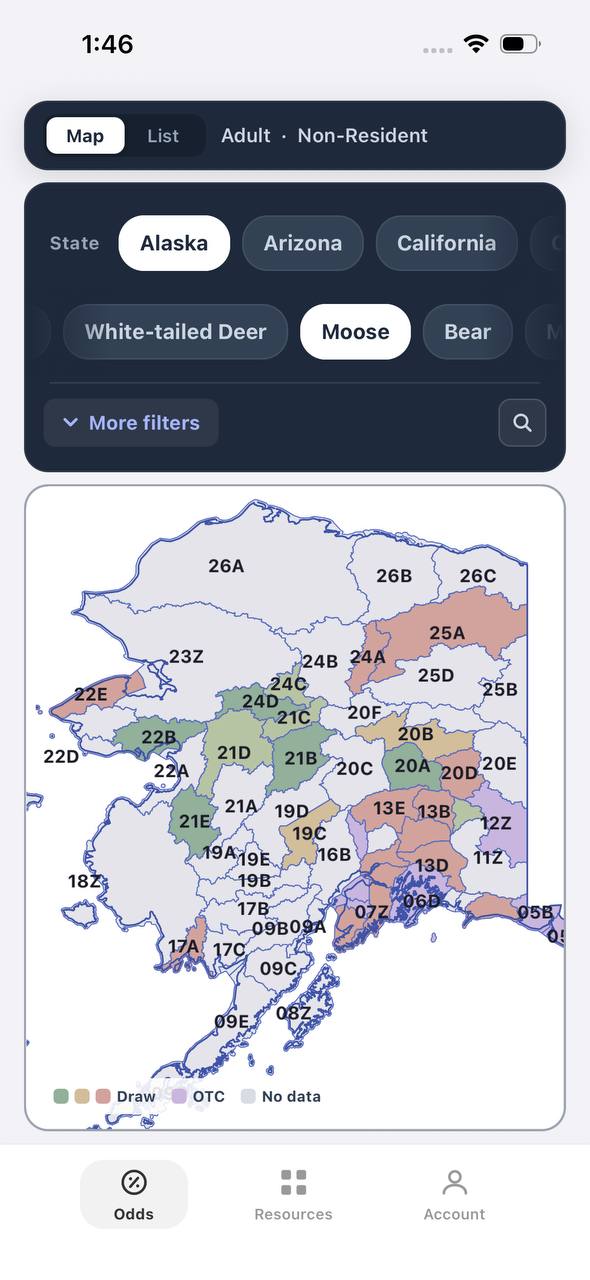
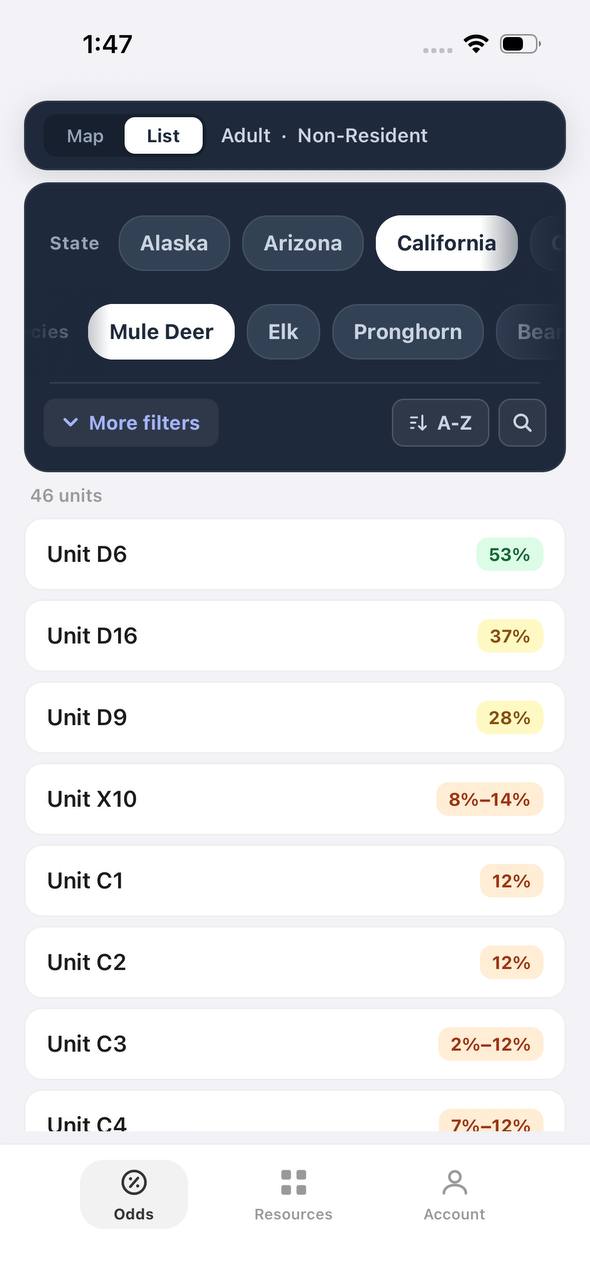
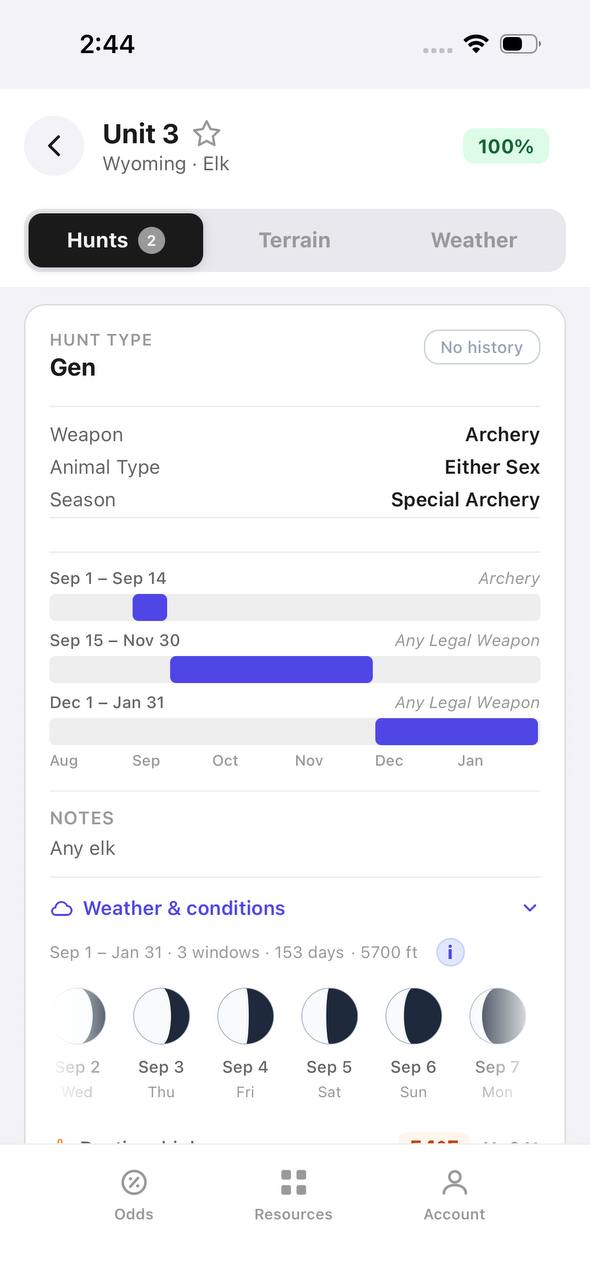
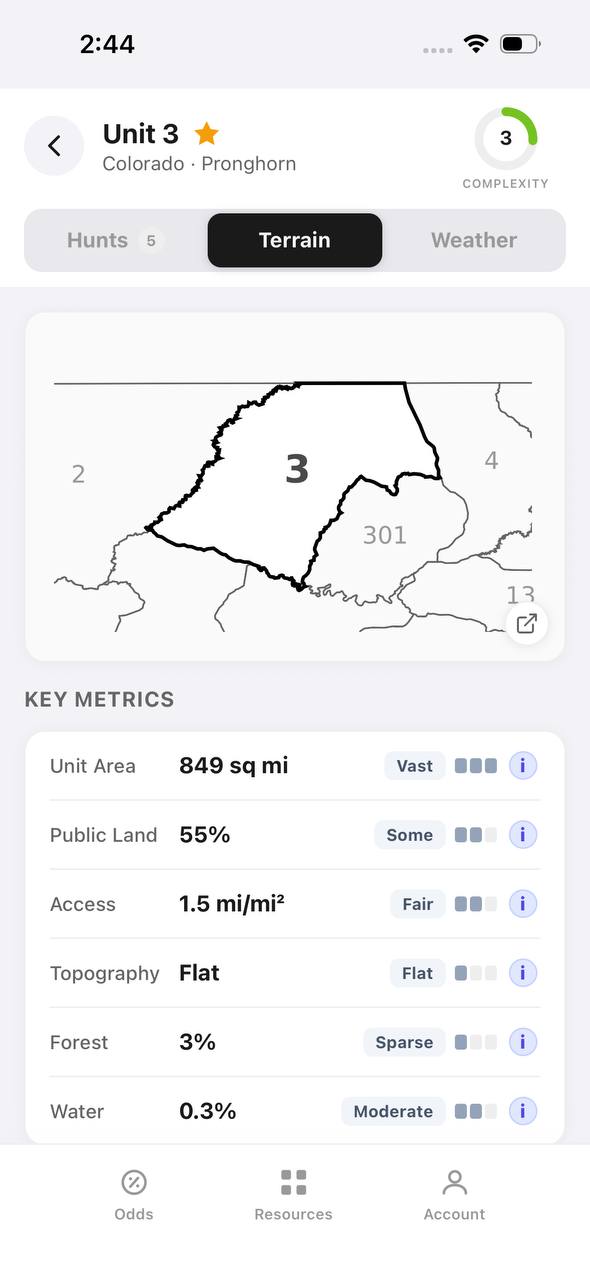
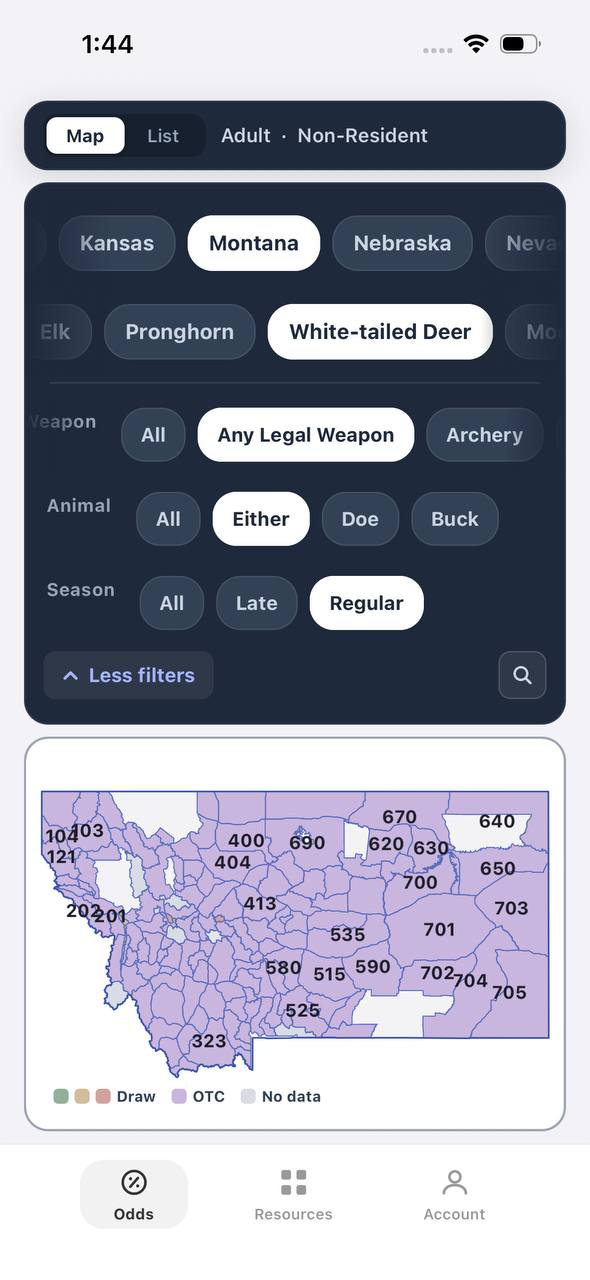
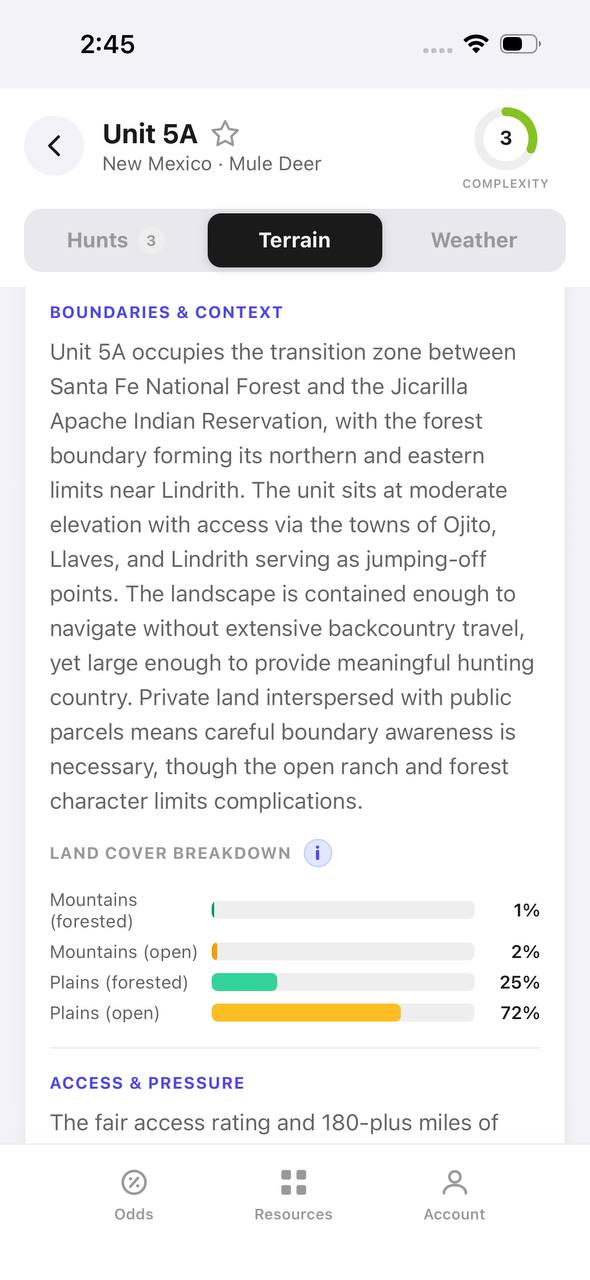
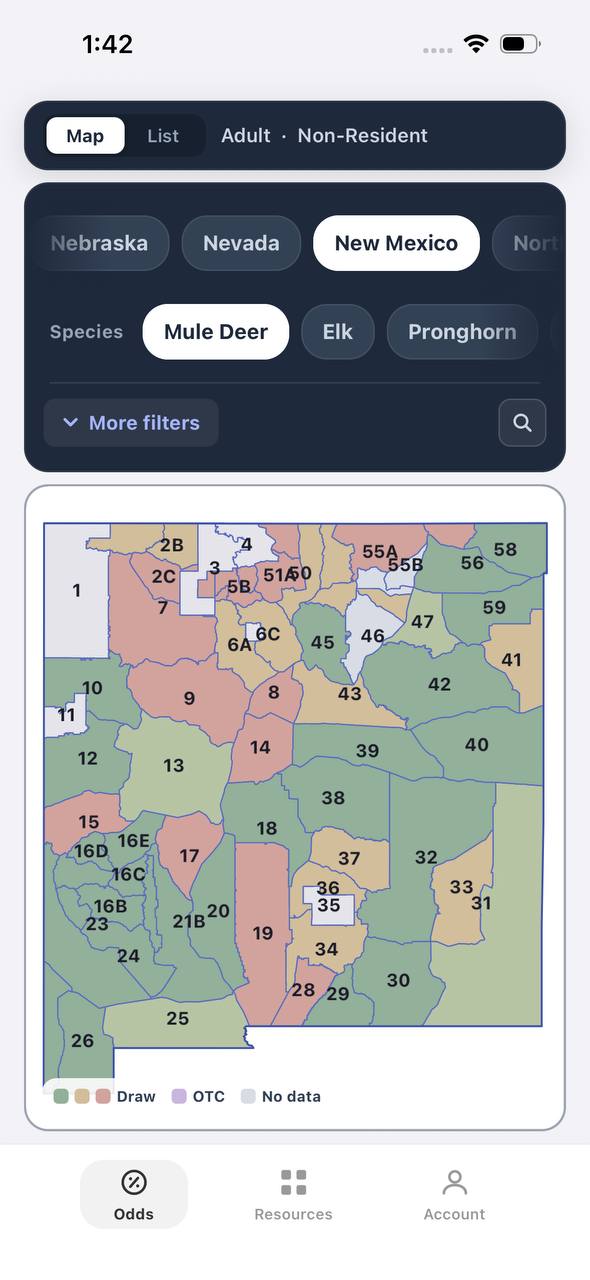
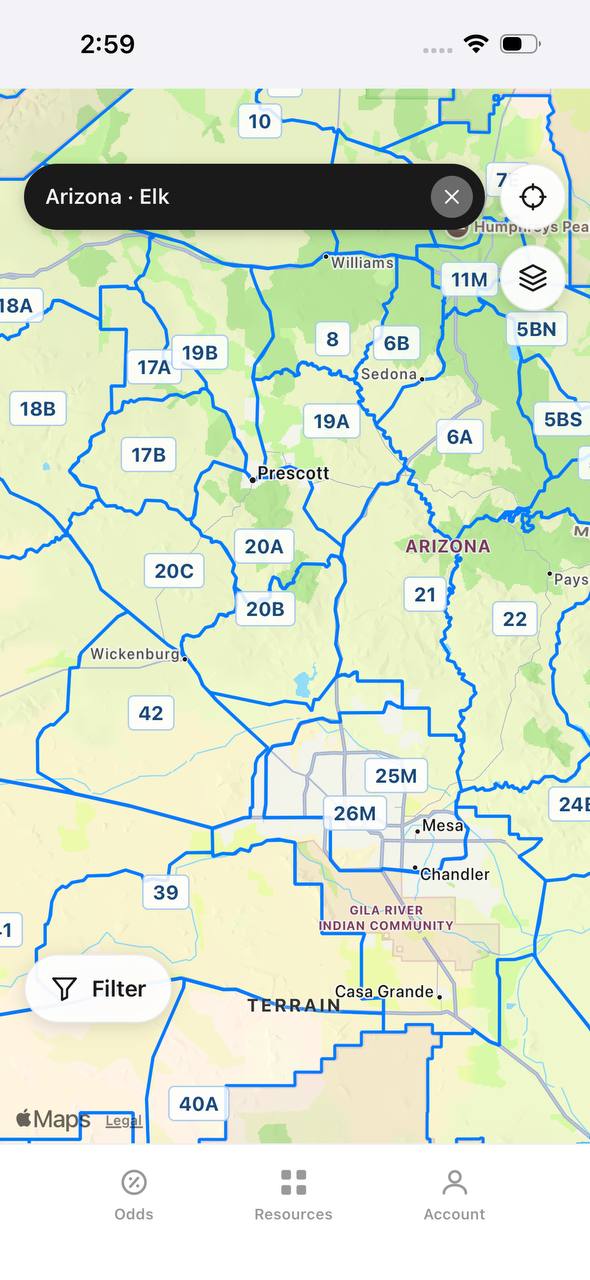
Once you have chosen your Remington 700 caliber, the next step is identifying elk units that match your rifle's effective range. TAGZ helps you filter units by terrain type, draw odds, and public land access so you can find hunts that fit your shooting setup.
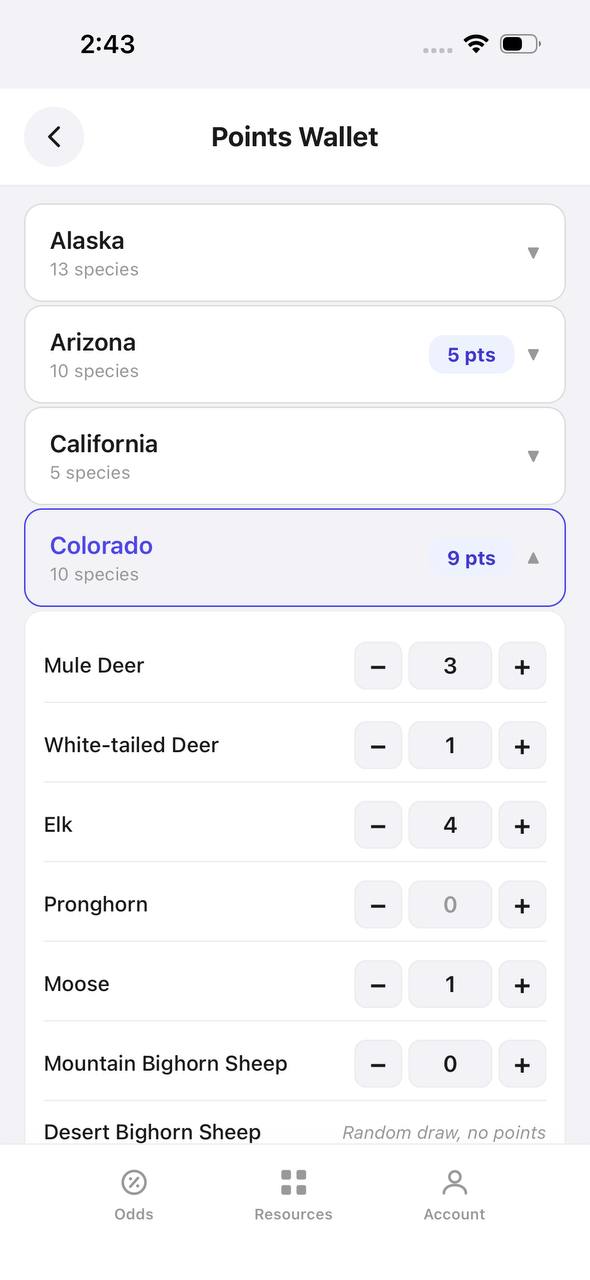
If you are running a .270 or .30-06 optimized for timber hunting, TAGZ unit maps show you where dense forest covers predominate and where shot distances stay under 300 yards. If you are shooting a 7mm Rem Mag or .300 Win Mag built for long-range work, TAGZ terrain breakdowns highlight open basins, ridge systems, and alpine zones where glassing and long shots define the hunt. Track your preference points across multiple states, compare draw odds side by side, and see exactly which units you can draw this year versus which ones require another year or two of point building.
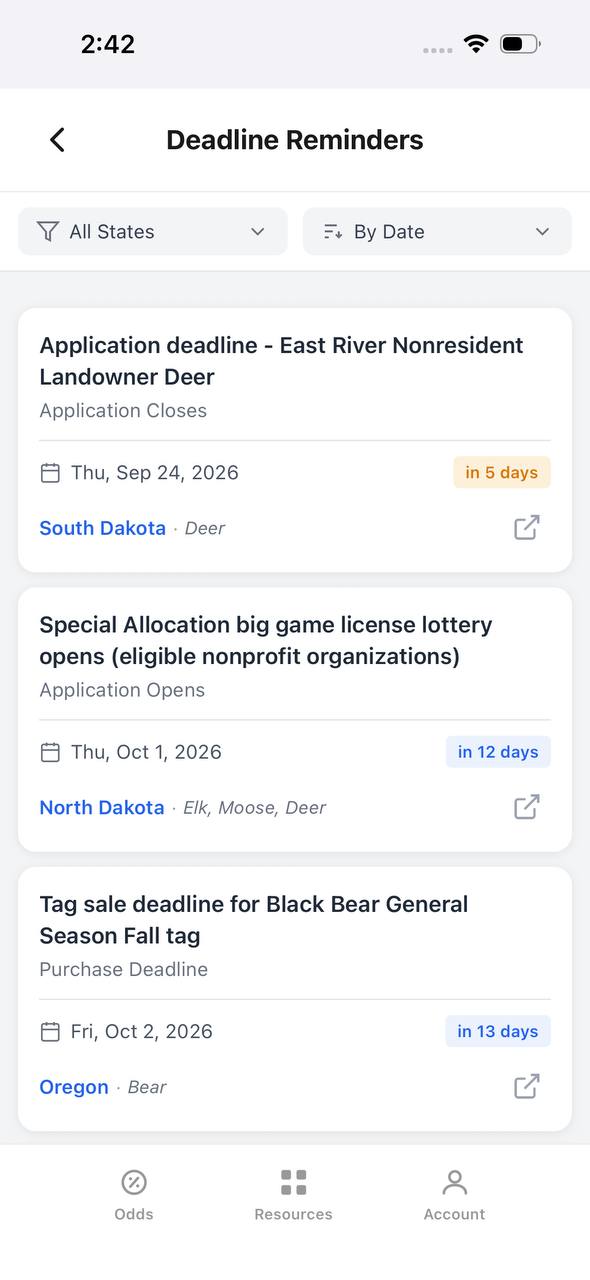
TAGZ also tracks draw deadlines so you never miss an application window. Whether you are chasing Colorado OTC elk tags, applying for limited-entry Nevada units, or building points in Wyoming, TAGZ keeps your multi-state strategy organized in one platform.
FAQ — Remington 700 Elk Calibers
What is the best Remington 700 caliber for elk hunting?
The .30-06 Springfield offers the best balance of power, recoil, and versatility for most western elk hunters. It handles every shot angle at typical hunting distances and ammunition is available everywhere.
Is a .270 Winchester enough gun for elk?
Yes, but only with premium bullets and disciplined shot placement. Limit shots to broadside or quartering-away angles under 300 yards. The .270 works best in timber where close-range opportunities are common.
Should I choose a 7mm Rem Mag or .300 Win Mag for elk?
The 7mm Rem Mag delivers excellent long-range performance with less recoil, making it easier to shoot accurately. The .300 Win Mag provides more stopping power for difficult shot angles but kicks harder. Choose based on your shooting proficiency and typical hunting distances.
What bullet weight should I use for elk?
For .270 Winchester, use 140–150 grain premium bullets. For .30-06, shoot 180-grain bullets. For 7mm Rem Mag, 160–175 grain works well. For .300 Win Mag, 180–200 grain bullets provide the best balance of trajectory and penetration.
How far can I ethically shoot an elk with a Remington 700?
Your effective range depends on your shooting skill, rifle setup, and field conditions. Most hunters should limit shots to 400 yards or less. Practice from field positions at the distances you expect to shoot before the hunt.
Do I need a muzzle brake on a .300 Win Mag elk rifle?
A muzzle brake reduces felt recoil by 30–40%, making magnum calibers much easier to shoot accurately. The tradeoff is increased noise and muzzle blast. If you struggle with recoil or plan to practice extensively, a brake helps.
Continue Planning Your Hunt
Now that you have matched your Remington 700 to the right elk caliber, start researching units that fit your rifle's capabilities. TAGZ gives you the tools to compare draw odds, track preference points, and identify elk units where your shooting setup gives you the best chance at success. Visit the TAGZ product page to see how unit maps, terrain breakdowns, and draw data help you plan smarter hunts. Check the TAGZ Insights blog for more guides on elk hunting strategy, cartridge selection, and western big-game applications. Ready to start planning your next elk hunt? Explore TAGZ pricing options and get access to the decision-making platform that simplifies western hunting applications.
Was this article helpful?
Previous
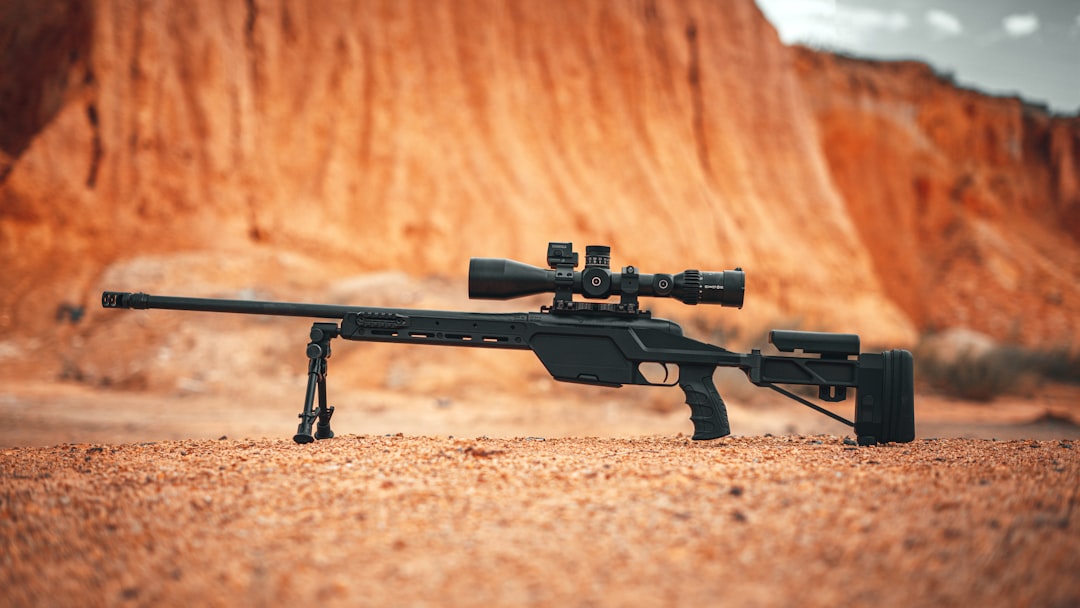
Best Budget Mule Deer Rifles for Western Hunters in 2026
From open sage flats to steep alpine basins, mule deer hunting demands accurate rifles that won't break the bank. This guide covers the top budget-friendly bolt-actions, chamberings, and optics combinations that serious hunters rely on across the West.
Related
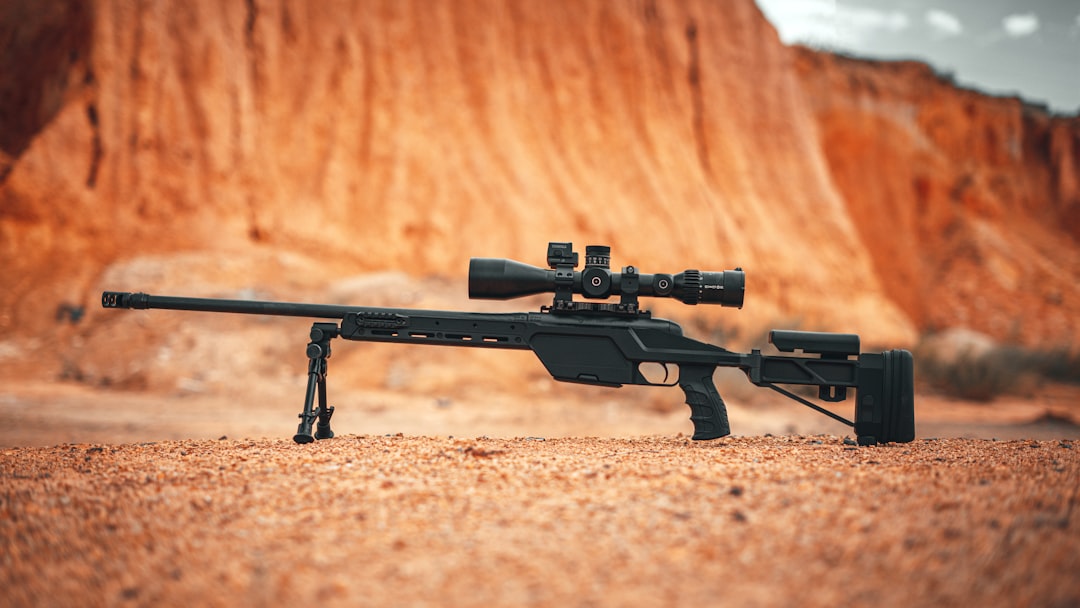
Best Budget Mule Deer Rifles: Top Affordable Picks for Western Hunters
Quality mule deer rifles don't require a $2,000 price tag. We break down the best budget-friendly rifles that deliver accuracy and reliability across Western terrain, from open sage flats to high-elevation timber.
Next
Gunwerks Rifles and Revic Optics for Mountain Hunting: A Field-Tested Review
Gunwerks rifles paired with Revic optics deliver precision long-range performance in the backcountry, but the premium price demands serious consideration. Here's what mountain hunters need to know about weight, ballistics, and real-world reliability.