Mature Buck Behavior: Reading Whitetail Movement Patterns That Win Hunts
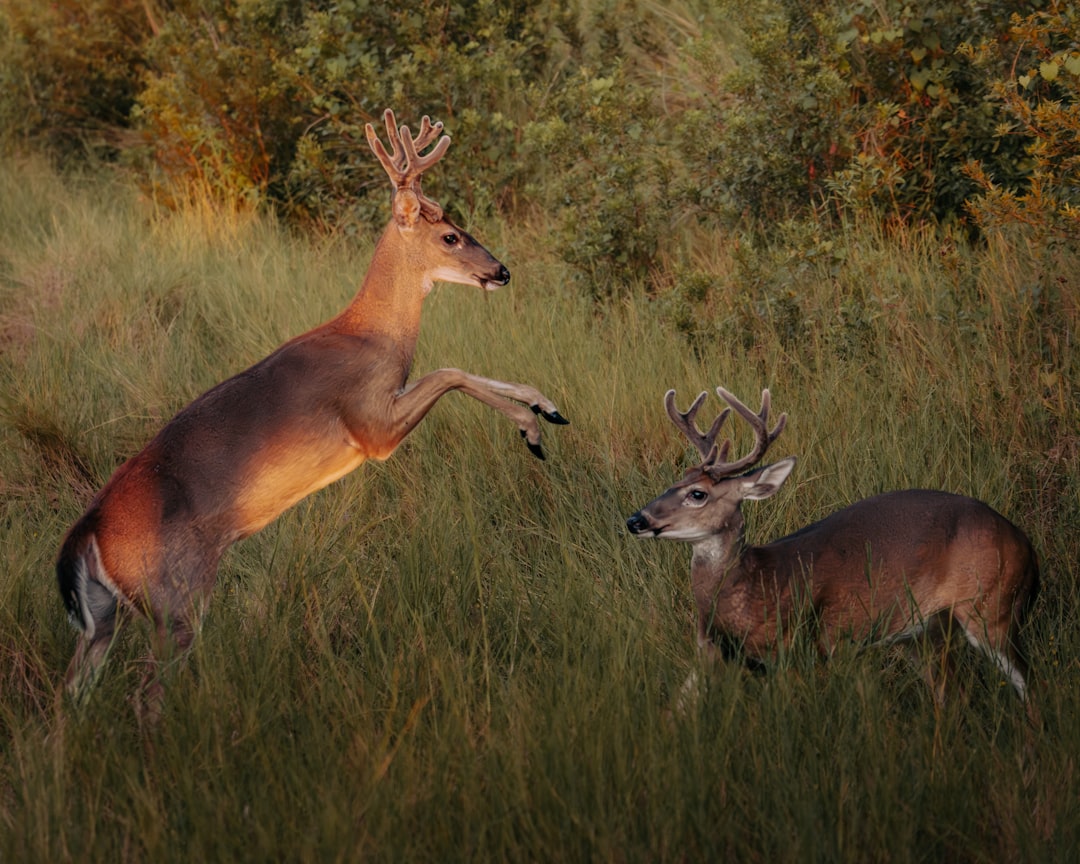
Mature bucks do not move like the rest of the herd. While does and young bucks feed openly in agricultural fields and follow predictable trails, a buck that has survived three or four hunting seasons has learned where pressure comes from and how to avoid it. He beds in thick cover with multiple escape routes, travels during low light, and uses terrain features that keep him downwind of approaching danger. Understanding these patterns is the difference between hunting deer and hunting mature bucks.
Why Mature Bucks Behave Differently
A mature buck's survival strategy is built on minimizing exposure. Every close call with a hunter, every truck door slam during a morning approach, and every mid-day intrusion into his core area reinforces the behaviors that keep him alive. He learns that open hardwood ridges are dangerous during daylight, that field edges become shooting galleries in October, and that the safest travel routes are the ones other deer avoid.
This does not mean mature bucks are nocturnal by nature. It means they have learned when and where human activity occurs, and they adjust accordingly. In low-pressure environments like large wilderness tracts or private land with minimal hunting activity, mature bucks will move during daylight. But in most whitetail country, especially public land, a mature buck's daytime movement is limited to narrow windows tied to wind direction, barometric pressure, and rut activity.
Where Mature Bucks Bed
Bedding areas are the foundation of a mature buck's territory. Unlike does, which often bed in loose groups near feeding areas, mature bucks seek solitude and security. They choose bedding sites that offer multiple advantages: thick cover that conceals them from view, elevation or terrain breaks that allow them to monitor approaches, and downwind escape routes if danger appears.
The best mature buck bedding areas share several characteristics. First, they are difficult to access without bumping the deer. This might mean a steep bluff, a cattail marsh, a tangled blowdown, or a patch of cedars so thick you cannot see five yards. Second, they offer a wind advantage. Bucks bed where thermals or prevailing winds carry scent from likely approach directions. Third, they provide escape cover. A mature buck will rarely bed in a location where he cannot slip out undetected if pressured.
On ridge systems, mature bucks often bed just below the crest on the leeward side, allowing them to scent-check the backside while watching the front. In flat country, they use edges—where thick cover meets open timber, where a creek bottom transitions into higher ground, or where a clearcut meets mature forest. The transition gives them visibility in one direction and cover in another.
How Mature Bucks Move Between Bedding and Feeding
The shortest distance between bedding and feeding is rarely the route a mature buck takes. Instead, he uses terrain funnels, benches, inside corners, and saddles that keep him in cover and allow him to scent-check for danger. These transition zones are where mature bucks are most vulnerable during daylight, and they are where the best hunting setups exist.
A mature buck entering a feeding area does not walk straight out into the open. He stages in cover 50 to 100 yards from the field edge, often in a finger of timber or brushy draw, waiting for darkness or herd movement before committing. He uses the same staging areas repeatedly, especially during the pre-rut and rut when doe groups begin frequenting feed fields. Setting up between bedding and these staging areas, rather than on the field edge itself, increases your chances of catching him during legal shooting light.
Paying attention to how bucks use terrain also reveals why certain trails see more mature buck traffic. A bench that contours along a hillside 50 yards below the ridgetop is a classic mature buck travel route. It keeps him below skylining on the ridge while staying above the bottom where scent pools. Saddles between two ridges funnel movement, especially during the rut when bucks are covering ground quickly. Inside corners where two terrain features meet—a creek and a ridgeline, for example—force deer to pinch through a narrow zone, making them ideal ambush points.
Reading Sign That Reveals Mature Buck Presence
Not all deer sign is created equal. Rubs and scrapes left by mature bucks have distinct characteristics that separate them from sign made by younger deer. Learning to distinguish between the two helps you focus your efforts on areas where mature bucks are actually living, not just passing through.
Rubs on large trees—six inches in diameter or greater—are almost always made by mature bucks. Young bucks lack the mass and antler size to consistently work big trees. Pay attention to rub lines that follow terrain features like benches, ridge spines, or creek bottoms. A series of rubs spaced 20 to 50 yards apart along a travel corridor indicates a mature buck is using that route regularly, especially if the rubs are fresh and appearing over multiple weeks.
Scrapes are more complicated. Many scrapes are made by multiple bucks, including young ones. But primary scrapes—large, heavily worked scrapes located in high-traffic areas under overhanging branches—are revisited by mature bucks throughout the rut. These scrapes are often in open areas where does pass frequently: field edges, trail intersections, or along ridge saddles. Mature bucks check these scrapes primarily at night, but during the peak rut, they may visit during daylight if doe activity is high.
Tracks and trails also tell a story. A mature buck's track is noticeably larger than a doe's, with a longer stride and deeper impression due to body weight. If you are finding large tracks in thick bedding cover or along secluded benches, you are in a mature buck's core area. Trails that are wide, well-used, and show multiple sets of tracks are doe trails. Mature buck trails are often faint, singular, and parallel to main trails rather than on top of them.
The Role of Wind and Weather in Mature Buck Movement
Mature bucks are wind-obsessed. They use it to scent-check bedding areas, monitor approaches, and navigate terrain. If the wind direction does not allow a buck to move safely through a particular area, he will wait or choose an alternate route. This is why hunting the same stand repeatedly with the wrong wind is a waste of time—you are educating the deer without ever seeing him.
Barometric pressure also influences movement. Mature bucks often increase daytime activity during the 12 to 24 hours before a cold front arrives, especially in late October and November. The change in pressure triggers feeding behavior as deer anticipate being locked down during the storm. Conversely, after a front passes and pressure spikes, daytime movement often decreases as deer bed tight and wait for conditions to stabilize.
Temperature matters more during the rut than any other time. Mature bucks will cruise for does during daylight when temperatures drop into the 30s and 40s, even on calm, sunny days. When temperatures climb into the 60s and 70s during the rut, mature bucks are more likely to move at night and bed during the day, conserving energy until conditions improve.
Hunting Pressure and Behavioral Shifts
Mature bucks react to hunting pressure by shifting where and when they move. On opening weekend of firearms season, a mature buck that was using an oak ridge during daylight may completely abandon that area for a week, retreating to a security cover he uses only when pressured. He knows what a truck sounds like, what a slamming tailgate means, and what human scent on a trail indicates. His response is to go nocturnal or move into areas hunters rarely enter.
This is why low-impact hunting strategies work. The fewer times you walk through a mature buck's core area, the more likely he is to continue using it during daylight. Access routes matter. If you are crossing through bedding cover on your way to a stand, you are training bucks to move only at night. Instead, use terrain features like creeks, field edges, or property boundaries to approach stands without contaminating the area.
Mid-day movement is one of the most overlooked windows for mature bucks under pressure. When every hunter is in the woods at dawn and dusk, a mature buck may slip between bedding areas at 10 a.m. or 2 p.m., especially during the rut. Staying in your stand through the middle of the day, particularly during the week of peak breeding activity, increases your odds significantly.
Rut Behavior and Vulnerability Windows
The rut is the one time of year when mature bucks make mistakes. Their focus shifts from self-preservation to breeding, and they will move during daylight, abandon their core areas, and expose themselves in ways they never would outside of the rut. But even during the rut, mature bucks are not reckless—they are just willing to take calculated risks.
During the pre-rut, mature bucks begin expanding their range, checking scrapes, and monitoring doe groups. They are still primarily nocturnal but are increasingly active during the last hour of daylight and the first hour of dawn. This is the time to hunt travel corridors between bedding and feeding areas, especially near primary scrapes.
During the peak rut, mature bucks are most vulnerable. They cruise doe bedding areas, cut across open terrain in daylight, and push into areas they would normally avoid. The best stands during this window are located in funnels between doe bedding areas or along terrain features that allow bucks to cover ground quickly while scent-checking for estrous does.
During the post-rut, mature bucks return to heavy cover and focus on recovering body condition. Movement becomes unpredictable, with short bursts of activity when a late-cycling doe comes into estrus. The best strategy during this phase is hunting near food sources—standing corn, late-season greens, or oak ridges with remaining acorns—where bucks will feed heavily during the last hour of daylight.
Using TAGZ to Research Hunting Pressure and Buck Patterns
While TAGZ is built for western big-game draw odds and hunt planning, its terrain mapping and public land research tools apply directly to whitetail hunting, especially for hunters scouting new properties or public land tracts. TAGZ lets you analyze terrain features like benches, saddles, and ridgelines from home, helping you identify likely bedding areas and travel corridors before ever stepping into the woods. You can overlay property boundaries, access points, and topography to plan low-impact approach routes that keep you out of a mature buck's core area until you are ready to hunt.
For whitetail hunters managing multiple properties or hunting across state lines, TAGZ helps organize your scouting data, map stand locations, and track seasonal patterns in one platform. Whether you are chasing mature bucks in the Midwest or planning a western mule deer hunt, TAGZ gives you the tools to make smarter decisions before you ever step into the field.
FAQ — Mature Buck Behavior
Do mature bucks move during the day?
Yes, especially during the rut and in low-pressure areas. In heavily hunted locations, mature bucks limit daylight movement to narrow windows tied to wind, weather, and doe activity.
How do I identify a mature buck bedding area?
Look for thick cover with elevation, multiple escape routes, and a wind advantage. Bucks bed where they can scent-check approaches and slip out undetected if pressured.
What is the best time to hunt a mature buck during the rut?
The best time is the week of peak breeding activity, typically early to mid-November in most northern states. Hunt all day if possible, especially during cold weather.
Why do mature bucks go nocturnal?
Hunting pressure is the primary cause. Mature bucks learn when and where human activity occurs and adjust their movement to avoid it. Low-impact hunting and strategic stand placement can keep them moving during daylight.
What type of terrain do mature bucks prefer?
Mature bucks favor benches, saddles, inside corners, and transition zones that offer cover, scent advantage, and multiple escape routes. They avoid wide-open areas and predictable travel routes during daylight.
How does weather affect mature buck movement?
Cold fronts, dropping barometric pressure, and cooler temperatures increase daytime movement. Mature bucks often move heavily in the 12 to 24 hours before a storm and during the rut when temperatures drop into the 30s and 40s.
Continue Planning Your Hunt
Whether you are patterning mature whitetails on public land or planning a western big-game hunt, TAGZ gives you the tools to scout smarter and make better decisions. Explore terrain mapping, draw odds analysis, and hunt planning resources at getmytagz.com.
For more hunting insights, strategies, and species-specific tactics, visit the TAGZ Insights blog. If you are ready to take your hunt planning to the next level, check out TAGZ pricing and see how the platform simplifies everything from preference point tracking to multi-state application strategy.
Was this article helpful?
Previous
Best Clothing for Whitetail Hunters: Field-Tested Gear That Works
The right clothing system keeps whitetail hunters comfortable, quiet, and concealed from September through December. This guide covers base layers, insulation, outer shells, and scent control across early-season bowhunts and late-season gun hunts.
Next
Best Compound Bows for Elk Hunting in 2025
Choosing the right compound bow for elk hunting requires balancing draw weight, axle-to-axle length, and shootability. This guide breaks down the top performers for backcountry and treestand hunters, plus the specs that matter most when hunting North America's toughest big game.