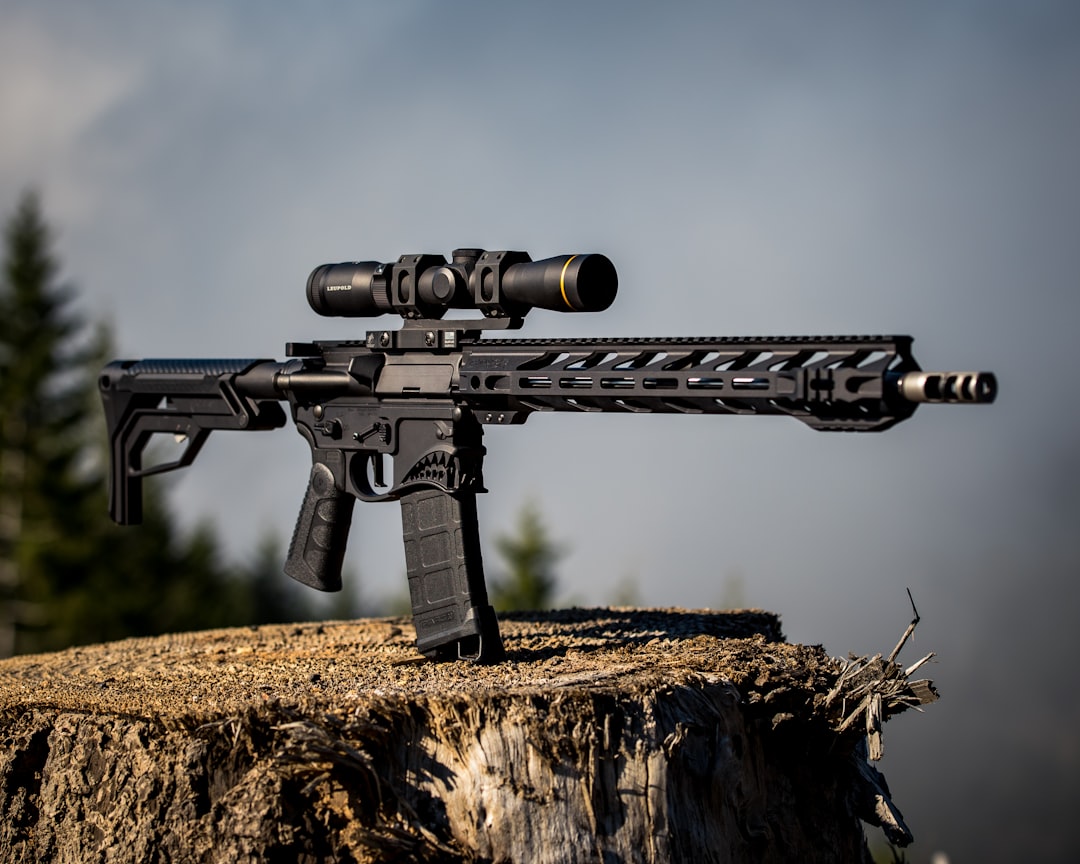
LRI Long Rifles Inc. — Custom Rifles Built for Western Hunting
Long Rifles Inc. (LRI) has earned a loyal following among western big-game hunters who demand precision, durability, and weight-conscious builds for backcountry hunting. Founded by gunsmith Chad Dixon in Kansas, LRI specializes in bolt-action custom rifles built on blueprinted actions with hand-lapped barrels, adjustable triggers, and stock work tailored to mountain hunting. These rifles are not rushed — lead times stretch multiple years — but hunters who commit to the wait receive rifles capable of sub-MOA groups at extended range with cartridges optimized for elk, mule deer, sheep, and goat.
This guide explains what sets LRI apart, what to expect during the build process, typical costs, and whether a custom rifle fits your hunting style.
What Makes LRI Rifles Different
LRI rifles are built around precision and repeatability. Every action is blueprinted — trued, squared, and stress-relieved — to eliminate factory tolerances that hurt accuracy. Barrels are hand-lapped, chambered to match-grade tolerances, and crowned to protect the bore. Triggers are tuned to crisp, predictable breaks. Stock inletting is bedded with precision compounds to eliminate flex under recoil.
The result is a rifle that shoots consistently in field conditions. LRI does not chase gimmicks or marketing hype. The shop focuses on proven cartridges, proven actions, and proven stock designs that hold zero through altitude changes, temperature swings, and rough pack-outs.
Many LRI customers are repeat clients who return for second or third builds after experiencing the difference in the field. The rifles are not just accurate on a bench — they hold zero after hard miles, stay reliable in cold weather, and maintain point-of-impact shift-free performance across elevation zones.
Build Options and Customization
LRI offers full custom builds and semi-custom packages. Full custom builds allow complete control over action choice, barrel contour, stock selection, chambering, and finishing. Semi-custom packages use pre-configured components with limited customization to shorten lead times.
Popular action choices include Defiance, Stiller, Remington 700, and custom-trued Tikka builds. Barrel brands include Bartlein, Krieger, Proof Research carbon fiber, and others known for match-grade consistency. Stock options range from McMillan and Manners fiberglass to AG Composites and other lightweight synthetics designed for mountain hunting.
Chambering choices lean toward proven western cartridges. The 6.5 PRC, 7mm Remington Magnum, .300 Winchester Magnum, .280 Ackley Improved, and 6.5 Creedmoor dominate orders. LRI also chambers wildcats and less-common rounds when hunters have specific ballistic goals.
Finishing options include Cerakote in solid colors or custom camo patterns, stainless steel bead blasting, and bluing for traditionalists. Most hunters choose Cerakote for corrosion resistance during alpine hunts where moisture and altitude create harsh conditions.
Lead Times and Ordering Process
LRI lead times currently sit between 24 and 36 months depending on build complexity and component availability. The shop does not rush builds to meet artificial deadlines. Each rifle receives the same attention whether it is the first or hundredth in the queue.
The ordering process begins with a phone consultation. Hunters discuss intended use, cartridge preference, weight targets, and budget. LRI provides honest feedback about what will and will not work for a given hunt. If a hunter wants a 5-pound .300 Winchester Magnum, LRI explains the recoil consequences. If a hunter wants a 10-pound sheep rifle, LRI suggests lighter alternatives.
Once the build is confirmed, a deposit is required to secure a spot in the queue. Updates are sparse but honest. LRI does not send monthly progress reports, but the shop responds to direct inquiries and provides realistic completion windows.
When the rifle is finished, final payment is due. Hunters can arrange pickup or shipping through an FFL. Many customers opt for a range session with Chad Dixon to verify zero and learn the rifle's characteristics before heading into the field.
Cost and Value
LRI custom rifles typically range from $4,000 to $8,000 depending on components and finishing. A basic blueprinted Remington 700 build with a Bartlein barrel, McMillan stock, and Timney trigger might start around $4,500. A full custom Defiance action with a Proof Research carbon barrel, AG Composites stock, Trigger Tech Diamond trigger, and multi-color Cerakote can exceed $7,000.
These prices do not include optics, rings, or mounts. Budget another $1,500 to $3,000 for quality glass appropriate for western hunting.
The value equation depends on how you hunt. If you chase OTC elk in timber at 200 yards, a factory rifle works fine. If you hunt alpine mule deer where shots stretch to 500 yards, pack weight matters, and reliability cannot fail, a custom LRI rifle justifies the cost.
LRI rifles hold resale value better than most custom builds. Used LRI rifles sell quickly on forums and classifieds because buyers trust the build quality and know the rifle was built right the first time.
Free to join
Download mobile app
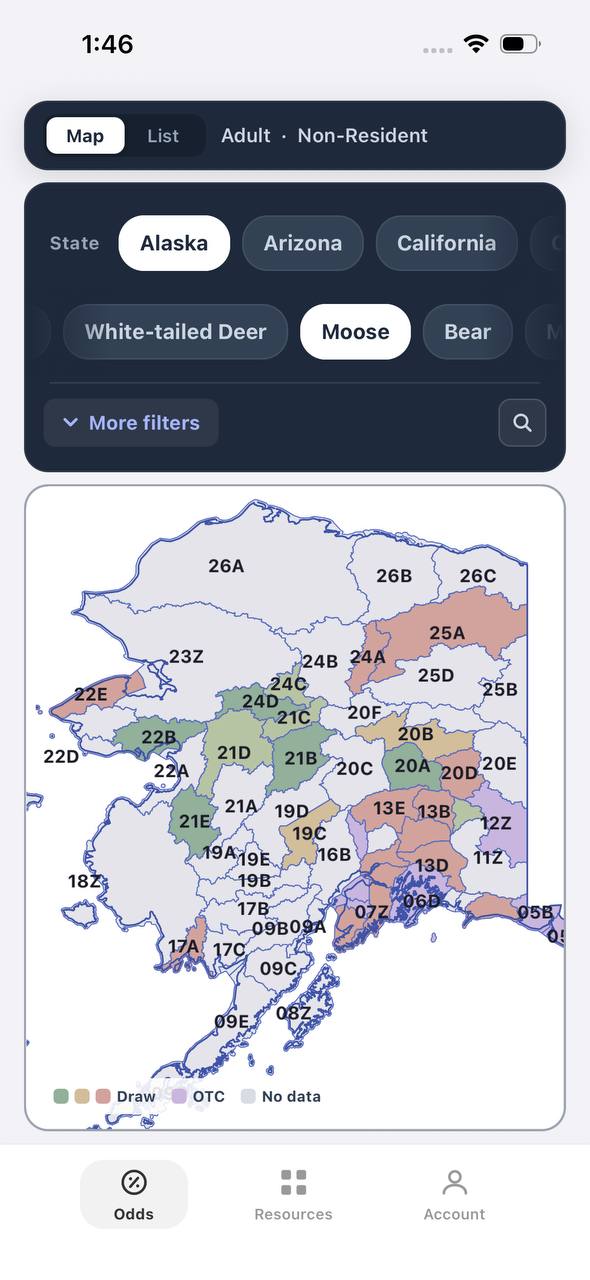
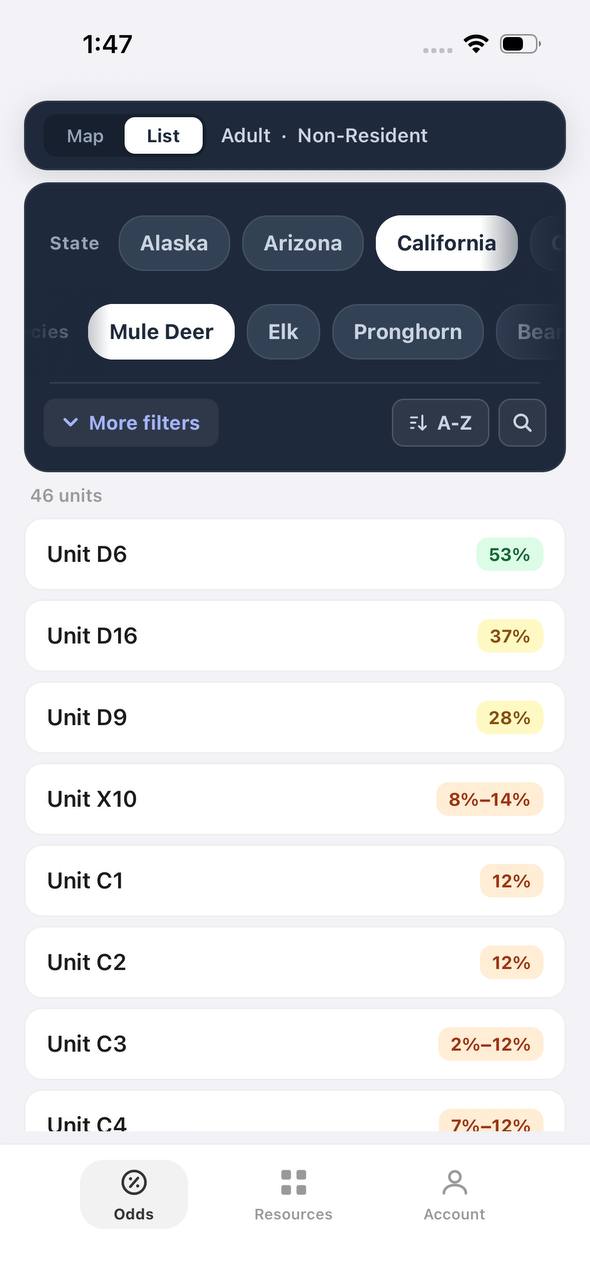
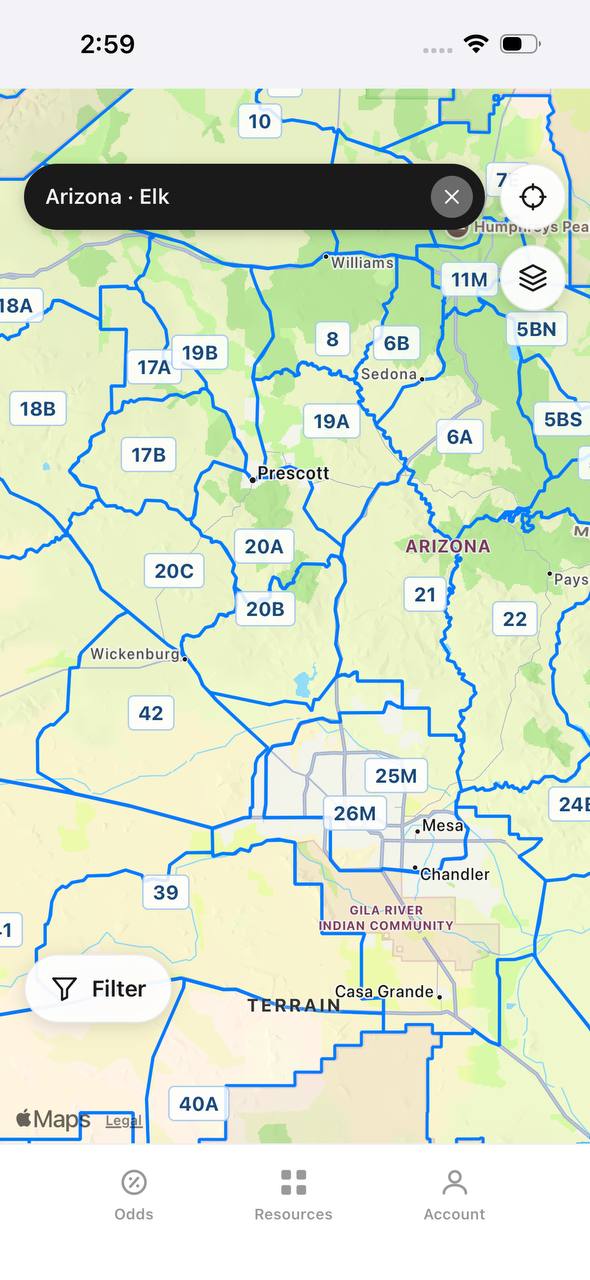
- Detailed draw odds
- Point tracking
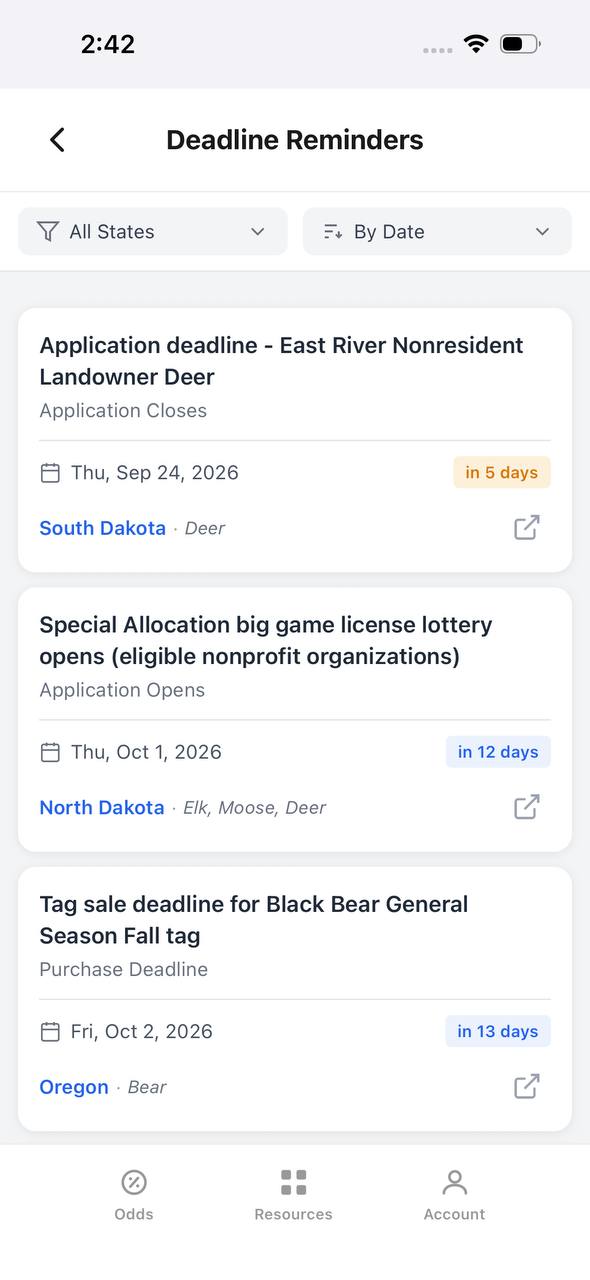
- Deadline reminders
- 18 states covered

Free to join
Download mobile app
- Detailed draw odds
- Point tracking
- Deadline reminders
- 18 states covered
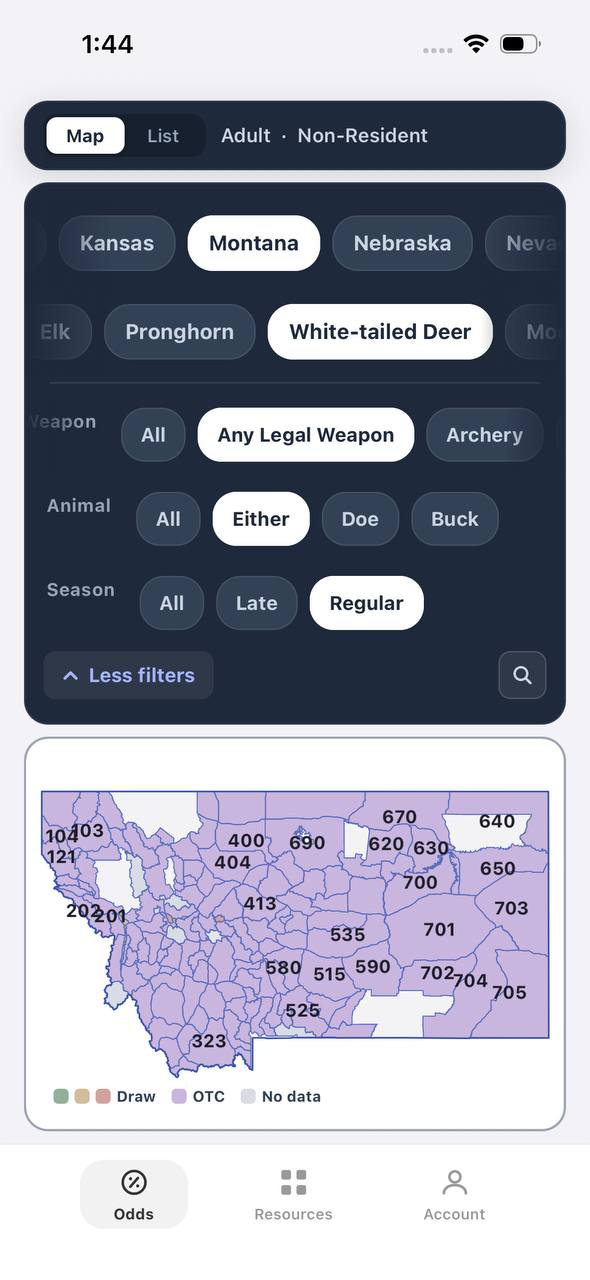
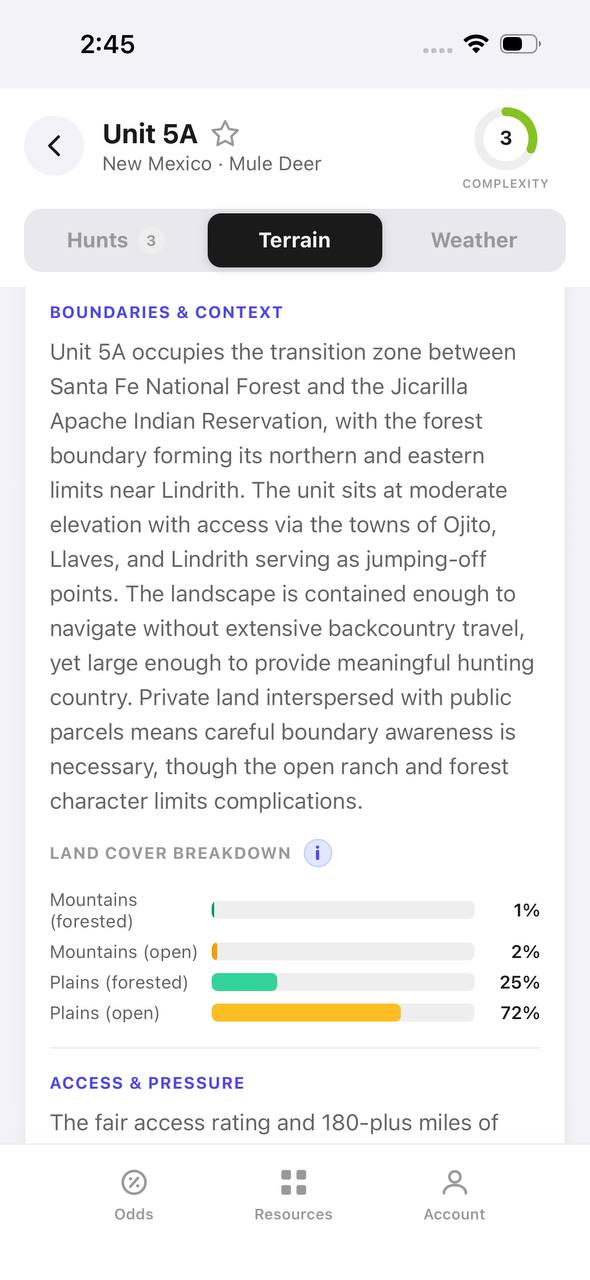
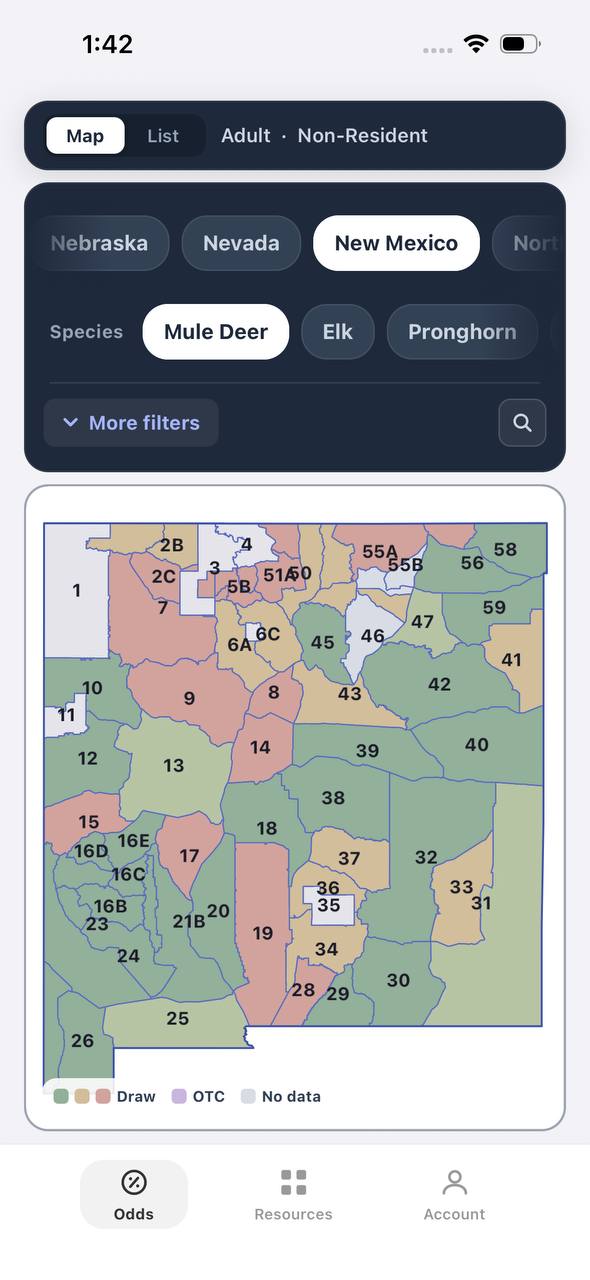
Free to join
Download mobile app
- Detailed draw odds
- Point tracking
- Deadline reminders
- 18 states covered

Who Should Consider an LRI Rifle
LRI rifles make sense for hunters who prioritize precision over convenience. If you hunt western mountains regularly, care about sub-MOA accuracy, and want a rifle built specifically for your cartridge and body dimensions, LRI delivers.
They also make sense for hunters willing to wait. If you need a rifle next season, buy factory. If you are planning a hunt three years out or building a long-term rifle for multiple western states, LRI timing aligns well.
LRI rifles are not entry-level purchases. New hunters should start with factory rifles, learn their shooting fundamentals, and hunt for a few seasons before committing to a custom build. By the time you understand what you need in a mountain rifle, LRI makes more sense.
Cartridge Selection Advice from LRI
LRI does not push cartridges. Chad Dixon builds what hunters request but offers candid advice based on decades of experience. The 6.5 PRC has become one of the most popular chamberings for mule deer and elk because it balances speed, energy, and recoil in a short-action package.
The 7mm Remington Magnum remains a top choice for elk hunters who want long-range capability with heavier bullets. The .300 Winchester Magnum is still king for serious elk hunters who prioritize terminal performance over recoil.
For hunters chasing sheep and goat, the .280 Ackley Improved offers excellent ballistics in a lighter rifle package. The 6.5 Creedmoor works for deer-sized game when cartridge length and component availability matter.
LRI chambers these cartridges with match reamers, throats optimized for modern high-BC bullets, and twist rates that stabilize heavy projectiles at altitude. A 7mm Remington Magnum from LRI is not the same as a factory rifle — the chamber dimensions, throat design, and barrel twist are built around specific bullet weights and seating depths.
Maintenance and Longevity
LRI rifles require the same maintenance as any precision bolt-action. Clean the bore every 40 to 60 rounds or after exposure to moisture. Use quality cleaning rods and solvents designed for stainless steel or chrome-moly barrels depending on your build.
Barrel life depends on cartridge choice. A 6.5 Creedmoor barrel might last 3,000 rounds before accuracy degrades. A .300 Winchester Magnum might show throat erosion after 1,200 to 1,500 rounds. LRI barrels are built to tight tolerances, so accuracy loss is gradual and measurable rather than sudden.
When rebarreling is needed, LRI offers barrel replacement services. Hunters can ship the barreled action back to the shop for a new barrel, chamber work, and re-finishing. Turnaround times for rebarrels are shorter than full builds — typically 6 to 12 months.
Stock and action maintenance is minimal. Check bedding screws for torque before each season. Inspect the stock for cracks after hard pack-outs. Clean and lubricate the bolt body and trigger housing annually.
Comparing LRI to Other Custom Builders
LRI competes with other high-end custom builders like Ryan Pierce (PVA), Unknown Munitions, Alamo Precision Rifles, and Gre Tan Rifles. Each builder has strengths, but LRI stands out for consistency, field-proven designs, and willingness to tell hunters what they need rather than what they want to hear.
Pierce focuses heavily on long-range precision with some hunting builds. Unknown Munitions offers shorter lead times but fewer stock options. Alamo builds excellent lightweight mountain rifles but runs similar wait times. Gre Tan specializes in ultra-light sheep rifles with carbon components.
LRI sits in the middle — not the lightest, not the fastest, but reliably accurate and built for hunters who log serious mountain miles. If you want a rifle that shoots half-MOA at sea level and still shoots half-MOA at 10,000 feet after a week in the backcountry, LRI delivers.
Real-World Performance in the Field
LRI rifles show up regularly in sheep camps, high-country mule deer hunts, and backcountry elk camps where rifles take punishment. Hunters report consistent point-of-impact across temperature and elevation changes, reliable feeding in cold weather, and accuracy that holds through rough pack-outs.
One common story: hunters who switch to LRI rifles after factory rifles lost zero during pack-ins or failed to group consistently at altitude. The difference is often immediate and measurable. A factory rifle that shoots 1.5 MOA becomes a custom LRI build that shoots 0.5 MOA and holds that accuracy through field conditions.
LRI rifles also excel in suppressor-ready builds. Many hunters order threaded barrels for suppressors to reduce recoil and noise during alpine hunts. LRI chambers and crowns suppressor-ready barrels correctly so accuracy does not degrade when the can is attached.
FAQ — LRI Custom Rifles
How long is the current wait time for an LRI rifle? Lead times range from 24 to 36 months depending on build complexity and component availability. Semi-custom packages may finish slightly faster, but full custom builds typically take the full window.
What does an LRI custom rifle cost? Prices range from $4,000 to $8,000 depending on action choice, barrel type, stock selection, and finishing. Most hunting builds fall between $5,000 and $6,500 before optics.
Can I order an LRI rifle chambered in a wildcat cartridge? Yes. LRI chambers wildcats and less-common cartridges if reamers and brass are available. Expect longer lead times for unusual chamberings.
Do LRI rifles come with a warranty? LRI stands behind workmanship and will address any defects in materials or build quality. Barrel life and normal wear are not covered, but the shop will repair or replace components damaged during the build process.
What is the best LRI chambering for elk hunting? The 7mm Remington Magnum and .300 Winchester Magnum are top choices for elk hunters who prioritize terminal performance and long-range capability. The 6.5 PRC works for elk hunters who want lower recoil and lighter rifle weight.
Are LRI rifles worth the wait and cost? If you hunt western mountains regularly, shoot at extended ranges, and want a rifle built specifically for your needs, yes. If you hunt occasionally or primarily shoot inside 300 yards, a quality factory rifle may be sufficient.
Continue Planning Your Hunt
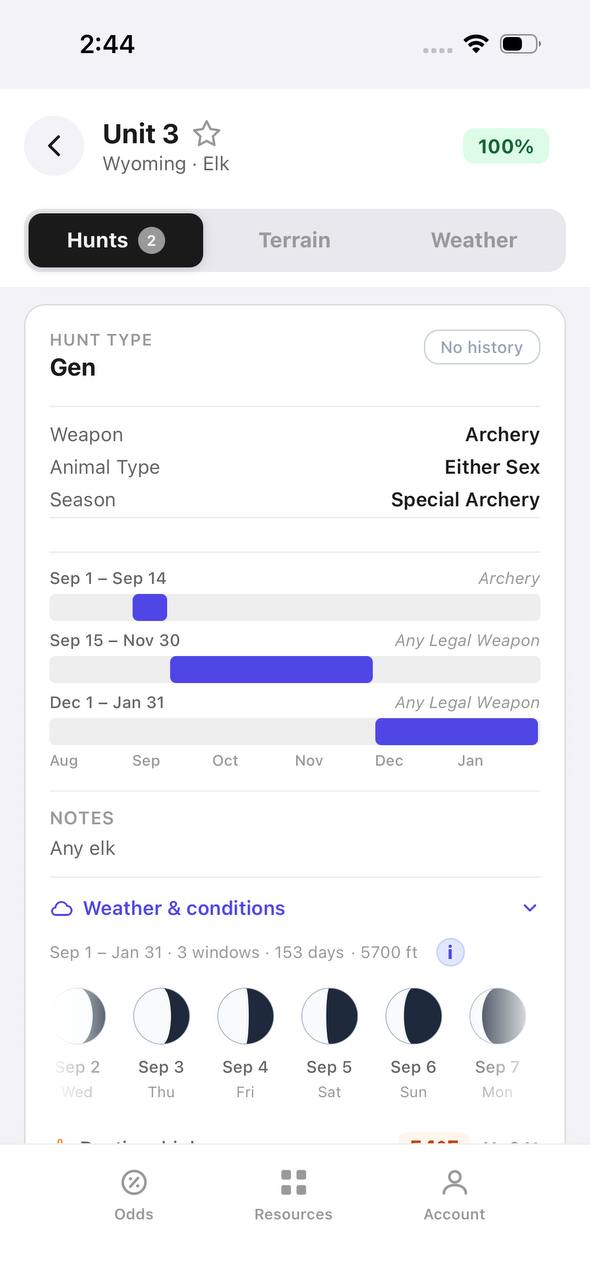
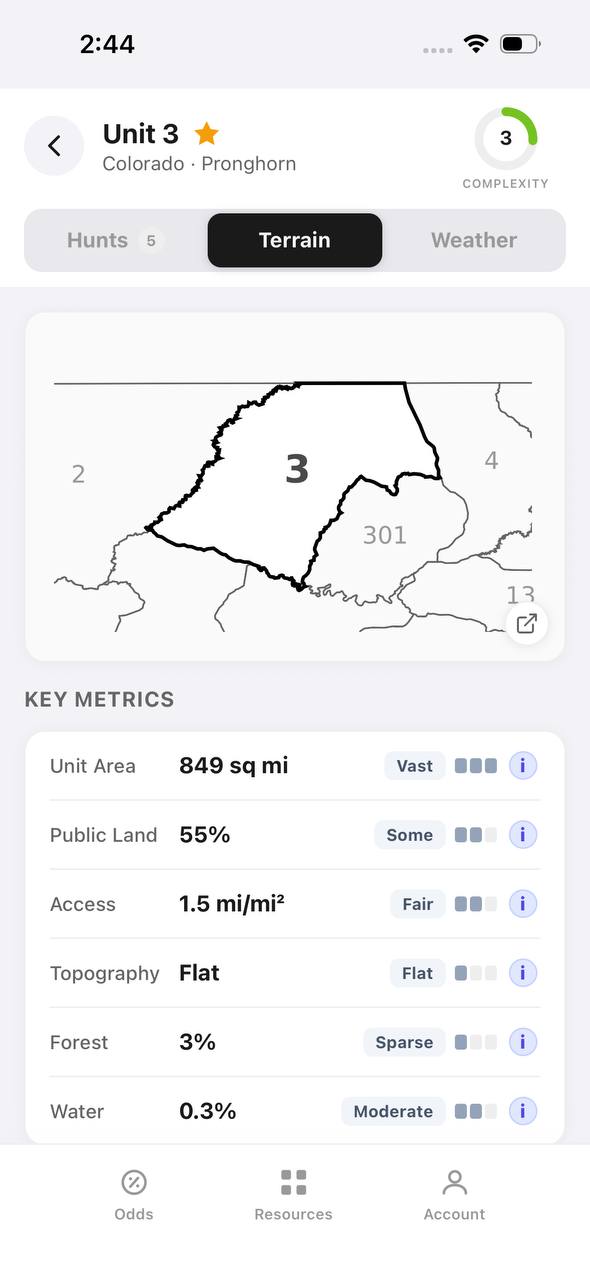
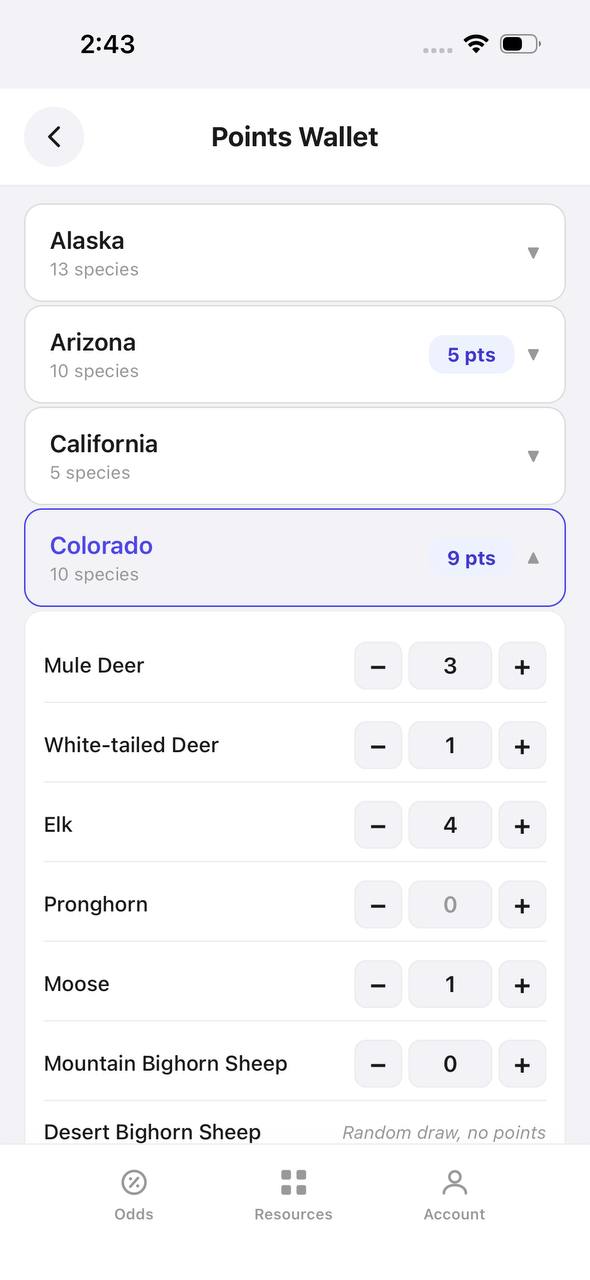
A custom LRI rifle is only one piece of a successful western hunt. Understanding draw odds, unit selection, and application strategy is equally important. TAGZ helps you compare units side by side using terrain maps, unit boundaries, and historical draw data. Track your preference points and bonus points across multiple states so you never miss a draw deadline. Whether you are chasing OTC tags or planning a trophy limited-entry hunt, TAGZ gives you the tools to make smarter decisions before you ever step into the field. Explore the TAGZ product to start planning your next hunt, review draw odds and unit research, or create an account to track your points and deadlines across every state you hunt.
Was this article helpful?
Previous
Best Gun and Bow Mounts for UTVs: Secure Your Weapons for the Hunt
The right UTV weapon mount keeps your rifle or bow protected, accessible, and legal while navigating rough terrain to your hunting spot. This guide compares the top mounts for different hunting scenarios and vehicle setups.
Related
Best Custom Hunting Rifles for Western Big Game in 2025
Custom hunting rifles deliver precision, reliability, and personalization that factory guns cannot match. For serious western hunters pursuing elk, mule deer, and other big game across varied terrain, the right custom build transforms field performance.
Next
Best Custom Hunting Rifles for 2026 Season — Top Builds for Western Big Game
Custom hunting rifles deliver precision and reliability when it matters most. From lightweight mountain builds to long-range platforms for open country, here are the best custom rifle builders and configurations for the 2026 western hunting season.