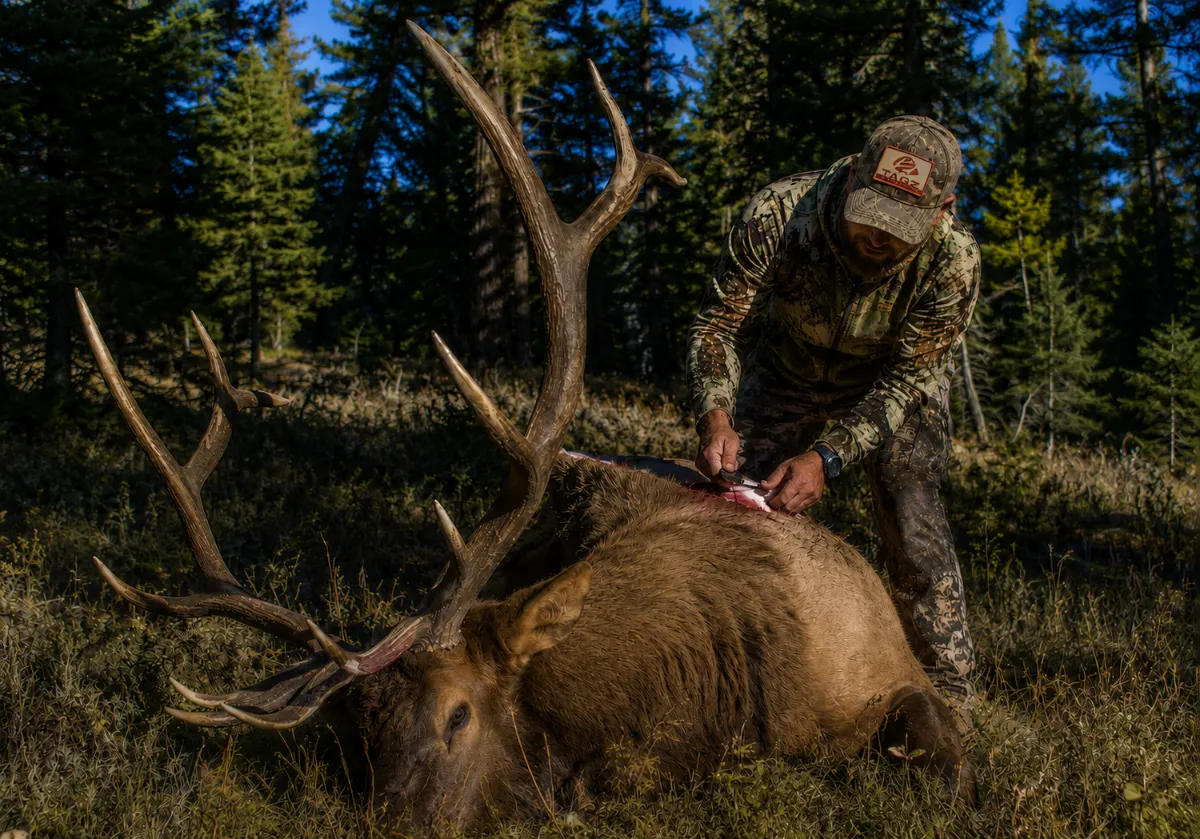
Iowa Non-Resident Deer Draw Explained — Preference Points & Tag Strategy
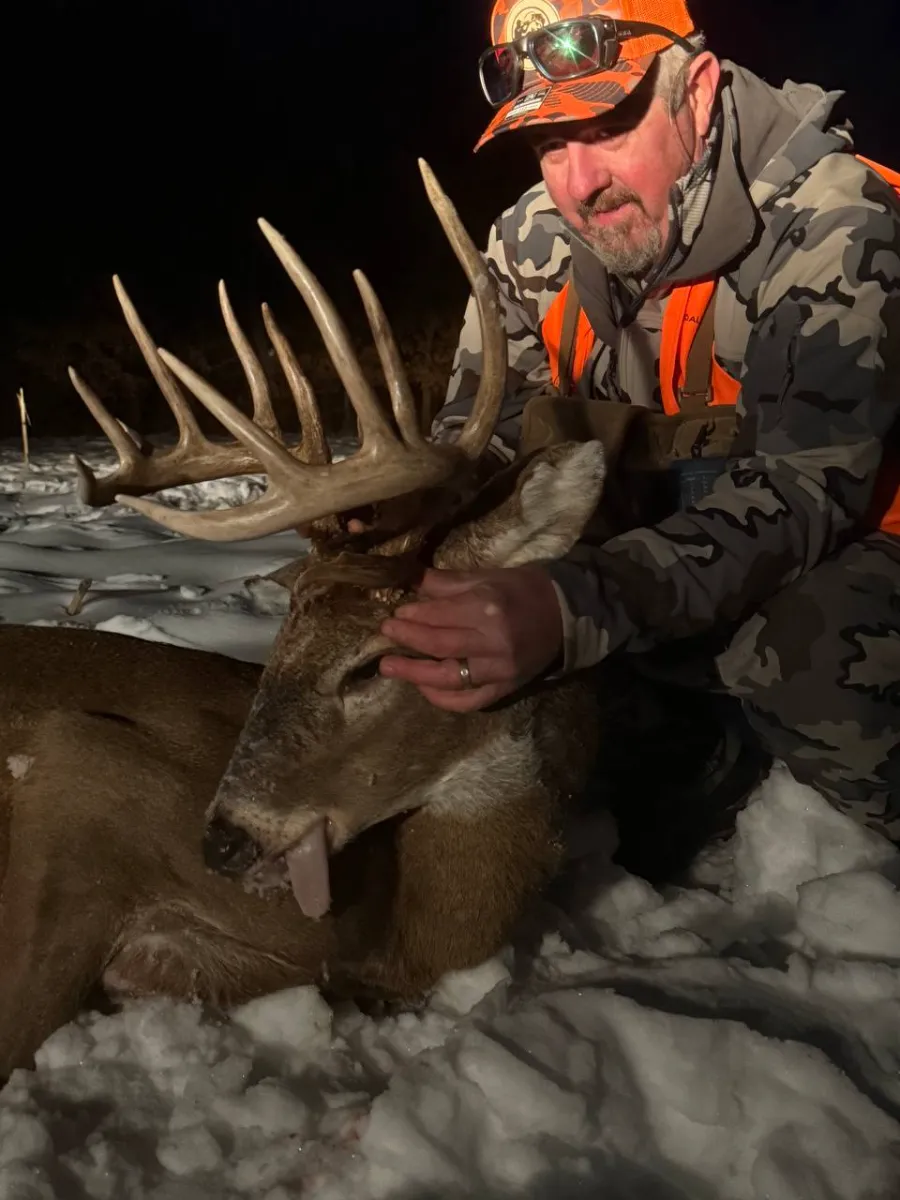
Iowa's non-resident whitetail draw is one of the most sought-after deer tag systems in the country, and the process itself is actually pretty straightforward. What makes it difficult is the limited number of tags and the massive demand from hunters chasing mature Midwest whitetails. Unlike western elk systems with complicated bonus structures and multiple application layers, Iowa runs primarily on a preference point system, so if you understand how it works and build a realistic plan, you can predict your timeline fairly accurately. The reason demand runs so high comes down to one thing, quality whitetails, because Iowa has built a reputation for mature age-class bucks, strong genetics, limited non-resident pressure, abundant agricultural food sources, and controlled tag allocation, a combination that consistently produces big deer year after year.
How the draw and application work
Iowa uses a simple preference point system: if you don't draw your tag you gain a preference point, hunters with the most points draw first the following year, and once tags run out the remaining applicants don't draw, which creates a predictable line where higher point holders have priority. Unlike random western states, Iowa is much easier to forecast because draw history gives you a strong idea of how many points are needed. Non-resident applications are submitted through the Iowa Department of Natural Resources during the annual window, which typically runs in May and early June, and you choose a hunting zone, season choice, and weapon type, meaning you're applying for a very specific hunt code rather than a statewide tag. That matters because some zones are significantly harder to draw than others, so it's worth reviewing the Iowa DNR non-resident licensing details before applying. As for the points themselves, if you don't draw your first-choice tag you receive a preference point that carries into future years, increasing your position in line and improving your future odds while staying attached to your account, and once you draw a tag your points reset.
Zones, wait times, and access
Iowa is divided into multiple deer management zones, each carrying different draw difficulty and hunting quality. Some are known for higher trophy potential, better habitat, more private land access, and stronger deer age structure, which naturally attracts more applicants and requires more points, while other zones fly under the radar and can often be drawn sooner while still producing quality deer, which is exactly where strategy starts to matter, so it pays to study Iowa's units before committing. Realistically, most non-residents should expect two to four years for easier-to-draw zones and four to six-plus years for premium zones, with demand shifting constantly so point requirements move slightly from year to year and the best-known trophy counties carrying the longest waits. Tag numbers stay controlled because Iowa limits total non-resident allocation, zone-specific tags, and weapon-specific quotas, and that reduced pressure lets deer reach older age classes more consistently than in many neighboring states. Access is the other big reality, since Iowa has limited public land compared to western states and heavy reliance on private agriculture, so successful hunters often lease ground, build relationships with landowners, hunt smaller overlooked parcels, and focus heavily on scouting access; public land opportunity exists, but pressure can concentrate quickly.
Strategy, scouting, and weapon choice
A lot of hunters assume drawing the tag is the hard part, but it isn't, because actually understanding the zone, pressure, food sources, and deer movement matters just as much. Summer scouting becomes critical in Iowa because crop patterns influence movement, bedding cover changes yearly, and access routes determine pressure. On weapon choice, archery season is by far the most popular for non-residents chasing mature bucks thanks to its longer season, lighter pressure, peak rut opportunity, and more mature buck movement, while gun seasons can still produce great deer but shift pressure and movement patterns significantly once firearms open; if you're sorting out gear, our weapon selection guide helps. The common mistakes are applying only for the most famous zones, ignoring realistic opportunities, assuming every part of Iowa is equal, not scouting enough before arriving, and underestimating access issues, and plenty of hunters spend years building points with no actual hunt strategy once they finally draw. The best approach balances realistic zones, reasonable wait times, and actual access opportunity, focusing on places you can consistently learn and return to over time rather than chasing hype. Even with increasing demand, Iowa remains one of the best whitetail destinations in the country, and the challenge is simply getting in and having a real plan once you do. Tracking draw systems across multiple states gets overwhelming fast, which is where TAGZ helps, letting hunters track applications, understand draw timelines, and build realistic strategies, with unit-by-unit breakdowns available for Iowa deer units 1 through 10.
Was this article helpful?
Previous
Best DIY Elk Hunts
Best DIY Elk Hunts breaks down realistic elk planning around terrain, access, pressure, scouting, and hunter behavior so TAGZ readers can build a practical western hunt plan instead of chasing hype.
Related
Best Colorado Rifle Units
Best Colorado Rifle Units breaks down realistic big game planning around terrain, access, pressure, scouting, and hunter behavior so TAGZ readers can build a practical western hunt plan instead of chasing hype.
Next
How TAGZ Is Changing Western Hunt Planning — Draw Odds & Hunting Strategy
Western hunting has become increasingly competitive and data-driven. TAGZ helps hunters simplify draw systems, track opportunity, and build smarter long-term hunting strategies.