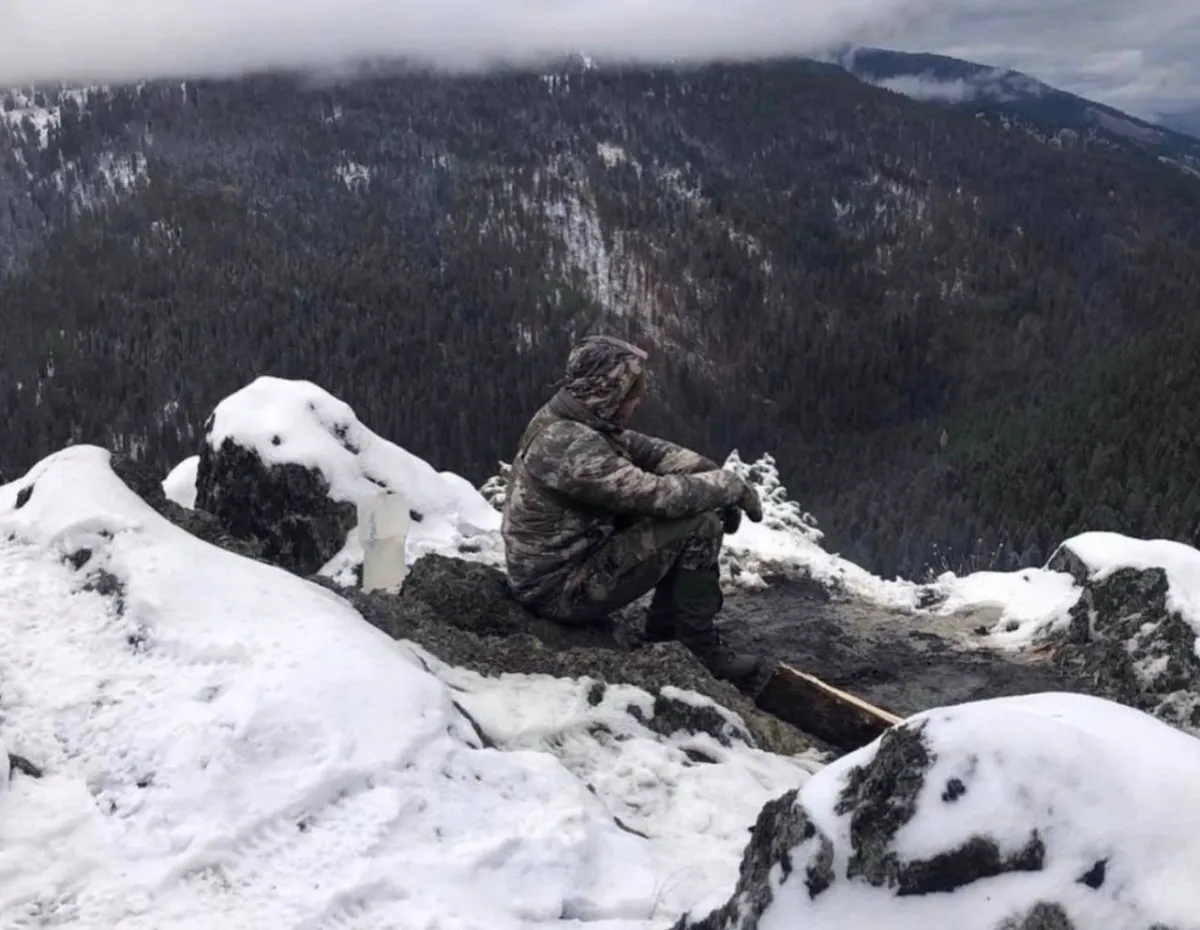
How to Choose the Right Hunting Weapon for Western Hunts: Stop Guessing and Pick What You Can Actually Use
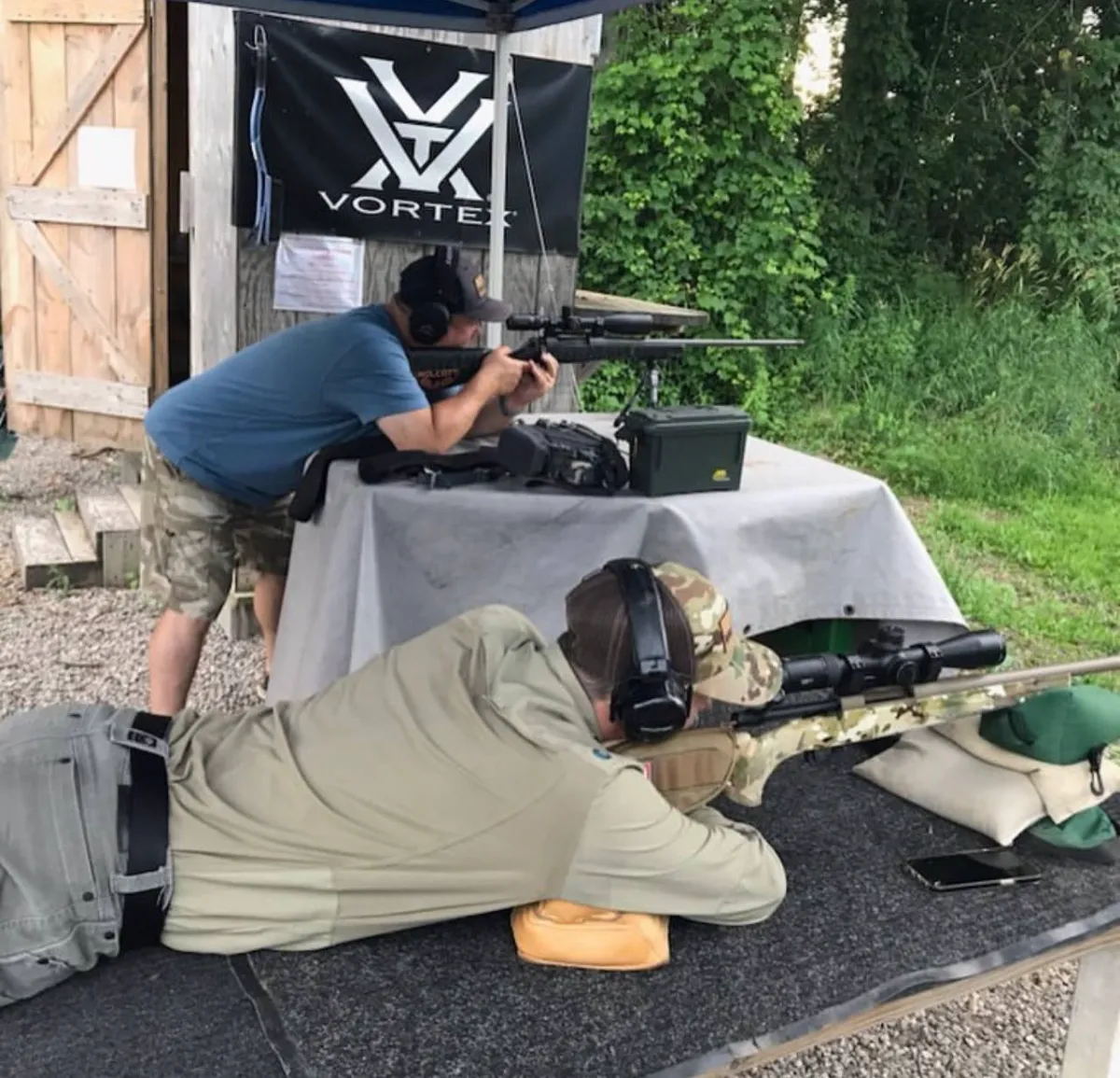
Most guys overthink weapon choice the same way they overthink units. They chase what looks cool, what someone else is using, or what they think gives them an edge.
That’s not what matters.
The right weapon isn’t about what’s “best.” It’s about what you can use confidently, consistently, and effectively when it actually counts. If you can’t execute under pressure, it doesn’t matter what you’re carrying.
That’s where most people get it wrong.
Out West, your weapon choice changes everything. It affects your season, your draw odds, your positioning, and how you hunt. It’s not just equipment—it’s strategy.
And if you don’t think about it that way, you’re limiting yourself before the hunt even starts.
Rifle hunting is what most guys default to. It’s the most forgiving. More range, more flexibility, and generally higher success rates. That’s why it’s popular.
And that’s also why it’s more competitive.
Rifle seasons usually come with more pressure. More hunters in the field, more educated animals, and tighter draw odds in a lot of units. You’ve got reach, but so does everyone else.
If you’re going this route, your advantage comes down to execution. Knowing your range, understanding your limitations, and being able to make a clean shot when it matters.
Not just at the range—but in real conditions.
Wind, elevation, adrenaline—that’s where it counts.
Rifle Calibers That Actually Work
This is another place guys overcomplicate things.
You don’t need something exotic or overbuilt. Proven cartridges have been getting it done for decades, and they still work.
All the classic .30 caliber rounds are solid. Cartridges like the .30-06 Springfield and .300 Winchester Magnum have been putting elk and deer on the ground for generations. They hit hard, they’re versatile, and they perform across a wide range of conditions.
Then you’ve got rounds that balance power and shootability. The 7mm Remington Magnum has been a go-to for a long time for a reason—flat shooting, solid energy, and manageable recoil if you’ve spent time behind it.
Newer cartridges are pushing that even further. The 7mm PRC carries energy well at distance, handles wind better than a lot of older rounds, and is quickly becoming a favorite for guys who want performance without excessive recoil.
At the end of the day, caliber matters—but not as much as people think.
Shot placement beats caliber every time.
If you can’t control it, it’s the wrong setup.
Archery flips the whole equation. Shorter range, more work to get close, but way less pressure in most cases. Early seasons, more animal activity, and a completely different experience.
You’re not reaching out—you’re getting in.
That changes how you move, how you set up, and how you think through every situation. It’s harder in a lot of ways, but it opens doors that rifle seasons don’t.
Better odds in many units. More opportunity if you’re willing to put in the work.
But your setup has to be right.
Archery Setup That Actually Works
This isn’t the place to cut corners.
Start with your arrows. You want weight and penetration, not speed for the sake of speed. A heavier arrow with high FOC (front of center) carries momentum better, drives through bone more effectively, and gives you more forgiveness when things aren’t perfect.
Light, fast arrows look good on paper. They don’t always perform when it counts.
Draw weight matters too—but control matters more. You don’t need to max out your bow, but you need enough power to be effective. 60 pounds and up is a solid baseline for western hunting, especially for elk-sized animals.
If you can’t draw it smoothly, hold it steady, and execute under pressure, it’s too heavy.
That’s where guys get into trouble.
Broadheads are another spot where people overthink things. Mechanical heads work—they fly well and can be effective—but they add failure points.
If something goes wrong, you don’t get a second chance.
That’s why a lot of experienced hunters still lean toward fixed blades. They’re simple, durable, and consistent. No moving parts, no guesswork.
Heads like G5 Montec and Iron Will are good examples. Solid construction, reliable penetration, and proven performance.
At the end of the day, your archery setup should be built around penetration, consistency, and reliability.
Not speed. Not trends.
When you’re inside 40 yards and it’s time to execute, nothing else matters.
Muzzleloaders sit somewhere in the middle. More range than a bow, less than a rifle. Usually quieter seasons, less pressure, and sometimes better odds.
But they come with their own limitations.
Weather matters more. Equipment matters more. And not every state treats muzzleloader seasons the same way. Some allow scopes, some don’t.
That changes everything.
It’s a niche, but it can be a smart play if you understand it.
The biggest mistake across all of this is choosing a weapon based on what you think you should use instead of what you can actually use well.
Confidence matters more than capability.
A guy with a bow he’s practiced with for years is more dangerous than someone with a rifle they barely understand. Same goes the other way.
It’s not about the tool—it’s about how you use it.
Your weapon also ties directly into your draw strategy. Archery hunts are often easier to draw. Rifle hunts are usually more competitive. Muzzleloader sits in between depending on the state.
That means your choice can open or close opportunities before you even apply.
Most hunters don’t think about that. They pick a weapon, then try to force everything else around it. The smarter move is aligning your weapon with your goals.
Want to hunt every year? Archery or flexible weapon choices give you more options.
Willing to wait for something specific? Rifle might make more sense.
It all connects.
Another thing that gets overlooked is how your weapon affects positioning. Rifle hunters can sit back and glass. Archery hunters have to get into the terrain, play the wind, and close distance.
That changes your entire approach.
It also changes how animals react to pressure.
In high-pressure rifle seasons, animals move less and get pushed into cover faster. In early archery seasons, they’re more active, more predictable, and easier to pattern—if you know what you’re doing.
Same animal, different hunt.
That’s why there’s no “best” weapon. Just what fits your plan.
Where most guys mess this up is predictable. They chase trends. They switch weapons too often. Or they pick something they’re not prepared to use under real conditions.
That’s how opportunities get wasted.
The best move is simple. Pick a weapon that fits your current skill level, commit to it, and build around it. Get reps. Understand your limits. Know exactly what you can do when it matters.
Everything else comes after that.
At the end of the day, your weapon should give you confidence, not questions. When the moment comes, you shouldn’t be thinking about your setup—you should just be executing.
That’s what separates guys who talk about hunts from the ones who actually finish them.
Was this article helpful?
Previous
How to Field Judge Big Game Out West: Elk, Mule Deer, Whitetail, Pronghorn, Sheep, Goat, Moose, Bear, Caribou, and Muskox
Field judging relies on structure, mass, and proportions. Using consistent references helps make fast and accurate decisions across all species.

Next
Weather Impact on Hunts: How Conditions Actually Move Animals
Weather drives animal movement. Temperature, wind, snow, and pressure all change how and where animals move. Hunters who adjust to conditions find more success.