Idaho Super Hunt Draw Odds: What Are Your Chances of Winning?
Idaho's Super Hunt is one of the most anticipated big-game draws in the West. Each year, hunters across North America enter for a chance at premium controlled hunt tags that would otherwise require years of preference points or pure luck in the standard draw. The Super Hunt offers elk, mule deer, whitetail, moose, bighorn sheep, mountain goat, and antelope tags — all issued through a true lottery with no preference point advantage.
Your odds of drawing depend entirely on the number of applicants for each hunt. Some tags see 10,000+ entries, while others draw fewer than 1,000. Unlike Idaho's regular controlled hunt system, the Super Hunt is a separate lottery with its own rules, deadlines, and odds. Understanding how it works and what your realistic chances are helps you decide whether to invest the $10 application fee.
How the Idaho Super Hunt Works
The Super Hunt is a bonus opportunity offered by the Idaho Department of Fish and Game (IDFG) each spring. It includes leftover controlled hunt tags, special allocations, and unique hunts not available through the standard draw. You apply online during a short window — typically late April through early May — and pay a flat $10 application fee regardless of residency status.
You can apply for up to five hunts on a single application. Each hunt is ranked by priority — your first choice is weighted highest, your fifth choice lowest. If you draw, you receive only one tag. The lottery is conducted in late May, and successful applicants are notified by email and through the IDFG licensing portal.
There are no preference points, bonus points, or waiting periods. Every applicant has an equal chance each year, and drawing a Super Hunt tag does not affect your eligibility for the standard controlled hunt draw. You can apply for both in the same season.
Super Hunt Draw Odds by Species
Draw odds vary dramatically by species and hunt code. Elk hunts in high-demand units see the most competition, while some mule deer and whitetail hunts draw far fewer applicants. IDFG publishes draw statistics after each lottery, showing total applicants and tags issued for every hunt.
Elk
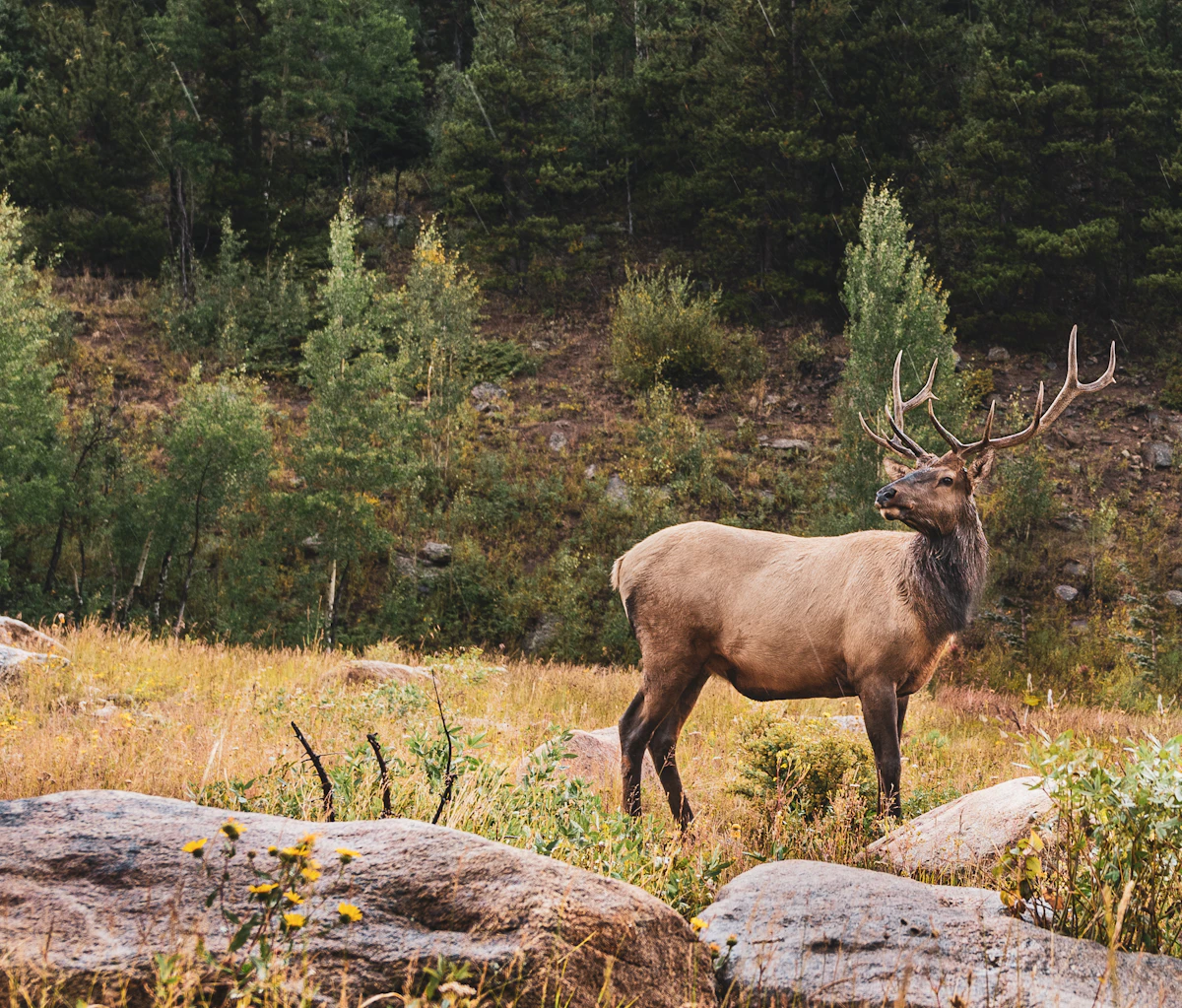
Elk hunts are the most popular Super Hunt entries. Premium rifle hunts in units like 66A (Middle Fork), 39 (Frank Church Wilderness), and 54 (Selway) routinely draw 8,000 to 12,000 applicants for a single tag. Your odds in these hunts are often 1 in 10,000 or worse.
Archery elk hunts and controlled hunts in less-glamorous units see better odds — sometimes 1 in 500 to 1 in 1,500. Hunts with shorter seasons, difficult access, or low historical success rates draw fewer applicants and improve your chances significantly.
Mule Deer and Whitetail
Mule deer hunts in trophy units like 44 (Beaverhead Mountains) and 60A (Salmon Region) still see heavy competition, but odds are generally better than elk — often 1 in 2,000 to 1 in 5,000. Whitetail-specific hunts draw even fewer entries, with some hunts offering odds as good as 1 in 300.
If you are willing to hunt whitetail in northern Idaho units during rifle or muzzleloader seasons, the Super Hunt can offer realistic odds and quality hunting opportunities.
Moose, Sheep, and Goat
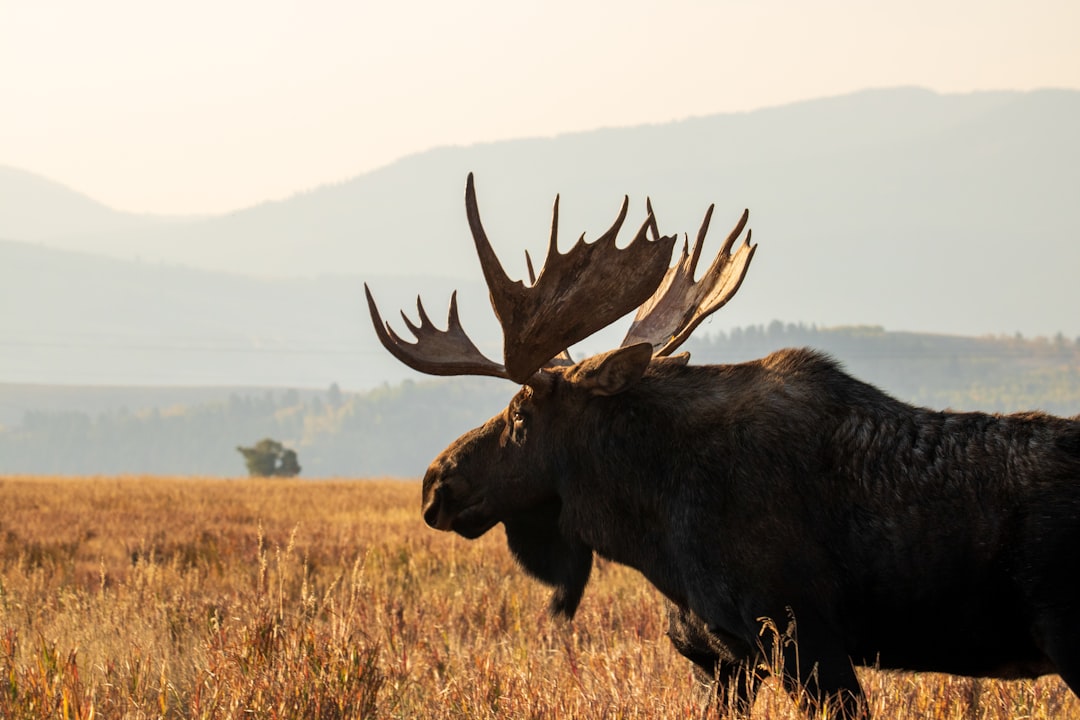
Once-in-a-lifetime species are included in the Super Hunt, but they remain extremely competitive. Moose hunts typically see 4,000 to 8,000 applicants per tag, translating to odds around 1 in 5,000 to 1 in 8,000. Bighorn sheep and mountain goat hunts are even tougher, often exceeding 1 in 10,000.
These odds are still better than winning the Powerball, but you should apply with the understanding that drawing is unlikely. Many hunters treat these entries as a low-cost lottery ticket rather than a serious hunt plan.
Calculating Your Real Chances
To estimate your odds, check IDFG's Super Hunt statistics from previous years. Find the hunt code you are interested in, note the number of applicants, and divide 1 by that number. For example, if a hunt drew 3,000 applicants for one tag, your odds are approximately 1 in 3,000, or 0.033%.
Keep in mind that odds fluctuate year to year. A hunt that drew 2,000 applicants one year might draw 5,000 the next if it gains visibility through hunting forums, social media, or word-of-mouth success stories. Trophy potential, recent tag cuts, and changes to general season regulations all influence demand.
Applying for five hunts on a single application improves your overall odds of drawing something, but your top-choice hunt is still your best shot. If you rank a high-demand elk hunt first and four whitetail hunts below it, you will likely strike out on elk but have a reasonable chance at one of the whitetail tags.
Is the Super Hunt Worth Applying For?
For $10, the Super Hunt is one of the cheapest big-game draws in the West. Even if your odds are long, the cost-to-reward ratio is compelling. Compare this to Nevada's $150+ nonresident elk application or Wyoming's $75 moose application — Idaho's Super Hunt is accessible to nearly every hunter.
If you are already applying for Idaho's standard controlled hunt draw, adding the Super Hunt is a no-brainer. You double your chances of hunting a premium unit without committing significant additional funds. If you draw, you can hunt. If you don't, you are out $10 and can pursue general season hunts or apply elsewhere.
The Super Hunt also rewards flexibility. Hunters willing to chase whitetail, hunt archery seasons, or accept less-famous units see far better odds than those fixated on trophy elk in wilderness areas. If you diversify your hunt choices and research units with lower applicant pools, you significantly improve your chances of drawing something worthwhile.
How to Improve Your Super Hunt Odds
While the Super Hunt is a pure lottery, you can stack the deck in your favor by making smarter choices.
First, research units beyond the obvious trophy zones. Units like 39, 66A, and 54 dominate Super Hunt applications because they are famous. Units with comparable elk quality but less name recognition — like 21, 28, or 53 — often draw half the applicants.
Second, consider species and weapon types that other hunters ignore. Archery elk, muzzleloader mule deer, and whitetail hunts consistently offer better odds than rifle elk in famous units. If you have the skills and gear to hunt effectively during these seasons, you gain a real advantage.
Third, apply every year. The Super Hunt does not penalize consistent applicants, and your odds reset to equal footing each spring. Over a decade, even 1 in 5,000 odds give you a legitimate chance of drawing at least once.
Finally, use your five hunt choices strategically. Rank a dream hunt first if you want, but fill the remaining slots with realistic alternatives. Hunt codes that drew fewer than 1,000 applicants the previous year should be on your radar.
TAGZ and the Idaho Super Hunt
Planning your Super Hunt application is easier when you have access to historical draw data, unit boundaries, and terrain maps. TAGZ helps you compare Idaho controlled hunts side by side, track draw odds year over year, and identify units with improving or declining applicant pools.
Whether you are chasing elk in the Frank Church Wilderness or whitetail along the Clearwater, TAGZ gives you the tools to make informed decisions before you ever submit an application. You can filter hunts by species, weapon, season dates, and success rates, then cross-reference them with public land maps and terrain breakdowns to plan your hunt from application season through opening day.
FAQ — Idaho Super Hunt
What is the Idaho Super Hunt?
The Idaho Super Hunt is a separate bonus lottery offering premium controlled hunt tags for elk, deer, moose, sheep, goat, and antelope. It runs annually in late April through early May, with a $10 application fee.
Do preference points help in the Super Hunt?
No. The Super Hunt is a true lottery with no preference point advantage. Every applicant has an equal chance regardless of how many years they have applied.
Can I apply for both the Super Hunt and the regular controlled hunt draw?
Yes. The Super Hunt and the standard controlled hunt draw are separate systems. You can apply for both in the same season without penalty.
What are the best Super Hunt odds?
Whitetail hunts and less-famous archery or muzzleloader hunts typically offer the best odds, sometimes as good as 1 in 300. Premium elk hunts in wilderness units often exceed 1 in 10,000.
Can nonresidents apply for the Idaho Super Hunt?
Yes. The Super Hunt is open to both residents and nonresidents, and the application fee is the same for everyone. If you draw, you must purchase the appropriate Idaho hunting license and tag.
How many hunts can I apply for in the Super Hunt?
You can apply for up to five hunts on a single application. You rank them by priority, and if you draw, you receive only one tag.
Continue Planning Your Hunt
The Idaho Super Hunt is one of the most affordable ways to chase premium tags in the West, but success requires strategy beyond blind luck. Compare hunt codes, review historical draw data, and identify units where your odds actually make sense.
TAGZ helps you filter Idaho controlled hunts by terrain, success rates, and draw odds, so you can build a Super Hunt application strategy based on data instead of guesswork. Track your entries year over year, set reminders for application deadlines, and never miss a chance at the tag you have been chasing.
Ready to plan your next hunt? Explore Idaho units, compare draw odds, and start building your application strategy at getmytagz.com.
Was this article helpful?
Previous
Idaho Elk Super Hunt 2027: How to Apply and Where You Could Hunt
Idaho's Elk Super Hunt offers a once-in-a-lifetime chance to hunt trophy-class bulls on private ranches. Learn how to enter the 2027 drawing, what the license covers, and where past winners have hunted.
Next
Idaho Moose Super Hunt 2027: Odds, Rules, and Application Strategy
Idaho's Moose Super Hunt offers any-species hunters a shot at a trophy bull tag through a separate lottery. Learn how the 2027 draw works, what your real odds are, and how to maximize your chances without affecting your regular moose applications.